Small Class A RVs are becoming a popular choice for travelers who want comfort without driving a huge motorhome.
For many buyers, this style hits a sweet spot between space and control on the road.
In this guide, you’ll learn what makes a small Class A RV different, why people choose them, and what to look for before buying.
No matter if you travel on weekends or plan longer trips, this overview will help you decide if a small Class A RV fits your lifestyle.
What is a Small Class A RV?
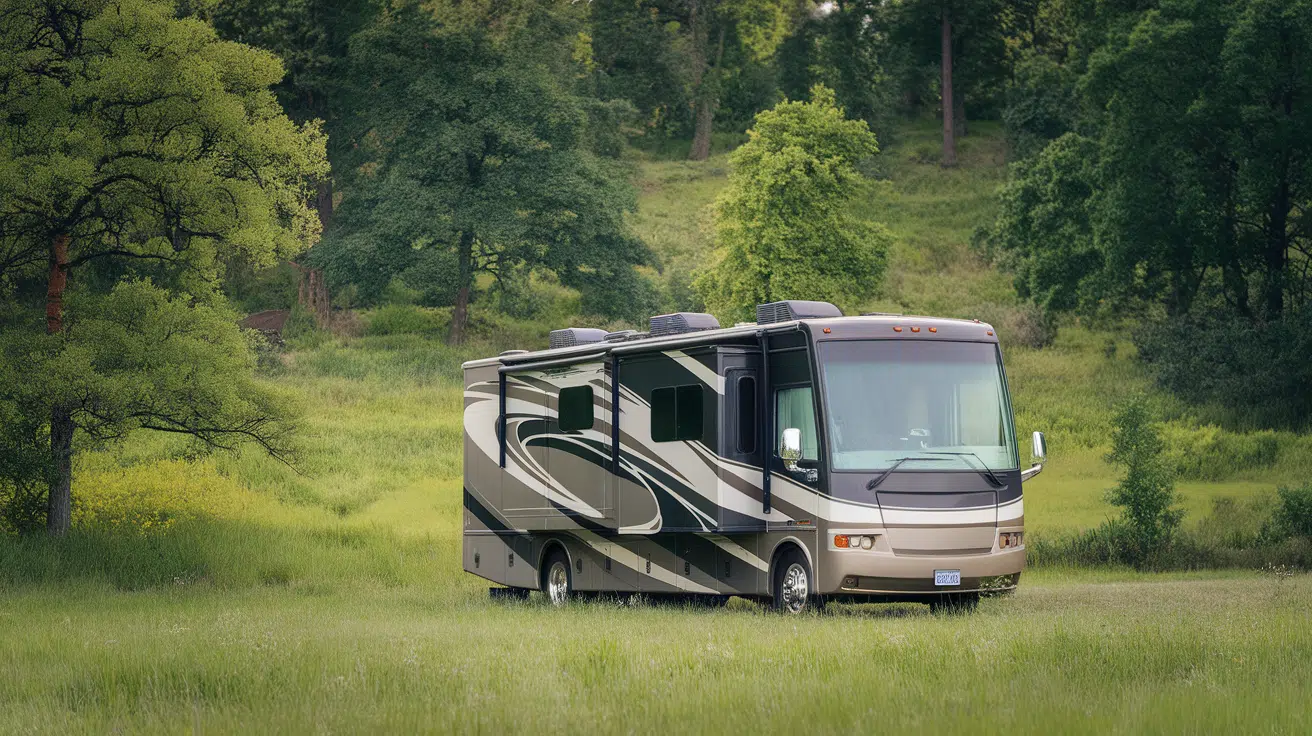
A small Class A RV is a motorhome that gives you the look and feel of a full-size Class A but in a shorter length. It is driven like a bus and does not need a tow vehicle.
Most small Class A RVs are under 30 feet long, which makes them easier to drive and park than larger models.
Inside, they still offer a living area, kitchen, bathroom, and sleeping space.
This type of RV is popular with travelers who want comfort and space without handling a very large motorhome on the road.
Why People Choose a Small Class A RV
Many travelers choose a small Class A RV because it balances comfort and control.
- Comfort without extra length: You get a wide living area, real kitchen space, and a solid bathroom in a shorter coach.
- Easier to drive than larger Class A RVs: The shorter size helps with turns, parking, and campground access.
- No need to tow another vehicle: Everything you need travels with you in one unit.
- Better views on the road: The large front windshield gives a clear, open view while driving.
- Great for couples and small families: It offers enough space without feeling too big or hard to manage.
For many people, a small Class A RV simply makes travel feel easier and more enjoyable.
Must-Have Features in a Small Class A RV
When looking at a small Class A RV, the right features can make a big difference in daily comfort. I always focus on what makes travel easier, not just what looks good on paper.
1. Smart Floorplan Layouts
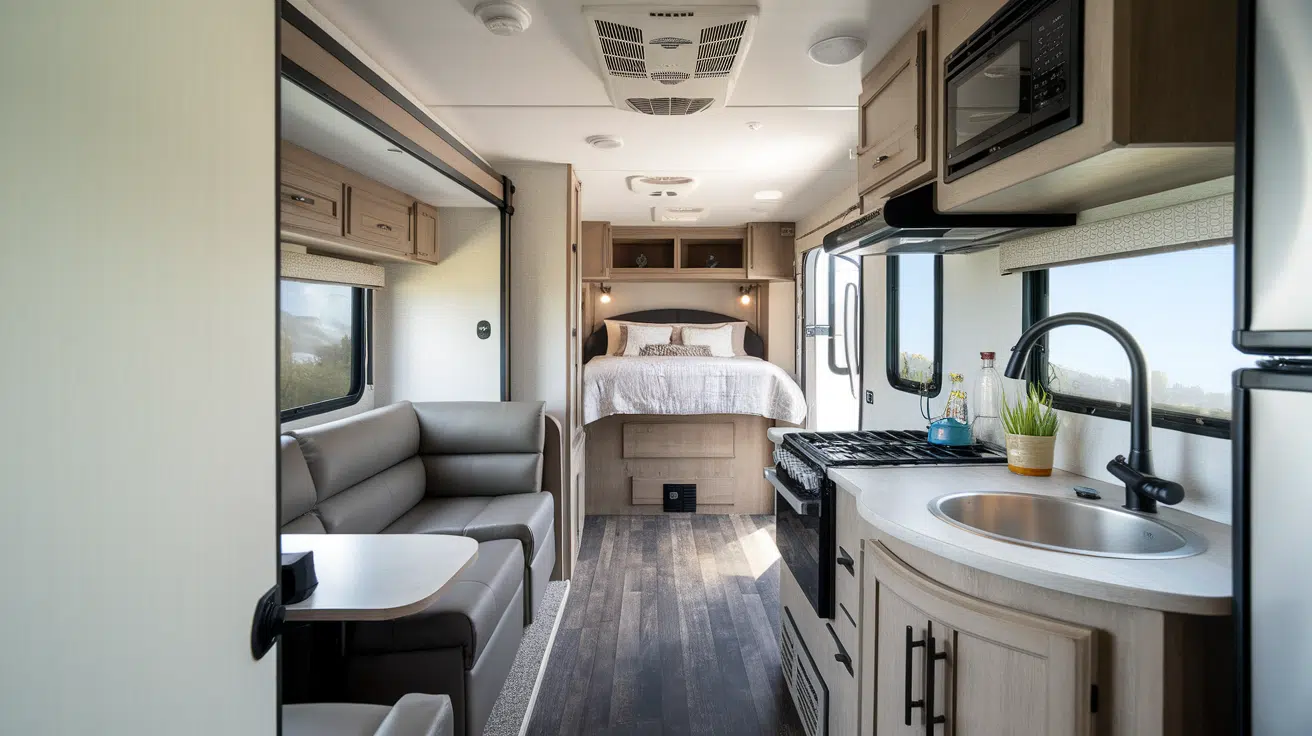
A good floorplan helps the RV feel open, even in a shorter length. Look for clear walking space between the kitchen, seating, and bed.
Beds that don’t block walkways are easier to live with every day. A well-placed dinette or sofa also makes meals and relaxing more comfortable. The right layout can make a small RV feel much bigger.
2. Slide-Outs That Add Real Space
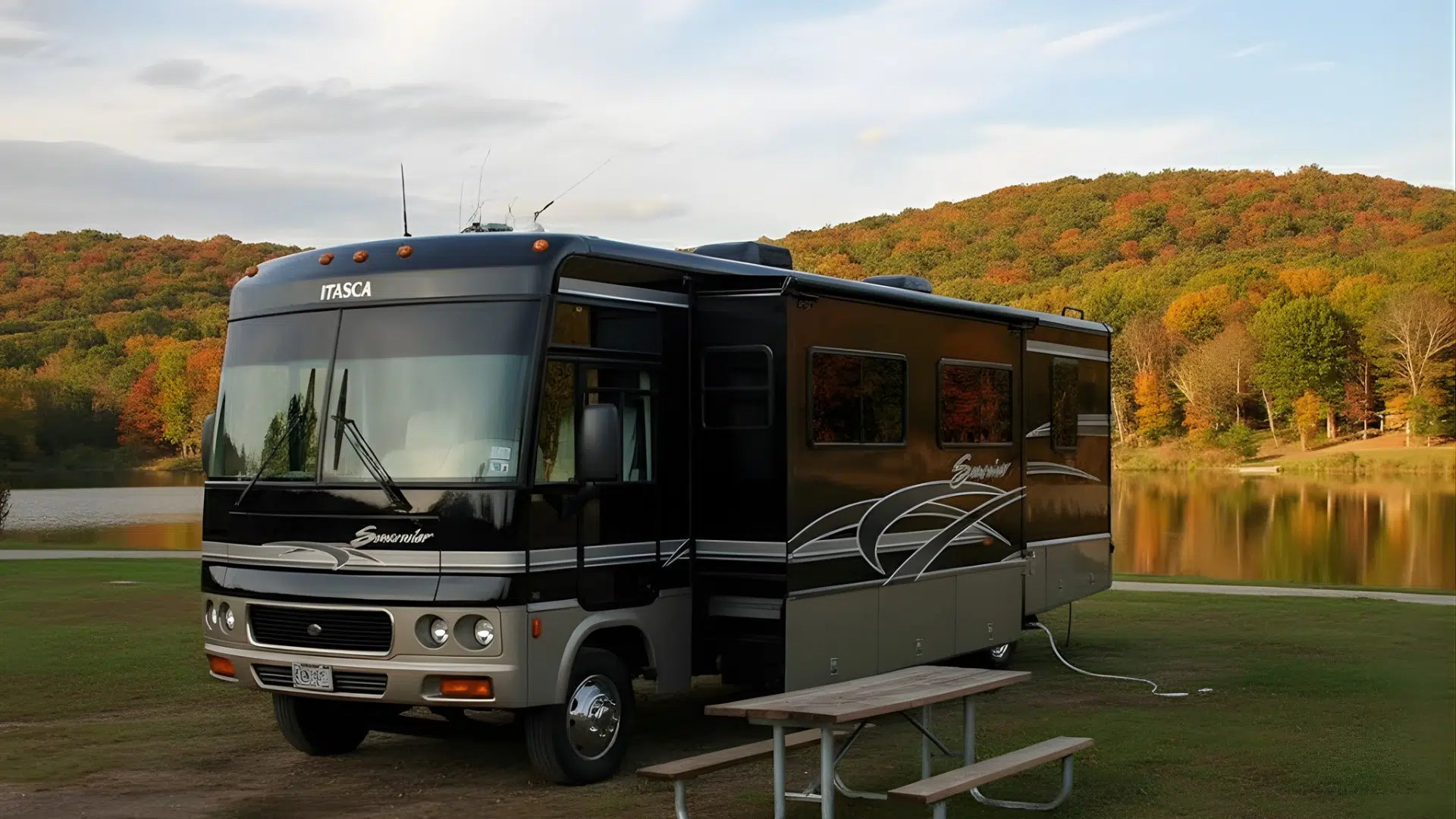
Slide-outs can create extra room where it matters most, like the living or dining area. They help reduce tight spaces when parked and make long stays more enjoyable.
Not every small Class A RV needs one, but a single slide can help a lot. It’s important that slide controls are easy to use and well-sealed.
3. Storage and Tank Capacity
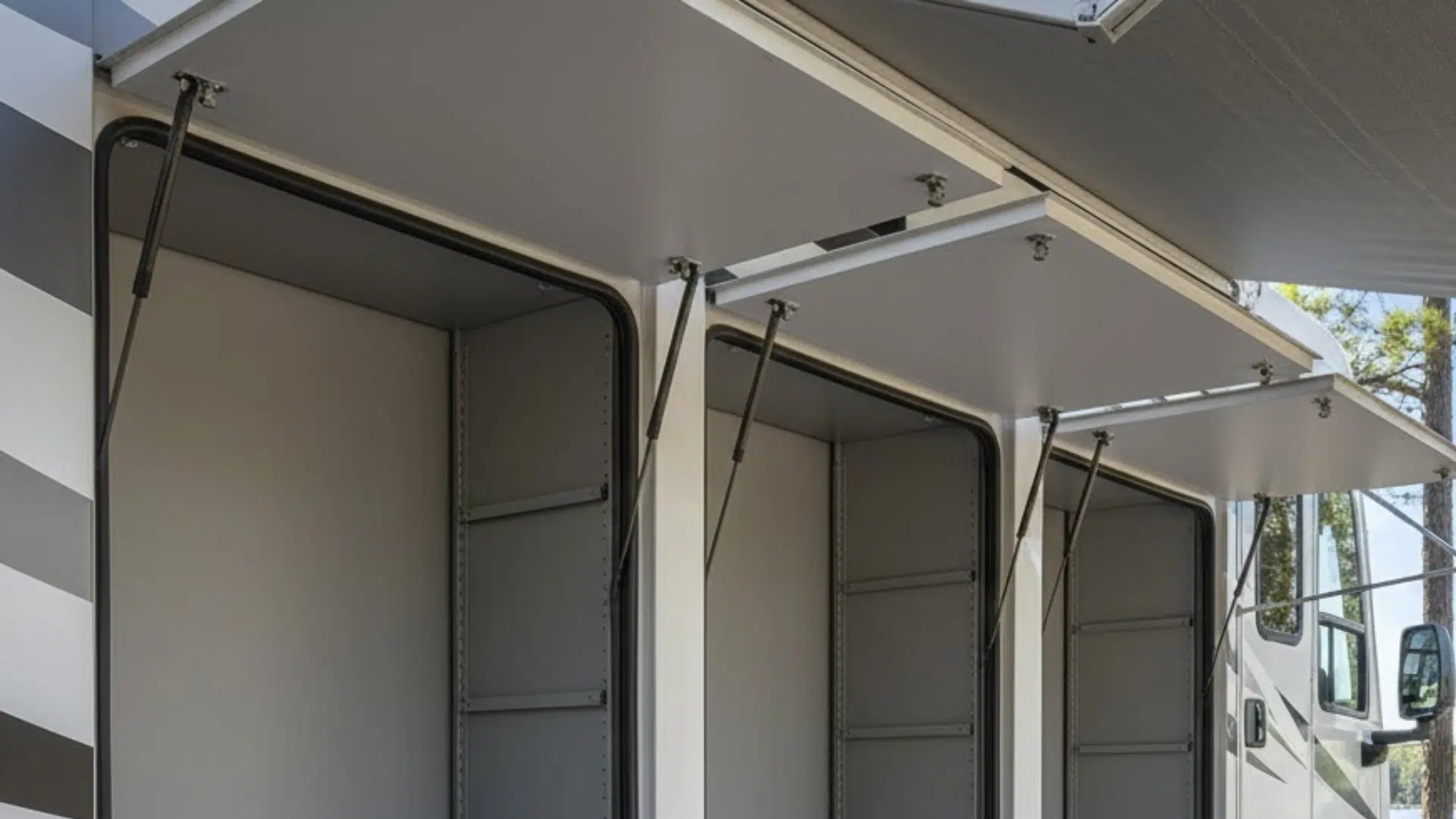
Good storage keeps trips organized and stress-free. Exterior storage bays are useful for chairs, hoses, and gear. Inside cabinets should be easy to reach and not too shallow.
Water and waste tanks should be large enough for your travel style. Enough capacity means fewer stops and more time enjoying the trip.
4. Comfortable Sleeping Setup
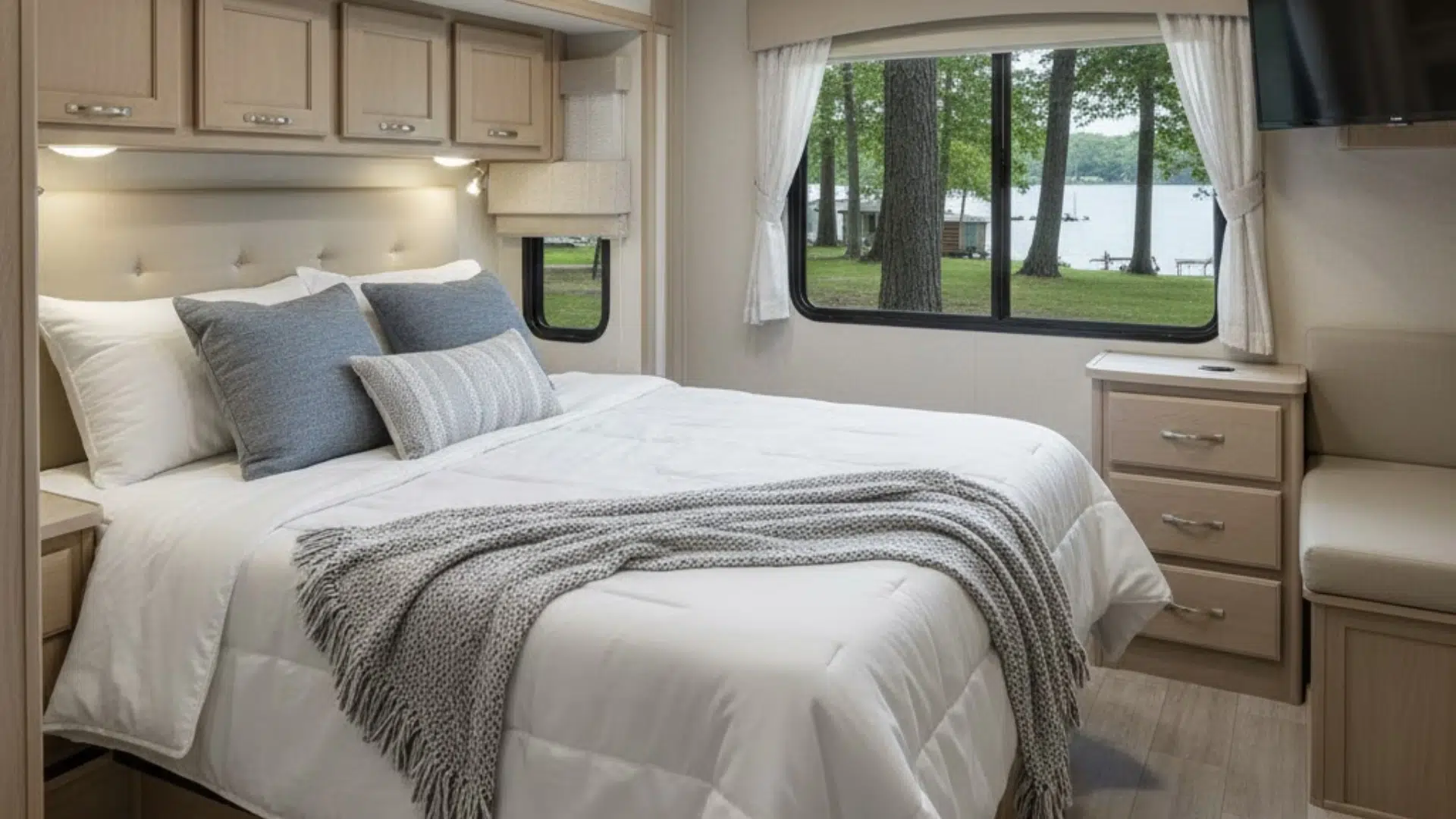
A good sleeping area matters more than many people expect. The bed should be easy to access from both sides if possible.
Drop-down beds are useful when traveling with guests or kids. Mattresses should feel supportive, not thin or stiff. A comfortable bed makes long trips more enjoyable and helps you rest well between travel days.
5. Functional Kitchen Space
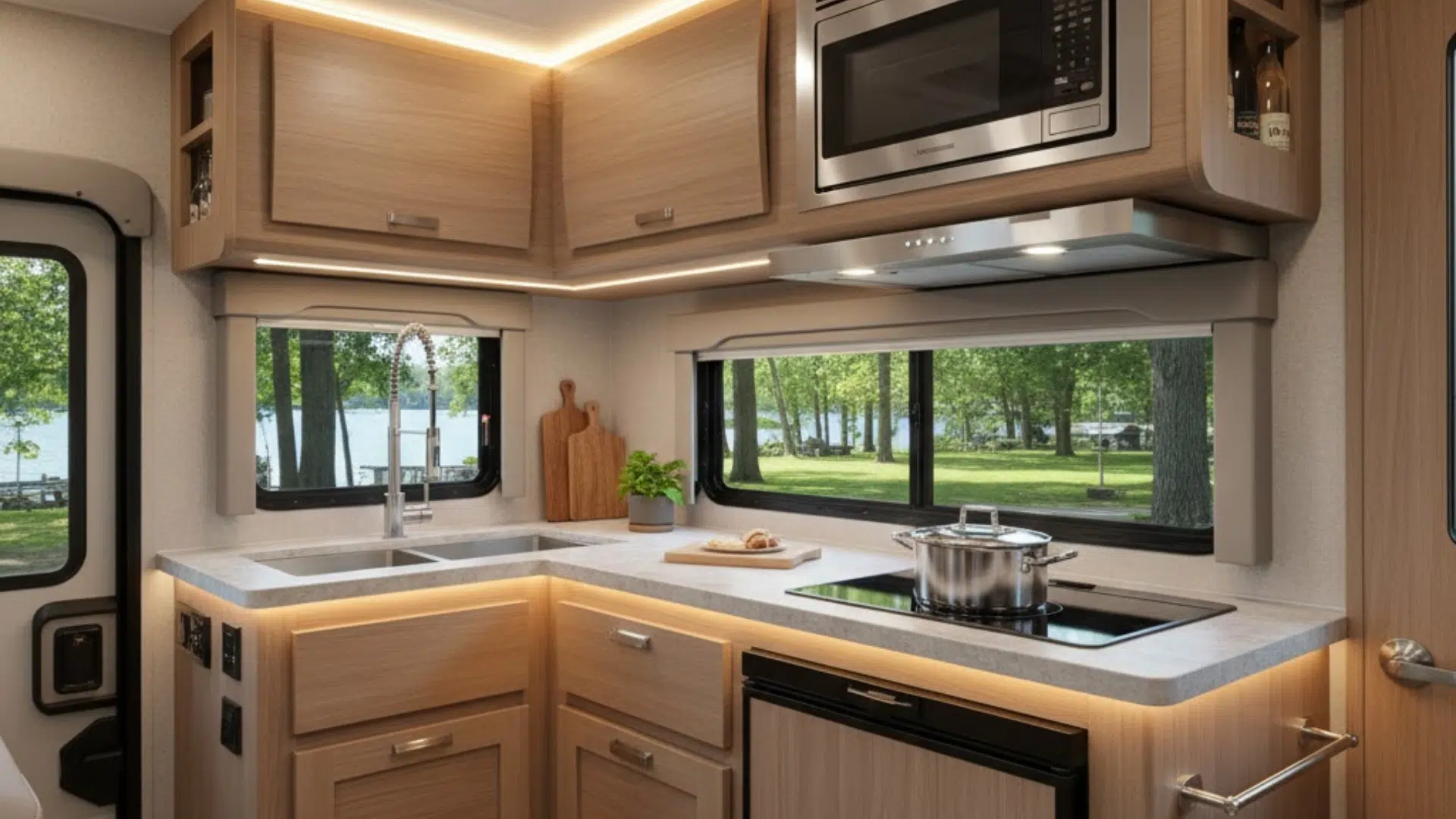
The kitchen should support simple daily cooking. Look for enough counter space to prep meals without feeling crowded. A solid fridge size helps with longer trips.
Storage for dishes and food should be easy to reach. Even in a small Class A RV, a well-planned kitchen can feel practical and stress-free.
6. Bathroom with Enough Room to Move
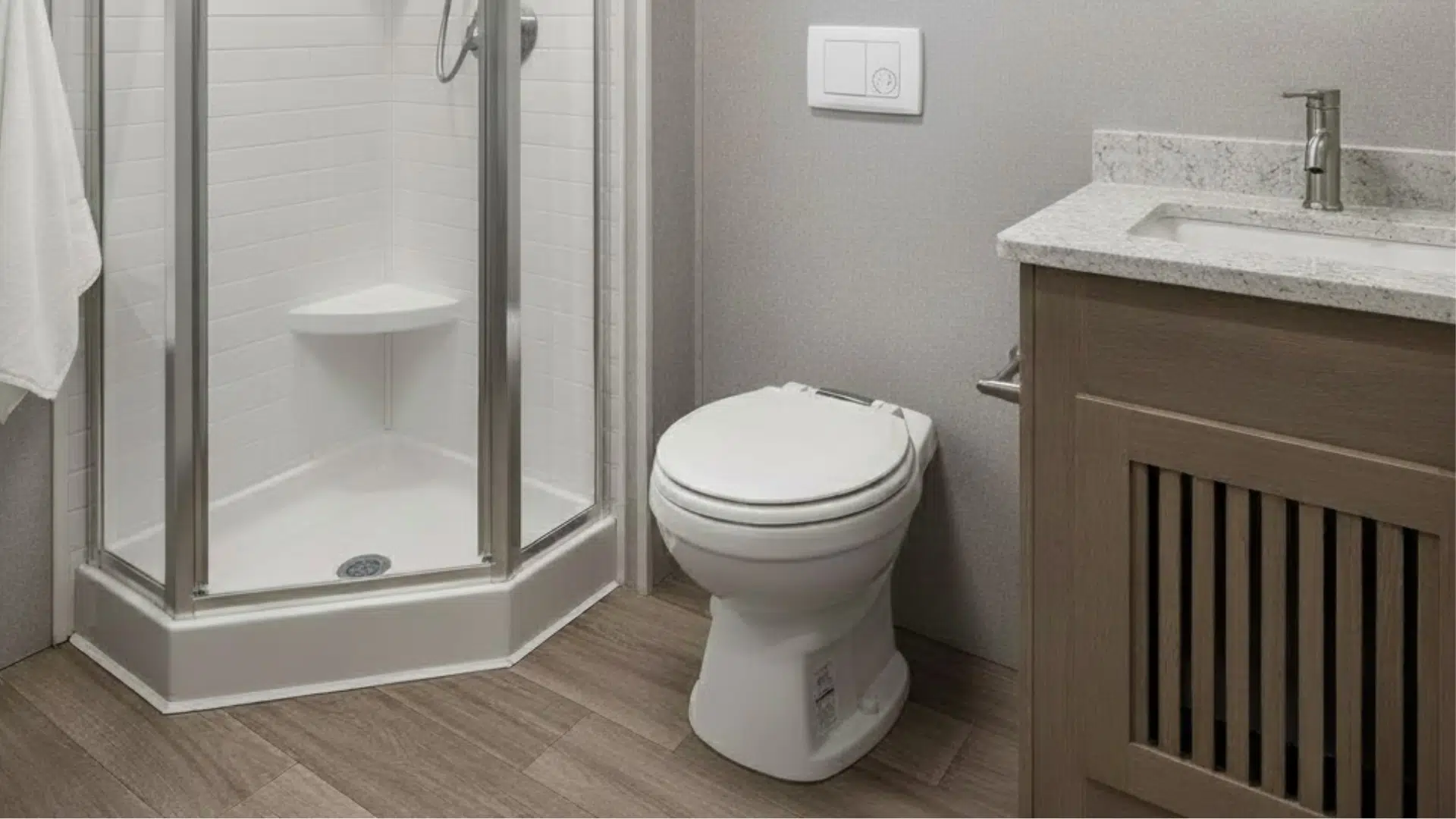
The bathroom should feel usable, not cramped. A separate shower area is easier to manage than a wet bath. Space to change clothes matters, especially on longer trips.
Good ventilation helps keep moisture under control. A comfortable bathroom adds a lot to daily RV living.
7. Easy-to-Use Controls and Systems

Control panels should be simple and clearly labeled. Things like lights, tank levels, and power should be easy to check.
Slide, awning, and leveling controls should be quick to use. Simple systems reduce stress and make setup faster. Easy controls help new and experienced RV owners alike.
8. Driving Comfort and Visibility
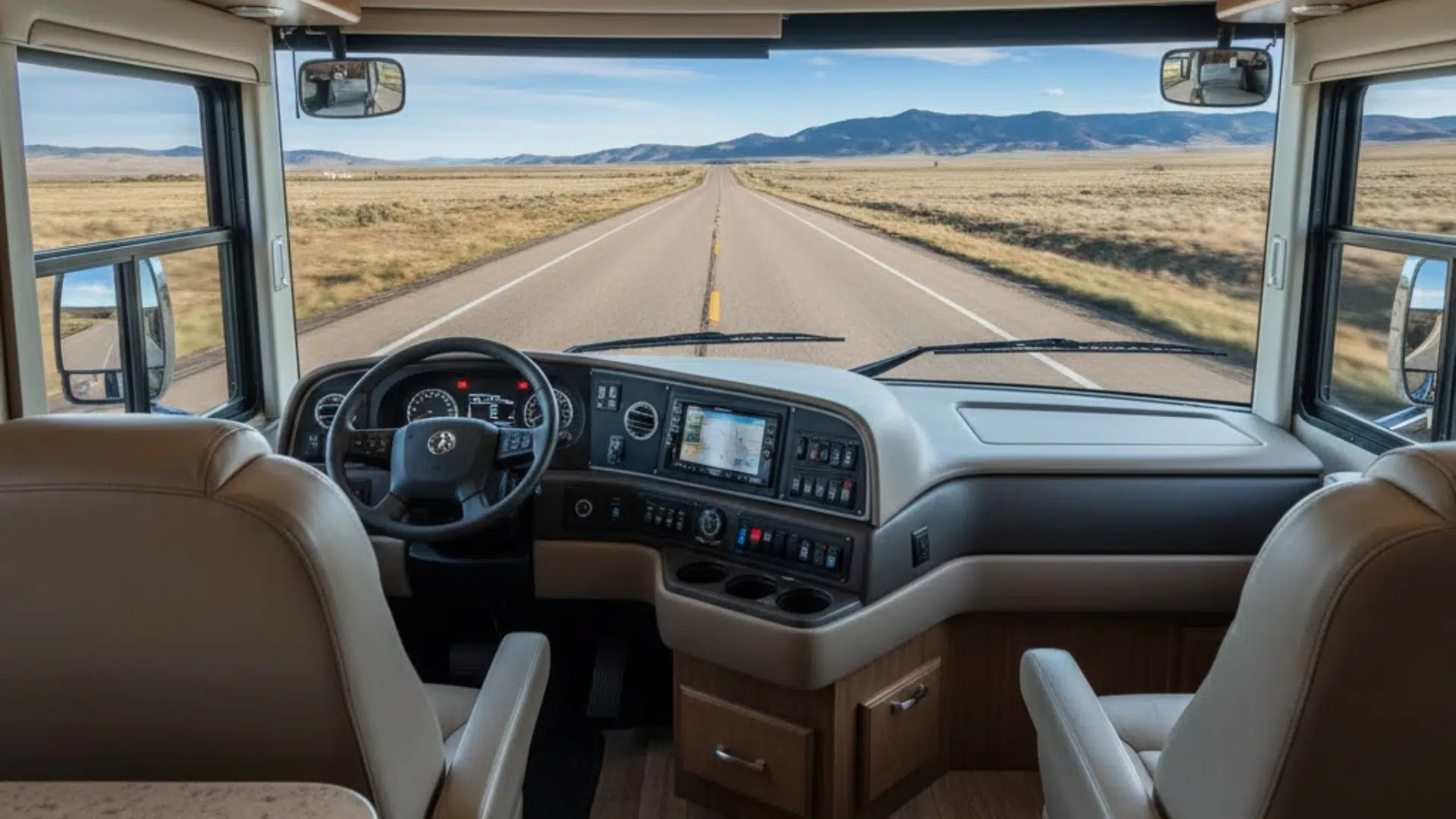
A smooth driving experience makes travel days better. Large windows help with visibility and confidence on the road. Comfortable seats reduce fatigue on long drives.
A stable ride helps with control in wind and traffic. Good driving features make a small Class A RV feel safer and easier to handle.
Small Class A RV vs. Class B vs. Class C
Each type has its own strengths, and the right choice depends on how you plan to travel.
| RV Type | Size and Style | Driving Feel | Living Space | Best For |
|---|---|---|---|---|
| Small Class A RV | Short bus-style motorhome | Smooth but wide | Open and roomy | Couples or small families wanting comfort |
| Class B RV | Van-style RV | Easiest to drive | Limited space | Solo travelers or weekend trips |
| Class C RV | Truck cab with RV body | Familiar and stable | Moderate space | Families and first-time RV owners |
I always suggest focusing on comfort, driving ease, and space needs before deciding which one works best for your trips.
Gas vs. Diesel in Small Class A RVs
Gas and diesel options each offer different benefits depending on budget and travel style.
Gas Engines
- Lower purchase price, making them easier on the budget
- Easier and cheaper to service in many areas
- Good choice for short trips and occasional travel
- Quieter upfront costs, but fuel use can be higher
Diesel Engines
- Better power for hills and heavier loads
- Often smoother and quieter on long drives
- Can offer slightly better fuel efficiency
- Higher upfront and maintenance costs
I usually recommend matching the engine type to how often and how far you plan to travel.
Cost of Owning a Small Class A RV
Owning a small Class A RV comes with several costs to plan for beyond just the sticker price.
A new small Class A RV typically runs between $80,000 and $150,000, while used ones can be $40,000 to $90,000 depending on condition and features.
You also need to budget for fuel, which can add up fast, insurance, maintenance, and storage if you don’t have room at home.
Tires and engine service are part of regular upkeep, and parts for RV systems like plumbing or appliances can cost extra.
Many owners also pay for campground fees or RV park stays on long trips. Planning these costs ahead helps avoid surprises.
Conclusion
A small Class A RV can be a great choice for travelers who want comfort without handling a massive motorhome. It offers open space, useful features, and an easy driving experience when compared to larger Class A models.
From smart layouts to engine options, the right details can make every trip smoother and more enjoyable. I believe the best choice comes down to how you travel, where you camp, and how much space you truly need.
If you’re thinking about buying one, start by listing your must-have features and travel plans. Doing this makes it easier to find a small Class A RV that fits your lifestyle and keeps your travels stress-free.