A new proposal which you have heard about as the “Big Beautiful Bill” was signed into law in July 2025, and it is about to reshape America’s homeowner energy incentives. At the end of this year, it would end federal renewable energy tax credits, cutting short programs that currently help millions of families make energy-efficient home improvements. Many homeowners are now asking the same question: Should I complete my upgrades before changes take effect?
The answer, according to Fuse Service, is yes — acting early ensures you secure existing benefits under today’s rules, no matter what happens next.
What’s Going On with the Energy Tax Credit Expiration?
Under current law, homeowners across the U.S. can still claim generous federal energy tax credits created by the Inflation Reduction Act (IRA). These credits — Energy Efficient Home Improvement Credit (25C) and Residential Clean Energy Credit (25D) — cover up to 30 % of eligible project costs supposedly through 2032.
However, the Big Beautiful Bill would end these credits after 2025, significantly shortening their lifespan. So it’s wise for homeowners to understand what’s at stake and plan accordingly.
What Qualifies for the Energy-Efficiency Tax Credit?
The current list of eligible improvements is huge and covers both major installations and smaller efficiency upgrades.
Homeowners can receive up to 30 % back on qualified costs for:
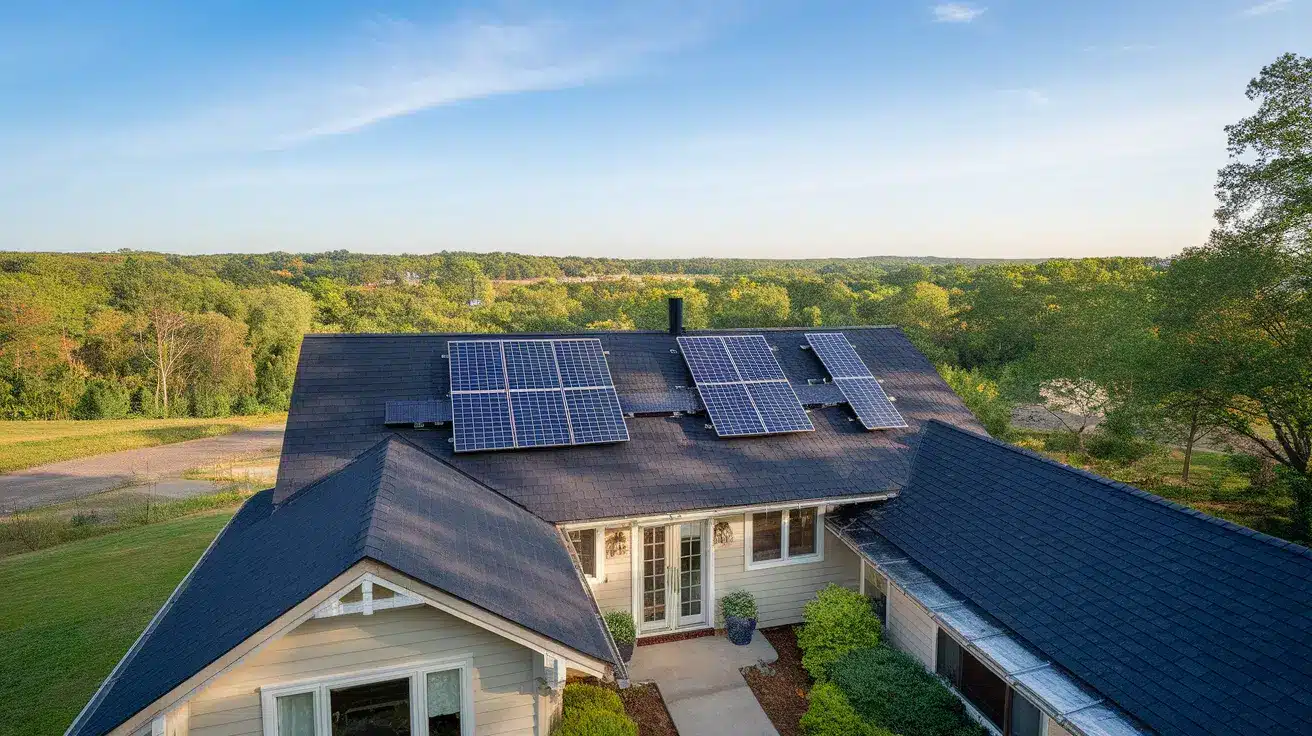
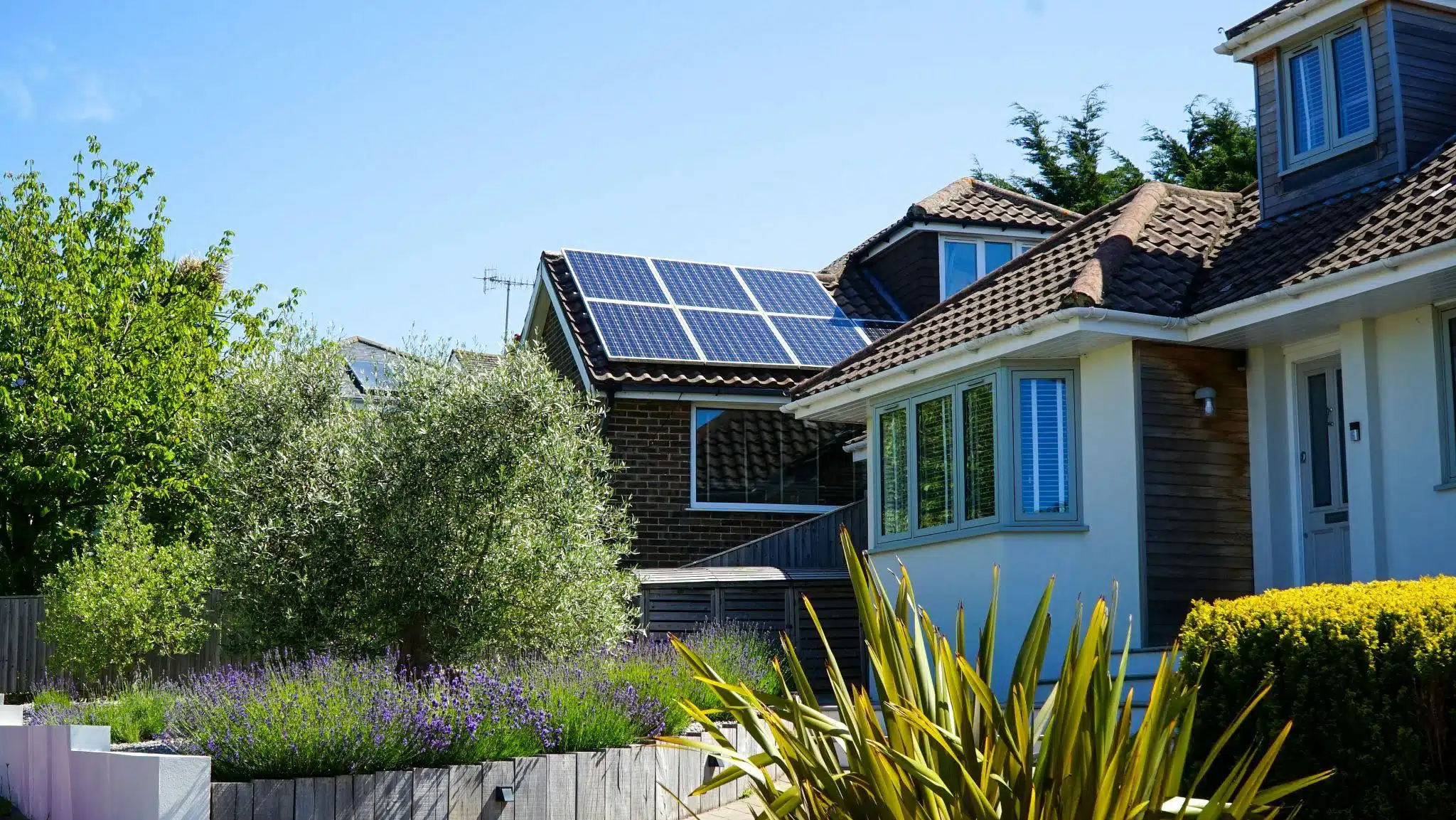
- Solar panels and other renewable systems
- Heat pumps and heat-pump water heaters (up to $2,000 per year). If you’re considering upgrading your current unit, you can review high-efficiency options here: fuseservice.com/water-heater/
- High-efficiency insulation, windows, and doors (up to $1,200 combined per year)
- Electrical panel upgrades installed alongside heat pumps (up to $600)
- Energy audits that assess efficiency improvements
These credits apply to primary residences across all U.S. states and can be claimed annually until the cumulative caps are reached.

Why Homeowners Should Act Before Energy Tax Credit Expiration
Completing projects now gives homeowners certainty and financial protection. It also shields you from the uncertainty that often comes with shifting government policies. Home energy incentives have changed multiple times over the past decade, and waiting for “the perfect moment” can sometimes mean missing the window entirely. We are not trying to be life coaches here, but what we can say for sure is that starting now, you lock in the renewable energy tax credit benefits under the current law — no surprises, no last-minute rush, and no risk of losing eligibility if rules change suddenly.
Early action also helps homeowners manage their budgets more efficiently. When a major program comes to its expiration, demand for qualified contractors and approved products goes off the charts which often drives prices higher and creates months-long installation backlogs. Scheduling your energy-efficient home improvements now guarantees that you’ll secure current pricing, availability, and rebate options before the market tightens.
To put it short, acting before energy tax credit expiration isn’t just smart planning — it’s a wonderful way to protect your household finances, maximize savings, and future-proof your home for the years ahead.
Here is a list of major benefits in upgrading your equipment today:
1. Lock in guaranteed savings.
A 30 % credit on qualifying work can mean thousands of dollars back when you file your federal taxes.
2. Avoid supply-chain delays.
Higher demand for heat pumps, solar systems, and insulation materials appears whenever credit deadlines approach. Acting early makes sure you have access to products and installation slots.
3. Reduce utility costs.
Upgrades like efficient HVAC systems and insulation can cut energy bills by 20–30 % just within the first year.
4. Boost property value.
Homes with energy-efficient systems typically cost more and sell faster — an amazing advantage if you plan to move or just sell your home in the next few years.
Steps to Claim Your Energy Rebates and Tax Credits
Taking advantage of these programs is easier than many expect. Fuse Service recommends the following approach:
Step 1: Plan your upgrades early.
Gather quotes and book installations well before the 2025 deadline.
Step 2: Check local and state incentives.
Many states — including California, New York, and Massachusetts — offer their own independent rebate programs that may continue even if federal credits end.
Step 3: Hire a certified contractor.
Only licensed professionals can provide the documentation needed for the IRS. Fuse Service’s certified team makes sure each installation meets all energy-efficiency requirements.
Step 4: Keep receipts and manufacturer certifications.
Save every invoice, model number, and efficiency label. You’ll need these to verify your claim when filing taxes.
Step 5: File forms with your federal tax return.
Your tax preparer will help calculate the exact credit amount based on eligible expenses.

The Fuse Service Advantage for Renewable Energy Tax Credit
As a trusted home-service contractor based in San Jose, CA, Fuse Service has helped thousands of homeowners upgrade to high-efficiency systems while maximizing federal and local incentives. We have also explained in detail how the OBBB will reshape the future — read the article on our website and book your free quote today.
Our specialists handle:
- HVAC replacements and heat pump installations
- Electrical panel and wiring upgrades
- Insulation and weatherization improvements
- Energy audits and documentation support
We stay current with every update from the IRS, Department of Energy, and state rebate programs, so our clients never miss a savings opportunity.
Once the Big Beautiful Bill becomes law, many current benefits could end. That’s why Fuse Service encourages homeowners to act in 2025 — not just for financial reasons, but to future-proof their homes against rising energy costs.
Looking Ahead: What Happens After 2025?
If nothing changes, the Energy Efficient Home Improvement Credit and Residential Clean Energy Credit will cease to exist and homeowners completing installations after December 31, 2025 might lose access to these credits altogether.
Either way, investing in energy-efficient home improvements remains one of the smartest long-term decisions a homeowner can make. From reducing monthly utility bills to increasing property value, efficiency upgrades deliver returns that extend far beyond any government incentive.