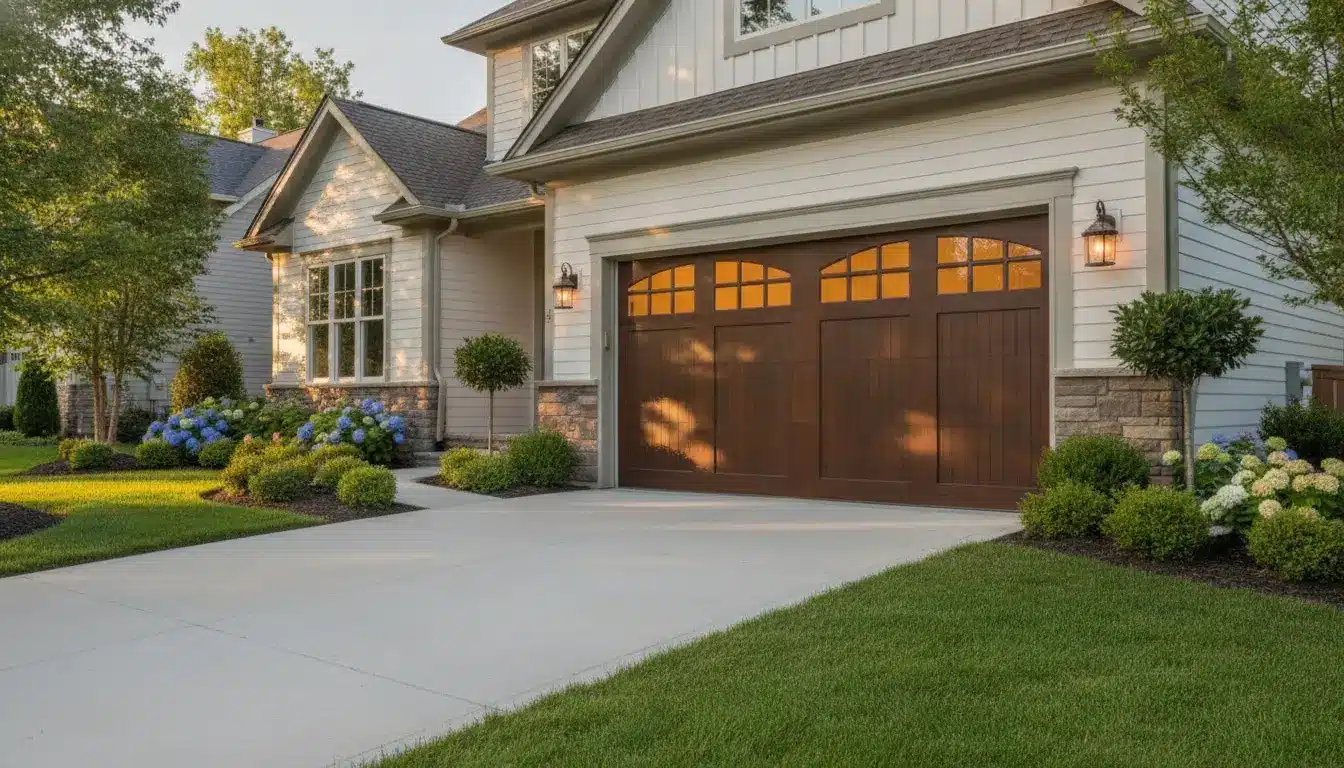

ADU construction in Tarzana offers homeowners a practical way to increase living space, accommodate growing families, and generate potential rental income without purchasing another property.
Whether the project involves converting an existing garage or building a detached backyard unit, successful property expansion requires careful planning, efficient construction practices, and reliable waste management.
Construction debris can quickly accumulate, creating obstacles for workers, restricting driveway access, and making the surrounding property difficult to maintain.
Combining lowboy dumpster rental with professional ADU construction in Tarzana helps homeowners manage these challenges while keeping property improvements organized from demolition through completion.
Why Tarzana Homeowners Are Investing in ADUs
Accessory dwelling units (ADUs) give homeowners greater flexibility in how they use their residential properties.
A homeowner with a spacious backyard, for example, might build a separate living space for aging parents who want to maintain their independence while remaining close to family.
Others may convert an underused garage into a rental apartment, private guest suite, or independent living space for an adult child.
The appeal extends beyond additional square footage, as a thoughtfully designed secondary dwelling can improve property functionality and potentially increase resale value.
However, achieving these benefits requires balancing architectural design, construction expenses, site accessibility, and efficient debris removal through solutions such as lowboy dumpster rental.
Choosing the Right Type of ADU
The existing property layout often determines which accessory dwelling unit design makes the most sense.
Detached ADUs provide greater privacy, while attached units offer convenient access to the main residence.
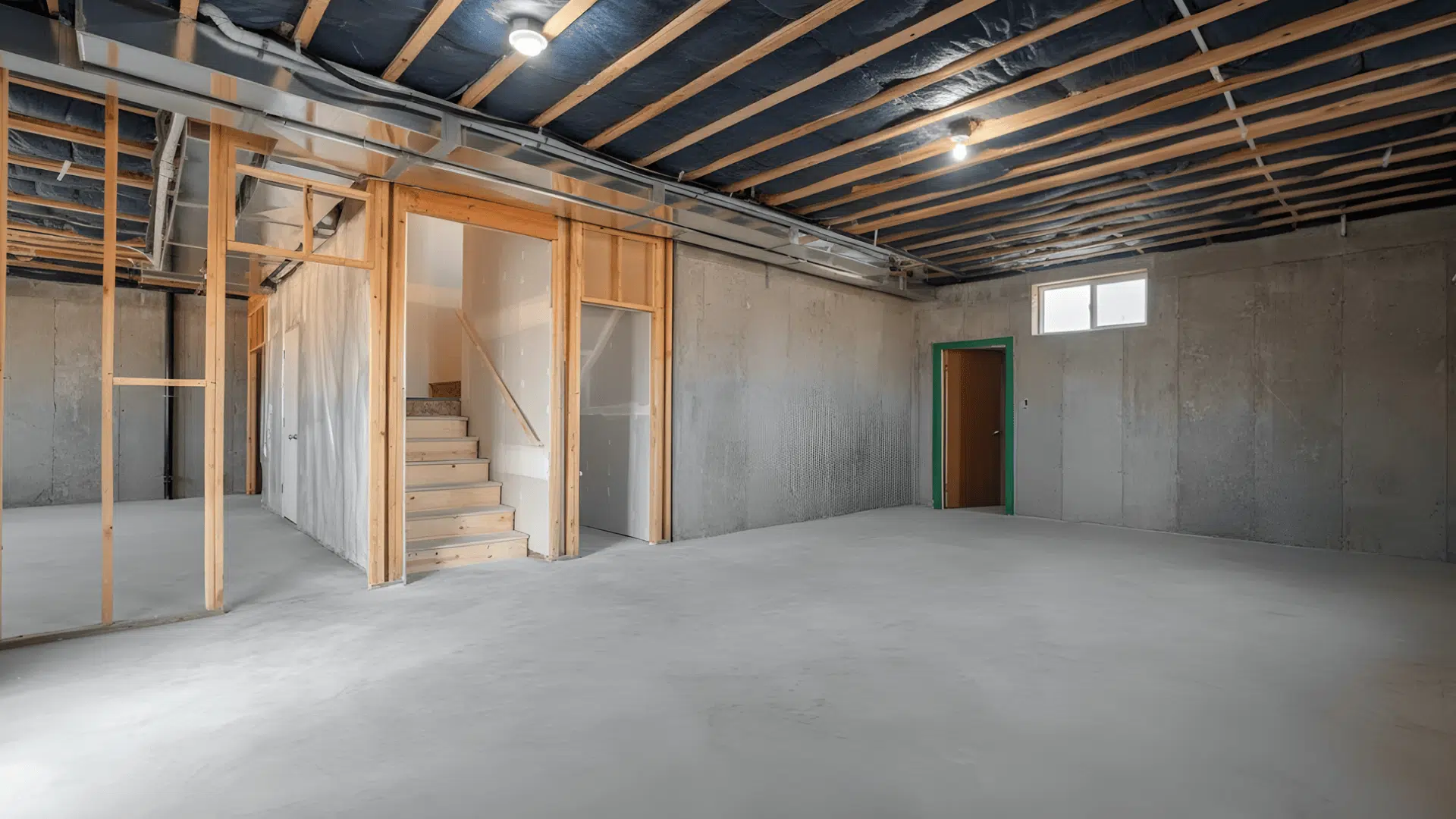
Garage conversions can make effective use of existing structures, although foundation improvements, insulation, plumbing, and electrical upgrades may still be necessary.
Homeowners should evaluate available outdoor space, utility connections, construction access, and applicable building requirements before finalizing their plans.
These decisions also influence the type and volume of construction waste generated throughout the project.
Understanding the Role of Lowboy Dumpster Rental
A lowboy dumpster is a waste container designed with relatively low sidewalls, making it easier to load heavy construction materials.
Unlike taller roll-off containers, lowboy dumpsters allow contractors to dispose of dense debris without repeatedly lifting materials over high container walls.
They are particularly useful for residential construction projects involving concrete removal, foundation excavation, masonry demolition, and landscaping preparation.
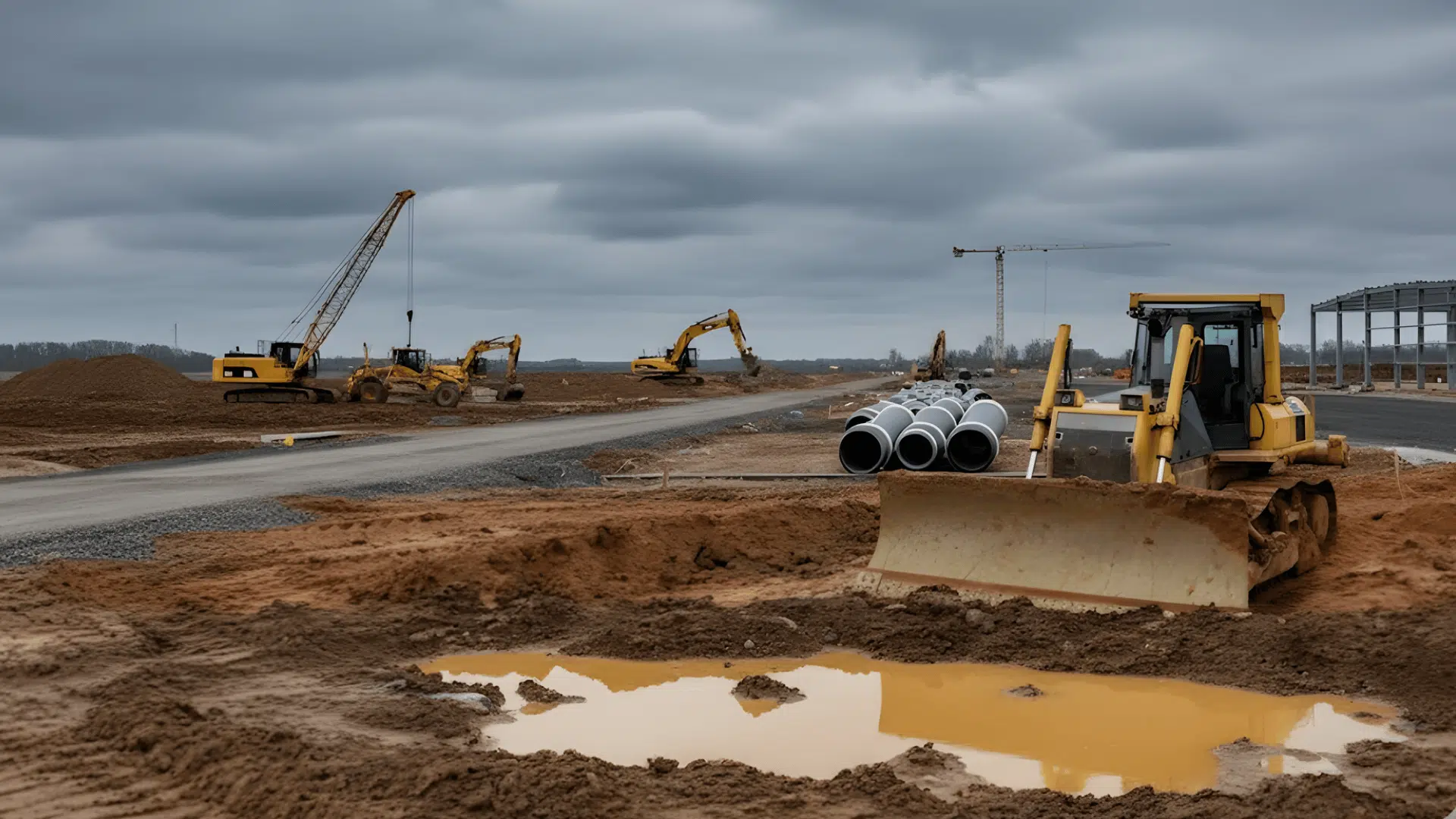
During an ADU project, contractors may need to remove an existing concrete driveway, break apart an outdated patio, or excavate soil for a new foundation.
A properly positioned lowboy container provides a convenient disposal solution that reduces unnecessary material handling.
Managing Heavy Construction Debris
Concrete, bricks, asphalt, dirt, and masonry are considerably heavier than ordinary household waste.
Placing these materials in an unsuitable container can create loading difficulties, exceed transportation weight limits, and increase disposal expenses.
Lowboy dumpsters are commonly used for dense construction debris because their design supports easier loading and controlled material placement.
Homeowners and contractors should confirm acceptable materials, weight allowances, and fill limits with the rental provider before loading begins.
Separating clean concrete from mixed construction waste may also create opportunities for material recycling.
How Efficient Waste Management Improves ADU Construction
Construction waste management deserves attention before the first demolition crew arrives.
Without a designated disposal area, broken materials can accumulate around foundations, walkways, landscaping, and active work zones.
Workers may spend valuable time moving debris between locations instead of completing scheduled construction tasks.
An organized waste removal strategy keeps the building site accessible and helps contractors maintain a more predictable workflow.
Creating a Safer Construction Environment
Residential construction sites present additional challenges when homeowners continue living in the main house during renovation.
Broken tiles, discarded concrete, protruding nails, and uneven debris piles can create hazards for residents, visitors, and construction workers.
Having an appropriately selected dumpster on-site encourages immediate disposal rather than temporary accumulation.
For example, a family undertaking a garage conversion can maintain clearer access to its main entrance when demolition debris is collected in a designated container.
Regular waste removal also helps prevent debris from interfering with equipment deliveries and subsequent construction activities.
Reducing Construction Delays
Property expansion projects involve multiple contractors working within specific schedules.
Foundation specialists, plumbers, electricians, framing crews, and finishing contractors frequently depend on earlier construction stages being completed before beginning their work.
If demolition debris blocks access to the building area, subsequent tasks may need to be postponed.
Scheduling dumpster delivery and collection around major construction milestones helps minimize these interruptions.
Planning ADU Construction Around Available Property Space

Many residential properties in Tarzana have established landscaping, existing driveways, mature trees, and outdoor entertainment areas that homeowners want to preserve.
Introducing construction equipment and waste containers without considering these features can create unnecessary property damage.
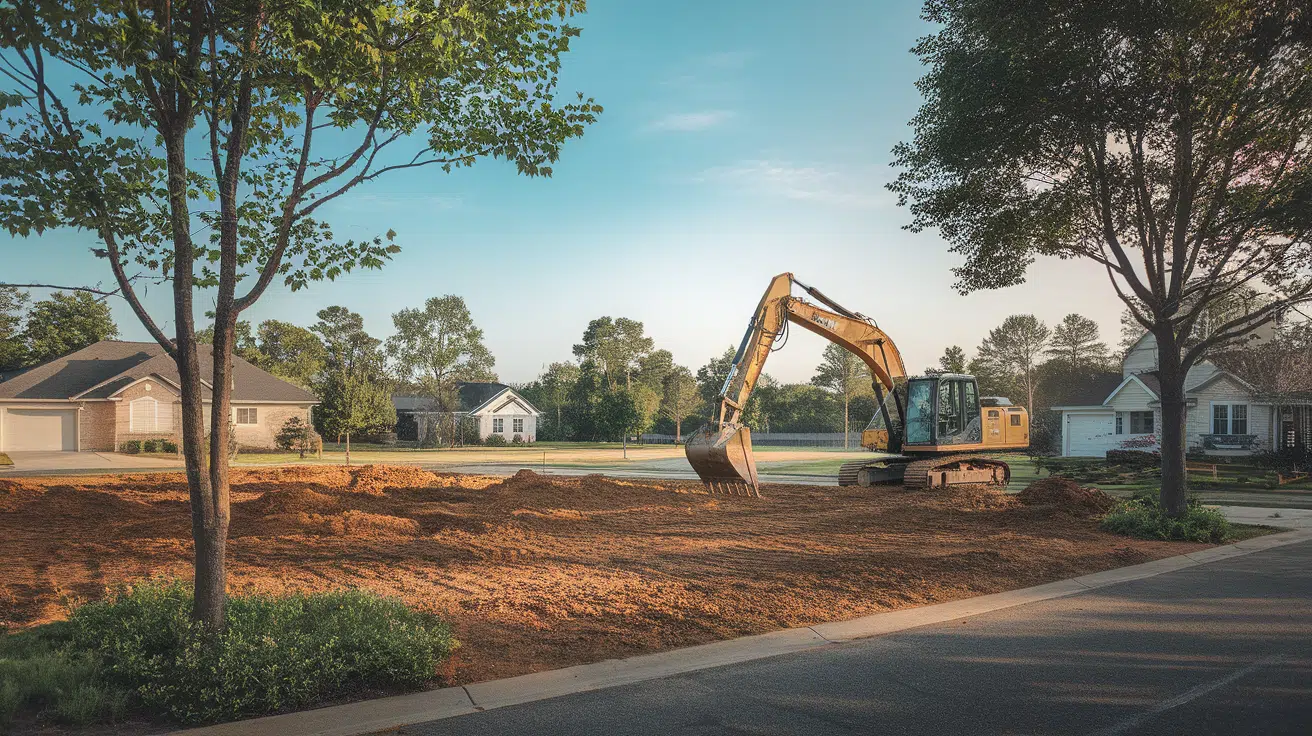
Before construction begins, contractors should identify suitable locations for material storage, equipment access, and dumpster placement.
A level, accessible surface with sufficient clearance for delivery and collection is generally preferable.
Protective measures may also be necessary when placing heavy containers on finished driveways or decorative paving.
Maintaining Access During Property Expansion
Consider a homeowner building a detached accessory dwelling unit behind an occupied primary residence.
If the driveway serves as the only access point for construction equipment, placing a dumpster directly across it could complicate material deliveries and daily household activities.
Coordinating container placement with the construction team helps maintain practical access without sacrificing efficient debris collection.
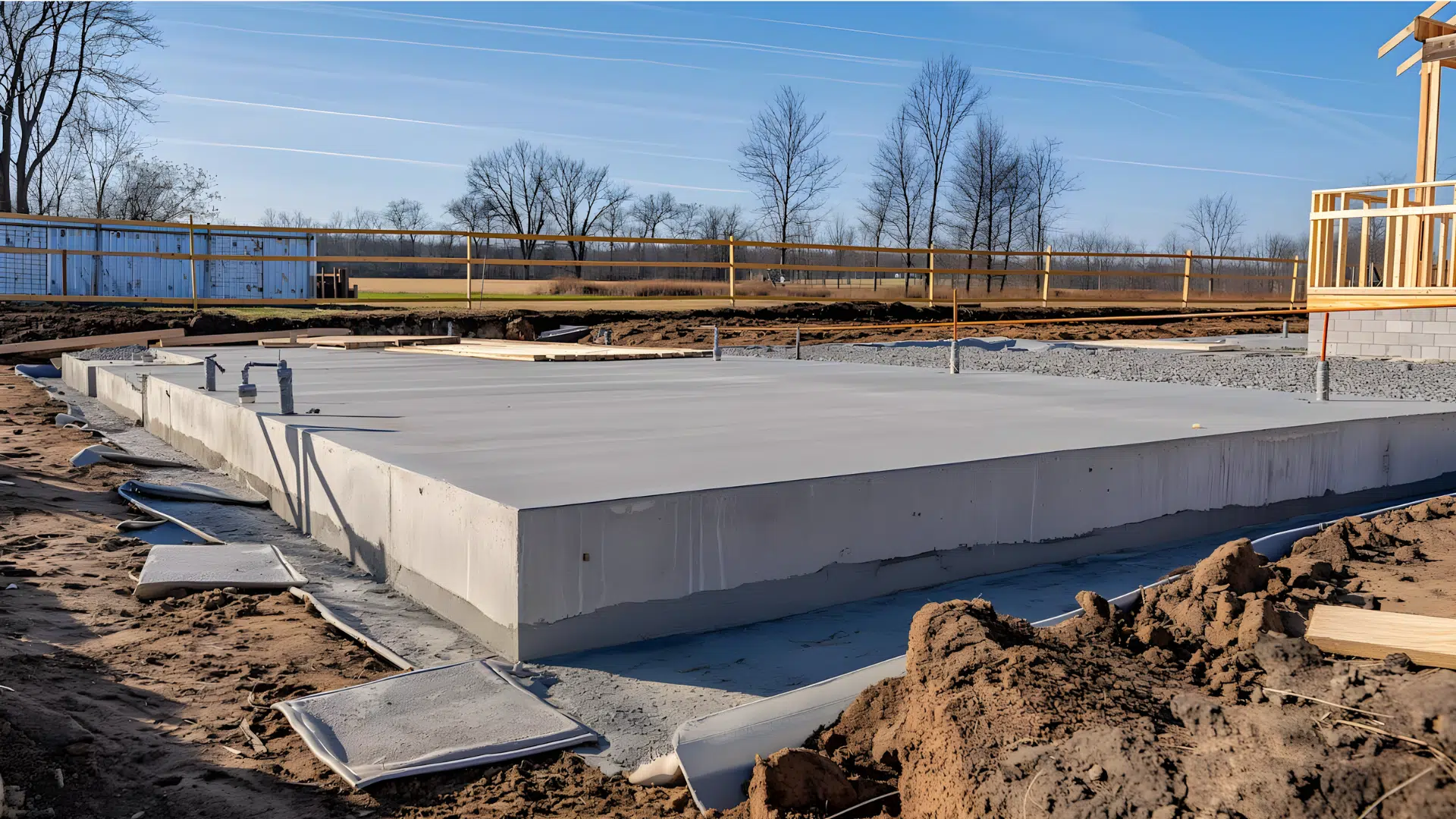
This becomes particularly important during foundation work, when excavation equipment, concrete deliveries, and waste removal may occur within a relatively short period.
Controlling Property Expansion Costs Through Better Planning
Building an accessory dwelling unit represents a substantial financial commitment, making expense management an important part of the planning process.
Homeowners often concentrate on architectural plans, building materials, labor, and interior finishes while overlooking construction waste disposal costs.
Unexpected hauling expenses, additional container rentals, and overloaded dumpsters can gradually increase the overall project budget.
Estimating debris quantities before demolition allows contractors to select suitable containers and establish a realistic waste removal schedule.
Selecting the Appropriate Dumpster Size
The largest available dumpster is not necessarily the most economical choice for every construction project.
A garage conversion involving limited concrete removal may require a different container capacity than a detached ADU requiring extensive excavation and foundation preparation.
Material density, available placement space, and transportation weight restrictions should guide container selection.
Requesting a clear breakdown of rental charges, disposal fees, weight allowances, and collection terms can help homeowners avoid unexpected expenses.
Supporting Environmentally Responsible Construction Practices
Property expansion does not have to result in unnecessary landfill waste.
Many construction materials, including concrete, metal, asphalt, and certain types of wood, can potentially be recovered through appropriate recycling facilities.
Separating recyclable materials during demolition makes responsible disposal easier and may reduce contamination between waste categories.
Concrete debris, for instance, can sometimes be processed into recycled aggregate for future construction and infrastructure applications.
Contractors should coordinate with waste management providers to identify suitable recycling options and follow applicable local disposal requirements.
Building a More Functional Property With Fewer Complications
A successful accessory dwelling unit project depends on more than attractive architectural plans and quality building materials.
Site preparation, construction logistics, contractor coordination, and reliable debris removal all contribute to a smoother property expansion experience.
Lowboy dumpster rental addresses the practical challenges of handling heavy construction waste, while thoughtful ADU planning helps homeowners maximize their available space.
By incorporating waste management into the initial construction strategy, homeowners can reduce disruptions, protect existing property features, and maintain better control over project expenses.
The result is a more organized construction process that supports the creation of comfortable, functional living spaces designed around changing household needs.