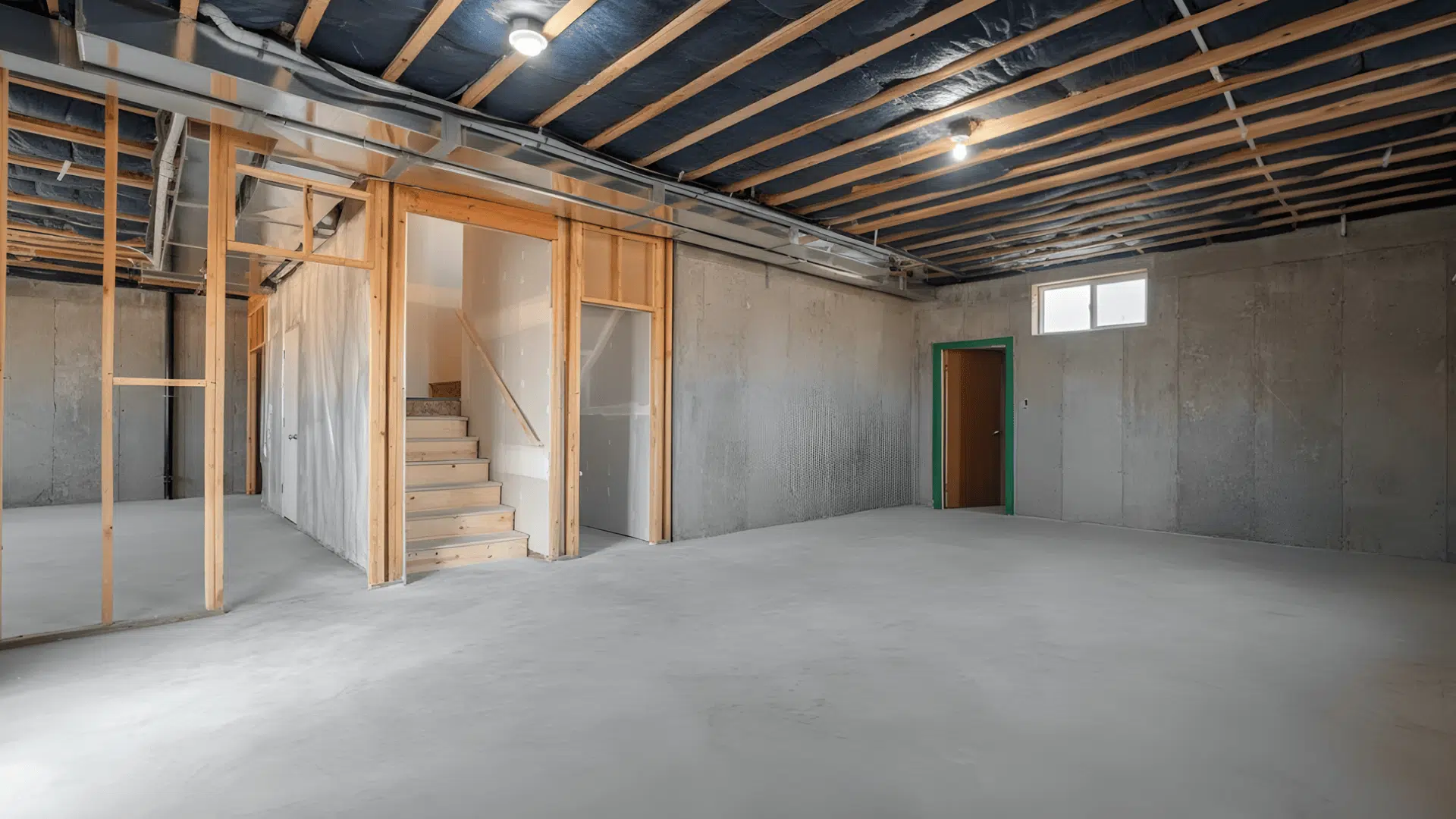
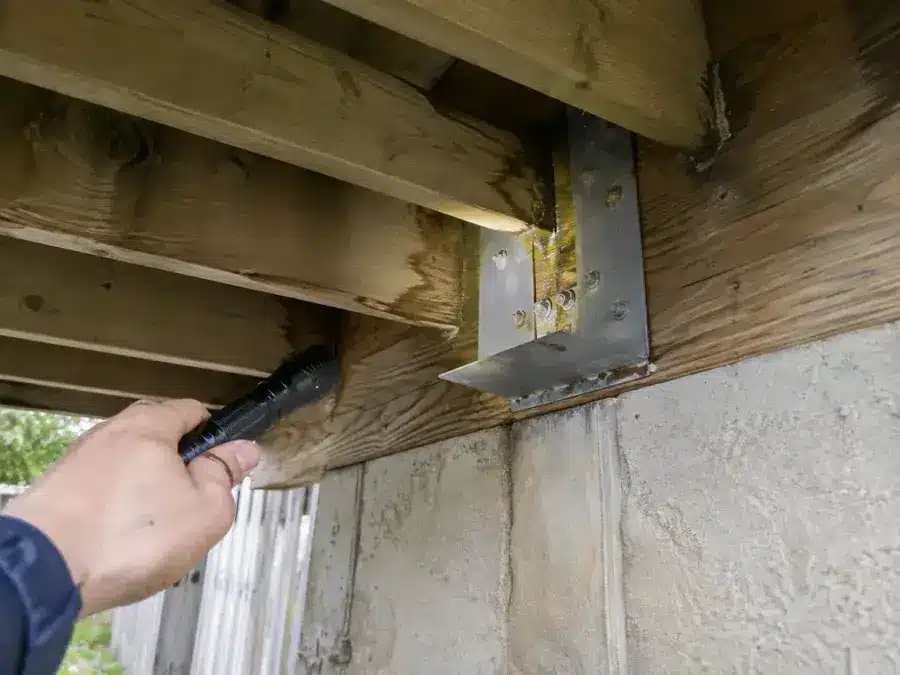
The inspection itself is the shortest part of the process. An inspector arrives and works through the elevated elements. Readings get taken. Probes go in where the readings warrant it. Then the inspector leaves. On most Bay Area properties that is a day, sometimes two.
Everything expensive sits on either side of that visit. Buildings lose time for dull reasons. Access was not arranged. Records could not be found. The report arrived and nobody knew what to do with it. D&B treats the surrounding weeks as part of the job rather than as the client’s problem. The scope for that work sits at https://www.decksandbalcony.com/inspections/ . The visit goes smoothly when the preparation did.
The Visit Is the Short Part
California requires inspection of exterior elevated elements on a fixed cycle. Rentals of three or more units fall under SB 721 every six years. Association-managed condominiums fall under SB 326 every nine. San Francisco layers its own Section 604 requirement on top of state law. Both state deadlines have already passed. Penalties under SB 721 run from $100 to $500 per day per building.
What happens on the day is straightforward enough. Every element gets assessed visually and by probe. Each is then documented on its own, with photographs and a condition rating. Framing, joists and beams. Posts, footings and base connections. Ledger attachment and flashing. Fasteners, hangers and connectors. Surface, coating and drainage. Guardrails, checked against the 42-inch height and 4-inch infill spacing.
What makes that day take twice as long is almost never the building.
What Makes the Bay Area Different
Two things complicate inspections across this region. The first is that both state laws run side by side here. Rental buildings and association-managed condominiums sit within blocks of each other in Oakland, San Jose and along the Peninsula, so a single portfolio often carries a six-year calendar and a nine-year one at the same time.
The second is the city line. A building inside San Francisco answers to Section 604 on top of the state requirement. An otherwise identical building across the county boundary answers to one requirement rather than two. Owners find that out at the worst possible moment if nobody checked.
Sites are also tighter here than in the valleys. Street parking, no staging space and a lift that needs somewhere legal to stand all shape the day.
What to Have Ready Before Anyone Arrives
Preparation is unglamorous, and it saves more time than anything else here.
- A list of every elevated element by type and location, so nothing gets missed or counted twice.
- Keys, gate codes and lift access arranged in advance, including locked utility areas.
- Notice to residents, since access through units is sometimes the only route to a balcony.
- Prior reports and repair records from the last cycle. They tell the inspector what was already found.
- Balconies cleared of furniture, planters and stored items, at least on the day.
- A named contact who can answer questions on site and make small decisions.
Access Is the Thing That Goes Wrong
Almost every delayed inspection comes down to a door somebody could not open. A tenant not home. A gate code that changed. A balcony reachable only through a unit that was never notified.
The cost is not the lost hour. It is the return visit. That has to be scheduled around the same tenants and the same crew availability.
Notice periods are worth respecting for their own sake. Residents who get a week’s warning tend to clear their balconies. Residents who get a knock on the door tend not to. An inspector cannot assess a surface under a storage box and a barbecue.
Probes Leave Holes, and the Holes Are Part of the Job
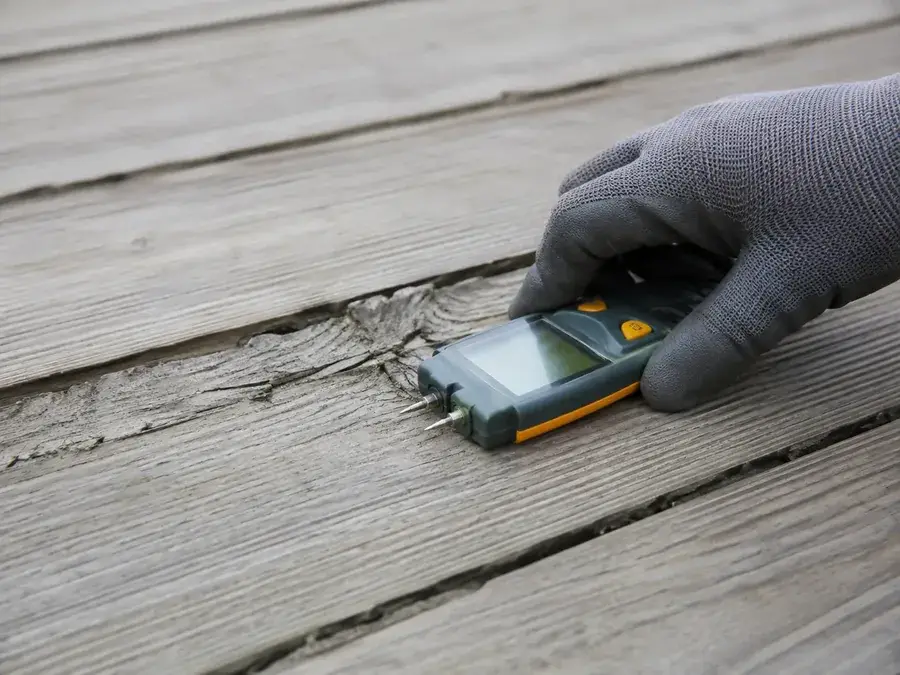
Inspection is visual and probe-based. Small openings get made where the surface hides something. Owners expecting a purely visual walk-through are often surprised.
Those openings have to be closed properly. A probe hole through a waterproofing membrane is a route for water. Making good afterward belongs in the scope of the inspection, not in a later invoice.
Where the findings point deeper, the assessment changes character. Sagging framing, failed connections, widespread rot or corroded concrete all move the question past what a probe can answer. An engineer-grade review then quantifies the load risk and specifies the retrofit.
Bundling the Repairs, or Not
Owners frequently ask whether the same firm should inspect and then repair. Both arrangements exist and both are defensible.
Separating them gives a report with no commercial interest attached to the findings. Some boards prefer exactly that. Bundling them means the assessment work is not repeated, the findings translate straight into a scope, and one license carries responsibility from the reading to the repair.
The practical position is to decide deliberately rather than by default. Ask each firm which model it is offering and price both.
Reading the Report You Get Back
A certified report arrives in the format the law and the insurer require. It lists elements, records condition, and identifies what needs repair.
Most people read the summary and file the rest. Read it for three things instead. Which elements were opened and which were only viewed. What condition each element was given, rather than the summary at the front. And what it says about elements nobody could reach. Those become next cycle’s surprise.
The photographs matter as much as the text. Six or nine years from now they are the only record of what the framing looked like before it closed up again.
What the Report Does Not Do
Reports get treated as an endpoint. They are a snapshot with a date on it. Several things they do not settle at all.
- They repair nothing. The clock on the findings starts when the report is issued.
- They do not decide who pays, which is a question of ownership and governing documents.
- They do not cover elements that were inaccessible on the day.
- They do not stay current, since a report describes the building as it was.
- They do not transfer themselves to the next management company.
- They do not replace the maintenance that keeps the next report short.
Who Pays Comes Before the Repair
On a rental property the answer is usually simple. On association-managed property it is not. The allocation depends on how the governing documents classify the element and on the association’s own structure.
That question is worth settling before the repair scope goes out, not after. Boards that resolve it early can approve work in stages against a schedule. Boards that resolve it late spend a cycle discussing it while the findings sit open.
The Years Between Cycles
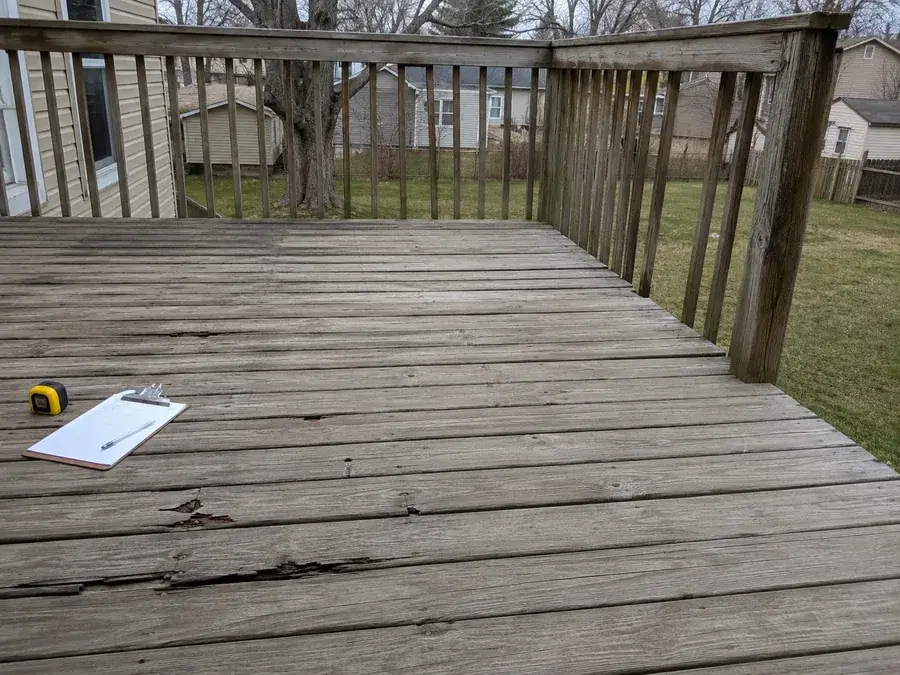
Six or nine years is long enough for a building to change managers twice. The compliance file has to survive all of that.
Keep the report, the photographs, the repair documentation and the updated element list together. Hand them over as a set when management changes. A property that does this hands the next inspector a starting point. A property that does not pays for the same discovery work twice.
Book the Preparation, Not Just the Visit
The difference between a smooth inspection and a difficult one is almost entirely administrative. Access, notice, records and a cleared balcony. None of it is technical, and all of it decides how the day goes.
D&B Construction schedules inspections around residents and boards rather than its own calendar. Scope gets confirmed before the visit. A certified report follows, with a repair plan where one is needed. Keeping the inspection and any resulting repairs under one licensed contractor typically saves fifteen to twenty-five percent. The assessment work simply does not get done twice.