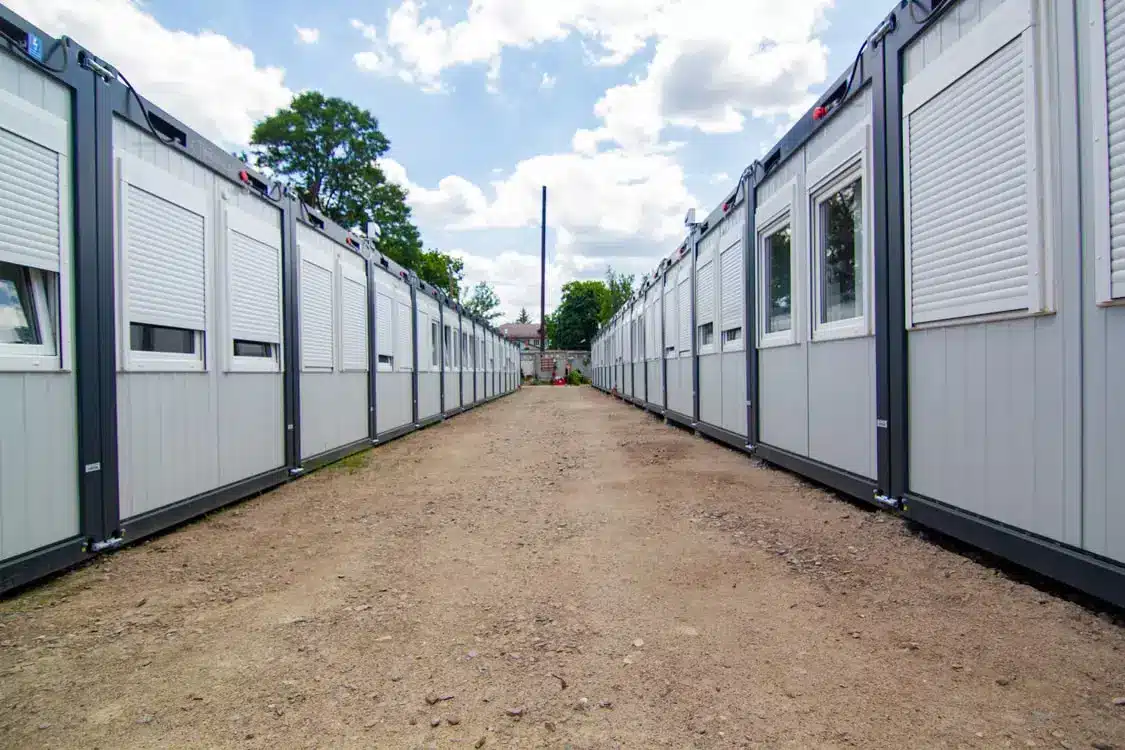
Faster job-site operations start with understanding where delays already exist. A well-run job site does not happen because everyone works harder. It happens because the right information reaches the right person at the right moment.
Construction operations managers face constant pressure to accelerate without disrupting active crews or introducing confusion into handoffs that are already tight. The seven habits below build on each other deliberately, since process comes first, tools second, and nothing gets added until the previous layer is stable.
1. Map Delays Before Buying
Before evaluating any software or process change, spend one week documenting where slowdowns actually occur. A recent government analysis of major construction projects found that poor initial planning contributed to 26 percent of delays lasting over a year.
Focus on four specific categories: dispatch timing, material arrival windows, equipment changeovers, and crew handoffs. The observation method only requires a shared document or whiteboard where supervisors note recurring time gaps.
The output is a delay log organized by category that shows immediate value. Consider a materials truck arriving during peak equipment changeover, which creates a 40-minute backup repeating every time the schedule aligns.
A one-week observation catches that pattern before any capital is spent. Buying technology before mapping these gaps usually misses the root cause entirely.
2. Use Phased Rollouts
Once the delay map exists, introduce one operational change at a time. Start with the category showing the highest frequency during the initial observation week. Avoid scheduling these changes during confirmed critical delivery windows or high-traffic crew handoff periods, as disrupting those phases compounds existing problems.
Give crews a single authoritative reference point, like a digital board or a dispatch log, while eliminating parallel systems that compete for attention. This targeted approach isolates what actually works while causing far less disruption to the active job site.
3. Review Existing Machine Attachments
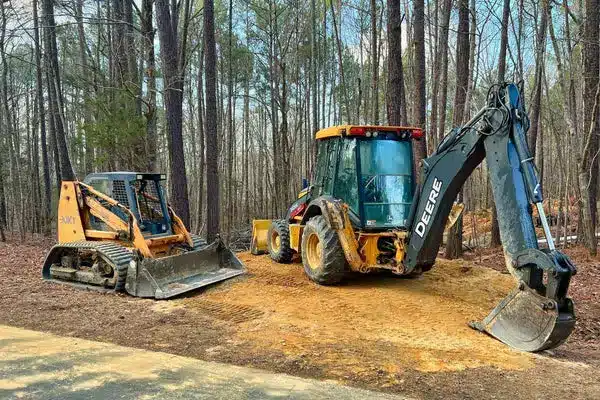
Reviewing attachment configuration before a phase begins prevents changeover delays that compound across the schedule. Equipment readiness often hides operational gaps before a new project phase begins. A skid steer used for grading one week may require a completely different setup for backfill work the next.
Discovering this mismatch after the phase starts creates changeover delays that ripple through the entire schedule. Making attachment review a pre-phase checklist item prevents crews from scrambling while on the clock.
Review whether existing machines carry the right serviceable attachments for each upcoming task before mobilization. When a Caterpillar skid steer needs additional capability for an upcoming phase, sourcing aftermarket Caterpillar skid steer attachments from HW Part Store provides one practical way to expand a machine’s utility.
Always confirm fitment against the specific machine model and configuration before ordering, treating the sourcing review as a core part of your pre-phase verification process.
4. Strengthen Voice Communication
Delayed deliveries and missed handoffs frequently stem from communication failures rather than logistics issues. A dispatcher failing to reach a site supervisor during an active delivery window, often because crews rely on fragmented text threads across personal cell phones, creates preventable delays. The structural fix requires a dedicated voice channel connecting site supervisors, dispatch, and drivers to a reliable communication anchor.
Business-grade VoIP phones placed at fixed site positions and the dispatch desk eliminate the dependency on personal devices. For operations keeping hardware costs in check, relying on PCLiquidations’ refurbished VoIP phones for operations offers a tested and warrantied option at a fraction of new hardware prices. This approach secures reliable job-site and trailer communications without requiring a massive capital equipment budget.
| Key Insight: Delayed deliveries and missed handoffs are more often communication failures than logistics ones. A dedicated, shared voice channel between dispatch, site supervisors, and drivers eliminates dependency on personal phones and fragmented texts. |
5. Digitize Assigned Documents
Bills of lading, daily inspection records, and equipment-service notes routinely scatter across paper clipboards, email inboxes, and individual memory. All three of these sources fail under shift-change pressure, so digitizing those records creates a searchable file that survives crew rotations without losing critical history. A shared cloud folder with a consistent file-naming convention outperforms complex apps that staff refuses to update.
Assign strict ownership for every document type by defining who enters it, who reviews it, and where it lives. Start with the document causing the most retrieval friction in the current workflow, such as the inspection records supervisors spend hours hunting down. Fixing the most frustrating paperwork bottleneck first makes it easier to extend the same habit to other document categories.
6. Measure Downtime Accurately
Three specific data points provide the clearest operational signal: equipment downtime, missed handoffs, and delivery exceptions. These metrics map directly to the delay categories established during your initial mapping phase, meaning the weekly tally already has a structure. Review these numbers at a short supervisor check-in each week to spot recurring patterns.
Apply a simple decision rule for any new process. If downtime drops after a change, keep the new method, but if metrics stay flat or increase after two weeks, remove the change entirely. The original delay log serves as the baseline against which every subsequent improvement is measured, creating a closed loop where observation feeds measurement and measurement validates observation.
| Important: If equipment downtime stays flat or increases after two weeks of a change, remove it before it becomes permanent. Use the delay log from Habit 1 as your baseline for comparison. |
7. Train One Crew First
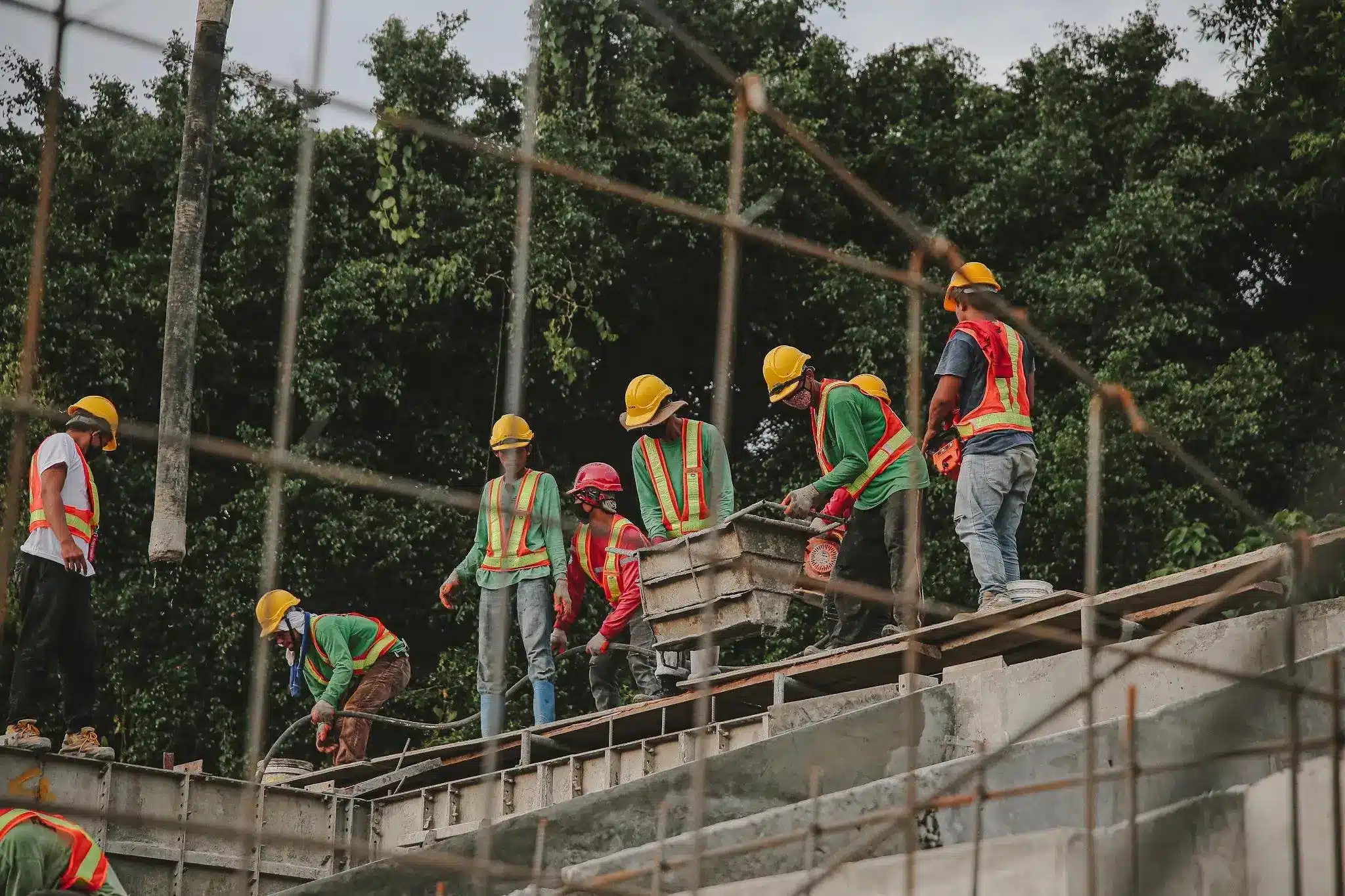
Crew-by-crew training allows supervisors to collect specific feedback before scaling any process change site-wide.
Site-wide training often fails because it treats all crews as identical, ignoring the reality that handoff patterns, equipment assignments, and communication needs vary across different site zones. Train one specific crew first, collect feedback on what slowed them down, refine the process based on that input, and then expand to the next group. This sequential rollout protects the rest of the site from an untested change while the pilot crew works out the friction points.
Lock in processes that demonstrably improve safety or throughput and keep everything else adaptable. Use the downtime and exception metrics to validate whether training produces measurable results before scaling it across the entire project. Training reinforces the equipment readiness and communication habits already established rather than substituting for them.
The Bottom Line
These seven habits build sequentially to protect active workflows. Delay mapping creates the baseline, phased rollouts protect active deliveries, and pre-phase attachment reviews ensure machines match the task before changeovers stall the schedule.
Structured voice communication through dedicated hardware creates a stable operational anchor, while digital documentation with clear ownership locks in the right information. Measuring downtime and training crew-by-crew ensures upgrades actually work in the field.