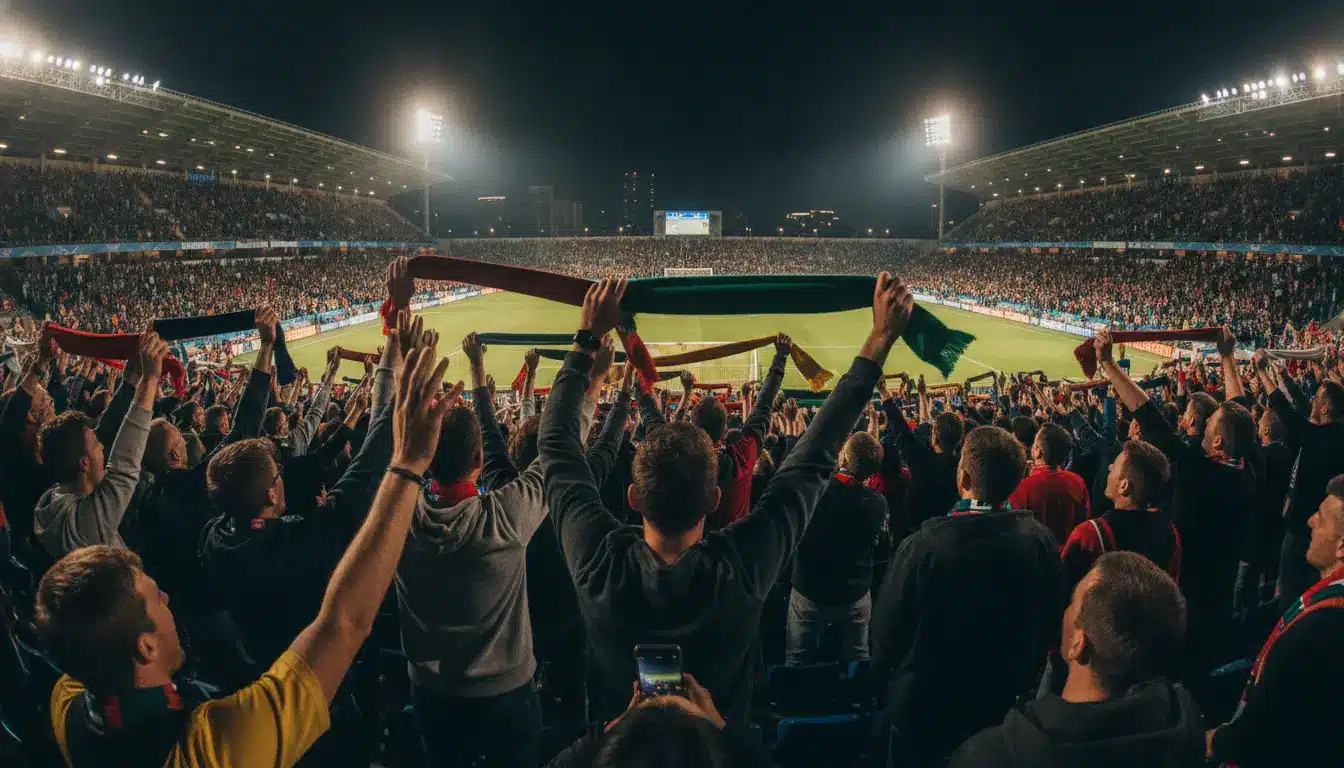
Football fan culture has evolved dramatically. In the past, many of its most visible expressions were concentrated inside stadiums: chants, banners, scarves, celebrations, and match-day rituals. Today, those traditions still matter, but they now exist alongside an enormous digital culture.
Fans express their passion through videos, comments, memes, online discussions, live reactions, and virtual communities. Supporting a club is no longer limited by geography or by the 90 minutes of a match. Digital platforms have turned football fandom into an activity that can continue throughout the entire day.
Understanding this transformation means looking at how technology has changed not only where supporters interact, but also how they communicate, celebrate, create content, and build communities.
How Fan Culture Moved Into the Digital World
Digital platforms have redefined how supporters express their passion. Stadiums were once the main gathering places for large groups of fans, but online spaces now allow similar communities to exist regardless of physical location.
A supporter in Syria can discuss a European match with someone thousands of kilometers away while the game is still being played. Fans can react instantly to goals, controversial decisions, substitutions, and other important moments.
Sports platforms have developed alongside this transformation. Supporters can use MelBet to access sports-related information and services from their phones. Platforms such as MelBet combine results, statistics, and other features within a single digital environment, reflecting the broader movement toward mobile football consumption.
The biggest difference is continuity. Traditional fan activity was often concentrated around match day. Digital fandom rarely stops. Discussions can begin days before kick-off and continue long after the final whistle.
The Main Features of Digital Fan Culture
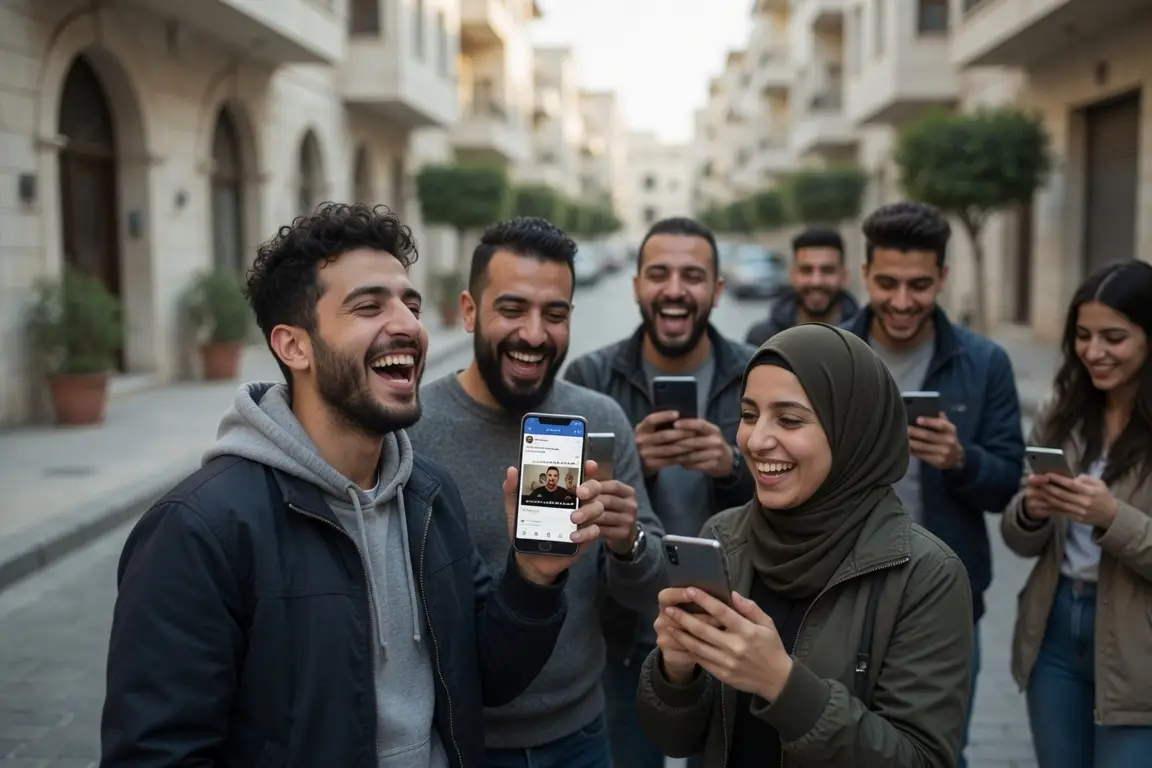
Modern football fandom has developed characteristics that were far less prominent before social media and mobile platforms became widespread. These features show how deeply digital communication has become integrated into the supporter experience.
- Visual content gives fans new ways to express their passion through photos, videos, graphics, and memes.
- Instant sharing allows important moments to become collective celebrations within seconds.
- Digital communities connect supporters of the same club regardless of where they live.
- Live interaction creates continuous discussion throughout matches.
- Fan-created content allows ordinary supporters to become active participants in football media.
Social networks are particularly important in this environment. Supporters interested in platform and sports-related updates can follow MelBet Instagram Syria, where different forms of sports and promotional content may be published. Betting-related services that appear around sports content should be viewed as optional entertainment rather than as a guaranteed way to make money.
Together, these features have transformed football fandom from something predominantly local into a culture capable of operating simultaneously at local and international levels.
Digital Feature | How It Changes Fan Culture |
Visual content | Creates new forms of supporter expression |
Instant sharing | Enables collective celebrations in real time |
Digital communities | Connects supporters across different locations |
Live interaction | Keeps fans involved throughout the match |
Fan creativity | Turns supporters into content creators |
Digital platforms also preserve football memories. A memorable celebration, chant, banner, goal reaction, or fan-created video can remain online for years.
This creates a kind of digital archive of supporter culture. Younger fans can discover moments they never experienced live, while older supporters can revisit important periods in their club’s history.
The Role of Digital Communities in Modern Fandom
Online communities have become one of the central elements of modern football culture. Shared support for a club gives people an immediate reason to communicate even when they come from completely different backgrounds.
These communities can take many forms. Some are enormous international groups, while others focus on a particular city, language, player, or local supporters’ club. Their size matters less than the sense of belonging they create.
The conversation is also much more continuous than traditional match-day interaction. Supporters discuss transfers, tactics, injuries, historical matches, kits, stadium developments, youth players, and countless other topics between fixtures.
Digital communities have also produced new forms of creativity. Match-day graphics, reaction videos, memes, fan podcasts, tactical threads, illustrations, and edited highlights allow supporters to contribute their own interpretations of football culture.
This means that fans are no longer simply consumers of sports media. Many have become creators themselves.
A supporter with a smartphone can publish a reaction immediately after a match. Another might produce detailed tactical analysis. Someone else may design graphics or create humorous videos about a rivalry. Successful fan creators can eventually build audiences comparable to those of traditional sports publications.
Direct interaction has changed as well. Clubs and players can communicate with supporters through social media without relying entirely on newspapers or television broadcasters. Fans can see training photographs, interviews, announcements, and behind-the-scenes material almost immediately.
This creates a stronger sense of proximity between supporters and clubs. The relationship may still be mediated through a screen, but it feels considerably more immediate than traditional one-way sports media.
How Digital Platforms Change Match-Day Rituals
Digital technology has not eliminated traditional football rituals. Instead, it has added another layer to them.
A supporter might wear a club shirt, meet friends, watch the match, and sing familiar chants just as previous generations did. At the same time, that person may check the starting lineup on a phone, post a photograph before kick-off, discuss a referee’s decision online, and share a celebration after a goal.
The physical and digital experiences therefore increasingly overlap.
This is particularly visible during major tournaments and important club matches. A single event can produce millions of simultaneous reactions across social networks. Memes, videos, statistics, commentary, and fan reactions appear almost immediately.
The result is a second digital stadium surrounding the physical one. Most participants are not sitting in the same place, but they are reacting to the same event together.
Football Fandom Without Geographic Borders
Digital communities have also changed what it means to be a “local” supporter.
Historically, supporting a club was strongly associated with geography. Local identity remains extremely important, particularly for clubs deeply connected to particular neighborhoods or cities. However, major clubs now have supporters scattered across continents.
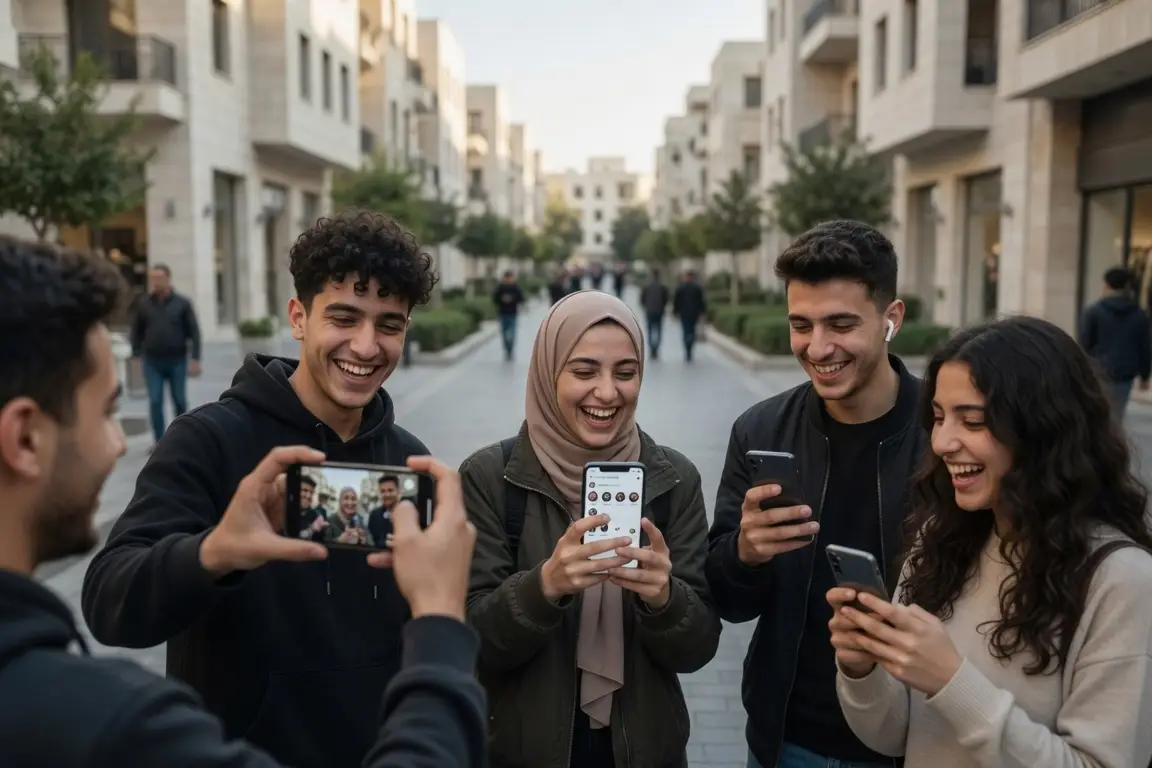
A fan living thousands of kilometers from a stadium can watch every match, participate in supporter groups, learn chants, follow academy players, and discuss club politics daily.
This internationalization creates interesting cultural exchanges. Supporters encounter traditions from other countries and discover different ways of celebrating football.
At the same time, digital platforms can help local fan cultures reach wider audiences. A distinctive chant, banner, celebration, or match-day tradition can suddenly become visible internationally.
Instead of eliminating local identity, the internet can therefore amplify it.
Entertainment and Responsibility in the Digital World
The digital football ecosystem sometimes overlaps with betting and online gaming. These activities should be treated as optional entertainment and not as reliable sources of income.
Football remains unpredictable. Statistics, expert opinions, historical results, and live data may provide additional information, but they cannot guarantee what will happen next.
Adults who choose to participate in betting should consider setting clear limits on both spending and time. Responsible-gambling features such as deposit limits, session reminders, cooling-off periods, and self-exclusion can provide additional safeguards where available.
Local laws and age restrictions also matter. Users should check the regulations that apply in their jurisdiction and use only services legally available to them.
Digital awareness is equally important outside betting. Fans should be cautious with suspicious links, fake giveaways, impersonation accounts, and misinformation. The speed of social media makes incorrect information easy to spread, particularly during transfer windows or major tournaments.
How Fans Can Benefit From Digital Culture
Digital culture gives supporters more opportunities than ever to participate in football communities. A few habits can make that experience more useful and enjoyable:
- Join communities that share your interest in a favorite team or competition.
- Create and share football content in a respectful and original way.
- Celebrate important moments with other supporters online.
- Check the source of news before reposting it.
- Respect different clubs, cultures, and supporter traditions.
Over time, participating in these spaces can broaden a fan’s understanding of football. Supporters encounter different tactical opinions, club histories, traditions, and ways of experiencing the sport.
This can turn a predominantly local perspective into a more international one without requiring someone to abandon their own football identity.
The healthiest digital fan communities preserve this diversity. They allow supporters to disagree, joke about rivalries, and passionately defend their clubs while maintaining basic respect for other people.
The Future of Fan Culture in the Digital Era
Digital platforms are clearly changing football supporter culture, but they are not replacing its traditional foundations. Stadium chants, scarves, banners, rivalries, family traditions, and match-day gatherings remain central to the game.
Technology adds another dimension. It allows those traditions to travel further, gives supporters new creative tools, and makes communities accessible to people who may live far from the clubs they follow.
For supporters in Syria and elsewhere, football culture can now exist simultaneously in stadiums, homes, cafés, group chats, social networks, and dedicated digital platforms.
The future of fandom will therefore probably not be exclusively physical or digital. It will be a combination of both. The tools may continue changing, but the fundamental reason people use them remains remarkably familiar: supporters want to share the excitement, frustration, identity, and sense of belonging that football creates.