Delays, damaged shipments, and missed updates can quickly disrupt logistics operations.
The problem is often simple: you do not have the right information at the right time. So, what is IoT in logistics, and how can it help? I’ll explain how connected sensors, trackers, vehicles, and warehouse equipment collect useful data and support faster decisions.
You’ll learn how IoT improves shipment tracking, cold chain monitoring, fleet management, inventory control, and maintenance planning. I’ll also cover common challenges, including connectivity, cybersecurity, and system integration.
By the end, you’ll understand where IoT fits into logistics and how it can solve practical problems.
Understanding IoT in Logistics
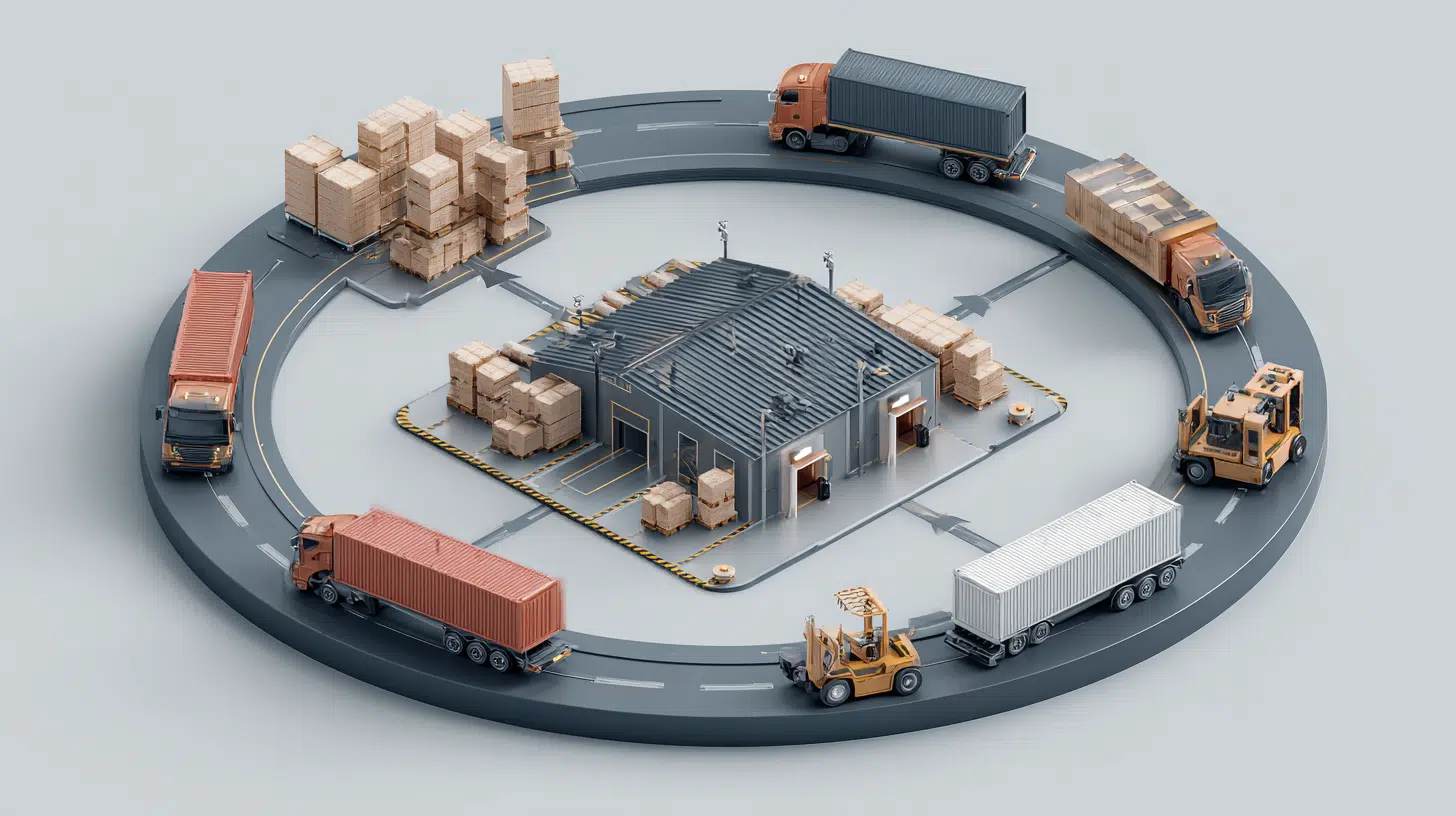
IoT stands for Internet of Things. In logistics, it refers to connected devices that collect information from shipments, vehicles, warehouses, and equipment and send that information to software platforms.
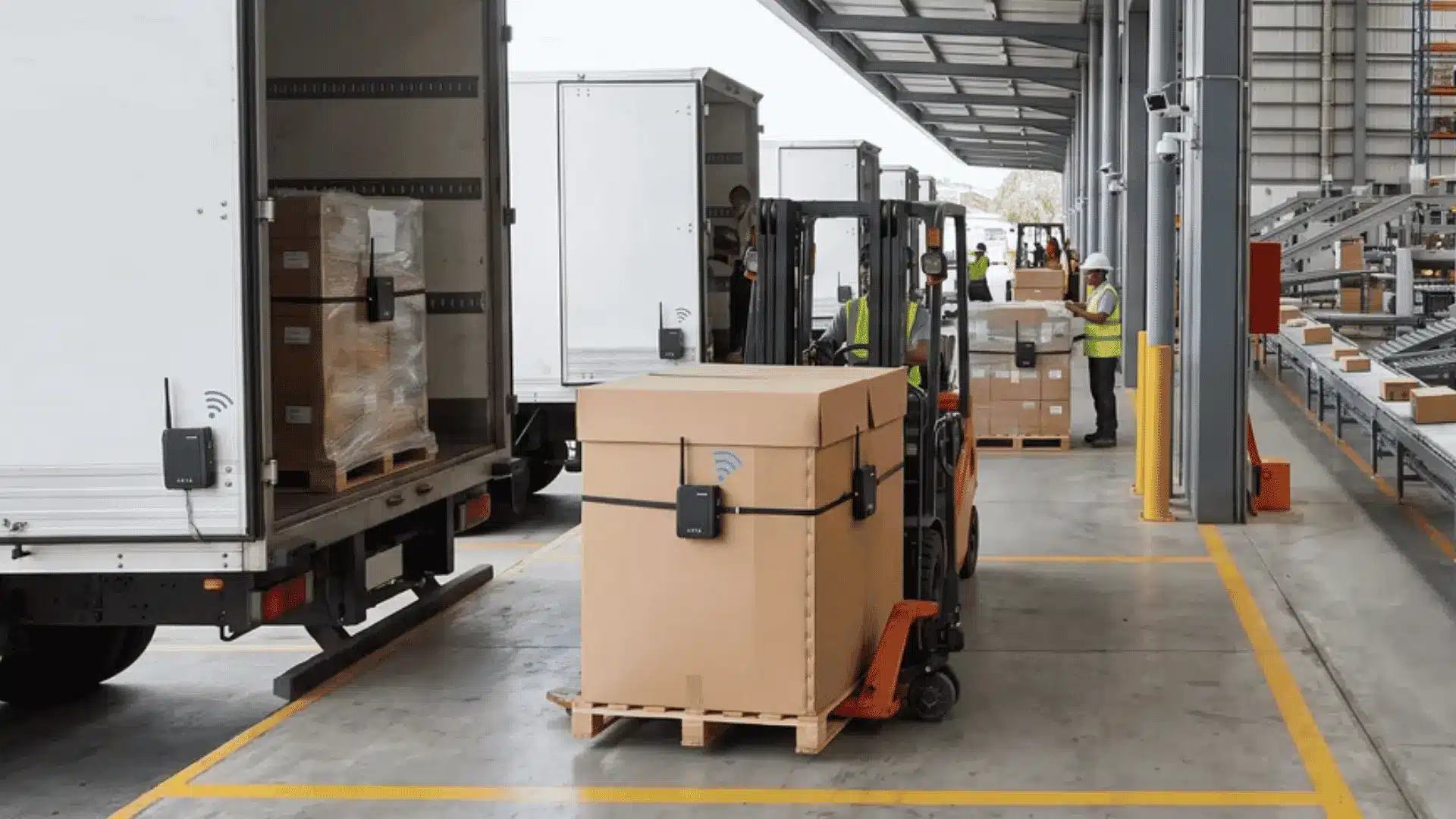
Common devices include GPS trackers, RFID tags, temperature sensors, vehicle telematics units, and smart beacons.
What makes an IoT system useful is not simply its ability to record information. The value comes from connecting that information to an operational response.
A typical IoT process includes four stages:
- Capture data: Sensors measure factors such as location, temperature, humidity, movement, fuel use, or equipment condition.
- Transmit information: The device sends that data through cellular, Wi-Fi, Bluetooth, satellite, or another network.
- Analyze conditions: Software compares incoming data against predefined rules or expected operating ranges.
- Take action: The system creates an alert, updates another platform, adjusts a workflow, or prompts an employee to respond.
This creates a continuous feedback loop rather than relying on employees to manually check every shipment, vehicle, or inventory movement.
How IoT Is Used in Logistics Operations
IoT can support several areas of logistics because the same underlying technology can monitor cargo, equipment, vehicles, and warehouse activity.
The application depends on the business problem being solved.
1. Shipment and Cargo Tracking
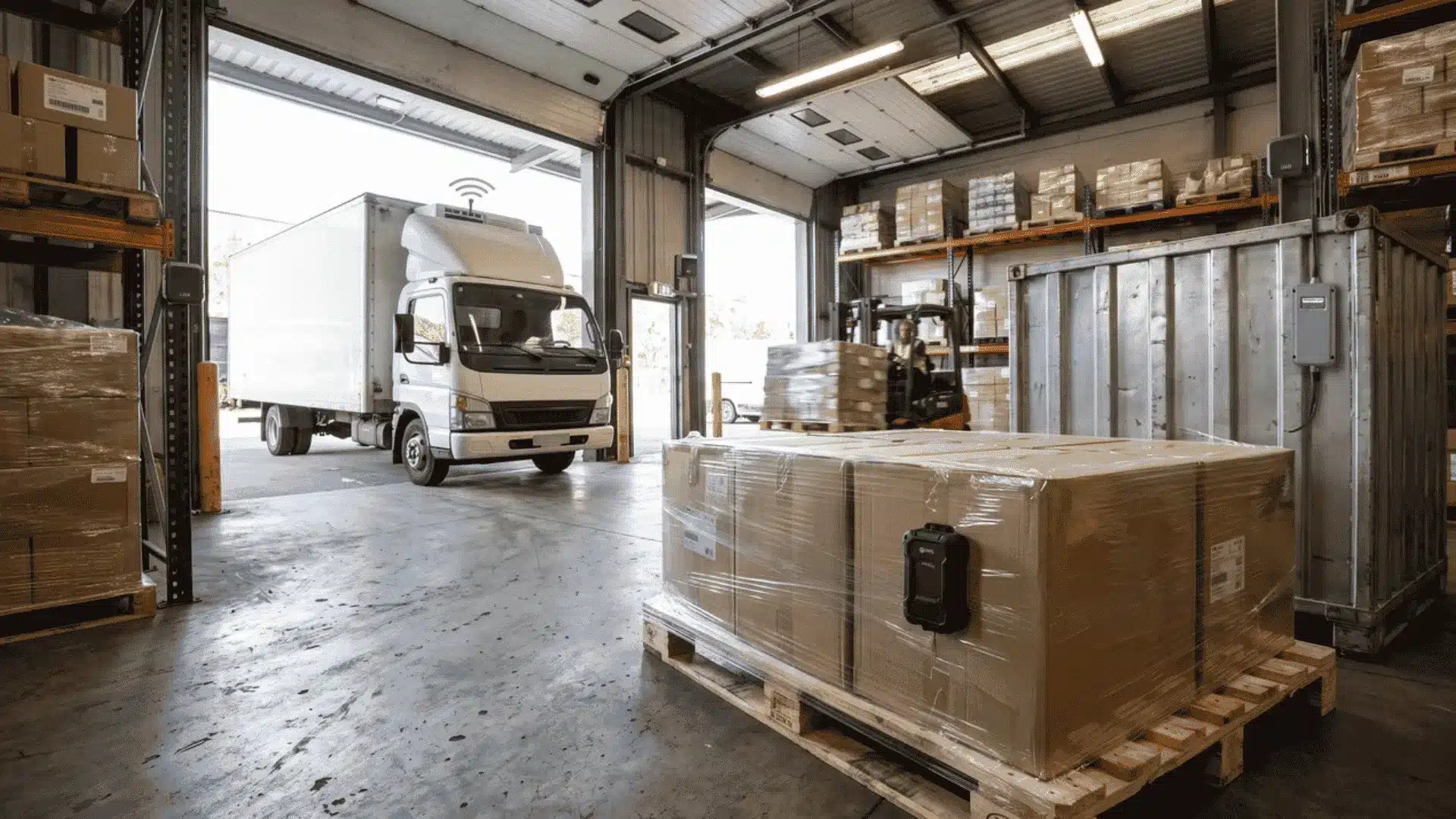
GPS trackers, cellular devices, and smart beacons allow logistics teams to monitor shipment locations while goods are moving.
Instead of relying only on scheduled scan points, companies can receive more frequent location updates and use them to calculate changing arrival times.
This is especially useful when a shipment encounters traffic, weather disruptions, route changes, or unexpected stops.
More accurate location information also improves shipment visibility across stages, giving support teams current status information without repeatedly contacting drivers or carriers.
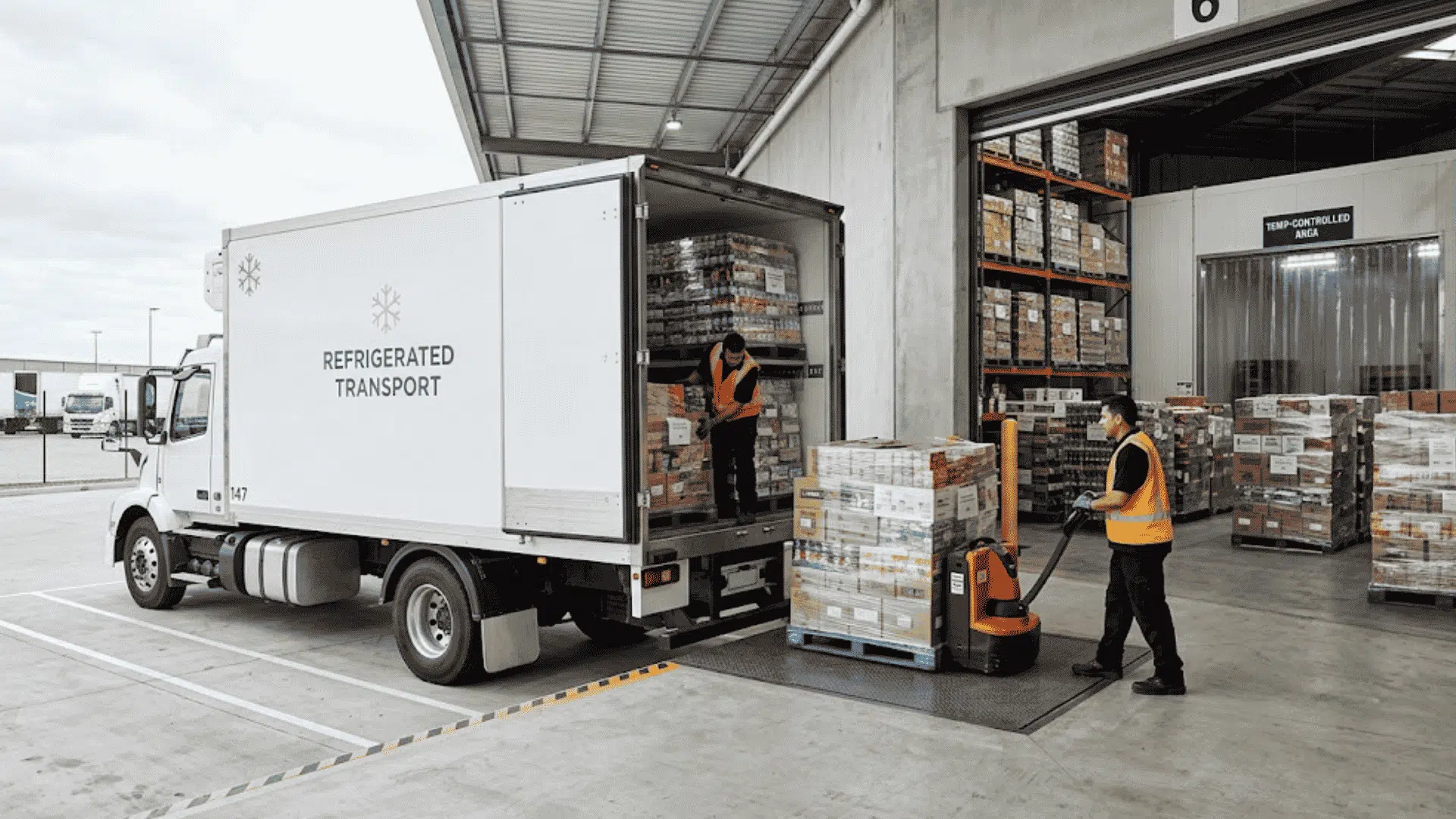
2. Cold Chain Monitoring

Perishable goods, pharmaceuticals, chemicals, and other temperature-sensitive products require more than basic location visibility.
Connected sensors can continuously monitor temperature, humidity, and other environmental conditions throughout cold chain logistics operations.
If a reading moves outside an acceptable range, the system can alert a driver, warehouse employee, or control center immediately.
That allows teams to investigate equipment problems, adjust refrigeration settings, or reroute cargo before product quality is affected.
The important difference is timing. A temperature report produced after delivery explains what happened, while a real-time alert creates an opportunity to prevent the loss.
3. Fleet Management and Telematics
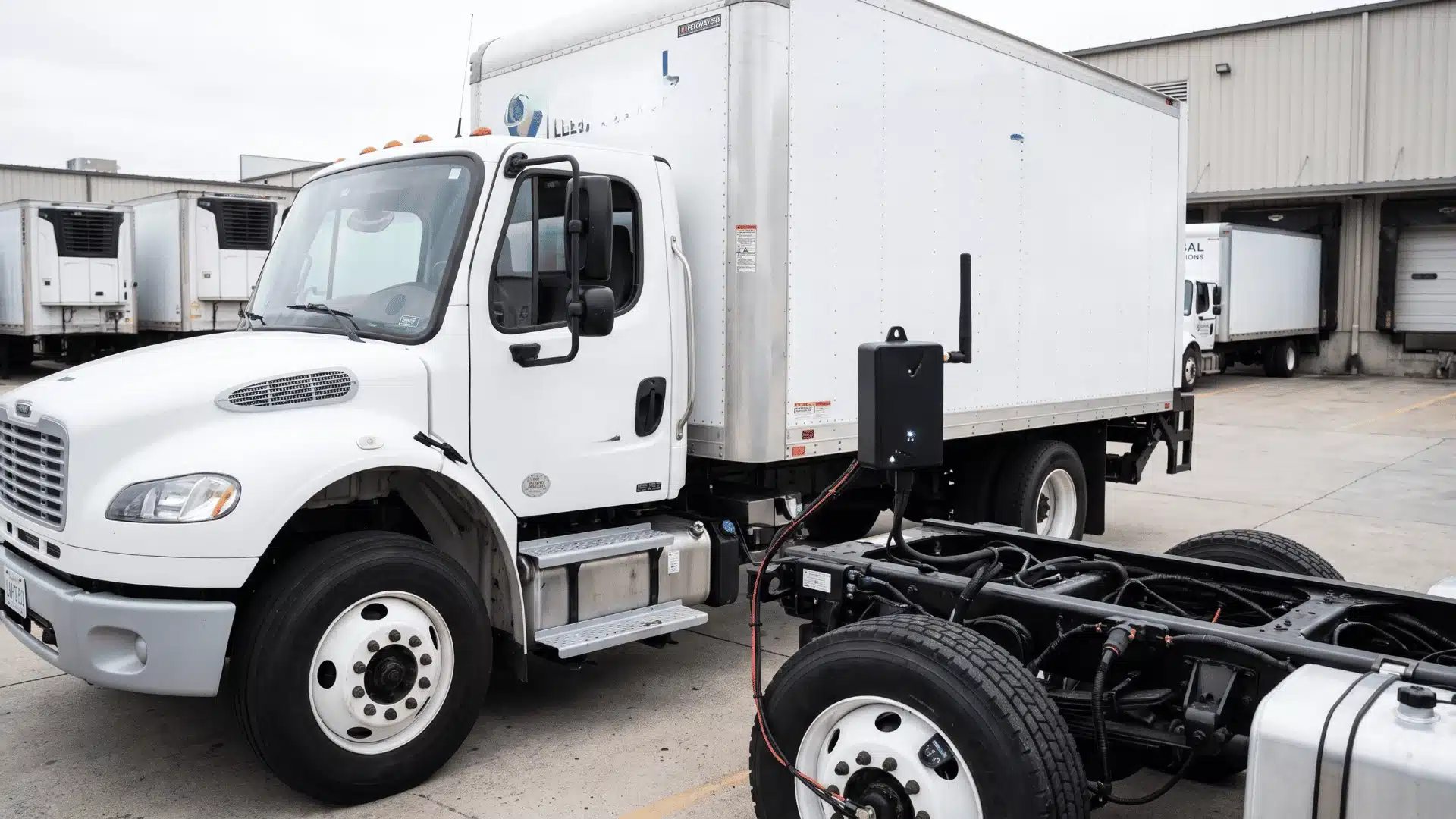
Connected vehicle systems collect information such as location, fuel consumption, engine performance, mileage, speed, and driver behavior.
Fleet managers can use this information to improve dispatching, identify inefficient driving patterns, and monitor vehicle condition.
IoT data also supports predictive maintenance.
For example, unusual engine temperatures, vibration, or diagnostic readings may indicate that a component is starting to fail. Maintenance teams can inspect the vehicle before it breaks down during a scheduled delivery.
This can improve vehicle availability while reducing emergency repairs and unplanned service interruptions.
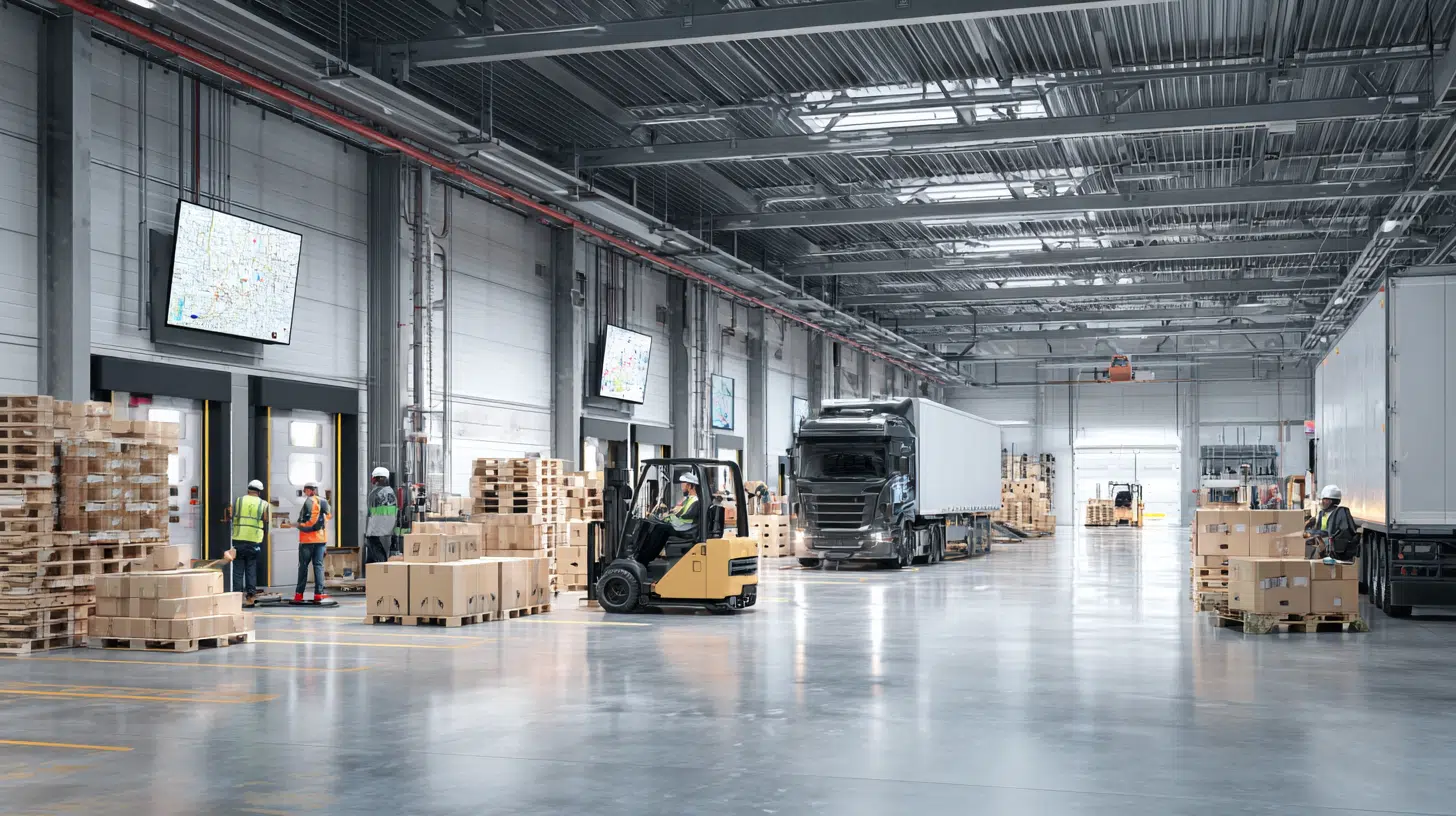
4. Warehouse and Inventory Management
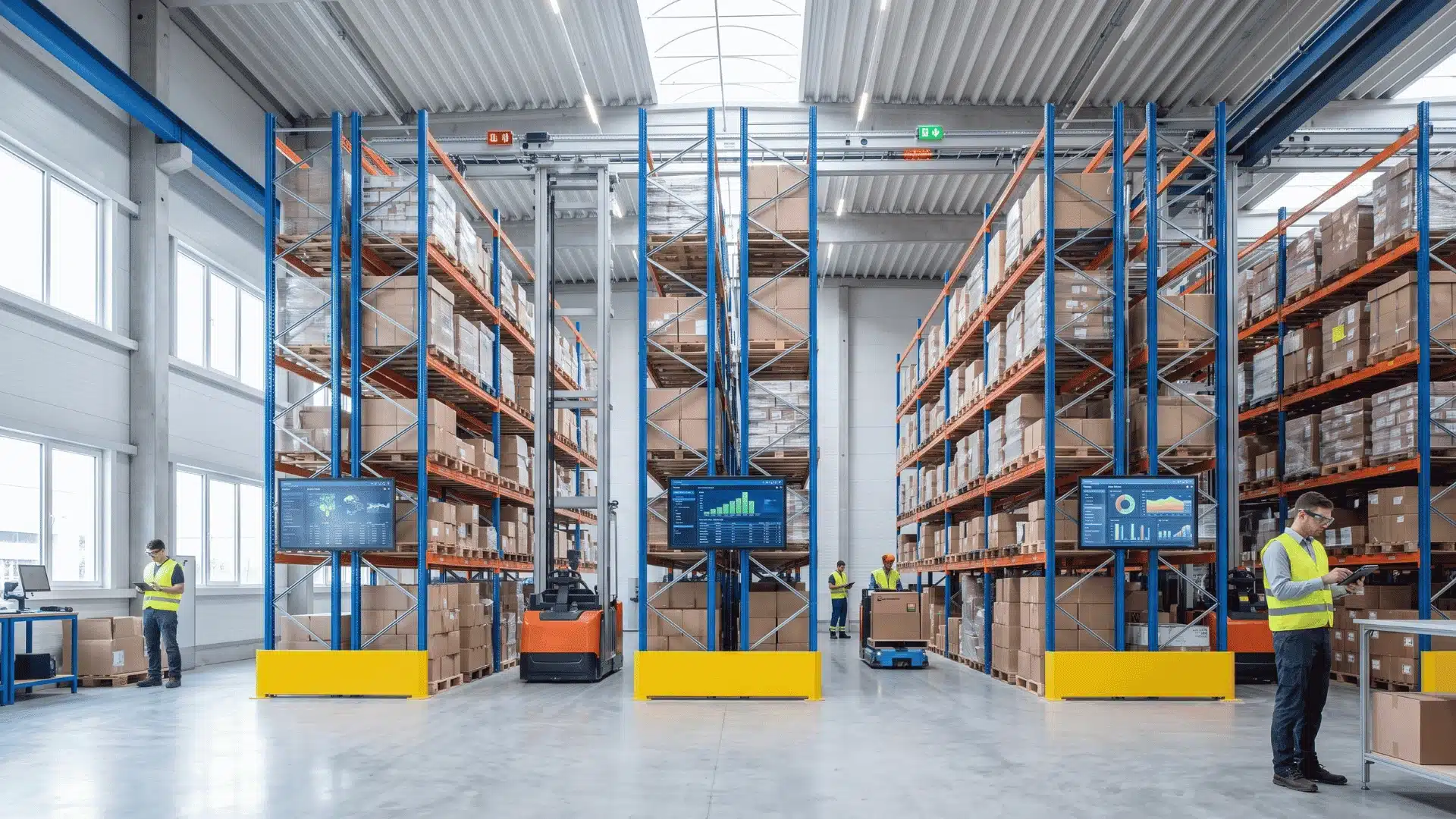
Warehouses use connected technologies such as RFID tags, scanners, sensors, and smart storage systems to monitor inventory movement.
Instead of depending entirely on manual counts, inventory records can update as products enter, move through, or leave the facility.
IoT systems may also monitor storage conditions, equipment usage, and the location of pallets or reusable assets.
When connected with warehouse management software, these devices can improve picking accuracy, stock visibility, and replenishment planning.
Employees spend less time searching for inventory, while purchasing and fulfillment teams receive more accurate information about available stock.
Core Benefits of IoT in Logistics
The strongest benefits of IoT come from improving how quickly logistics teams receive and use operational information.
Key advantages include:
- Greater supply chain visibility: Connected tracking systems support end-to-end operational visibility, helping teams monitor shipment location, inventory status, and transportation conditions across different stages.
- Lower operating costs: Better route planning, automation, and equipment monitoring can reduce unnecessary fuel consumption, labor hours, administrative work, and emergency repairs.
- Reduced downtime: Vehicle and equipment sensors can identify unusual operating conditions before a major failure interrupts transportation or warehouse activity.
- Faster disruption management: Automatic alerts give teams more time to respond to delays, temperature excursions, stock shortages, or equipment problems.
- More accurate fulfillment: Real-time inventory updates can reduce stock discrepancies, picking mistakes, and delays caused by outdated warehouse records.
These benefits become more significant when data is shared between systems rather than being trapped inside separate tracking platforms.
For example, shipment data can update customer notifications, while warehouse information can influence purchasing and transportation planning at the same time.
Challenges of Using IoT in Logistics
IoT can improve logistics performance, but deployment also introduces technical and operational challenges.
Companies usually need to address connectivity, cybersecurity, integration, and device management before a system can scale successfully.
1. Connectivity Limitations
Connected devices require a way to transmit information. That can become difficult on remote highways, international routes, ports, rural areas, or other locations with inconsistent network coverage.
A device may continue collecting information while offline, but real-time visibility is reduced until communication is restored.
Businesses therefore need connectivity strategies that match their transportation routes and operating environments.
2. Cybersecurity and Data Protection
Each connected device creates another potential entry point into a logistics network.
Large deployments may include thousands of trackers, sensors, gateways, and vehicle systems, making device security an important part of implementation.
Strong authentication, encryption, access controls, software updates, and network monitoring help reduce exposure.
Organizations also need clear policies covering who can access location, operational, and customer-related data.
3. Integration With Existing Software
IoT data becomes much more useful when it connects with existing systems such as warehouse management software, transportation management systems, ERP platforms, and fleet management tools.
Without integration, employees may need to switch between several dashboards or manually move information between systems. That creates additional work and can undermine the automation benefits the organization expected to gain.
For that reason, integration planning should usually happen before deploying large numbers of devices.
Building an Effective IoT Logistics Strategy
A successful IoT project should begin with a clear operational problem rather than a list of available technologies.
For example, a company may want to reduce spoiled refrigerated shipments, cut vehicle downtime, improve inventory accuracy, or give customers more reliable ETAs.
Once the problem is defined, the business can determine:
- What information needs to be collected.
- Which device can capture that information.
- How the data will be transmitted.
- Which system will analyze it.
- What action should happen when a specific condition occurs.
This approach helps prevent companies from collecting large amounts of data without a clear business use.
The best IoT implementations are usually those where information automatically supports an existing operational decision.
Conclusion
I see IoT in logistics as a practical way to turn everyday operational data into better decisions.
Connected devices can show where shipments are, protect temperature-sensitive goods, improve inventory accuracy, and warn you about vehicle or equipment problems before they cause delays.
The real benefit comes from linking that information to systems and workflows your team already uses.
You can start small by choosing one clear problem, such as reducing downtime or improving delivery visibility, then selecting the right sensors, connectivity, and alerts. This approach helps you avoid collecting data without a purpose.
Think about where better information could help your operation most, try one focused improvement, and share what you learn.
Frequently Asked Questions
What does IoT mean in shipping?
IoT in shipping refers to connected trackers and sensors that monitor cargo location, environmental conditions, movement, or equipment performance. The information is transmitted to digital platforms so shippers can monitor shipments and respond more quickly when conditions change.
Does DHL use IoT in logistics?
DHL has used connected technologies across areas such as shipment tracking, warehousing, asset monitoring, and transportation operations. Specific IoT applications vary by business unit, facility, region, and logistics service.
What is the difference between IoT in logistics and supply chain management?
Logistics IoT generally focuses on transportation, warehousing, inventory movement, cargo monitoring, and delivery operations. Supply chain IoT covers a broader network that can also include suppliers, manufacturing, procurement, forecasting, and distribution planning.
What are the main components of a logistics IoT system?
A typical system includes connected devices that collect data, a communication network that transfers it, a platform that processes and stores the information, and software or workflows that use the results to support operational decisions.