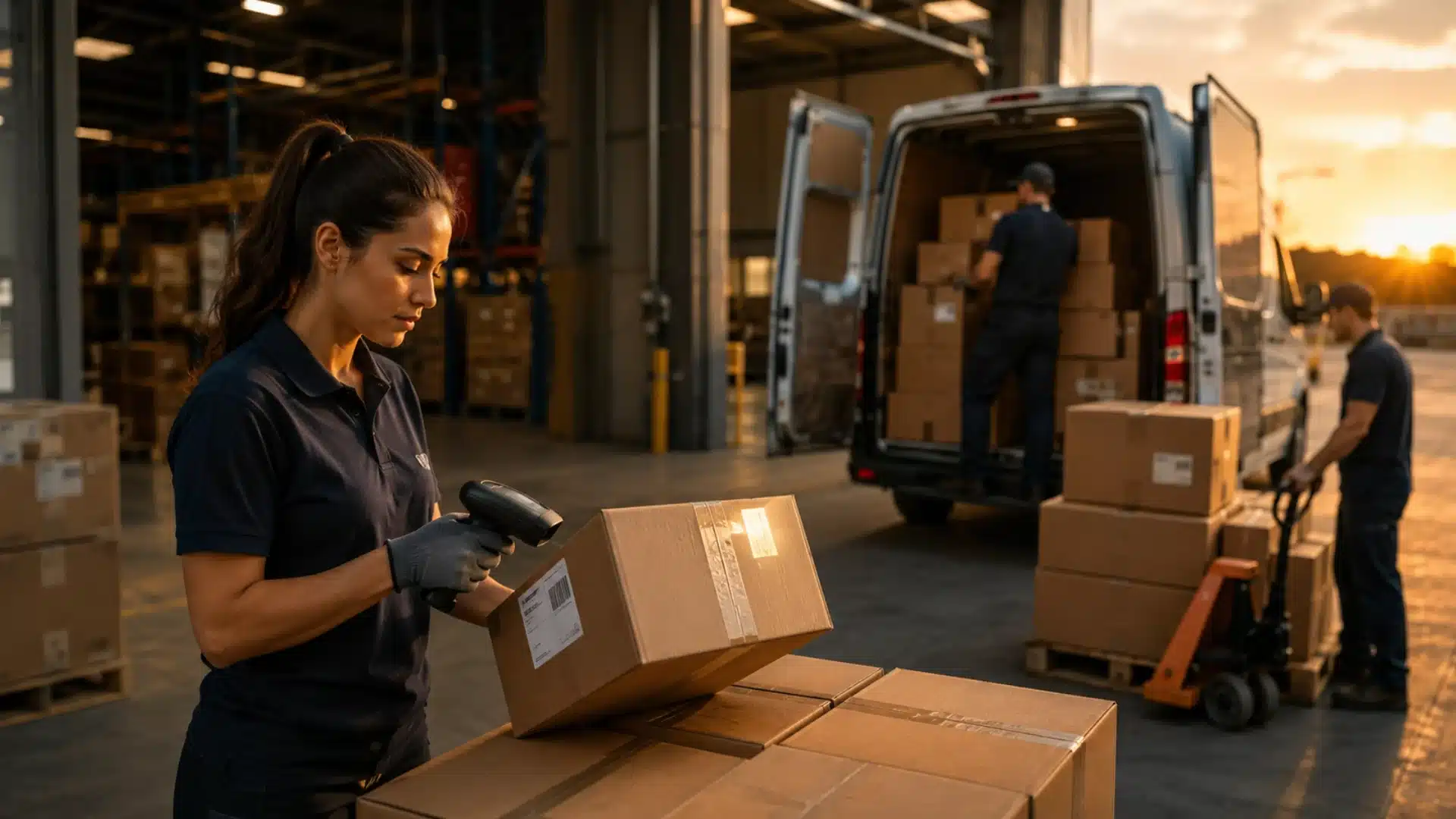
A package does not simply appear at your doorstep. Before the tracking updates begin and the delivery driver arrives, there is a chain of steps that gets the shipment moving.
I find the first part especially interesting because a small mistake at the start can cause problems much later.
First mile logistics covers the early movement of goods from a supplier, manufacturer, warehouse, or fulfillment center to the next point in the supply chain.
It can involve preparing shipments, checking details, arranging pickups, and handing goods to the next logistics partner.
Understanding this stage can help businesses reduce delays, control costs, and keep shipments moving smoothly.
What First Mile Logistics Means for E-Commerce
First-mile logistics is the first stage of moving goods from an origin point to the next facility or transfer point in the supply chain.
In e-commerce, this may mean moving products from a supplier, warehouse, or fulfillment center to a carrier hub, distribution center, or another logistics facility.
It can include preparing orders, packing products, creating shipping labels, and arranging pickup. However, first-mile logistics does not always begin after a customer places an order.
Businesses may also move inventory between facilities before receiving an order.
A smooth first mile helps keep shipments accurate, organized, and ready for the next stage of delivery. It can also affect shipping costs, processing times, and the overall flow of goods.
What Does First Mile Logistics Include?
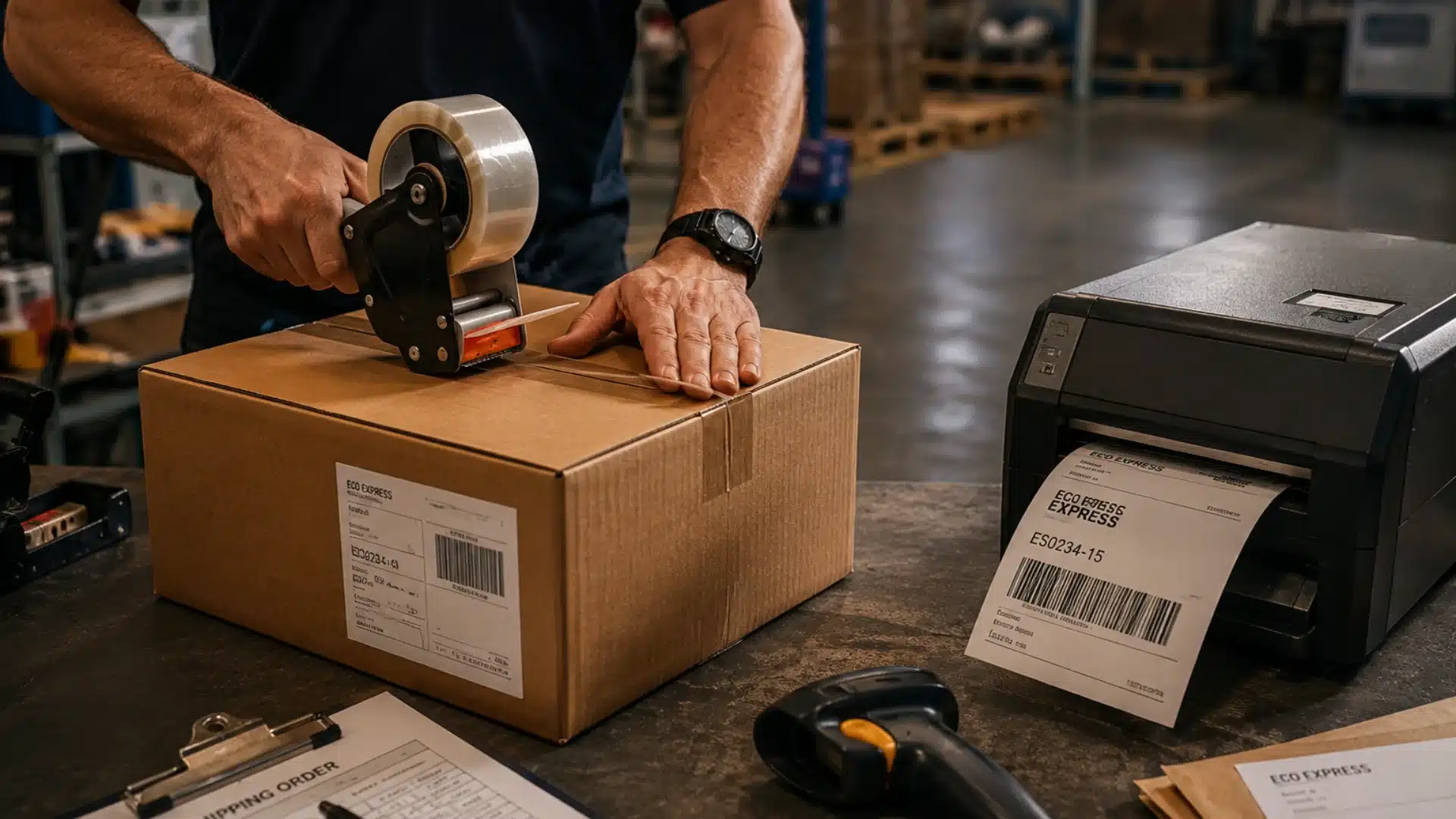
First-mile logistics can involve several tasks that prepare goods for their next move. The exact steps can vary based on the business, product, and shipping setup.
- Picking and Packing: Products are picked from storage and packed for transport.
- Labeling: Shipping labels and required shipment details are added.
- Order Checking: Products, quantities, addresses, and shipping details are checked to support efficient warehouse operations.
- Shipment Grouping: Shipments may be grouped by destination, carrier, route, or service.
- Handoff: Goods are collected and moved to the next facility or logistics partner.
These steps help reduce avoidable errors and keep shipments moving on schedule. Good coordination at this stage can also make later parts of the delivery process easier to manage.
How a Package Moves Through the First Mile
Consider a customer ordering a phone case from an online store. In an e-commerce fulfillment operation, a worker may locate the item, check it against the order, choose suitable packaging, and prepare it for shipment.
The shipping label and other shipment details are then added, and the package is scanned or recorded in the system. It may also be grouped with other shipments before pickup.
Each step can affect what happens next. A wrong item, poor packaging, incorrect label, or missed pickup can lead to delays, damage, or routing problems.
Careful checking helps reduce these errors and keeps the shipment ready for the next stage of the delivery process.
How Technology Improves First Mile Logistics
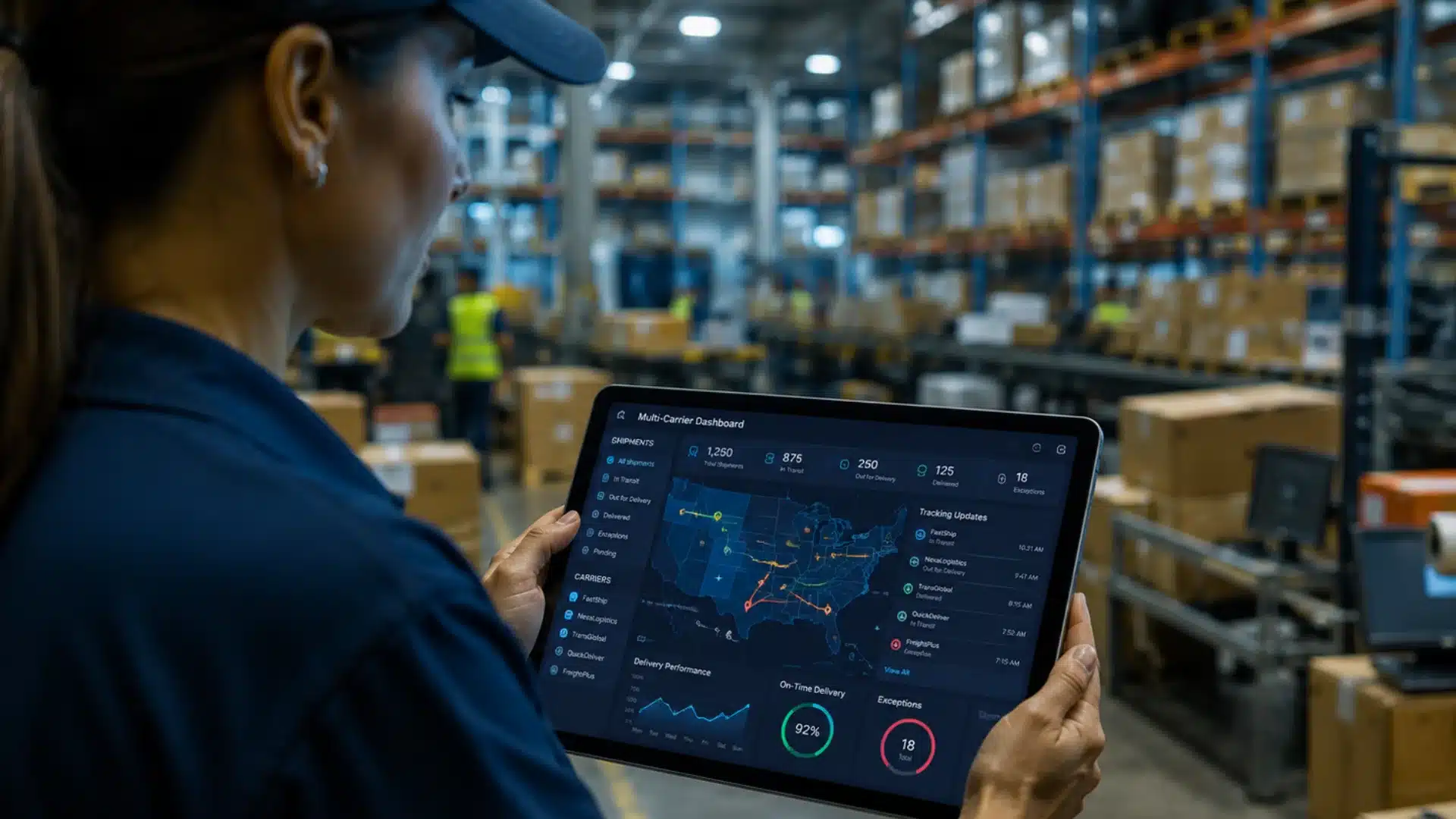
Technology helps businesses manage first-mile tasks with fewer manual errors and better shipment visibility.
Warehouse management systems, offering notable warehouse management software benefits, can support inventory updates, order processing, picking, packing, labeling, scanning, and shipment records.
Shipping platforms can also connect businesses with multiple carriers and help select services based on factors such as cost, destination, package size, and delivery needs.
Businesses may also use third-party logistics providers to handle fulfillment, shipping, and carrier handoffs. Tracking tools and automated scans give teams better information about shipment status and help them spot problems sooner.
The goal is to improve accuracy, coordinate pickups, and reduce avoidable delays before goods move into the next stage of the supply chain.
Why First Mile Logistics Matters
First-mile logistics sets up a shipment for the next stages of the supply chain.
When goods are prepared, checked, and handed off correctly, businesses can reduce avoidable errors, delays, and extra costs. Its impact can vary based on the type of supply chain and who handles each step.
- Fewer Errors: Accurate labels, order details, and scans can reduce routing and handling problems.
- Less Product Damage: Suitable packaging helps protect goods during handling and transport.
- Better Shipment Tracking: Complete and accurate shipment records make it easier to monitor goods as they move.
- Lower Extra Costs: Fewer errors, damaged products, and reshipments can help reduce avoidable expenses.
- Smoother Handoffs: Well-organized pickups help goods move from the origin to the next facility on time.
These benefits can add up for businesses handling large numbers of shipments. Good first-mile processes also give logistics teams better control before goods move into the next stage.
First Mile vs. Middle Mile vs. Last Mile Logistics
First-mile, middle-mile, and last-mile logistics describe different parts of a shipment’s movement through the supply chain. The exact facilities involved can vary, but each stage has a different role.
| STAGE | WHAT IT MEANS | TYPICAL MOVEMENT |
|---|---|---|
| First Mile | Moves goods from the origin to the next logistics point | Supplier or warehouse → hub or distribution center |
| Middle Mile | Moves goods between major logistics facilities | Hub → distribution center or regional facility |
| Last Mile | Completes the delivery to the final recipient | Local hub → customer or delivery address |
Understanding these three stages makes it easier to see where a shipment is in the supply chain. Together, they connect the original source of the goods with their final destinationthrough a series of planned logistics steps.
Common First Mile Logistics Mistakes
Small errors during the early stages of shipping can lead to delays, extra handling, damaged products, or tracking problems. Common issues include:
- Wrong Shipping Details: Incorrect addresses, damaged barcodes, or missing shipment information can cause delays, misrouting, or manual checks.
- Poor Packaging: Boxes that are too large can waste space, while inadequate packaging can leave products more exposed to damage during handling.
- Missed Pickup Times: Missing a scheduled carrier pickup can push a shipment to a later collection, depending on the carrier and service.
- Picking or Scanning Errors: Sending the wrong item or missing a required scan can create order problems and tracking gaps.
These issues can become more costly when they happen repeatedly across large numbers of shipments. Regular checks and clear warehouse procedures can help reduce avoidable first-mile problems.
Final Thoughts
A smooth delivery starts well before a package reaches the customer. First-mile logistics moves goods from their starting point into the wider supply chain, making early accuracy and strong coordination important.
From checking shipment details to using suitable packaging and meeting pickup times, small steps can affect what happens later. I think paying attention to these early tasks can help businesses reduce avoidable delays, damage, and extra costs.
It also makes it easier to track shipments and spot problems before they grow. What part of first-mile logistics do you think causes the biggest challenge for businesses? Share your thoughts or experience in the comments below.
Frequently Asked Questions
What is an Example of First Mile Logistics?
A manufacturer shipping finished products to a distribution center is one example. Another example is an online seller sending orders from its warehouse to a carrier hub.
What are the Main Challenges of First Mile Logistics?
Common challenges include pickup delays, poor shipment information, inefficient routes, packaging issues, missed cutoffs, and weak coordination between suppliers, warehouses, and carriers.
How Can Businesses Optimize First Mile Logistics?
Businesses can improve first-mile operations through better pickup scheduling, route planning, shipment consolidation, accurate data, automation, and real-time transportation visibility.
What is First Mile Logistics in Manufacturing?
In manufacturing, first-mile logistics can involve moving finished goods from a production facility to a central warehouse, distribution center, or another initial logistics point.