Moving industrial equipment involves more than arranging a truck and choosing a delivery date. The destination needs to be ready for the machine, its physical size, operating needs, and supporting infrastructure. Electrical requirements deserve attention early because the power available at the new facility may differ from what served the equipment at its previous location.
In some projects, specialized equipment such as a 240v to 208v transformer may enter the discussion after qualified electrical professionals review the machine and the facility. Checking these details before shipping can help the logistics and facility teams coordinate the move around accurate information.
Gather the Equipment Records First
Good planning starts with knowing exactly what is being moved. The team should gather available manuals, nameplate information, service records, drawings, and other documents that describe the machine. This information can help contractors and other qualified professionals understand its requirements before it reaches the destination.
Records become especially important when a business buys used equipment. The people receiving the machine may not know its full history, and the previous facility may have supported it in ways that are not obvious from looking at the equipment. Collecting documentation early gives the receiving team time to resolve questions before delivery day.
Confirm That the Equipment Will Fit
Physical dimensions sound like a basic concern, yet equipment has to travel through more than the main entrance. Gates, loading areas, doors, corridors, ceiling heights, turns, and the final operating space can all affect how a machine reaches its destination.
The team should consider the entire path from the delivery vehicle to the planned location. Logistics professionals can assess transport and handling needs, while facility staff can identify restrictions around the property. Reviewing the route early can reveal obstacles while there is still time to adjust the plan.
Review the Destination’s Utilities
A machine that worked at one facility should not be assumed to have the same supporting conditions at another. Electrical service and other utilities can vary between buildings, especially when properties differ in age, original purpose, or previous use.
Qualified professionals should review the equipment requirements and the infrastructure at the receiving site. Facility managers can support that process by providing current drawings, equipment records, and information about previous building changes. This creates a clearer picture before any technical decisions are made.
Connect Freight Planning With Facility Planning
Transportation and facility preparation should follow the same schedule. If a machine arrives before its space is ready, the business may need to arrange temporary storage or another move within the property. If preparation finishes too late, contractors and delivery teams may face avoidable conflicts.
A shared schedule helps everyone see the dependencies. The logistics provider needs to know when the site can receive the equipment, while facility teams need a reliable delivery window. Contractors may also need access before or after delivery to complete work related to the new installation.
Think Through Unloading and Placement
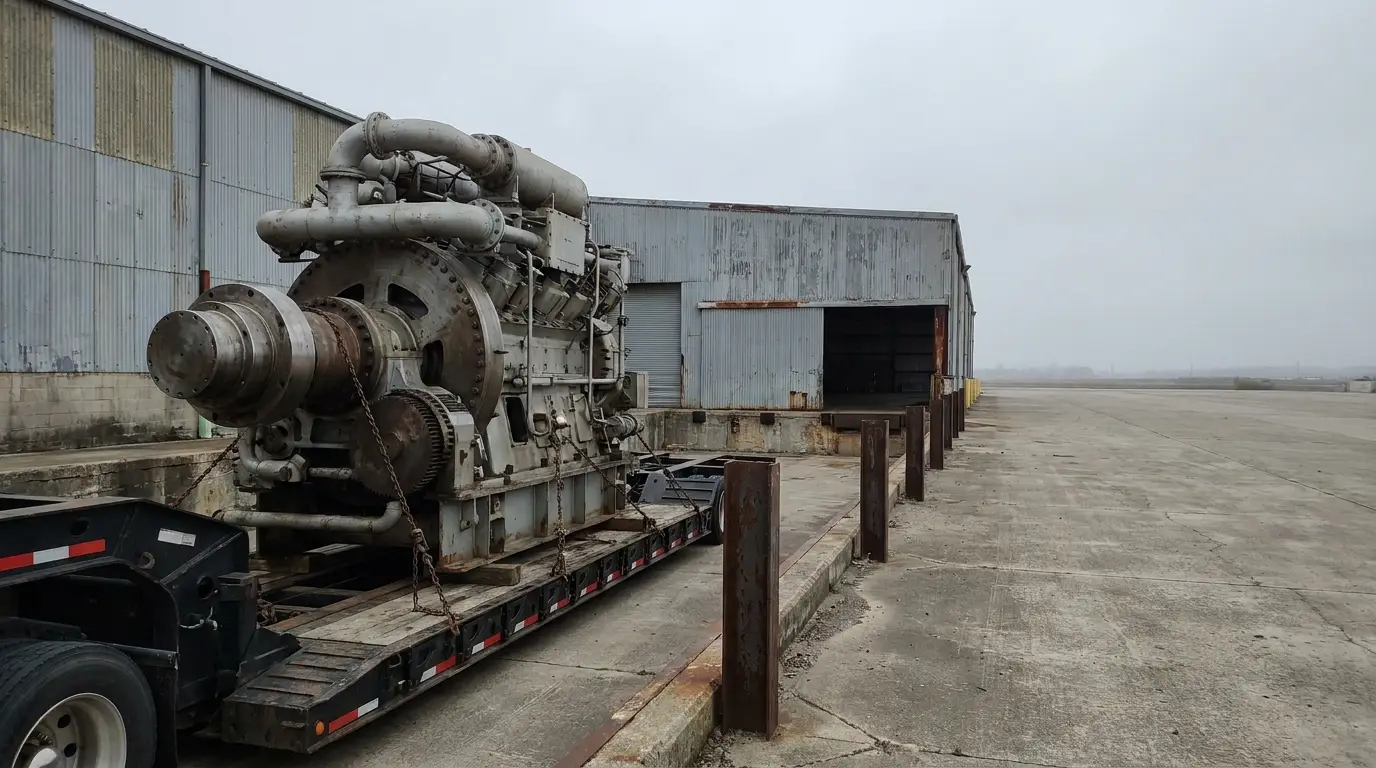
Delivery is only one stage of the move. The equipment still needs to leave the vehicle and reach its final position. Large or heavy machinery may require specialized handling, and the surrounding site needs to support the plan developed by the professionals responsible for that work.
Project teams should discuss unloading areas, staging space, access restrictions, and other activity taking place at the facility. A busy loading dock or active production area may require careful scheduling. Addressing these practical issues early can make the move easier to coordinate.
Keep Normal Operations in Mind
Many equipment moves happen while the receiving business remains open. Employees may still need access to work areas, trucks may continue using loading zones, and production may be running nearby.
Facility managers can identify the times and locations where disruption would have the greatest effect. Logistics teams and contractors can then coordinate their work around those constraints where practical. This helps the relocation plan reflect the way the business actually operates rather than treating the facility as an empty site.
Give Contractors Time to Prepare
Specialists involved in the project need reliable information before they arrive. Electrical professionals, equipment technicians, rigging teams, and other contractors may each need different documents or site details to prepare for their part of the work.
Bringing them into the process early can expose gaps in the plan. One contractor may identify a site requirement that affects another team’s schedule. Clear communication allows those connections to surface before the equipment is already in transit.
Plan for the Equipment’s Future Role
Relocation can also be a useful time to think about how the machine will fit into future operations. A business may expect production to increase, surrounding work areas to change, or other equipment to be added nearby.
Sharing those plans with the appropriate professionals provides useful context. The goal is not to predict every future change. It is to avoid planning the current move without considering developments that the business already expects.
Make Destination Readiness Part of the Move
A successful equipment relocation connects transportation with what happens before and after the truck arrives. Documentation, physical access, utilities, unloading, contractor schedules, and normal business operations all contribute to the outcome.
Starting with a destination-readiness review can make these connections easier to manage. Facility teams do not need to solve technical questions themselves. Their role is to gather accurate information, involve qualified professionals, and make sure logistics planning reflects the real conditions at the receiving site. When those pieces come together early, the equipment move becomes one coordinated project rather than a series of separate tasks.