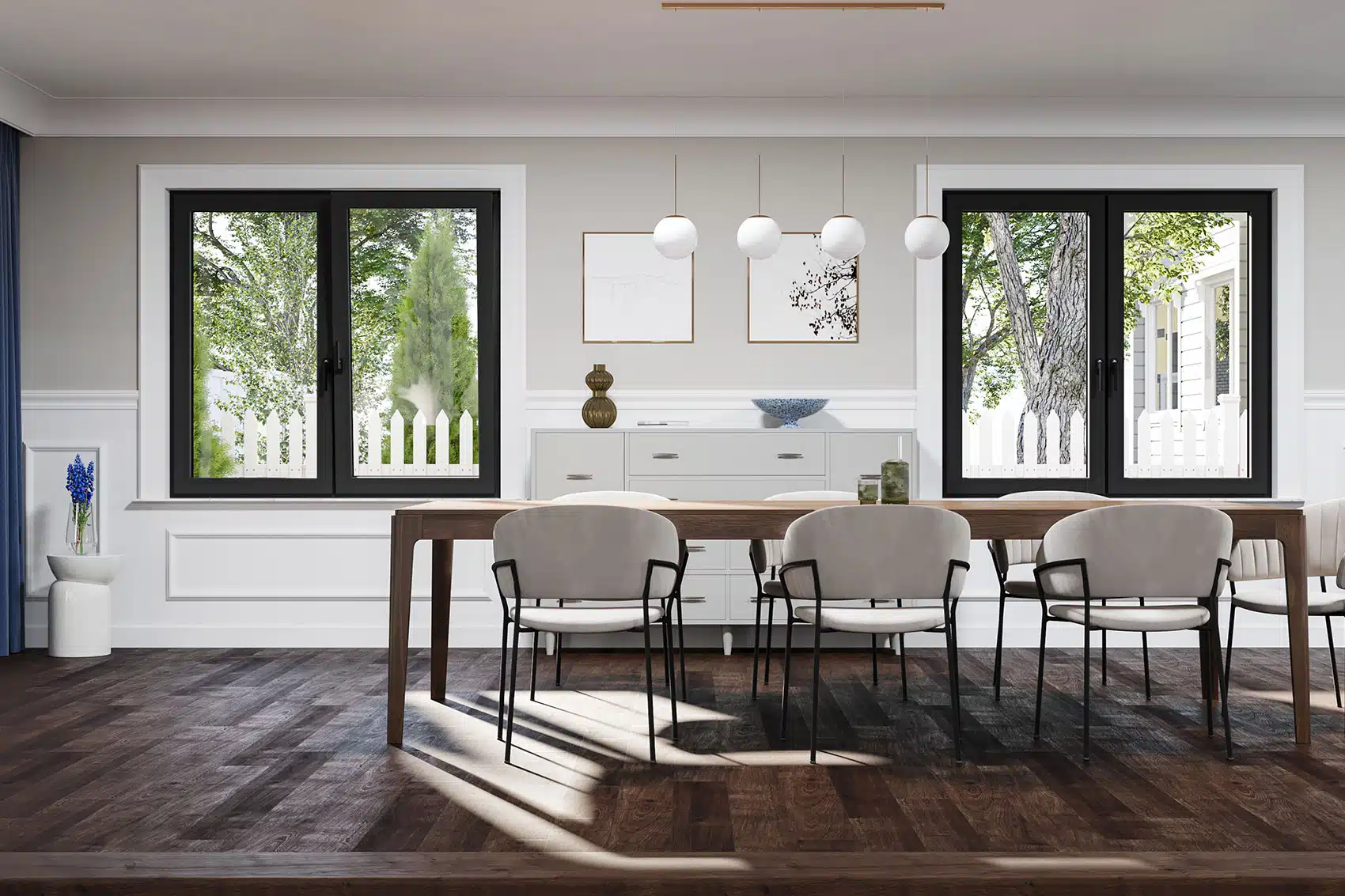
A home can look permanent, polished, and move-in ready while still being classified very differently on paper. That classification can affect financing, insurance, titling, and resale, so knowing what is a manufactured home matters before comparing prices or signing paperwork.
I know terms such as manufactured, mobile, and modular home can get confusing because the finished properties may look similar. The difference comes from how each home was built, the construction standards that applied, and its original classification.
My goal is to make those differences clear so you can read property listings more carefully and know which details deserve closer attention before buying a manufactured house.
What Is a Manufactured Home?
A manufactured home is a factory-built home constructed in one or more sections and transported to a property for installation. Homes built on or after June 15, 1976, under federal manufactured housing standards are generally classified as manufactured homes.
Unlike a traditional site-built house, a manufactured home is constructed under the federal HUD Code rather than the local building code used for many conventional and modular homes.
The word “manufactured” describes how the home was built and regulated. It does not describe how the property looks after installation.
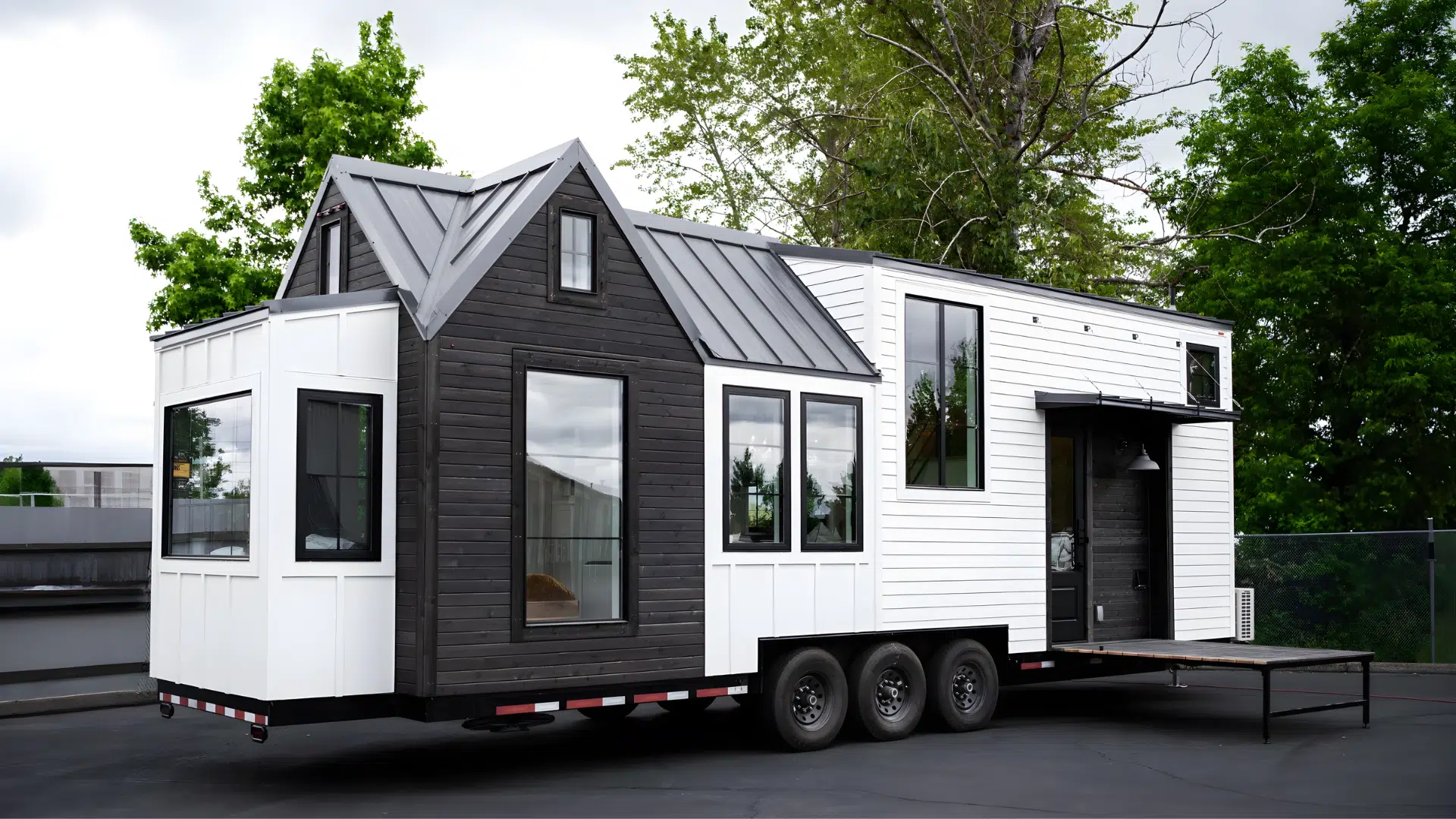
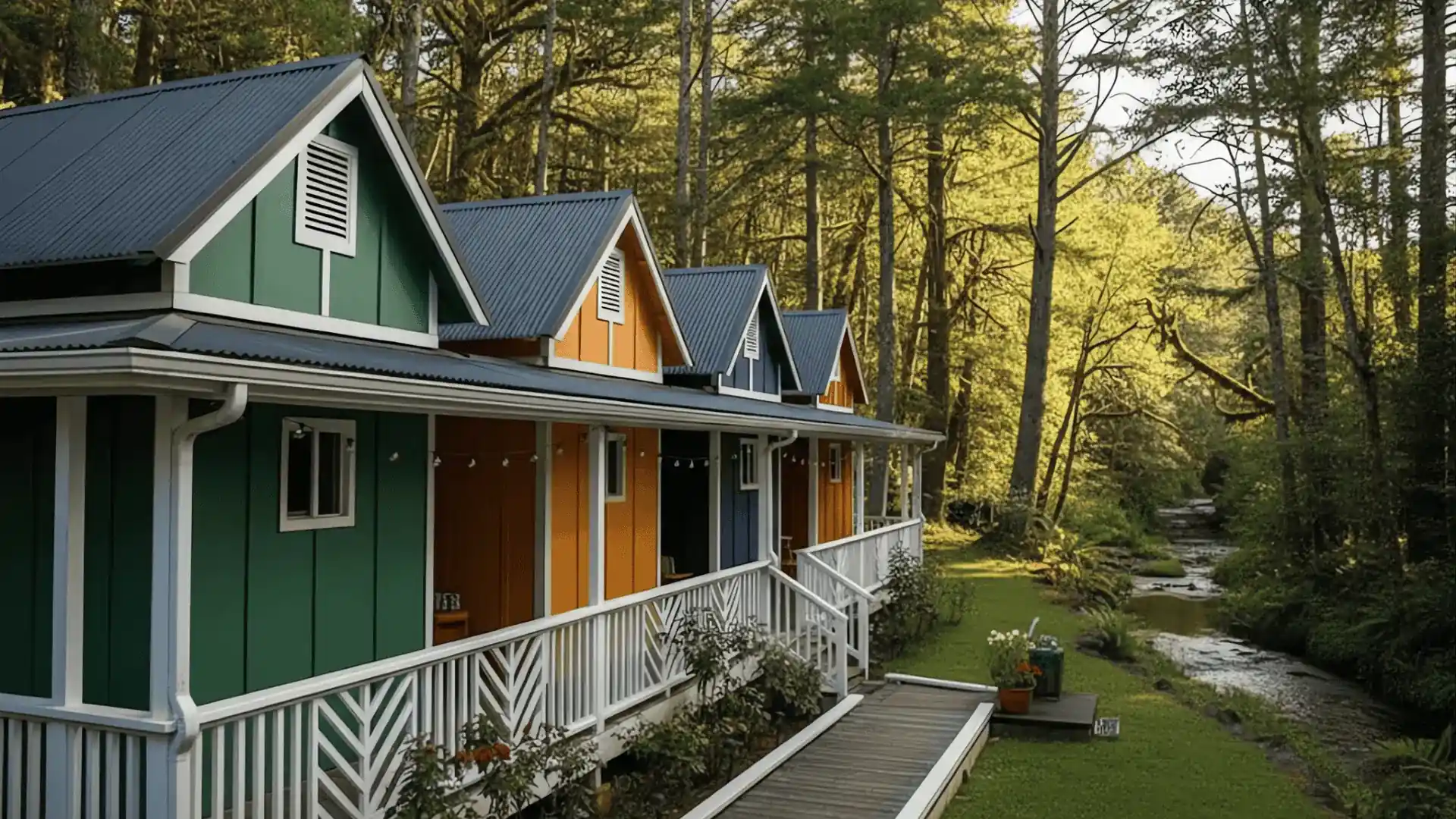
A manufactured home may have skirting, porches, landscaping, garages, or a permanent foundation and still remain a manufactured home. Its original construction method and governing standards are what matter.
That distinction is important because the home’s classification may affect financing, insurance, home’s title documents, property records, installation requirements, and future resale.
What Makes a Home Manufactured?
Three main characteristics separate a manufactured home from other housing types: factory construction under HUD standards, a permanent chassis, and transportation to the final property.
1. Factory Construction and HUD Standards
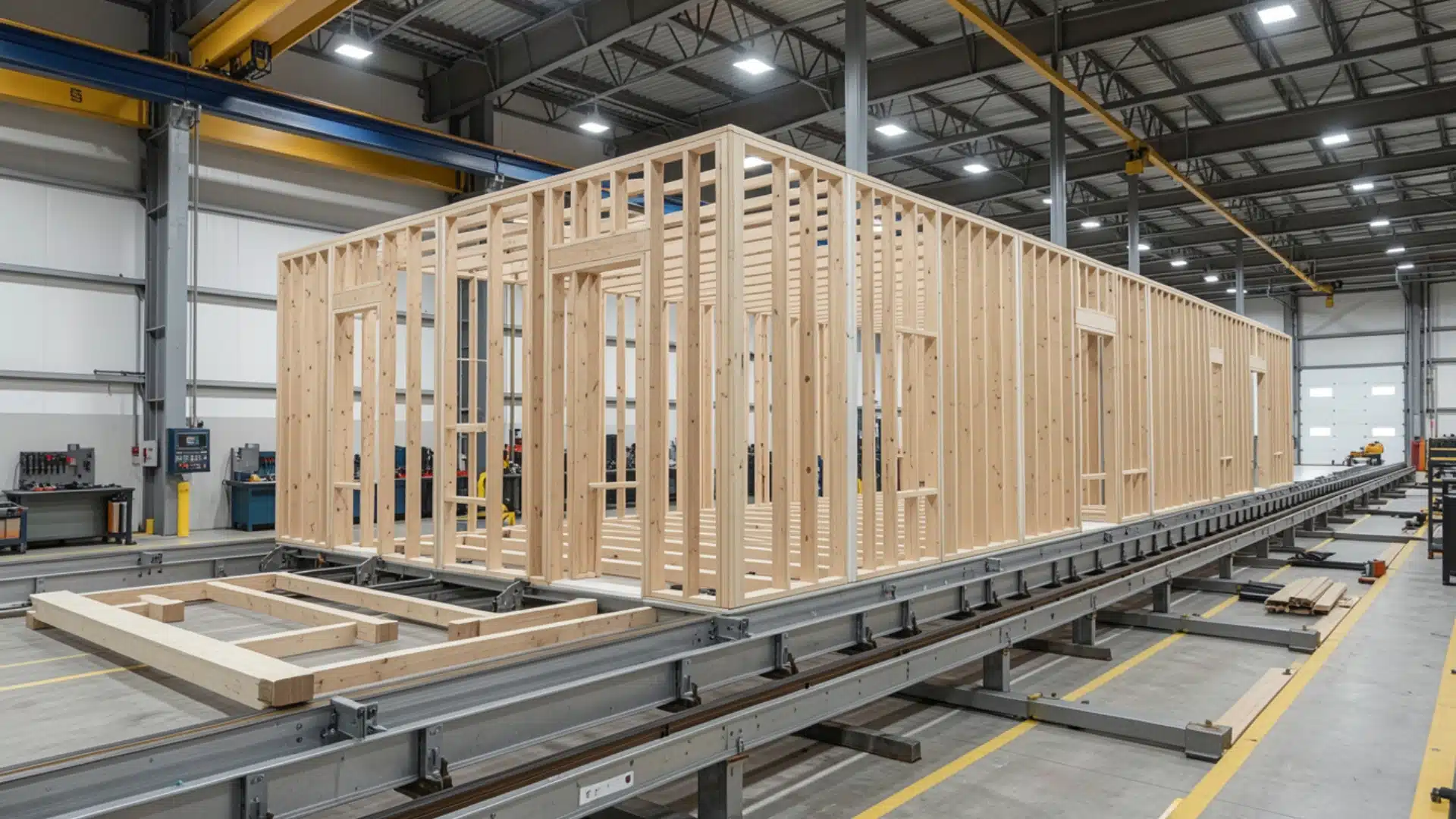
Manufactured homes are constructed in factories under the federal Manufactured Home Construction and Safety Standards, commonly called the HUD Code.
The standards cover important areas of construction, including structural strength, electrical systems, plumbing, heating, fire safety, and energy-related requirements.
Federal standards also create consistency across the country. Local construction codes can vary between cities, counties, and states, unlike the rules that shape modular home construction, while the HUD Code applies to manufactured homes nationwide.
I find this distinction more useful than looking at exterior features because siding, roofing, porches, or interior finishes cannot tell you which building standard applied.
2. The Permanent Steel Chassis
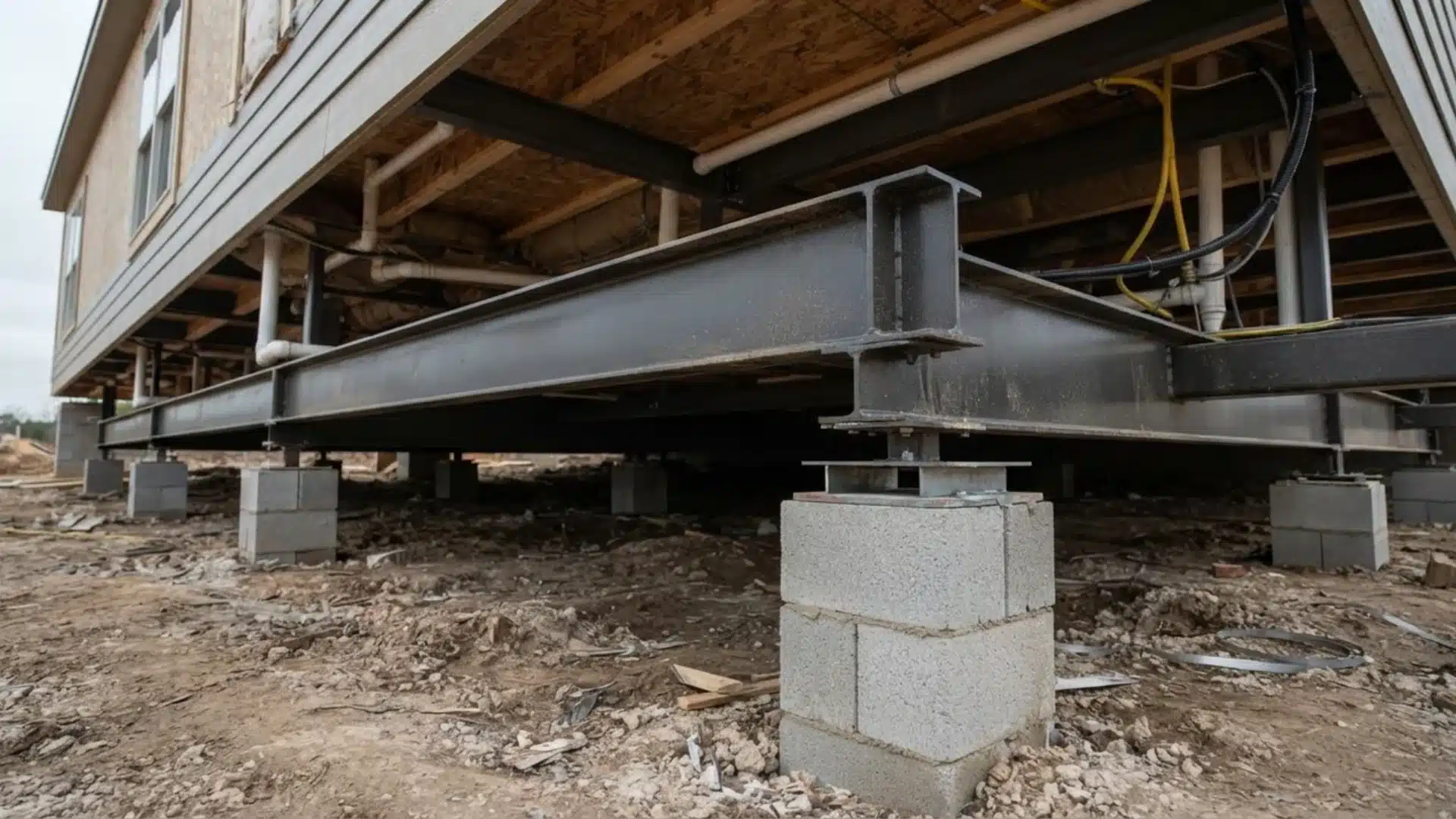
A manufactured home is built on a permanent chassis that supports the structure during transportation and remains part of the home afterward.
Removing transportation equipment such as wheels does not turn the structure into a different type of housing. Adding skirting or placing the home on a permanent foundation also does not change its original manufactured-home construction classification.
The chassis is one reason construction records and identifying information matter more than appearance when checking what type of home you are considering.
3. Transport and Site Installation
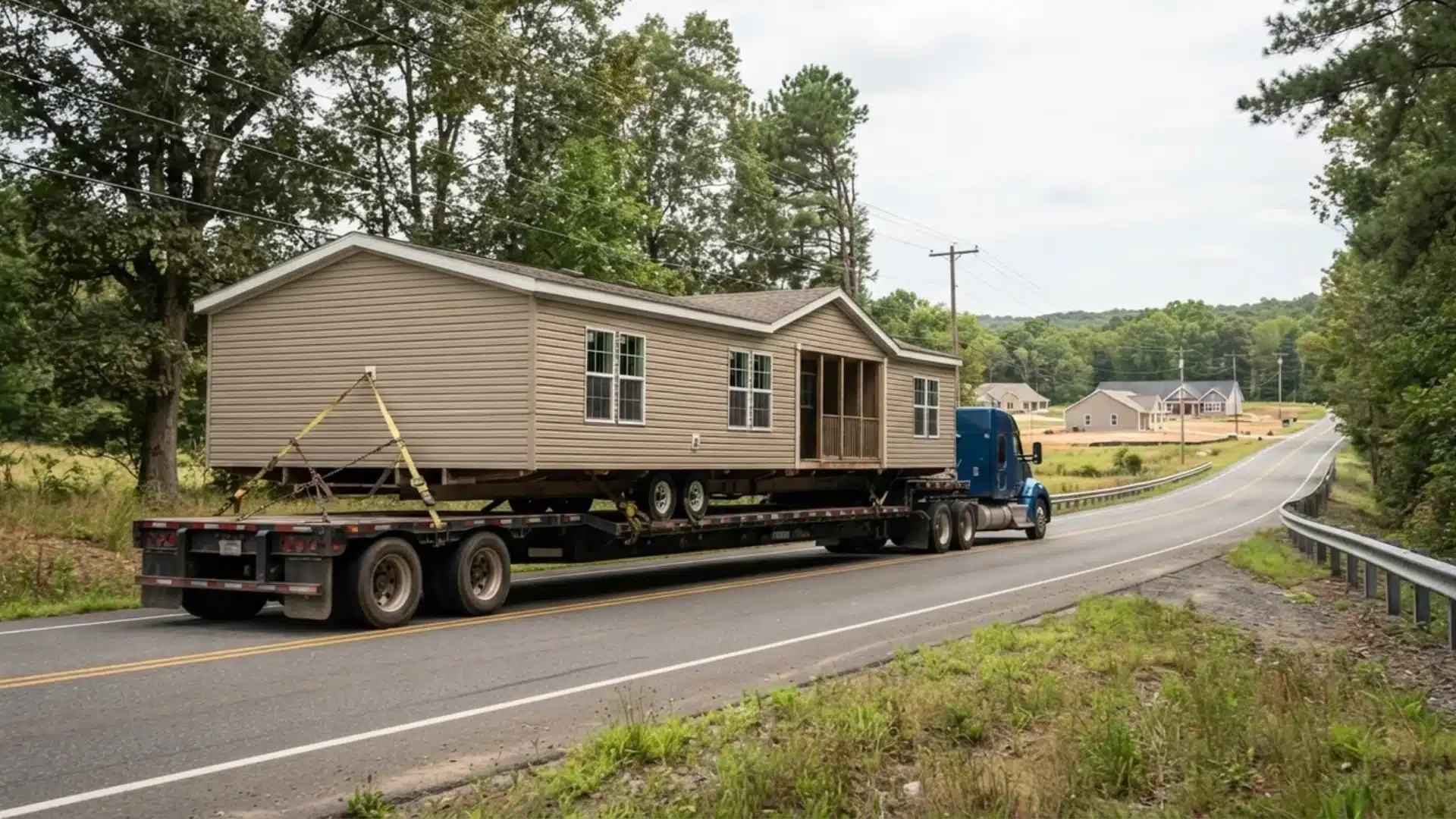
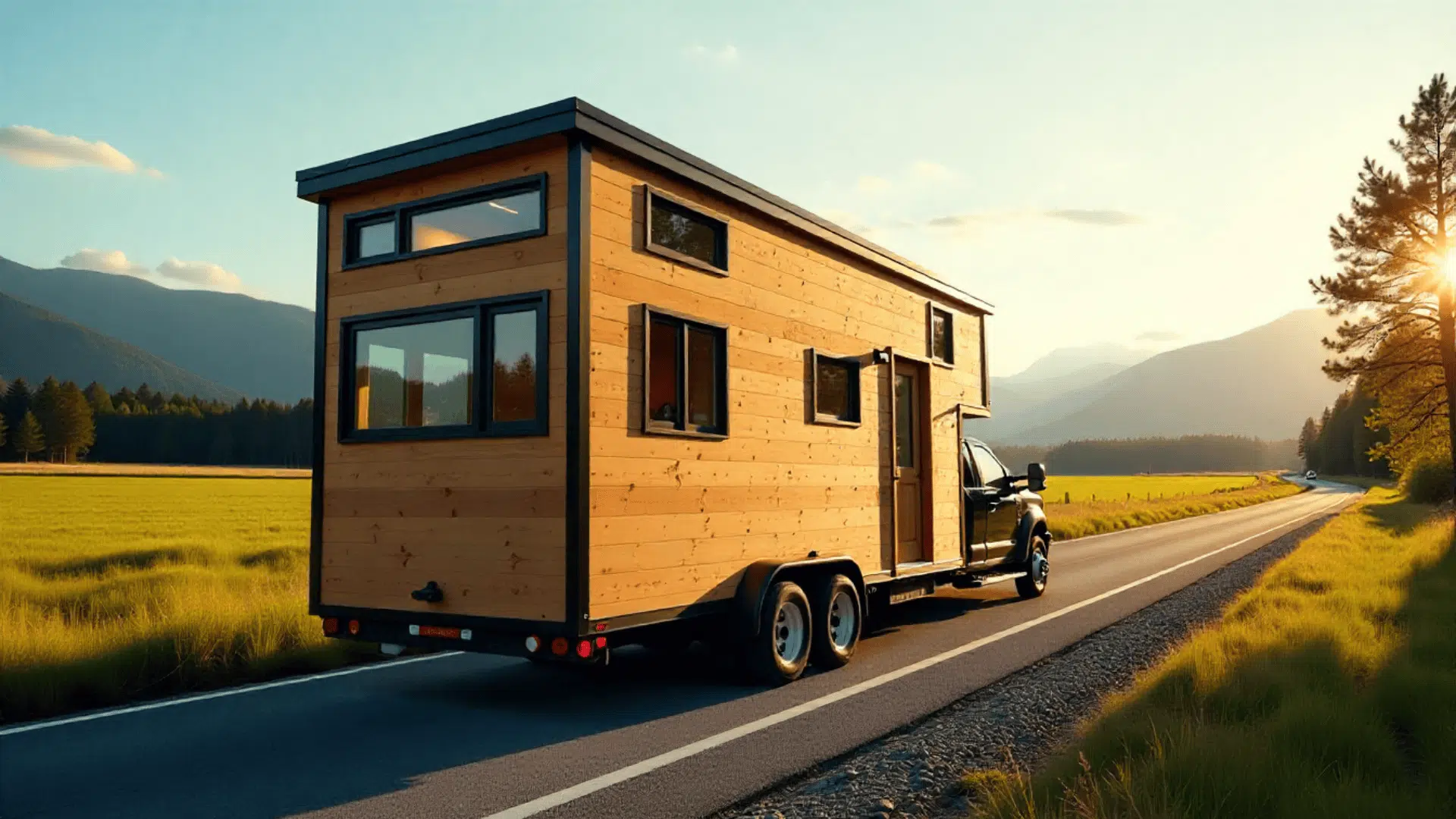
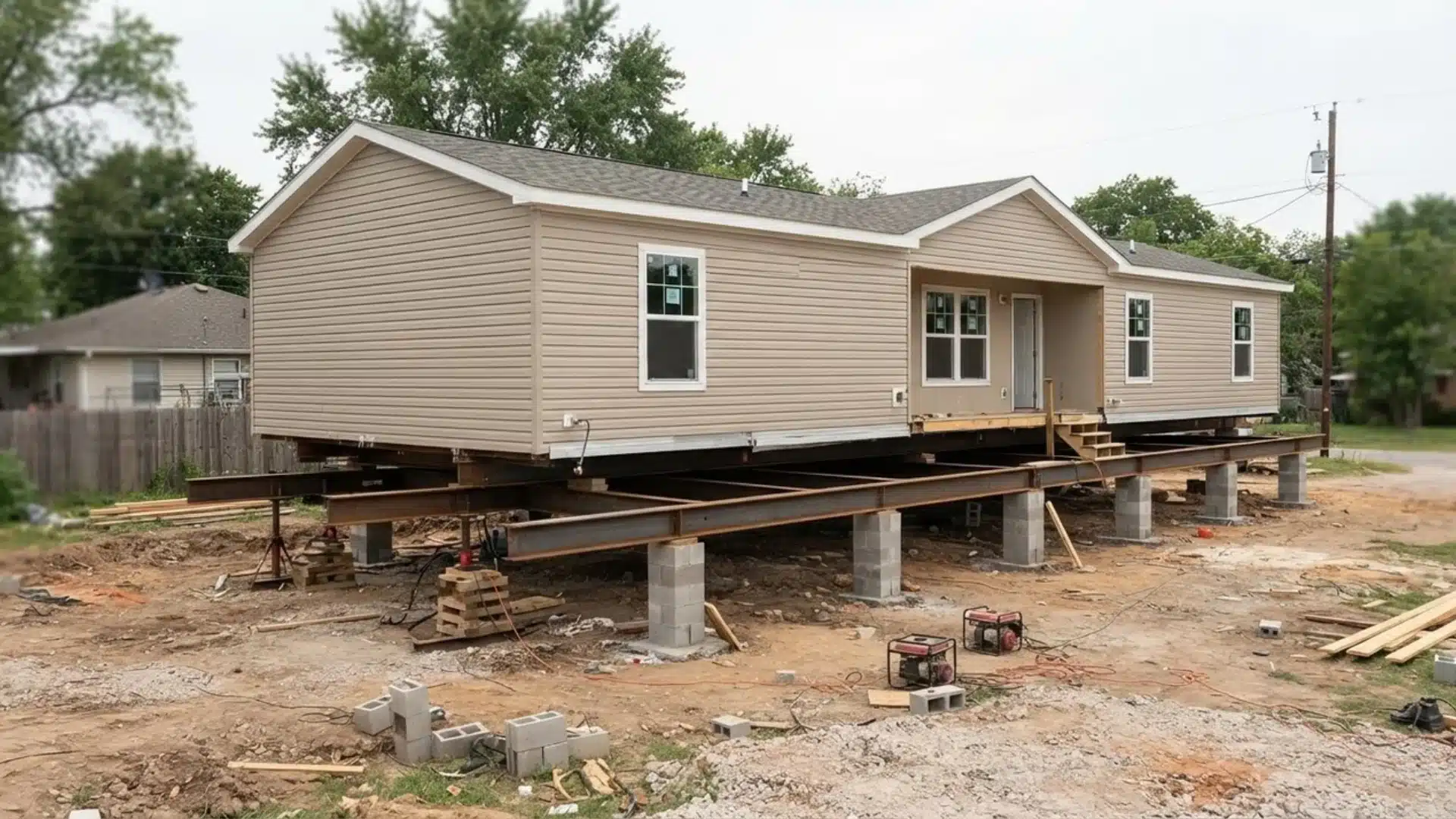
Manufactured homes can be transported as one section or several sections, depending on their size and floor plan.
Once the sections reach the property, installers position the home, connect sections when required, secure it according to installation standards, and complete utility connections.
Site work can vary based on the home, foundation system, soil conditions, local rules, and property layout.
Those installation details affect how the home sits on the property, but its manufactured-home classification begins with how it was originally constructed.
Manufactured Home vs. Mobile Home and Modular Home
Manufactured, mobile, and modular homes are often grouped together because all three can involve factory construction. Their legal and construction differences are much more important than their outward appearance.
The table below highlights the main distinctions.
| Comparison Point | Manufactured Home | Mobile Home | Modular Home |
|---|---|---|---|
| Typical Build Date | On or after June 15, 1976 | Before June 15, 1976 | No HUD cutoff date |
| Construction Standard | Federal HUD Code | Pre-HUD Code requirements | State or local building codes |
| Construction Location | Factory | Factory | Factory |
| Structural System | Built on a permanent chassis | Usually transportable | Built in modules for site assembly |
| Governing Rules | Federal standards | Older requirements | Rules for the final location |
| Main Identifier | HUD construction classification | Pre-1976 factory construction | Local-code modular construction |
| Does Appearance Decide? | No | No | No |
The simplest way to separate these housing types is to check the construction date, governing building standard, and documentation rather than relying on what the property looks like from the outside.
Why Does Manufactured Home Classification Matter?
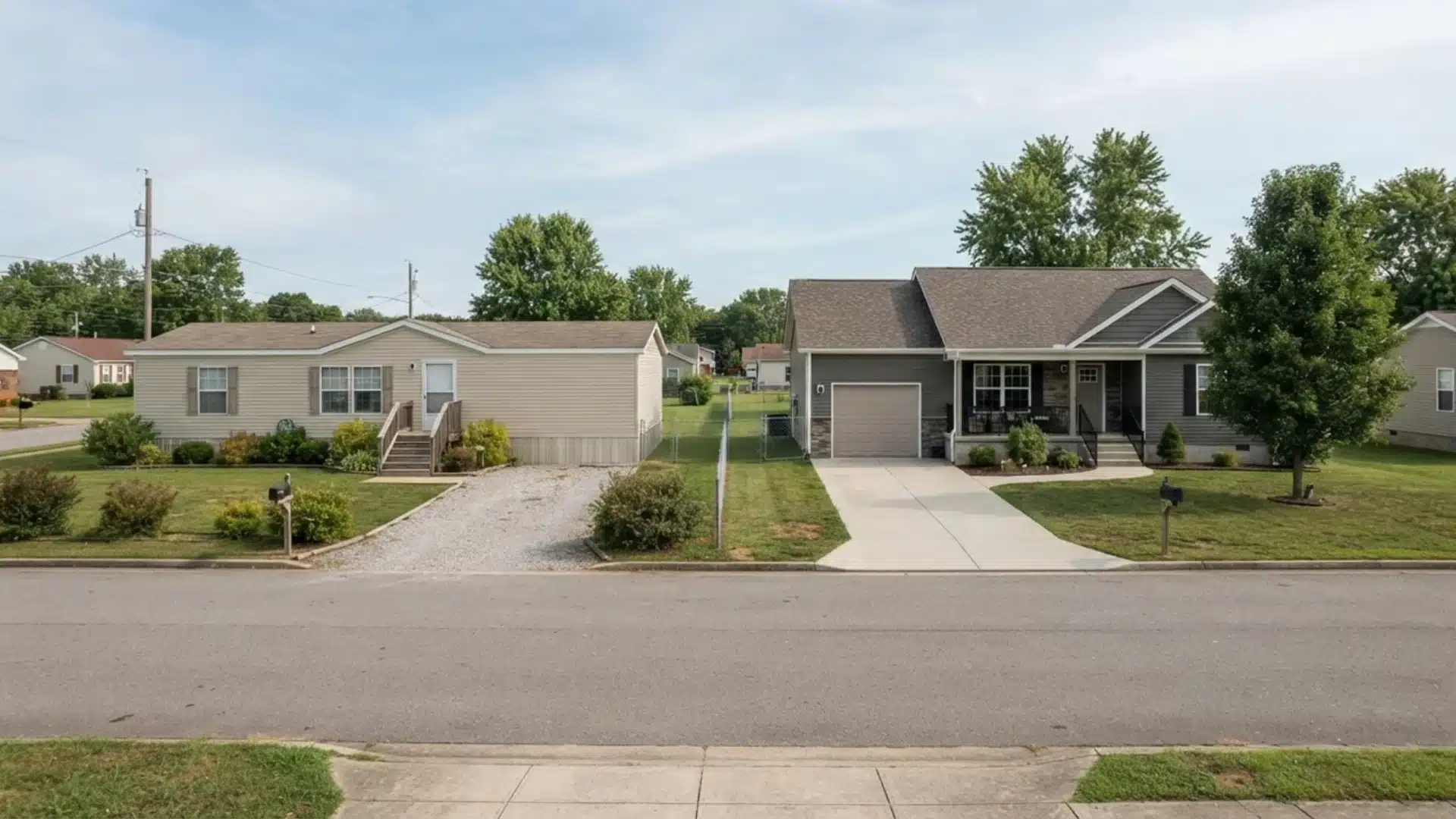
Manufactured-home classification affects more than the wording used in a property listing. It can influence several parts of buying, owning, financing, and selling the home.
Financing: Loan options may depend on how the home is titled, where it is installed, whether the land is included, and other lender requirements.
Insurance: Manufactured homes may require policies designed for this type of property rather than standard site-built home coverage.
Titling: A home may be treated as personal property or real property depending on state law, ownership arrangements, and applicable requirements.
Installation: States and local jurisdictions may have rules covering placement, foundations, utility connections, permits, and site preparation.
Resale: Buyers, lenders, insurers, and appraisers may ask for documentation confirming the home’s construction details and classification.
The construction classification itself does not disappear because the home receives a permanent foundation or major renovation. However, its treatment for titling, taxation, or real-property purposes can depend on state requirements.
Can a Manufactured Home Have a Permanent Foundation?
Yes. Manufactured homes can be installed on permanent foundation systems when the property, home, and applicable requirements allow it.
A permanent foundation may matter for financing, local installation rules, and how the property is treated for certain legal or lending purposes.
What it does not do is turn a manufactured home into a modular or site-built home. The original construction classification remains tied to how the home was produced.
Foundation systems can vary, so buyers should check installation records and local requirements rather than assuming every manufactured home uses the same setup.
How Can You Tell If a Home Is Manufactured?
Appearance alone is not reliable, especially with newer homes that can closely resemble traditional houses.
A better approach is to check records and identifying information.
Useful details may include:
- Manufacture Date: Check when the home was produced, especially if it is close to the June 15, 1976 cutoff.
- HUD Certification Information: Manufactured homes built under HUD standards should have identifying certification information.
- Data Plate: Interior documentation may contain manufacturer and construction information.
- Title Records: Property or vehicle-style title documents may identify the structure as manufactured housing.
- Seller Documents: Ask for installation, ownership, foundation, or previous financing paperwork when available.
I would rely on records before relying on a listing description because sellers and agents sometimes use “mobile,” “manufactured,” and “modular” interchangeably.
What Should You Check Before Buying a Manufactured Home?
Once you know the property is a manufactured home, the next step is checking how that classification affects the specific purchase.
Look closely at:
- The home’s manufacture date and identifying information
- Ownership of the land beneath the home
- Whether the property has a separate home title
- Foundation and installation documentation
- Local zoning and placement requirements
- Insurance availability
- Financing requirements
- Property taxes or other ongoing charges
- Community or lot fees, when applicable
- Repair and maintenance history
These details provide a much clearer view of the actual purchase than exterior condition alone.
A well-maintained home can still come with complicated ownership or land arrangements, while an older-looking property may have clear documentation and straightforward financing. Paperwork matters.
Wrapping It Up
Understanding what is a manufactured home makes it easier to compare properties based on facts instead of labels or appearance. A modern manufactured house is defined mainly by its factory construction, federal standards, permanent chassis, and original classification.
I would check the construction date, HUD information, title records, foundation documents, and land arrangement before making assumptions about any property. My main takeaway is that appearance tells only part of the story.
Once those details are clear, comparing financing, insurance, ownership costs, and resale considerations becomes much easier before committing to a purchase.
Frequently Asked Questions
Is a manufactured home the same as a mobile home?
Not exactly. Mobile home generally refers to factory-built homes produced before June 15, 1976, when federal manufactured housing standards took effect. Homes built afterward under applicable HUD standards are classified as manufactured homes. People still use the terms interchangeably in casual conversation, but the technical distinction comes down to construction date and regulation.
Is a manufactured home the same as a modular home?
No. Both can be built in factories, but they follow different construction systems. Manufactured homes are built under federal HUD manufactured housing standards and use a permanent chassis. Modular homes are built in sections in accordance with the state or local building codes that apply where the finished home will be installed.
Can a manufactured home be placed on a permanent foundation?
Yes. A manufactured home can be installed using a permanent foundation system when the site, home, and applicable requirements allow it. The foundation does not change the home’s original classification. It remains a manufactured home because that classification comes from its construction method, governing standards, and permanent chassis.
How long can a manufactured home last?
A manufactured home’s lifespan depends on construction quality, installation, climate, maintenance, moisture control, and ongoing repairs rather than its label alone. Modern manufactured homes are built to federal construction and safety standards, but there is no single lifespan that applies to every home. Condition and maintenance history matter more than a universal age figure.