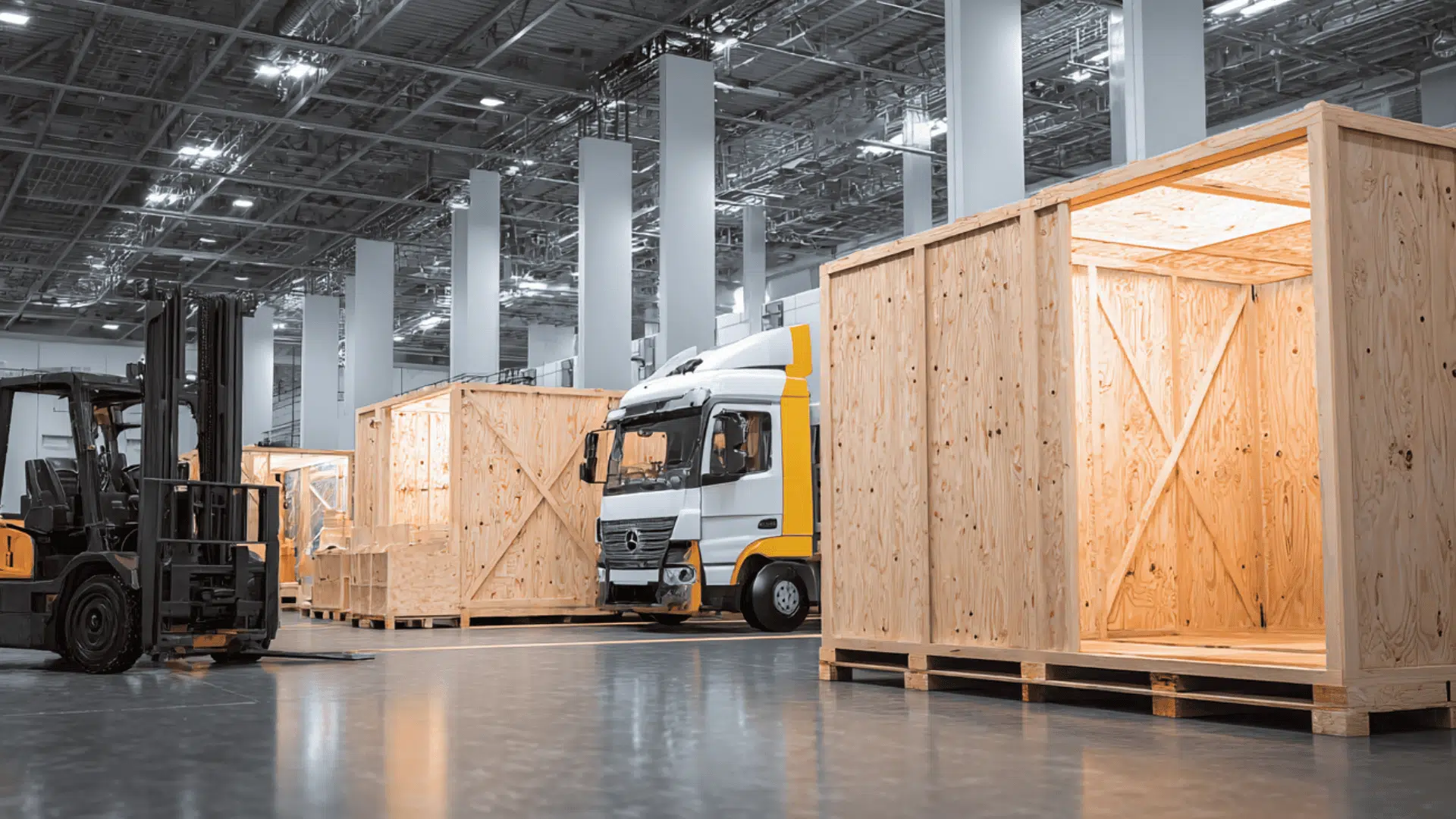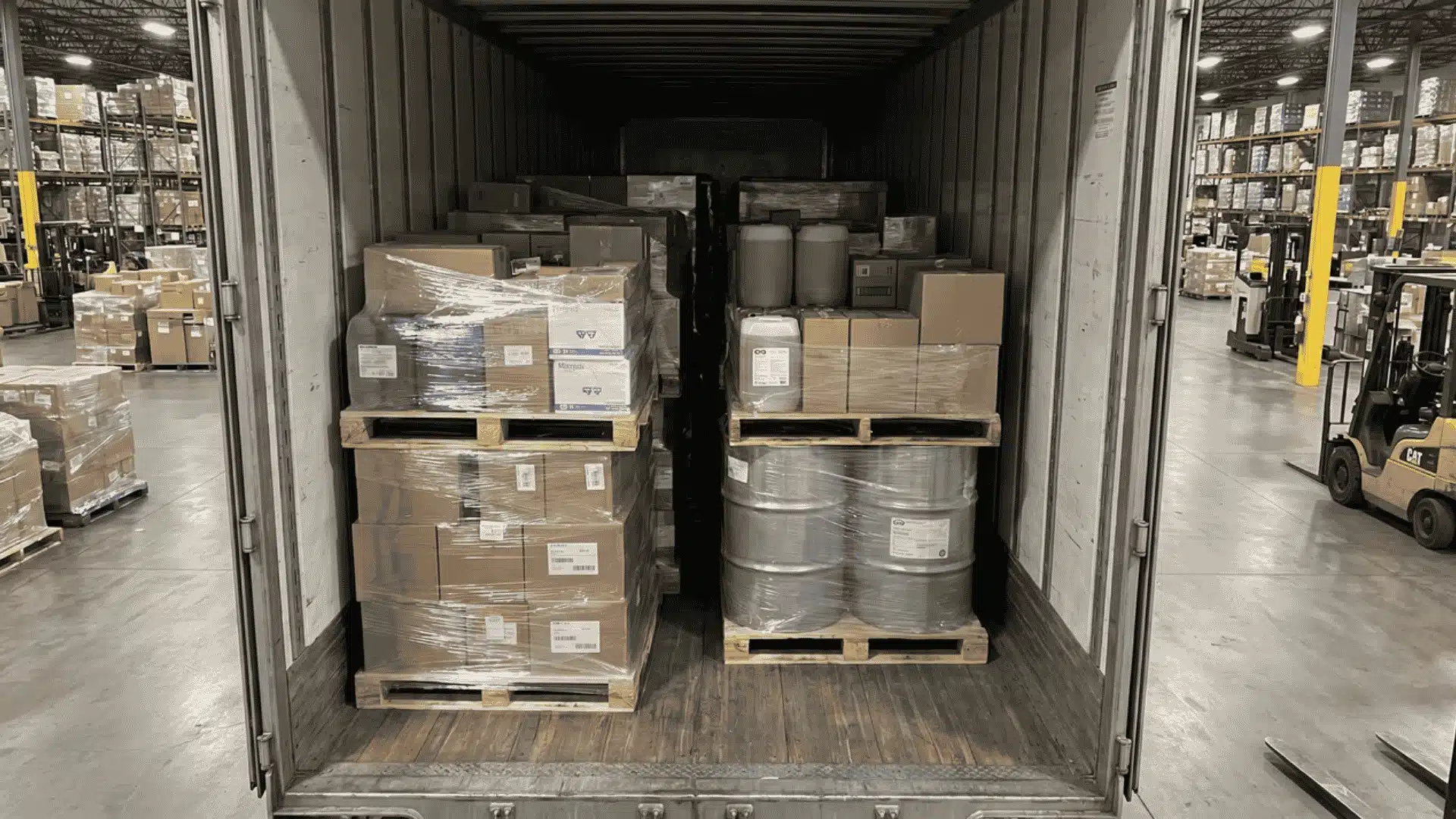
LTL freight, or Less-Than-Truckload, sits between parcel services and full-truckload shipping, designed for loads too large for couriers but too small to fill a truck on their own.
Businesses that regularly ship palletized freight rely on LTL to control costs without committing to full trailer capacity on every outbound lane. It works by combining your load with other shippers’ freight headed in the same direction, so you pay only for the space you use.
Pricing, terminal handling, freight class, and documentation each shape whether LTL delivers the savings it promises or produces unexpected charges after delivery.
Here you’ll find a clear breakdown of what is LTL freight, how it works, what it costs, and what you need before your first shipment.
What Does LTL Stand for In Shipping?
LTL (Less-Than-Truckload) freight is a shipping method where cargo shares trailer space with other shippers, paying only for the space it occupies.
It falls between parcel services and full-truckload (FTL) shipping. Parcels are small, usually under 150 lbs, and handled through automated sortation systems.
If you’re new to the basics, see our guide on Less-Than-Truckload shipping before comparing costs, freight classes, and carrier options
FTL dedicates a full trailer to one shipper. LTL handles loads that are too large for parcels but too small to fill a truck, saving costs by avoiding unused space.
Typical LTL shipments range from 150 lbs to 10,000 lbs, often palletized, occupying one to six pallets or less than 12 linear feet of trailer space.
Carriers may classify shipments differently based on weight and density. An 8,500-lb dense shipment could still move as LTL, depending on the carrier’s guidelines.
The key is trailer consolidation. LTL combines multiple shippers’ freight moving in the same direction, making it cost-effective and efficient for carriers and shippers.
Is FedEx Freight considered LTL? FedEx Freight is considered LTL. It runs one of North America’s largest LTL networks, with terminals and linehaul fleets. Shipments that don’t fill a trailer move as LTL under its model.
How LTL Freight Actually Moves?
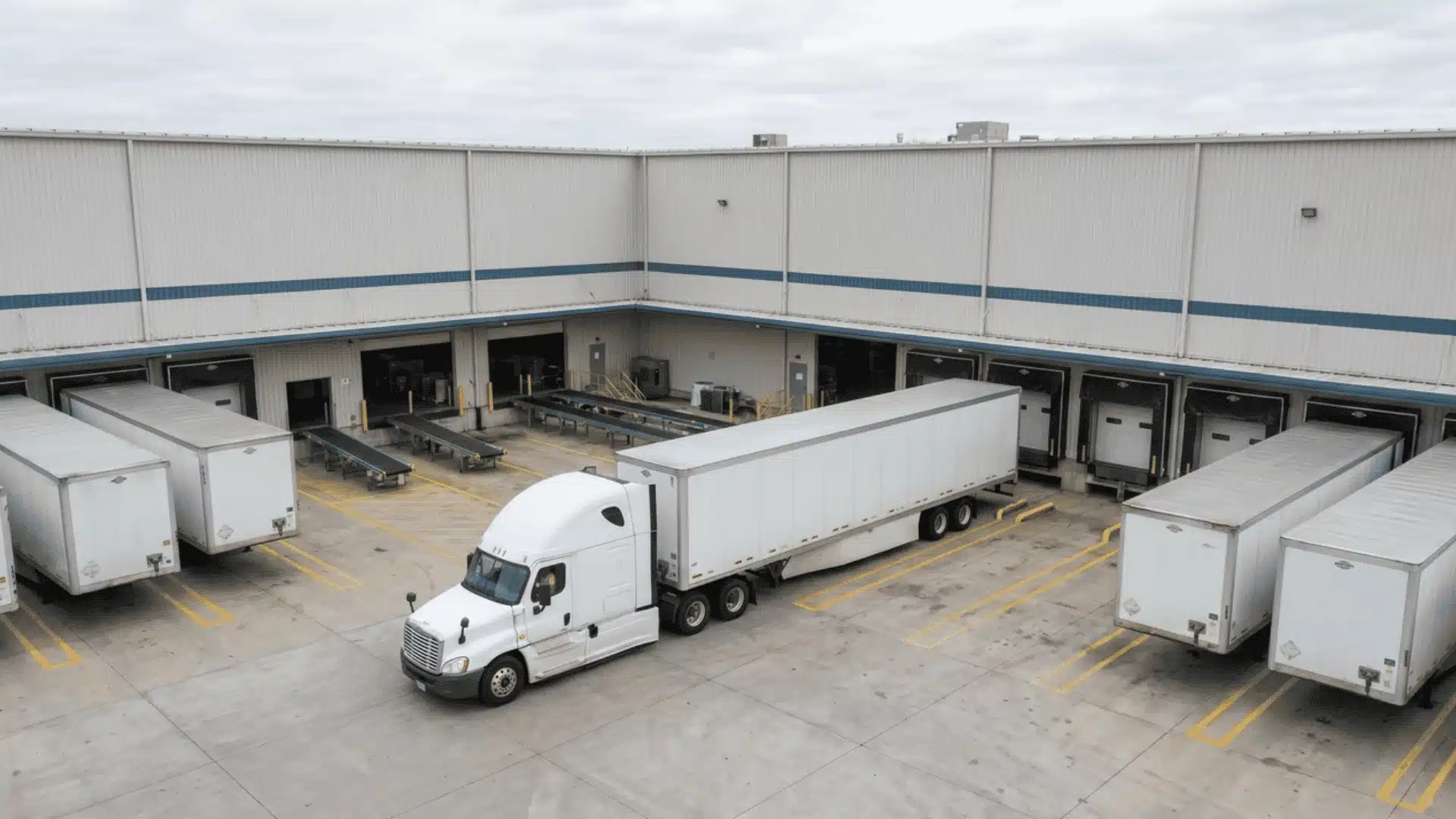
LTL freight moves through a hub-and-spoke network. Shipments are picked up locally, consolidated at terminals, transported between hubs, and delivered from the destination terminal.
This differs from parcel shipping, which uses automated sortation for speed. LTL aggregates freight from multiple shippers, making linehaul runs economically efficient but slower.
The Four Stages of an LTL Shipment
LTL freight moves through multiple stages, combining pickups, terminal sorting, linehaul transport, and final delivery to efficiently handle shared shipments.
- Pickup: A local P&D driver collects palletized freight from multiple shippers, loading it onto a local trailer with a Bill of Lading (BOL) for tracking.
- Terminal consolidation: Freight is unloaded at a regional terminal, sorted by destination, and staged for linehaul trailers. Shipments may wait hours or overnight.
- Linehaul: Consolidated trailers transport freight between terminals. Long-distance shipments may pass through multiple hubs, each where they are unloaded, sorted, and reloaded onto outbound trailers.
- Final delivery: At the destination terminal, freight is sorted into local runs. A P&D driver completes the last-mile delivery to the consignee’s address.
Understanding these stages helps shippers prepare properly, ensuring timely delivery, minimizing damage, and maximizing the efficiency of the LTL network.
Why Terminal Handling Affects Transit Time and Damage Risk?
Each terminal transfer is a separate handling event, affecting transit time and the risk of damage. Freight is physically moved, not automated, creating touchpoints that can lead to delays or misrouting.
Transit time is estimated, not guaranteed. Consolidation, volume, weather, and terminal capacity influence delivery schedules. LTL moves on shared schedules, unlike FTL’s direct transport.
Proper preparation reduces risk. Palletized, labeled, and durable freight moves reliably through terminals.
Shrink-wrap freight to the pallet, keep height under 84 inches, and place fragile items on top with orientation labels. Carriers do not repack between terminals.
Terminal consolidation enables LTL’s cost efficiency, while careful packaging ensures shipments arrive safely.
How LTL Freight is Priced: Freight Class and What it Costs You?
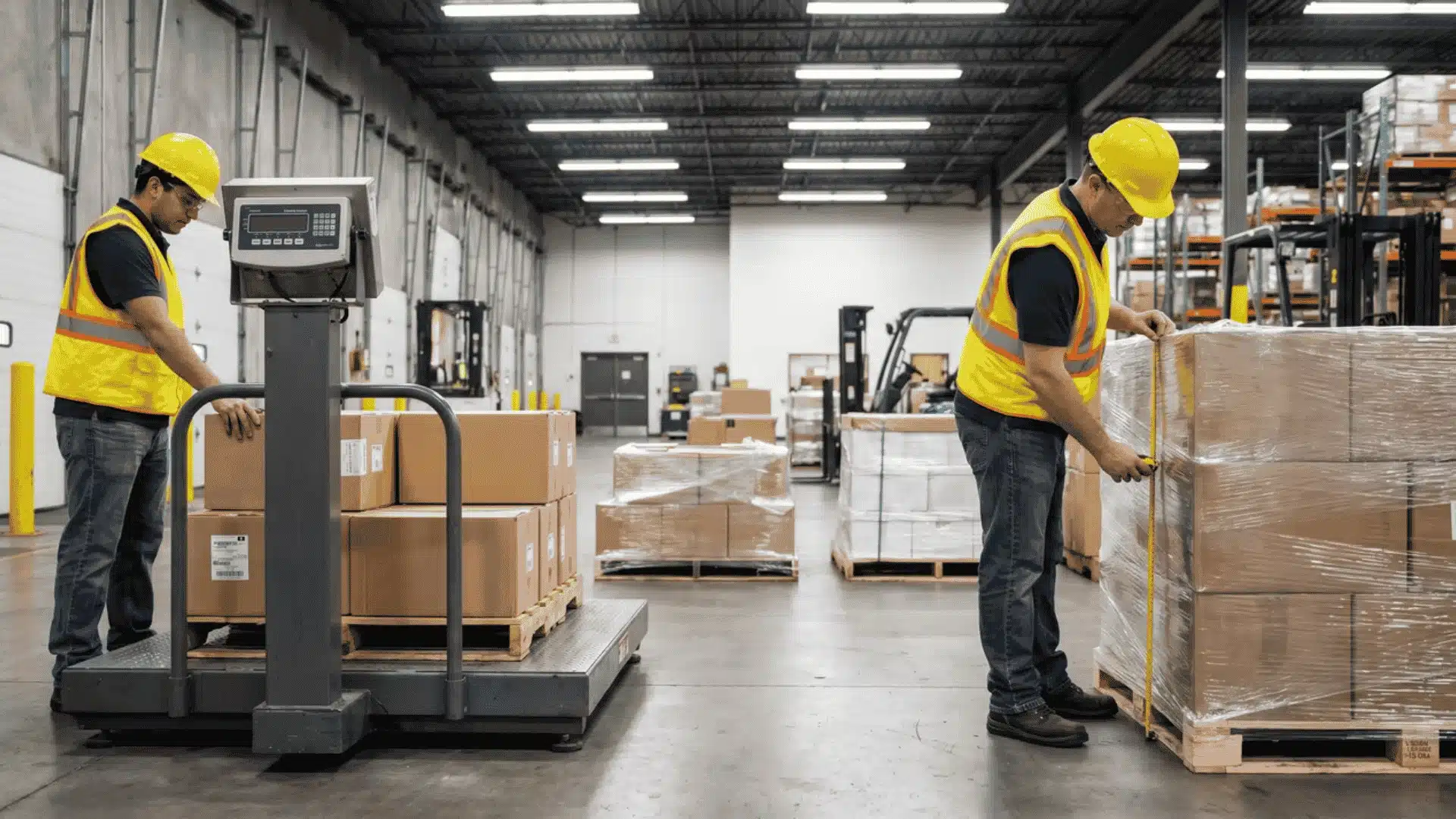
LTL pricing is primarily based on freight class, a standardized rating that determines your base rate per hundredweight (CWT). Accurate classification is critical to avoid unexpected costs.
At booking, shippers declare their shipment’s class. Carriers quote a rate based on that class. After delivery or during audits, the carrier may reweigh or measure the shipment.
If verified specifications differ from the declaration, a re-rate occurs. The invoice is revised to reflect the corrected class and weight, often increasing the cost beyond the original quote.
What Freight Class Means and How it’s Calculated?
Freight class groups shipments based on density, stowability, handling, and liability.
The NMFC (National Motor Freight Classification) system defines 18 freight classes, from Class 50 to 500. Lower classes indicate dense, easy-to-handle freight with lower rates; higher classes are lighter, bulkier, or riskier, costing more.
Understanding these factors helps shippers estimate costs and avoid unexpected charges during LTL shipping.
- Density: Density is weight divided by volume in cubic feet. Denser freight earns lower class numbers and rates, while lighter loads on the same pallet increase class and cost.
- Stowability: How easily freight fits with other shipments. Odd shapes or hazardous items increase cost.
- Handling: Special loading or unloading requirements, including fragile or orientation-sensitive items.
- Liability: Shipment value and risk of damage. Higher-value freight carries higher rates.
For most shipments, density drives class. Proper measurement and awareness of stowability, handling, and liability ensure accurate pricing and prevent costly misclassification.
Re-Rating: Why Your Final Invoice May Differ?
A re-rate occurs when verified weight or dimensions differ from your declaration. Carriers revise the invoice to reflect the correct class and weight.
Common triggers include underestimated weight or incorrect dimensions, especially height. Density changes shift class, increasing cost. Re-rates are applied post-delivery, once the shipment has moved.
FTL pricing avoids re-rates with flat, negotiated rates. LTL requires disciplined measurement and class verification to maintain cost advantages over FTL.
Accessorial Charges that Affect Total Cost
LTL base rate is only the starting point. Accessorial charges for additional services can increase the total cost if not identified and declared at booking.
- Liftgate service: Required where no loading dock exists; a hydraulic lift lowers freight to ground. Undeclared liftgate triggers extra fees.
- Residential delivery: Stops at homes or classified residential locations incur separate charges for longer handling and special routing.
- Inside delivery: Moves freight beyond the dock or curb into the facility; adds cost if not booked.
- Notification charges: Carrier must call ahead to schedule delivery, adding fees beyond standard routes.
- Fuel surcharges: Adjusted based on published fuel indices; percentage of base rate, varying weekly or monthly.
Identifying all applicable accessorials at booking prevents unexpected charges. Proper planning ensures LTL shipping remains cost-effective, avoiding back-end adjustments that erode the freight savings.
When LTL is the Right Choice and When it Isn’t?
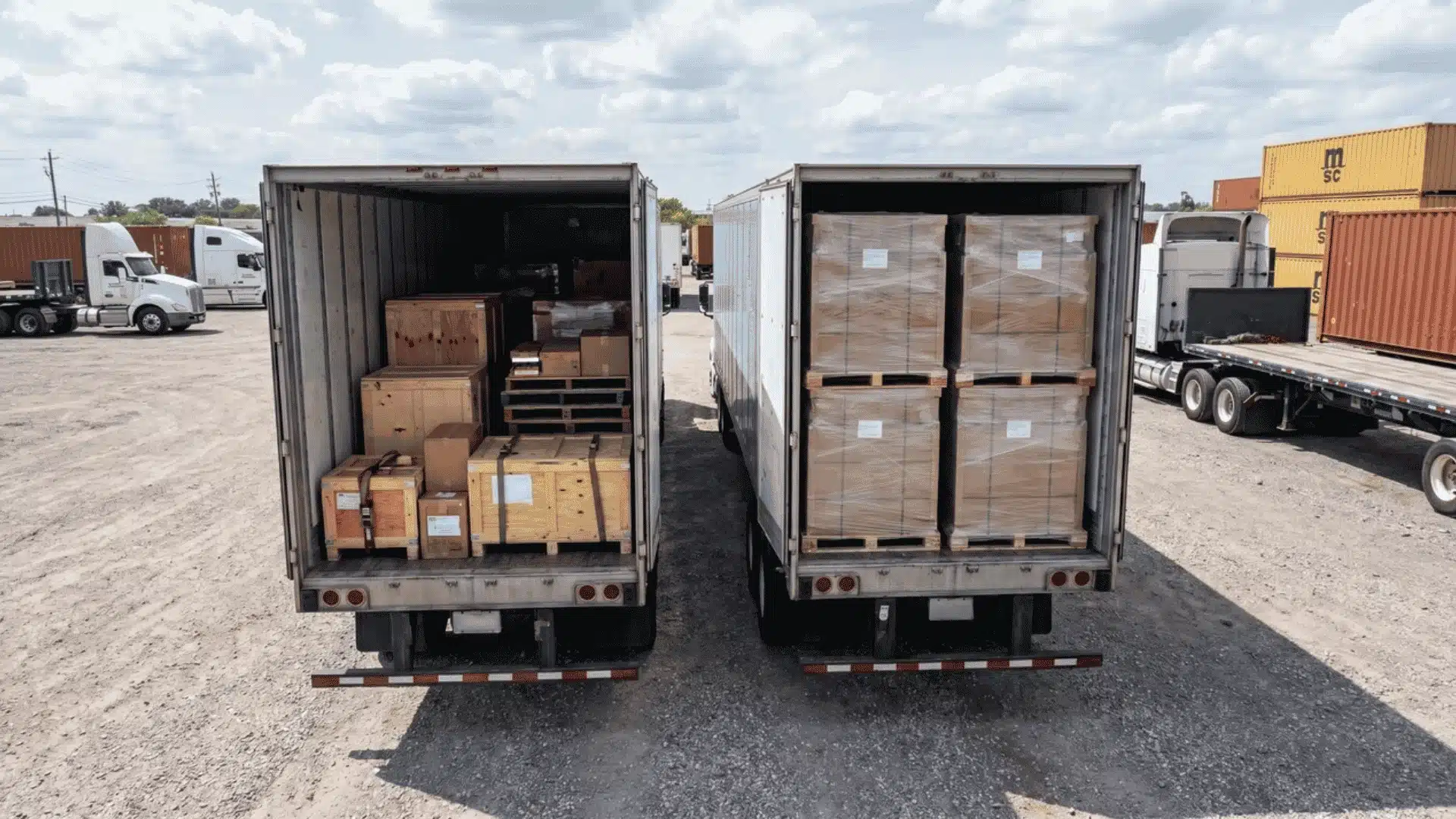
Choosing LTL isn’t just about size. It depends on whether your shipment aligns with the shared-network model, your timeline, and your tolerance for variable transit times.
LTL is best for shipments that are too heavy for parcel carriers but not large enough to justify a full truckload. Flexibility and cost-efficiency matter most.
Shipments must withstand multiple handling touchpoints. Savings from shared trailer space make LTL ideal, but when conditions don’t hold, other shipping modes may be more cost-effective.
Shipment Profiles that Fit LTL
The sweet spot for LTL is a shipment between 150 lbs and 10,000 lbs, typically one to six pallets or under 12 linear feet, with transit running two to five business days, depending on lane distance and terminal volume.
Businesses that ship regularly but at below full-truckload volumes rely on LTL. B2B replenishment, distributor deliveries, and wholesale order fulfillment are common use cases.
Ecommerce brands that ship to both consumers and retail accounts often ship outbound B2B orders via LTL. Small manufacturers also use it to reach multiple regions economically.
LTL reduces environmental impact by consolidating multiple shippers’ freight in one trailer, lowering per-shipment fuel use and cutting Scope 3 emissions for sustainability reporting.
When FTL or Parcel Makes More Sense?
FTL dedicates a trailer to one shipper, moves point-to-point, avoids intermediate stops, and charges a flat negotiated rate. LTL is cheaper only for partial loads.
LTL’s per-unit cost is lower at smaller pallet counts. For shipments beyond six pallets or high-class freight, LTL can match or exceed FTL pricing, making FTL more economical.
FTL is operationally superior in three scenarios:
- High-value or fragile freight: Terminal transfers increase the risk of damage. FTL seals the trailer at the origin, eliminating intermediate handling.
- Time-definite delivery: LTL windows are estimates; FTL ensures predictable, on-time arrival for production schedules or contracts.
- High freight class: Classes 150+ increase per-CWT rates, sometimes making LTL costlier than FTL, especially with accessorials included.
Shipments under roughly 150 lbs move more efficiently through parcel carriers. Parcel networks handle individual packages quickly, often cheaper and faster than LTL for small loads.
What You Need to Ship LTL? Practical Requirements
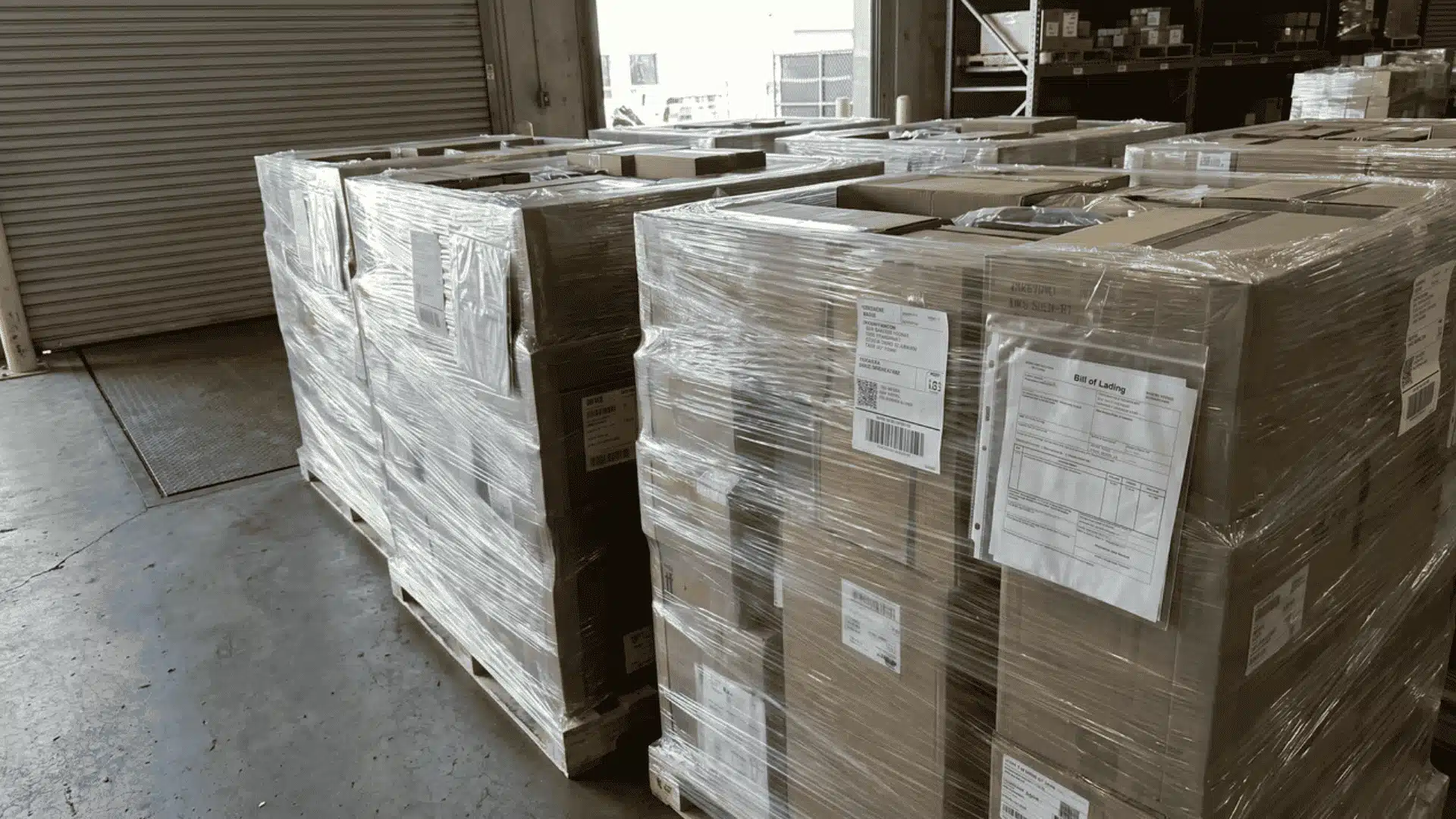
Shipping LTL requires careful preparation, accurate shipment details, and proper documentation. Missing information at booking can lead to re-rates, delays, and extra charges.
Preparation ensures freight moves efficiently through the shared-network model. Accurate weight, dimensions, class, and accessorials protect cost and prevent problems during transit.
Every field entered at booking affects the quote and final invoice, so correct declarations are critical for smooth handling through the LTL network.
To successfully book LTL, ensure the following key requirements are met:
- Freight Preparation: Palletized or crated freight is required. Secure wrapping, correct pallet size, and stable loads prevent damage and interference with other shipments.
- Shipment Specifications: Provide exact weight (loaded pallet), dimensions (length × width × height), freight class or commodity description, origin and destination zip codes, and declared value.
- Freight Class: Must be declared accurately at booking. Use NMFTA lookup tools if unsure. Incorrect class triggers re-rating and additional charges.
- Bill of Lading (BOL): Identifies shipper, consignee, freight description, class, weight, piece count, and special instructions. Verify against physical freight to prevent discrepancies.
- Accessorial Services: Declare all non-standard requirements: liftgate, residential delivery, inside placement, appointment delivery, or notification. Undeclared services increase cost if added mid-transit.
- Freight Terms: Specify who pays: prepaid (shipper), collect (consignee), or third-party billing. Terms on BOL govern invoicing and payment responsibility.
Meeting these requirements ensures your LTL shipment moves smoothly, avoids unexpected charges, and arrives safely and on time.
Wrapping Up
What is LTL freight, really? It’s a shared-capacity model that works precisely when your shipment fits it, the right size, accurate specs, and every accessorial declared upfront.
Freight class determines your base rate; terminal handling shapes your transit risk; your BOL governs everything the carrier does with your load.
Now you know what separates a smooth LTL shipment from one that arrives with a re-rate and unexpected charges attached to the invoice.
Get your dimensions right, confirm your freight class, and book with confidence. Your first LTL shipment starts with the details you control.
Frequently Asked Questions
What does LTL stand for in freight?
LTL stands for Less-Than-Truckload, a shipping method in which multiple shippers share a single trailer, each paying only for the space their freight occupies.
What is freight class in LTL shipping?
Freight class is an NMFTA rating from 50 to 500 that determines your LTL base rate, calculated primarily using your shipment’s density per cubic foot.
What is the difference between LTL and FTL freight?
LTL shares trailer space among multiple shippers, using class-based pricing and terminal stops. FTL dedicates a full trailer to one shipper, moving point-to-point at a flat rate.
Why might my LTL invoice be higher than my quote?
Carriers reweigh and remeasure freight at delivery. If verified specs differ from your booking declaration, a re-rate is issued, revising your invoice upward accordingly.