Global logistics is what keeps international trade moving, connecting manufacturers, suppliers, and customers across borders through coordinated transportation, customs, and storage.
When it works well, goods arrive on time, and costs stay predictable. When it breaks down, a single delay can ripple across the entire supply chain for weeks.
Here you’ll find how global logistics actually works, from the components that hold it together to the disruptions that expose its weak points.
Whether you’re expanding into new markets or managing an existing operation, understanding how goods move internationally is essential to staying competitive.
What is Global Logistics?
Global logistics is the process of moving goods across countries. It includes transportation, customs clearance, storage, inventory management, paperwork, and sharing information.
Unlike domestic logistics, which operates within a single country, global logistics involves crossing international borders and managing goods across multiple regions.
A global logistics company handles all these tasks for businesses, so they can focus on their products. The logistics company handles shipping, customs, storage, and paperwork.
The Core Components of a Global Logistics System
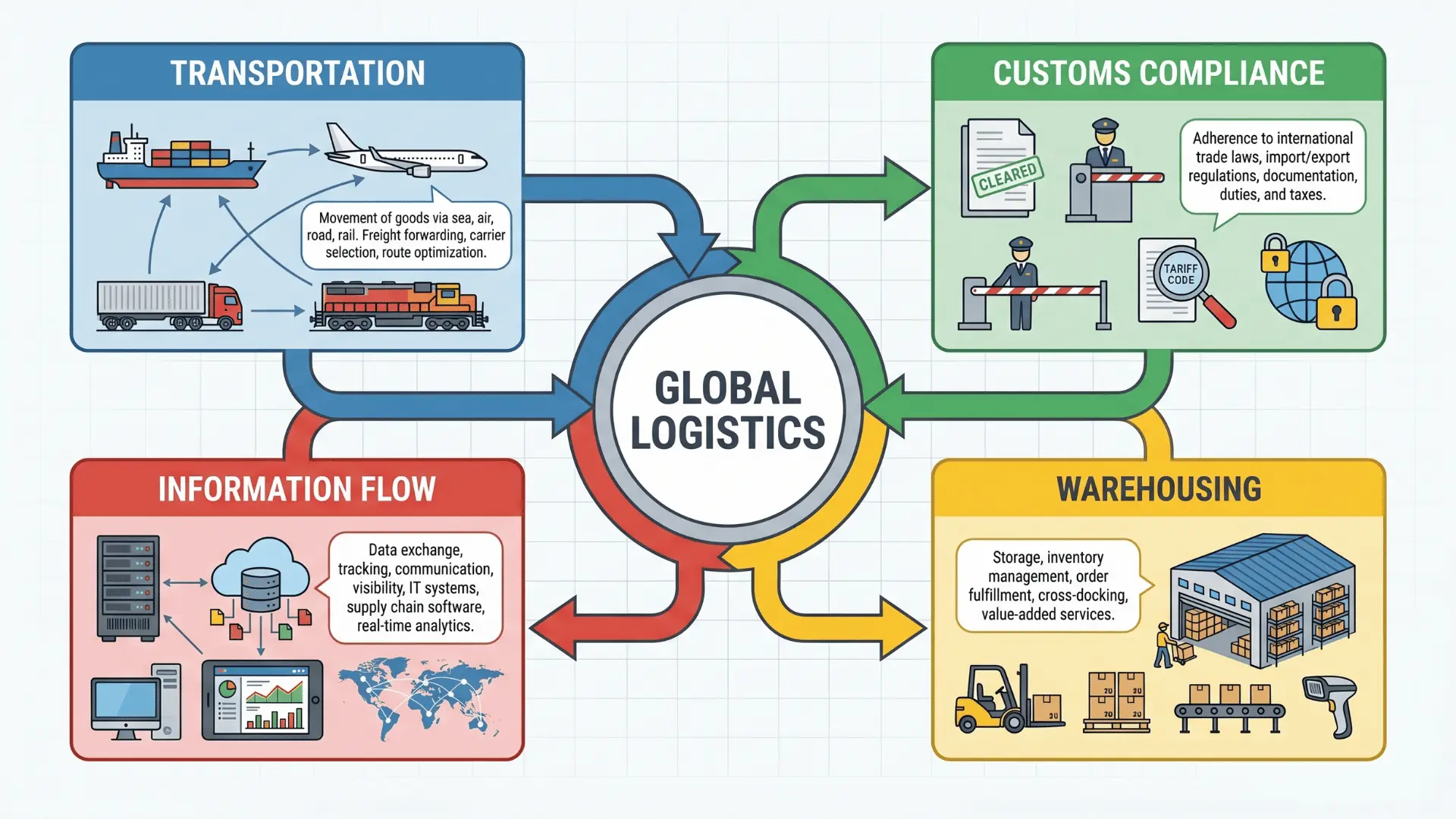
A global logistics system ensures goods move smoothly across borders. It includes four key components: transportation, customs compliance, warehousing, and information flow.
1. Transportation and Multimodal Routing
Transportation is the backbone of logistics.
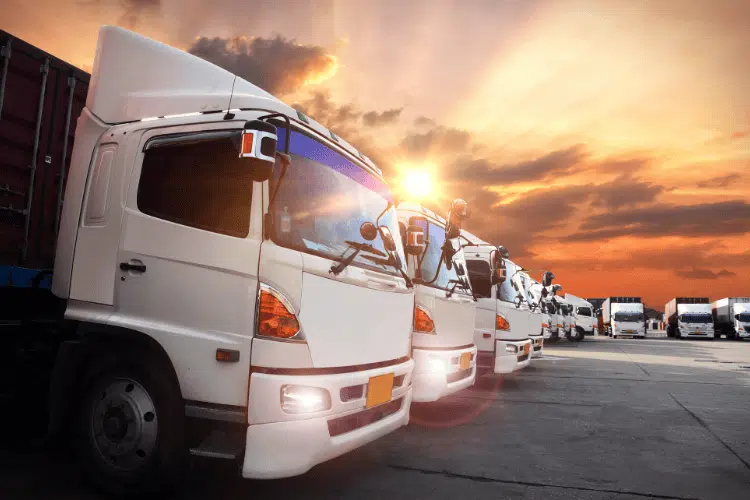
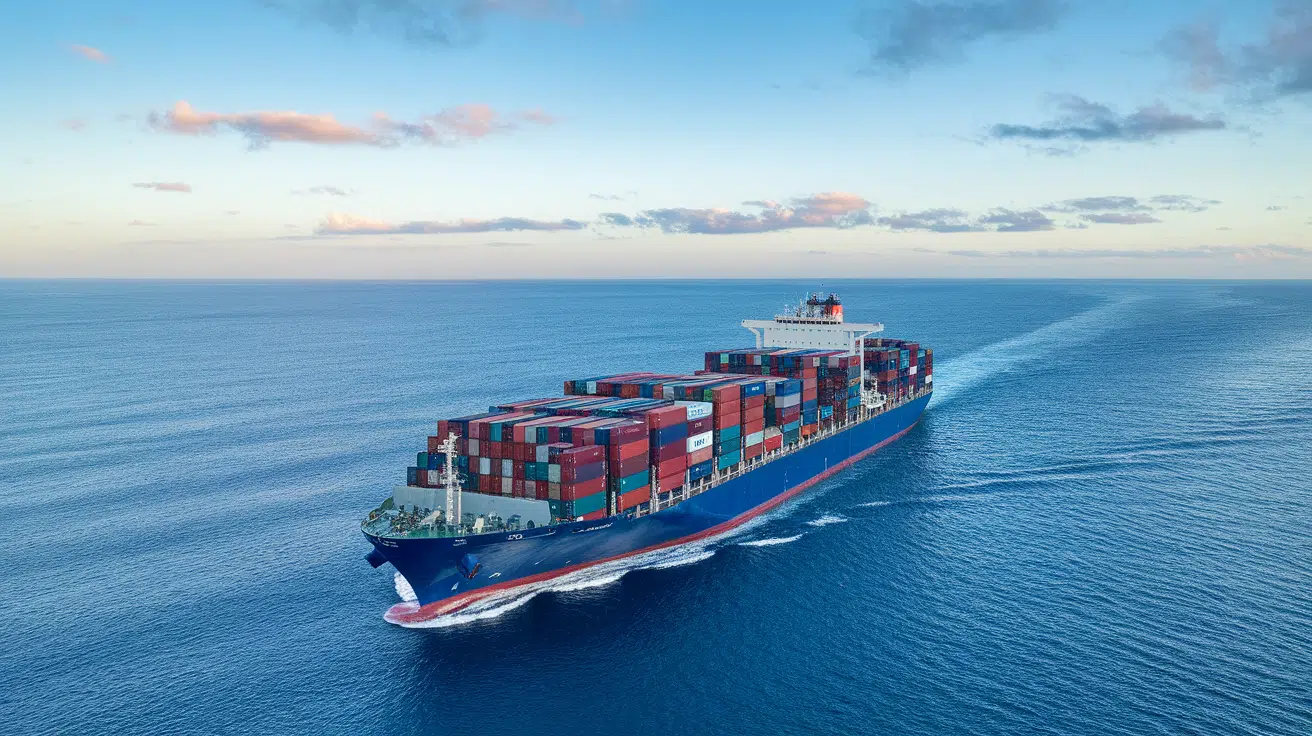
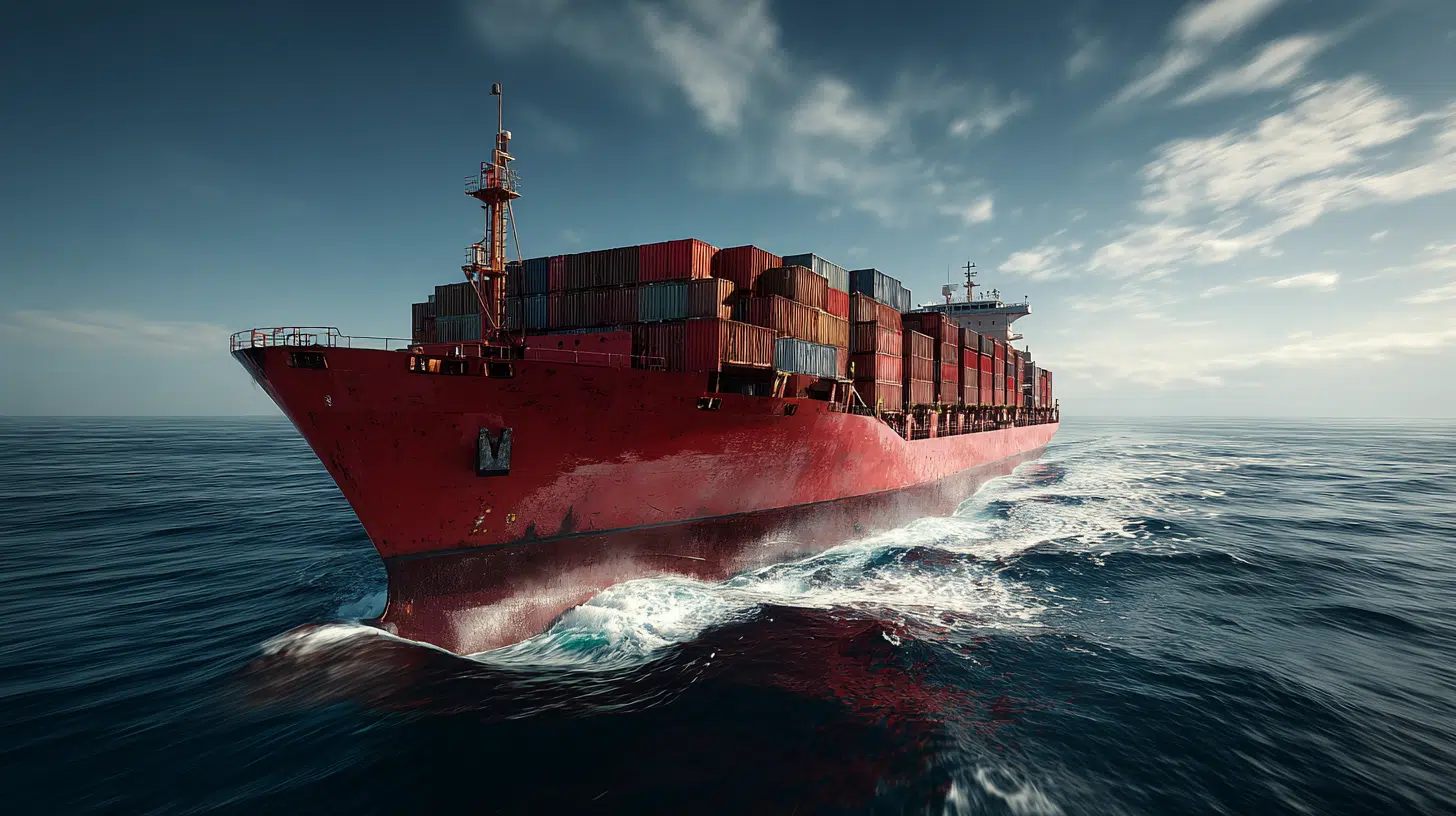
Ocean freight is used for large shipments due to its low cost. Air cargo is faster but more expensive and is used for high-value items. Rail and road transport cover the last stages of delivery.
Freight forwarders help select the right mode of transportation and manage bookings.
2. Customs and Trade Compliance
When products cross borders, they need to go through customs. Every product gets an HS code, which helps calculate the customs duty.
If there are mistakes in the documentation, it can cause delays. Customs brokers or 3PL providers handle this paperwork to avoid any issues.
3. Warehousing and Inventory Management
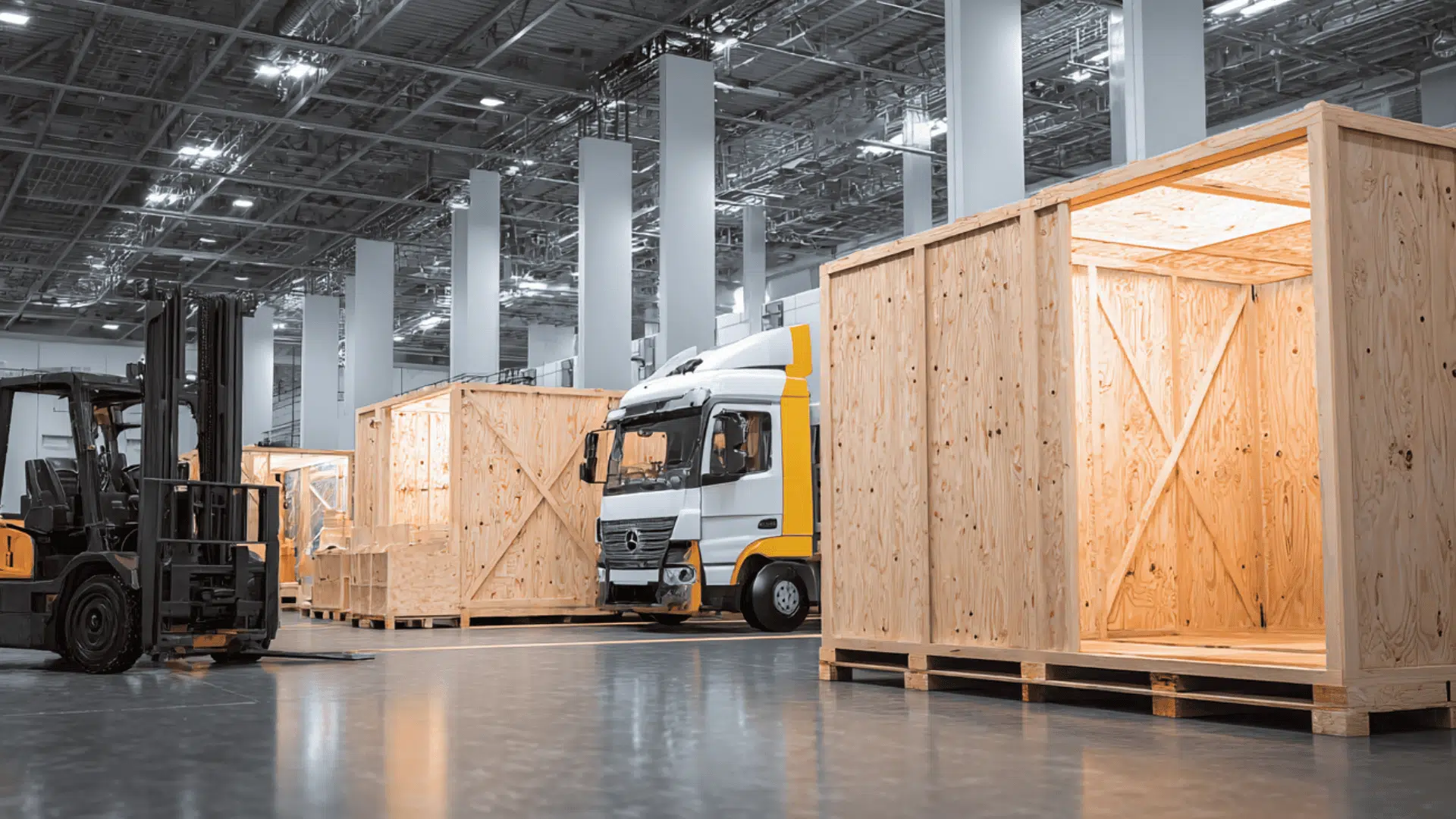
Warehouses store goods while they wait for transport or customs clearance. They also help protect against shipping delays.
Good warehouse management allows businesses to track inventory and reduce storage costs. Freight forwarders or 3PLs (third-party logistics providers) often manage warehouses to make sure the right products are in the right place.
4. Information and Documentation Flows
Documents like bills of lading and invoices support cross-border trade, while EDI systems automate exchanges, reducing delays and paperwork.
Real-time tracking and 3PL providers improve visibility, accuracy, compliance, and shipment coordination throughout transit.
Global logistics runs smoothly when transportation, customs, warehousing, tracking, and documentation work together to reduce delays and costs.
Global Logistics vs. Supply Chain Management
Global logistics handles the physical movement and storage of goods. Supply chain management covers the broader strategy, from sourcing to final delivery.
| Aspect | Global Logistics | Supply Chain Management |
|---|---|---|
| Scope | Focuses on the movement of goods across borders. | Encompasses the entire product lifecycle, from sourcing to delivery. |
| Core Function | Operational execution: transportation, warehousing, customs, and documentation. | Strategic planning: sourcing, production, forecasting, and distribution. |
| Objective | Ensures efficient delivery of goods. | Optimizes the entire supply process to improve efficiency and reduce costs. |
| Management Responsibility | Managed by freight coordinators or 3PL providers. | Managed by procurement managers and supply chain strategists. |
| Key Activities | Freight coordination, customs clearance, and inventory management. | Supplier relationships, production planning, and demand forecasting. |
Both are essential to achieving efficiency and meeting customer demands, but they must work together to create a seamless, successful process.
How Does Global Logistics Work? A Shipment’s Path from Factory to Doorstep
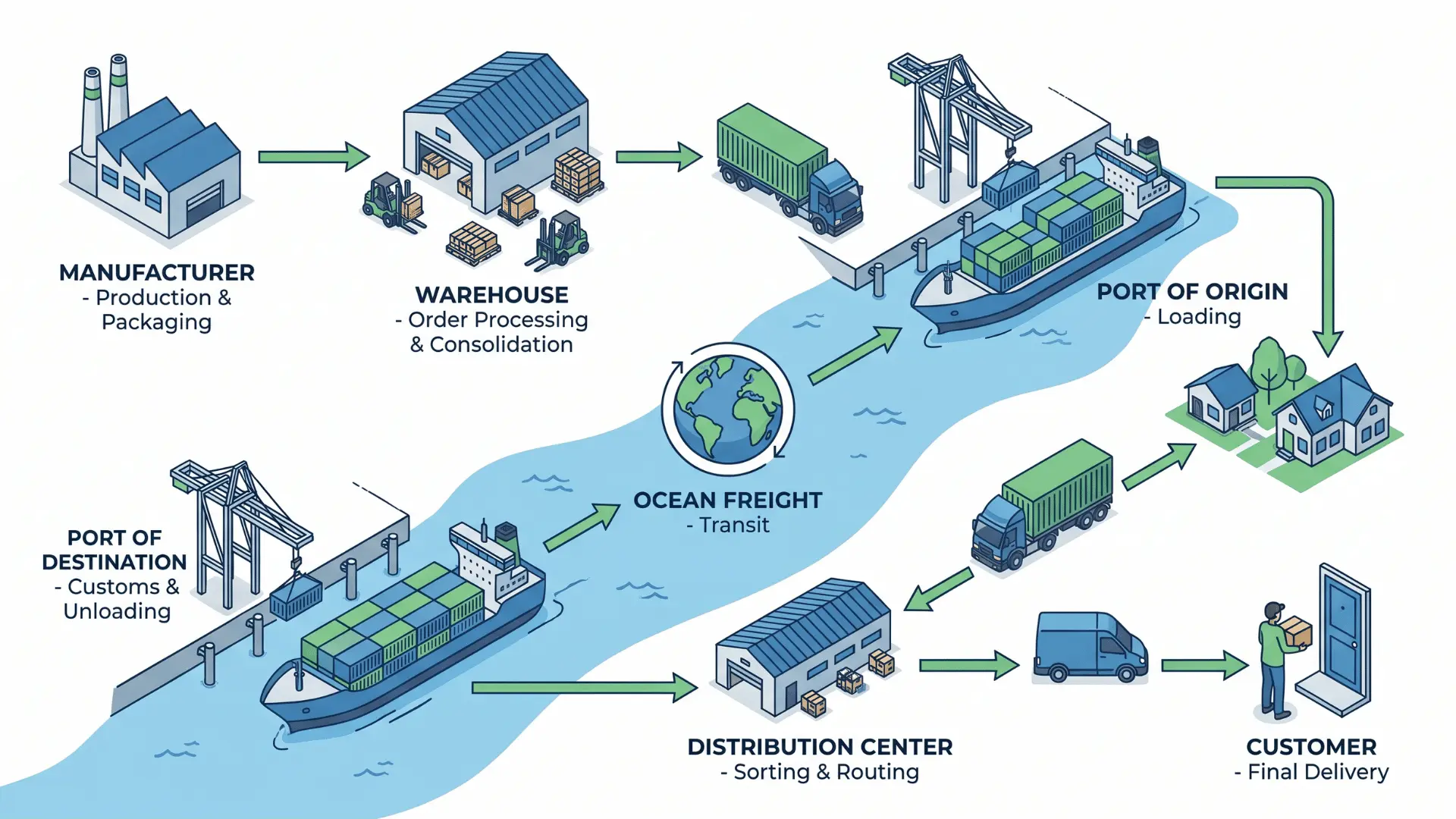
Global logistics moves goods through stages, each handling a specific risk, from geographic distance and customs clearance to last-mile delivery.
- Manufacturer Prepares Goods: Goods and documents are readied, including the commercial invoice, bill of lading, and HS code classification.
- Freight Forwarder Arranges Shipment: The freight forwarder selects a carrier and manages export customs clearance.
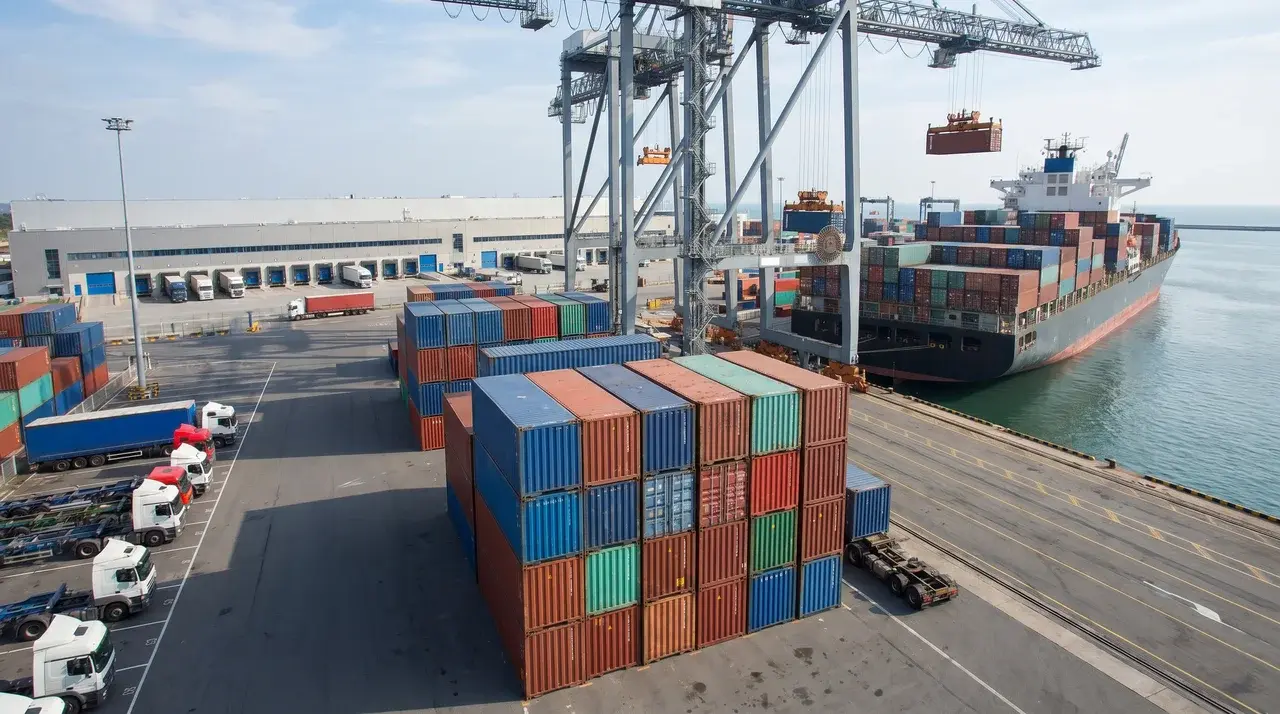
- Goods Move to Port or Airport: Goods are transported for departure. The bill of lading transfers responsibility to the carrier.
- International Transportation: Goods move by ocean, air, or rail based on cost and urgency. Incoterms govern risk transfer.
- Arrival at Destination: Customs authorities receive the shipment for import clearance, verifying the HS code and applicable duties.
- Import Customs Clearance: Documentation and classification are checked. Discrepancies can trigger delays or inspection holds.
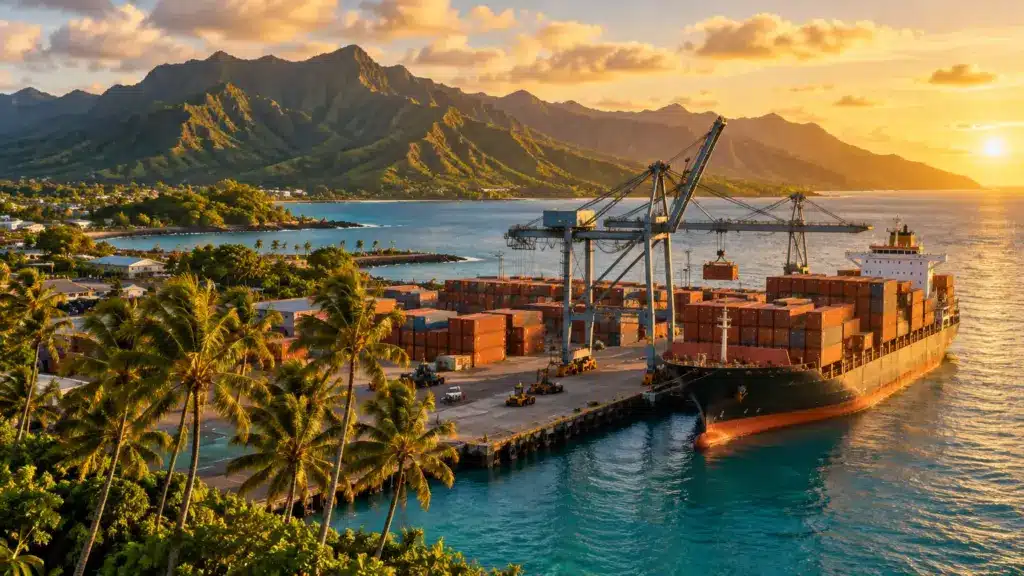
- Release to Warehouse: Cleared goods move to a warehouse or distribution center for storage and inventory management.
- Last-Mile Delivery: Goods are delivered to the end customer, with any remaining DDU duties resolved at this stage.
Throughout this process, various parties are responsible at each stage, with clear documentation to ensure smooth transitions and minimize risks.
Why Does Global Logistics Fail? Understanding the Cascade Effect
In global logistics, one disruption can affect the entire supply chain. Delays caused by port congestion, customs issues, or other problems often spread from one stage to the next because each step depends on the previous one.
For example, a 10–14-day port delay may initially be covered by existing inventory. But as the delay continues, warehouses can run out of stock, retailers may miss orders, and customers may turn to competitors. At the same time, manufacturers may keep producing goods based on outdated demand, creating further inefficiencies.
These effects can continue for weeks or even months, showing how a single issue can impact the entire supply chain.
Factors that Influence the Cascade
The severity of a supply chain disruption often depends on inventory strategy, supplier diversification, and the availability of backup resources.
- JIT and Lean Inventory: Businesses that keep minimal inventory are more vulnerable to disruptions. Even a short delay can quickly lead to stock shortages.
- Multi-Sourcing and Safety Stock: Companies with multiple suppliers, regional distribution centers, and backup inventory can better handle disruptions and reduce their impact.
Businesses with stronger buffers and sourcing flexibility typically recover faster and limit the operational impact of unexpected disruptions.
Common Causes of Disruptions
Supply chain disruptions can originate from infrastructure constraints, regulatory changes, political events, or resource shortages that interrupt the normal flow of goods.
- Port Congestion: Heavy traffic at ports can slow down shipments and create bottlenecks.
- Geopolitical Events: Political conflicts, sanctions, and trade-route restrictions can disrupt the movement of goods.
- Equipment Shortages: Limited availability of containers or transport vehicles can delay shipments.
- Customs Policy Changes: New tariffs, regulations, or customs requirements can slow border clearance.
A single logistics disruption can trigger delays across the supply chain, making risk management and resilience essential for smooth operations.
Why is Global Logistics Central to Business Competitiveness?
Global logistics plays a major role in business success by helping companies control costs, reach markets faster, and deliver a better customer experience.
- Cost Efficiency: Efficient logistics helps lower transportation, storage, and shipping costs, improving overall profitability.
- Speed-to-Market: Strong logistics networks help businesses enter new markets quickly, meet changing demand, and support growth across regions.
- Customer Experience: Reliable deliveries, shipment tracking, and smooth returns improve customer satisfaction and encourage repeat business.
- Access for Smaller Businesses: 3PL providers help small and mid-sized businesses use global logistics services without investing in their own infrastructure, making expansion easier.
Businesses that manage logistics effectively are better positioned to reduce costs, serve customers efficiently, and stay competitive in global markets.
Top Companies that Provide Global Logistics Services
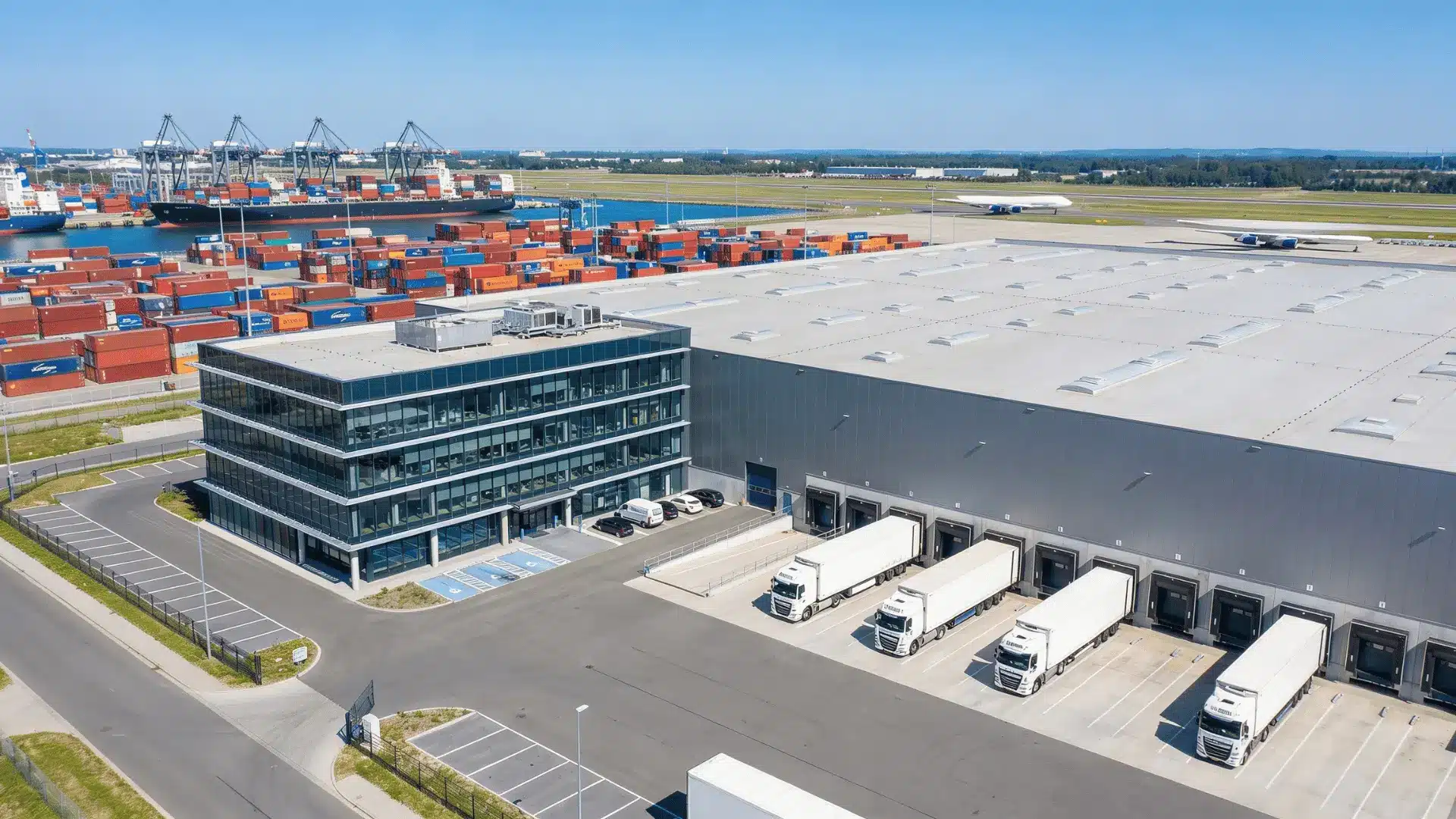
Many businesses rely on global logistics companies to handle shipping, customs, warehousing, and delivery operations across countries.
Here are some well-known global logistics providers and what they offer:
| Company | Main Services | Transportation Modes | Website |
|---|---|---|---|
| DHL Global Forwarding | Freight forwarding, warehousing, customs brokerage, supply chain management | Air, ocean, rail, road | https://www.dhl.com |
| Kuehne + Nagel | Ocean freight, air freight, warehousing, customs support | Sea, air | https://home.kuehne-nagel.com |
| DB Schenker | Freight transportation, contract logistics, supply chain solutions | Road, rail, ocean, air | https://www.dbschenker.com |
| UPS Supply Chain Solutions | Transportation, warehousing, customs clearance, distribution | Air, road, freight | https://www.ups.com |
| FedEx Logistics | Freight forwarding, customs brokerage, fulfillment solutions | Air, ocean, road | https://www.fedex.com |
| C.H. Robinson | Truckload shipping, ocean freight, air freight, 3PL services | Truck, ocean, air | https://www.chrobinson.com |
| Expeditors International | Customs brokerage, freight forwarding, warehousing | Air, ocean, road | https://www.expeditors.com |
A reliable provider can help reduce shipping issues, improve delivery timelines, and support business growth.
Wrapping Up
Global logistics is the infrastructure behind every international transaction, and how well it’s managed determines whether businesses grow or get stuck firefighting delays and costs.
From customs compliance to last-mile delivery, every stage carries risk. The companies that compete effectively are the ones that understand where those risks live.
Use that knowledge to evaluate your current setup, identify your weakest stage, and choose partners equipped to handle the complexity global trade demands.
Frequently Asked Questions
What does a global logistics company do?
A global logistics company manages cross-border movement of goods, handling transportation, customs clearance, warehousing, and documentation so businesses can focus on their products.
Why do global logistics disruptions happen?
Disruptions stem from port congestion, customs delays, and carrier shortages, creating cascading delays across the supply chain that escalate the impact on businesses.
How can small businesses benefit from global logistics?
Small businesses access global logistics through 3PL providers, gaining transportation and customs management without the need for in-house infrastructure, enabling international expansion and competition with larger companies.
How do 3PL providers support global logistics?
3PL providers manage shipping, customs, warehousing, and documentation on behalf of businesses, reducing complexity and eliminating the need to build their own logistics infrastructure.