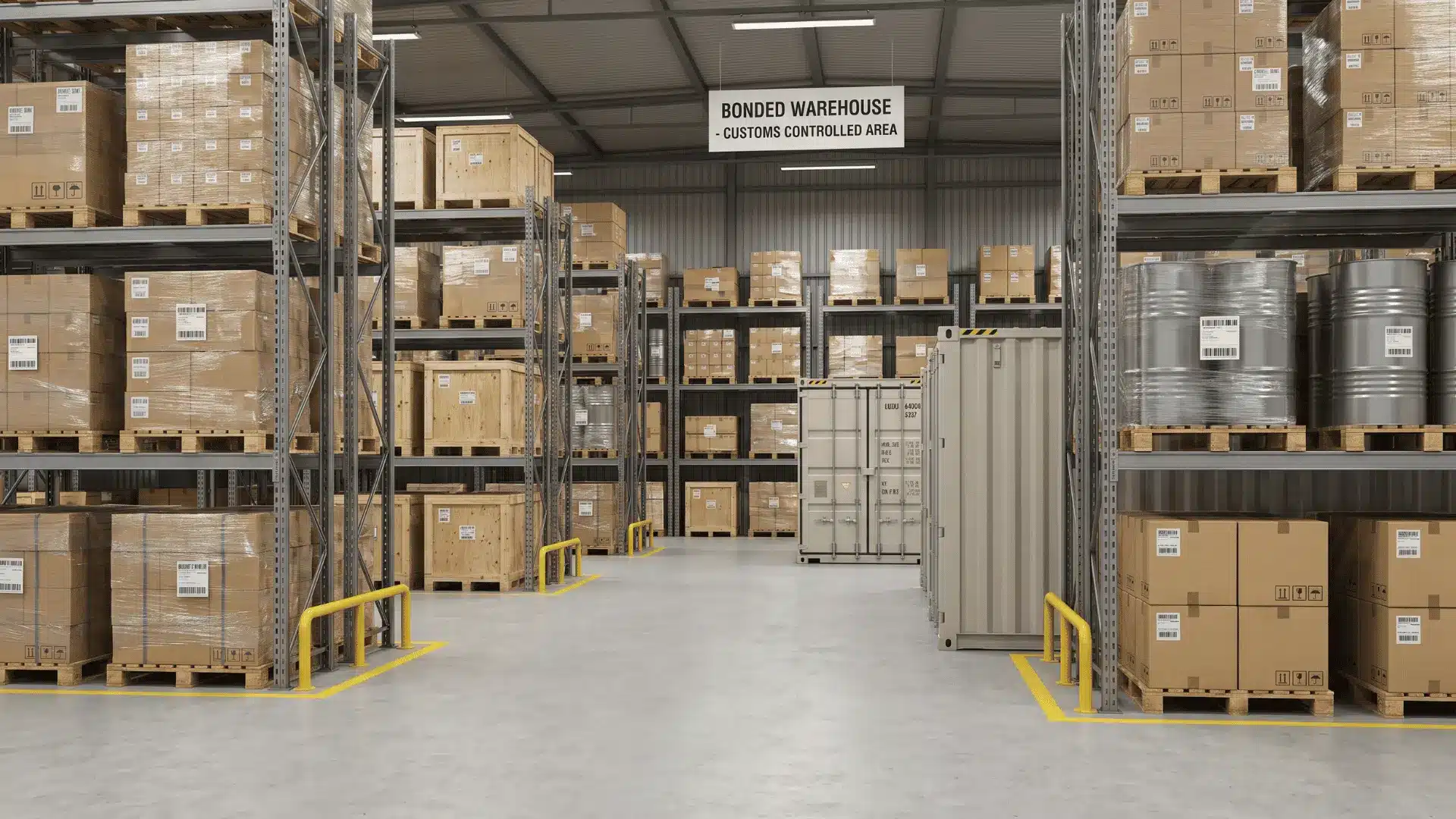
For importers, the one of the biggest challenges is managing the costs of duties and taxes, which can tie up valuable capital.
A bonded warehouse offers a way to defer these duties, giving businesses the flexibility to manage cash flow and decide when to pay taxes.
While offering advantages, such as improved cash flow and strategic flexibility, bonded warehouses also have limitations, like time constraints and restrictions on manufacturing.
What Is a Bonded Warehouse?
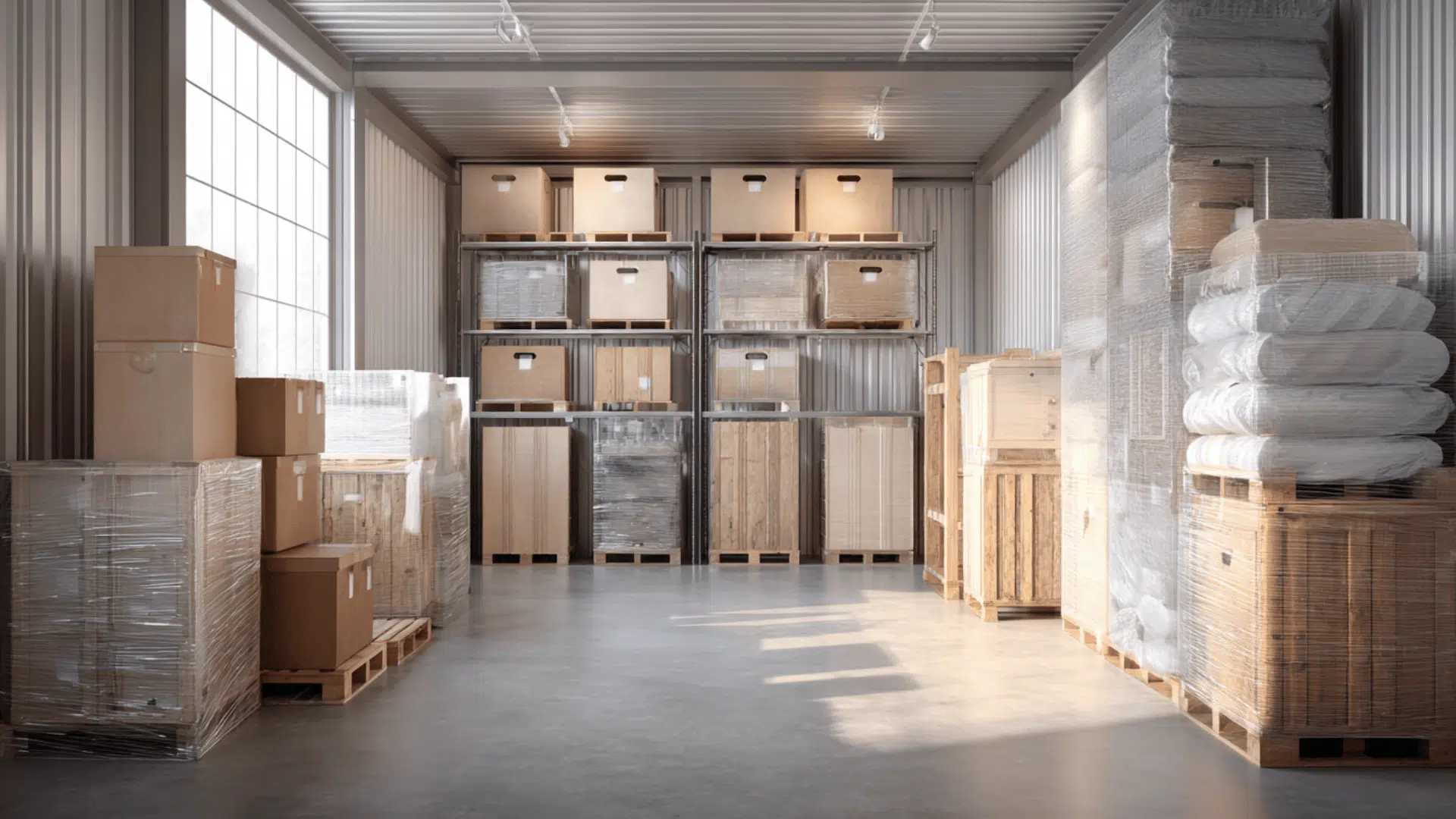
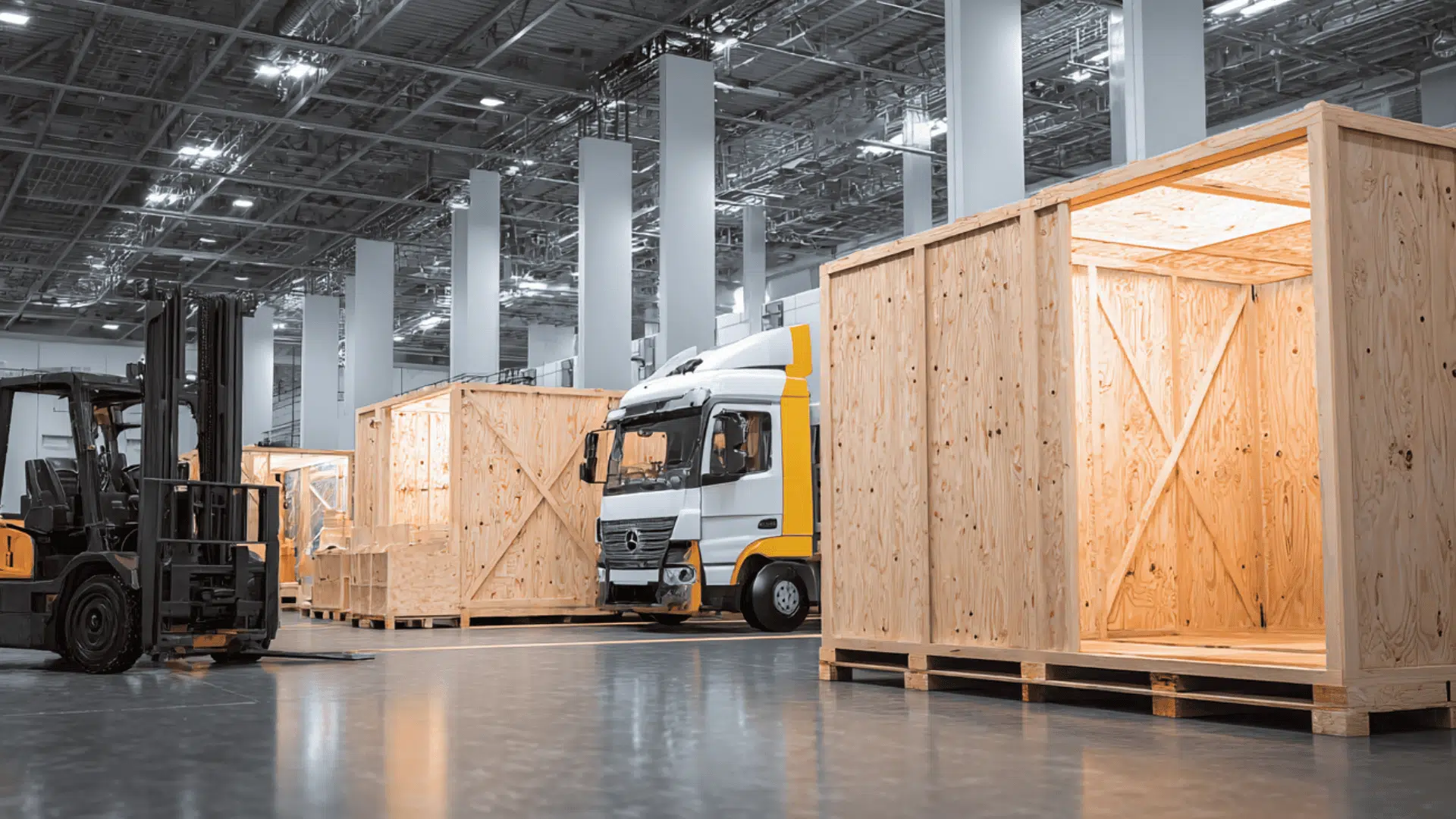
A bonded warehouse is a government-approved facility where businesses can store imported goods without paying duties immediately.
Duty deferral allows businesses to delay paying duties until goods are sold or re-exported, improving cash flow and giving businesses time to manage inventory.
The main purpose of a bonded warehouse is to offer financial flexibility by deferring the costs of import duties. This is especially useful for businesses that need time to sell or re-export the goods before facing tax burdens.
How Do Bonded Warehouses Operate?
Goods are stored in a bonded warehouse until they are sold or re-exported, with duty deferral helping businesses manage their cash flow.
Goods enter a bonded warehouse once they clear customs at the port of entry. Customs authorities, like U.S. Customs and Border Protection (CBP), oversee the process.
The goods are recorded and secured under the customs bond, meaning duties aren’t due until the goods are sold or moved out.
While in storage, businesses can repack, sort, or clean goods, but cannot engage in full manufacturing. The warehouse is monitored, and businesses must comply with record-keeping requirements to stay within regulations.
When goods exit, they are either sold domestically, which triggers the payment of duties, or they are re-exported, which is duty-free.
This offers flexibility in managing costs based on market demand or global trade needs.
Bonded Warehouse vs. Free Trade Zone (FTZ)
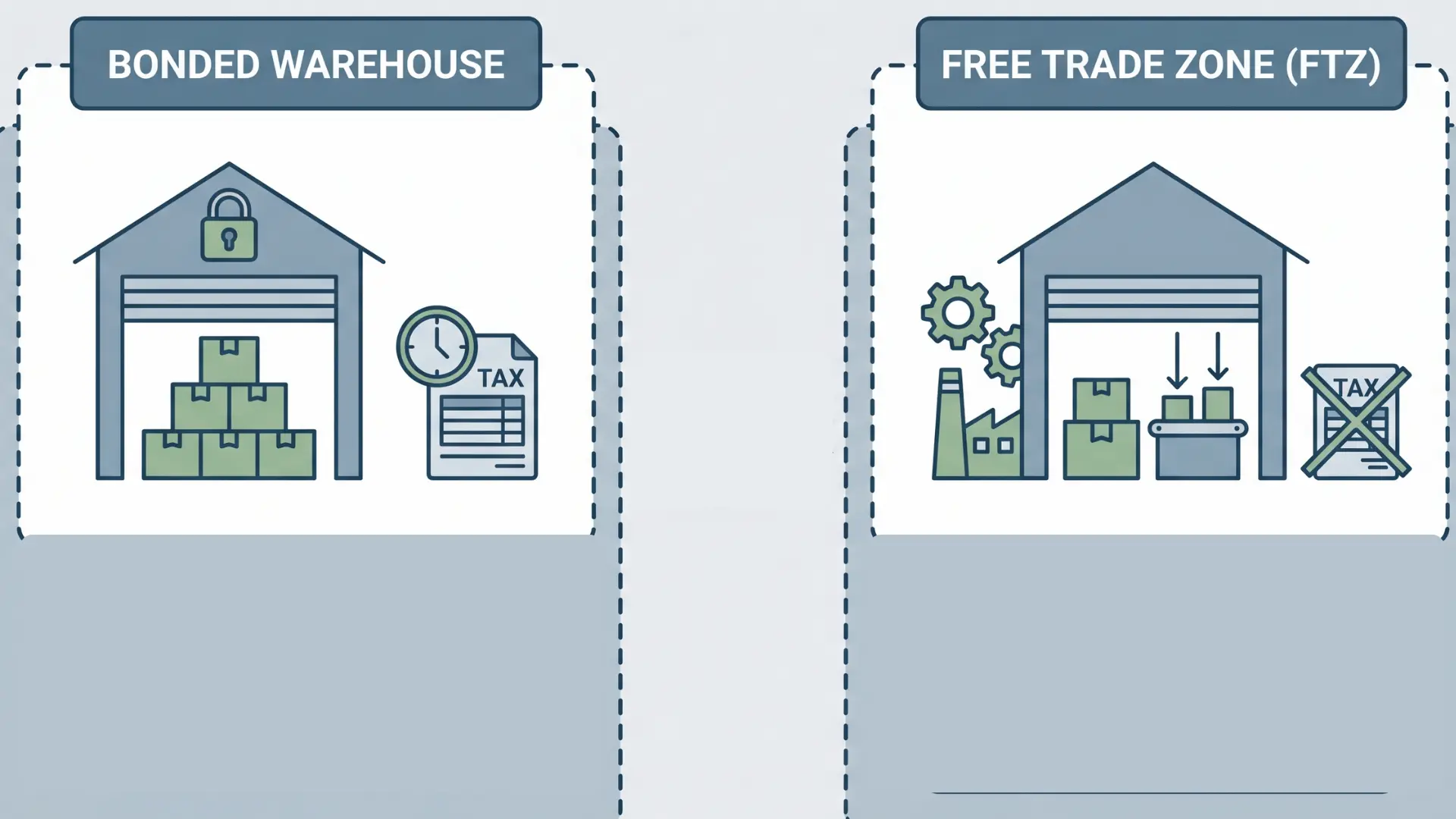
Both bonded warehouses and Free Trade Zones (FTZs) serve similar purposes but differ in regulations and flexibility, helping businesses choose the best option.
| Criteria | Bonded Warehouse | Free Trade Zone (FTZ) |
|---|---|---|
| Storage Time | Goods can be stored for up to five years. | FTZs have no specific time limit, making them ideal for long-term storage. |
| Manufacturing Flexibility | Only light handling, like repacking, sorting, or labeling. | FTZs allow full manufacturing and assembly, offering greater operational flexibility. |
| Purpose | Primarily used for holding goods awaiting duty payment or re-exportation. | Designed for both storage and manufacturing, with duties deferred until goods leave the zone. |
| Regulatory Process | Requires customs bonds and compliance with import laws. | FTZs require approval from FTZ boards and often offer additional tariff relief. |
Types of Bonded Warehouses
Bonded warehouses vary by ownership, services, and accessibility. Understanding these types helps businesses choose the best option for their needs.
- Public Bonded Warehouses: These are open to any business and are operated by private companies or third parties. They are the most common type and allow businesses to store imported goods without paying duties until the goods are sold or re-exported.
- Private Bonded Warehouses: Operated by individual companies for their own use, private warehouses allow businesses to store goods exclusively for their own operations. They are typically used by larger organizations with ongoing inventory needs.
- Service Bonded Warehouses: These provide additional services beyond just storage, such as sorting, packaging, or light assembly of goods. These warehouses are useful for businesses that need to prepare goods for distribution before they pay import duties.
These variations in warehouse types determine the flexibility and range of services available, so it’s important to understand each type’s features when deciding on storage solutions for imported goods.
Benefits of Using a Bonded Warehouse
Bonded warehouses help businesses by deferring duties, allowing them to retain capital and manage cash flow more effectively.
Improved Cash Flow
Bonded warehouses provide businesses with the opportunity to strategically manage cash flow.
By storing goods in these warehouses, companies can delay paying duties until goods are either sold or re-exported, allowing them to hold onto capital for a longer period.
- Avoiding double duty: Businesses can re-export goods without paying local import duties, reducing the tax burden.
- Enhanced inventory management: Being able to store goods close to key markets reduces shipping time and costs, making cash flow management more efficient.
- Use of goods as collateral: Goods stored in a bonded warehouse can be used as collateral for trade financing, improving access to credit.
This flexibility enables businesses to reduce upfront costs, manage large volumes of imported goods more effectively, and reinvest capital for further growth.
Storage of Restricted Goods
Bonded warehouses are particularly valuable for storing restricted goods, such as alcohol, tobacco, or high-value items.
These warehouses allow businesses to store items that are subject to specific regulations or high taxes, giving them time to align with market conditions before paying duties.
- Defer taxes on restricted items: Goods like alcohol or tobacco, which face significant taxes, can be stored in a bonded warehouse until they are ready to be sold or re-exported.
- Ensure regulatory compliance: Bonded warehouses help businesses comply with customs laws, reducing the risk of fines or penalties.
For businesses handling restricted goods, bonded warehouses offer a safe, compliant storage option while minimizing the financial impact of immediate duty payments.
Conclusion
Bonded warehouses provide businesses with the flexibility to store imported goods while deferring duties and taxes. This helps improve cash flow and reduce upfront costs.
By offering various types, including public, private, and service warehouses, businesses can choose the best option based on their needs.
Bonded warehouses are particularly useful for storing restricted goods, providing strategic advantages like avoiding double duties and ensuring compliance with regulations.
If you’re looking to optimize your trade operations, a bonded warehouse could be a valuable asset. Consider the right type for your business to maximize financial flexibility.
Frequently Asked Questions
What is the purpose of a bonded warehouse?
A bonded warehouse is used to store imported goods while deferring import duties and taxes. It offers businesses the flexibility to pay duties only when goods are sold or imported.
What is the difference between a bonded warehouse and a normal warehouse?
A bonded warehouse is a government-approved facility where duties are deferred on goods, unlike normal warehouses, where duties are paid immediately.
What are the disadvantages of a bonded warehouse?
Bonded warehouses come with regulatory requirements and limitations on manufacturing. Goods must also be moved out of the warehouse within a certain timeframe to avoid complications.
What are the requirements for a bonded warehouse?
A bonded warehouse requires government approval, adherence to specific regulations, and secure monitoring by customs authorities.