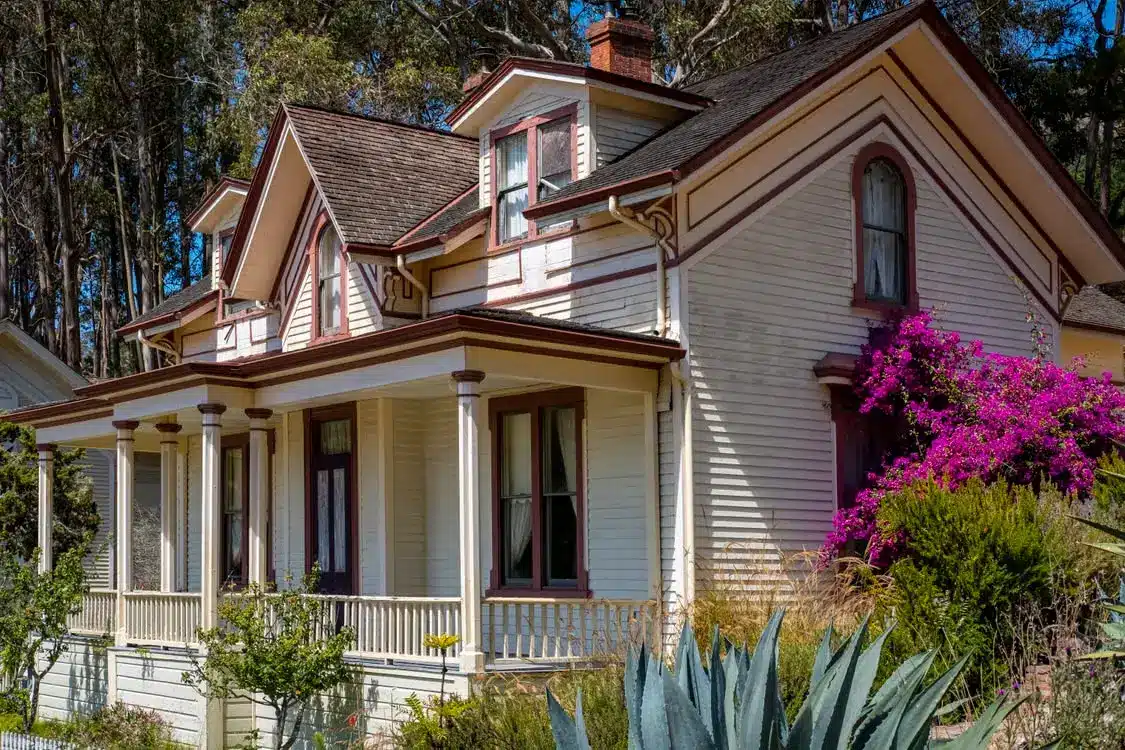
Hardwood floors, built-in cabinets, and decorative glass windows are among the architectural elements that give older homes immense charm. But tall baseboards and glass doorknobs can’t mask problems that can make older homes a liability. Old, drafty windows and weak HVAC systems can create expensive problems that bring down a home’s value.
Thankfully, it is possible to make updates that improve comfort and energy efficiency. Read on to learn how to modernize an older home while keeping its original charm.
Identify Your Home’s Most Important Features
Don’t rush into a big renovation without taking stock of your home’s most unique features. While you can modernize your home with fresh paint and more open spaces, you don’t want to strip your home of its uniqueness.
For example, wide-plank hardwood floors create a warm and inviting ambiance in any home. Replacing them with a more generic laminate, even if durable, would not be the best choice. Similarly, it’s smarter to preserve impressive crown molding and rustic fireplace mantels.
Take note of brass doorknobs, stained glass windows, and elaborate plasterwork. Built-in shelving in living rooms and old oak doors are other classic features to preserve. It’s always better to pursue restoration than complete replacement when possible.
Make Critical Improvements First
It’s more fun to update kitchens and bathrooms, but behind-the-scenes improvements may matter more in older homes. Start modernizing an older home by addressing issues with HVAC equipment, plumbing, and other internal systems. You’ll make your home safer and more comfortable, and improve its value.
Older homes may have aging furnaces and AC units that aren’t energy efficient. Upgrading to high-efficiency systems may be pricey, but you’ll notice the difference in lower utility bills and more even heating and cooling.
Have an experienced electrician evaluate your home’s wiring and outlets. You may need to upgrade your electrical panel to support appliances or add surge protectors.
Don’t forget about your plumbing. Leaky pipes can cause water damage that gets into your walls and ceiling, causing mold and costly repairs. Check that you have clear, secure pipes that offer enough water pressure and allow for easy drainage.
Enhance Your Home’s Energy Efficiency
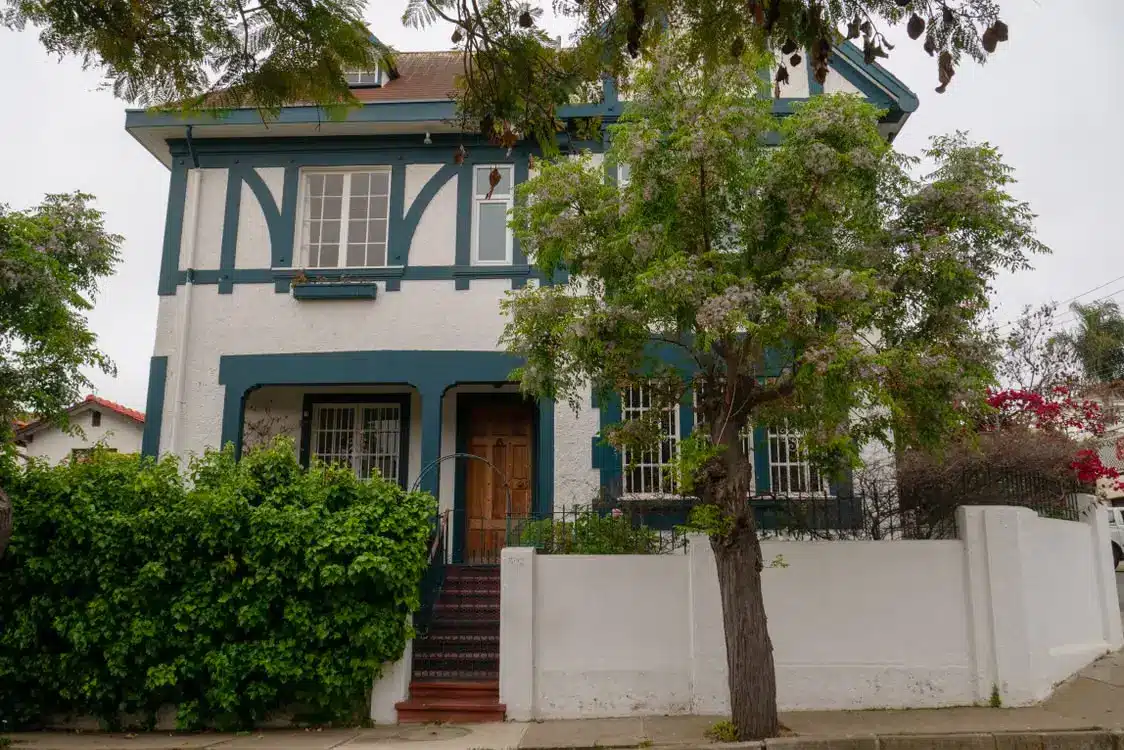
In an older home, you may have poor insulation and drafty windows. And if you have original windows, don’t expect them to provide a lot of protection from the sun’s rays or cold wind gusts. You’ll notice higher utility bills when you’re living in a home that’s not energy efficient.
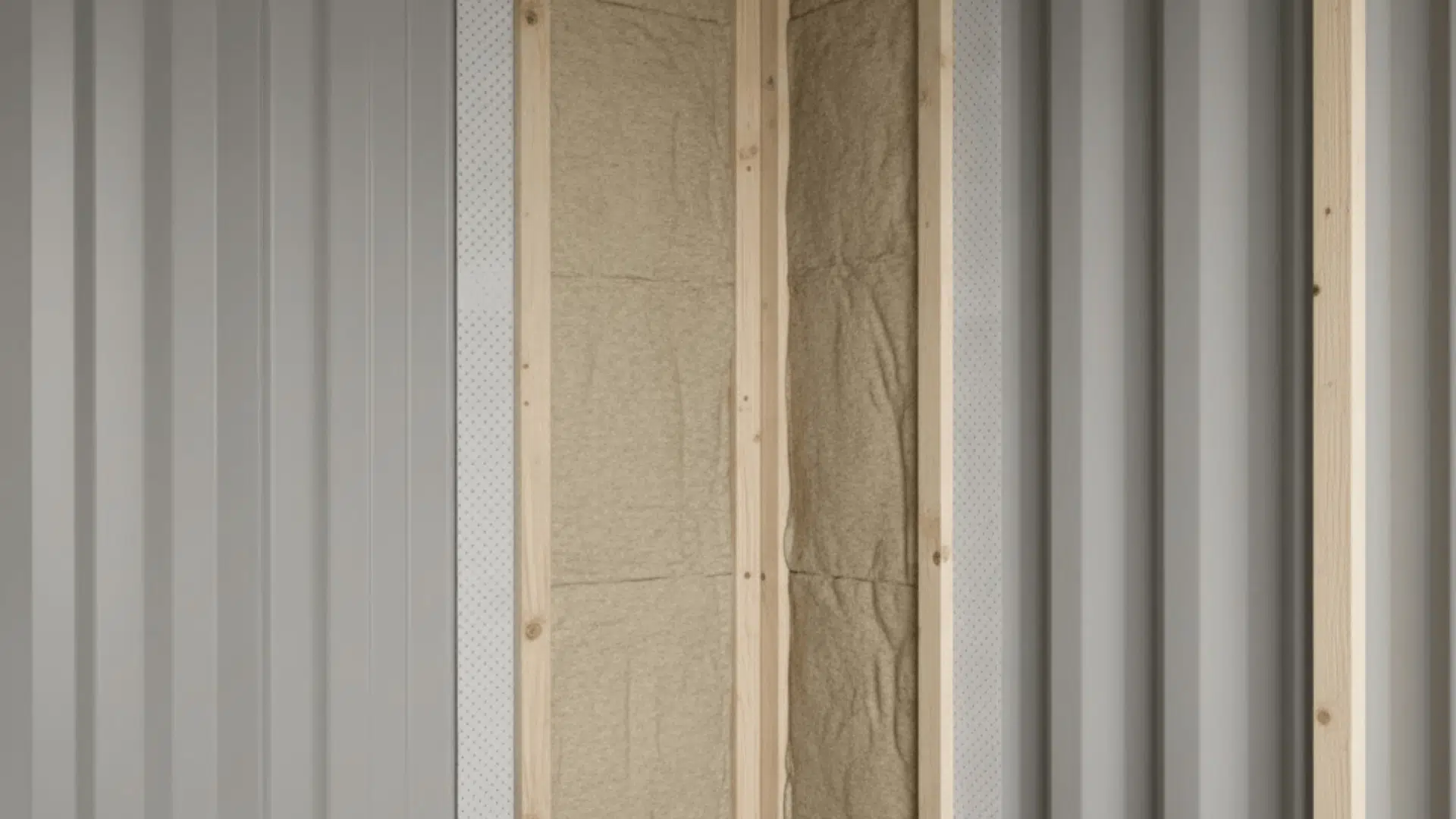
It is possible to improve your home’s energy efficiency without compromising character. For instance, injecting insulation into your walls can increase comfort and reduce outdoor noise interference. Adding weather stripping or sealant can close gaps, as well.
Upgrading your windows can enhance both energy efficiency and your home’s curb appeal. By carefully selecting your windows, you can retain the classic character of your home while creating a stronger barrier against heat and cold. If you’re in Sacramento, for example, windows from Northwest Exteriors offer a cosmetic boost, excellent craftsmanship, and a strong return on your investment.
Maintain Consistency with Kitchen and Bathroom Upgrades
Yes, a fresh and modern bathroom or kitchen can enliven a home. But don’t stray too far from your home’s original architectural style when you’re making an update. Drastic changes can look and feel distracting.
Rather than opting for modern tiles in a backsplash or bathroom, stick with classic patterns that have enduring appeal. Subway tile, herringbone patterns, and honeycomb tiles are always good options.
Go with cabinetry that has subtle detailing as opposed to super modern styles. And opt for fixtures that are fresh yet refined. In the same vein, go with traditional lighting options, like polished nickel pendants or fixtures in deep bronze.
You want any room you remodel to feel refreshed without seeming too modern. Stay consistent with finishes and reuse original features whenever possible. You’ll help preserve the character of your home and help your budget.
Be Selective with Smart Technology Additions
Smart technology can simplify anything from dimming the lights to activating your security system. But it can also compete with the traditional features of older homes. Be smart about how you integrate smart tech into your home.
Adding a smart thermostat, for instance, can make it easier to regulate temperatures. The discreet size of a thermostat makes it a good addition that won’t overpower your home. Likewise, video doorbells can give you more peace of mind without looking obtrusive.
Leak detection sensors are another smart item to place in an older home. You can be notified when there’s a leak before it gets out of hand. Best of all, most smart tech devices are quick to install.
Balance Past and Present in an Older Home
When you modernize an older home, you want to end up with a seamless blend of traditional details and updated features. With better internal systems, you’ll have more reliable plumbing and more energy-efficient HVAC equipment. And you can introduce new windows, smart tech, and cosmetic enhancements that make your home shine.
With a thoughtful approach, your older home will become more functional, comfortable, and attractive.