A motor home at auction can feel like a shortcut to freedom. One bid can open the door to weekend lakes, cross country routes, family camping, work travel, or full-time living. Yet the same bid can also create a transport headache. The smart buyer studies the rv first, then studies the move. That order protects money, time, and peace of mind.
Auction buyers see listings from banks, fleets, insurers, dealers, and private sellers. A platform with broad inventory helps compare motorhomes, towable units, used rvs, new rvs, and different rv styles before bidding. Buyers looking through car auctions in USA can review auction locations, sale status, title notes, photos, fees, and transport needs before a final rv purchase. The goal is not just to win. The goal is to bring the RV home safely.
Why Auctions Attract Motor Home Buyers
An rv auction rewards patient research. A camper listed with cosmetic wear may still have a sound chassis. A trailer with faded graphics may hide a strong frame. A motorhome with higher mileage may fit the rv lifestyle better than a showroom unit with a payment that eats the travel fund.
Price matters, yet auction value comes from choice. A buyer can compare a class a motorhome, class c, class b, travel trailer, fifth wheel, toy hauler, 5th wheel rv, camper vans, and class a motorhomes in one search habit. That range helps when choosing the right rv type for trip length, driving skill, storage space, and budget.
Buyers often enter an auction after visiting an rv dealer or a dealership. That visit teaches layout and size. The auction then gives a wider field. An rv show can help too. It lets a buyer step inside full kitchens, test beds, look at a floor plan, and decide what feels useful instead of flashy.
Know the Main RV Categories Before Bidding
Not every rv moves the same way. Some drive away. Some need a tow vehicle. Some need a licensed carrier. The type of rv shapes bidding risk.
| RV category | Best fit | Transport concern |
|---|---|---|
| Class a rv | Long trips and full kitchens | Size and driver confidence |
| Class b motorhome | City parking and light travel | Limited space |
| Class c motorhome | Family trips and easier handling | Height and roof inspection |
| Travel trailer | Flexible camping | Hitch setup and vehicle’s towing limit |
| Fifth wheel | Long stays and spacious layout | Pickup bed hitch |
| Toy hauler | Gear and outdoor adventures | Weight balance |
A class a motorhome suits rvers who want a home on wheels. A class b is the smallest of the three main motorized choices. Class b motorhomes work well for quick escapes. Class c motorhomes often feel easier for a first rv because the cab feels familiar. Many class c rvs are built on a truck chassis, which helps service access.
Towable choices need another layer of planning. A travel trailer needs safe hitch gear. A fifth wheel needs a pickup with the right bed setup. A toy hauler needs careful weight checks because tools, bikes, and machines change balance fast.
Set a Budget Before the Auction Clock Starts
Auction emotion moves fast. A bidder sees a dream rv, imagines rv life near a lake, then forgets fees, keys, tires, batteries, transport, taxes, and rv insurance. That is how a deal turns sour.
Build the budget with these parts.
- Winning bid
- Auction fees
- Title and registration costs
- Transport quote
- First inspection after arrival
- Tires, fluids, seals, and batteries
- Short term campground costs
- Emergency repair fund
A buyer who wants to buy an rv should set a hard ceiling before sale day. That ceiling must include transport. A used rv with a low bid still costs money if it sits 900 miles away with dead batteries and dry tires.
Inspection Clues in Auction Listings
Photos never tell the whole story. Still, they reveal patterns. Look at roof edges. Check water stains near vents. Study tires for sidewall cracks. Review slide seals. Scan the interior ceiling. A clean floor can hide a soft wall, so follow clues.
A test drive is rare at many online auctions. That makes listing review vital. Check title status, odometer, engine notes, generator hours, chassis photos, and damage comments. Ask whether the rv starts, runs, and drives when that data is available. For a towable trailer, confirm hitch type, axle condition, lights, and tire date codes.
One imagined buyer named Mark learned this lesson after chasing a low bid on a camper. The photos looked fine. The roof seam showed a dark line near the rear cap. He passed. Two weeks later he bought a cleaner unit for more money. The second rv cost less after transport because it did not need roof repair right away.
Transport Planning After Winning
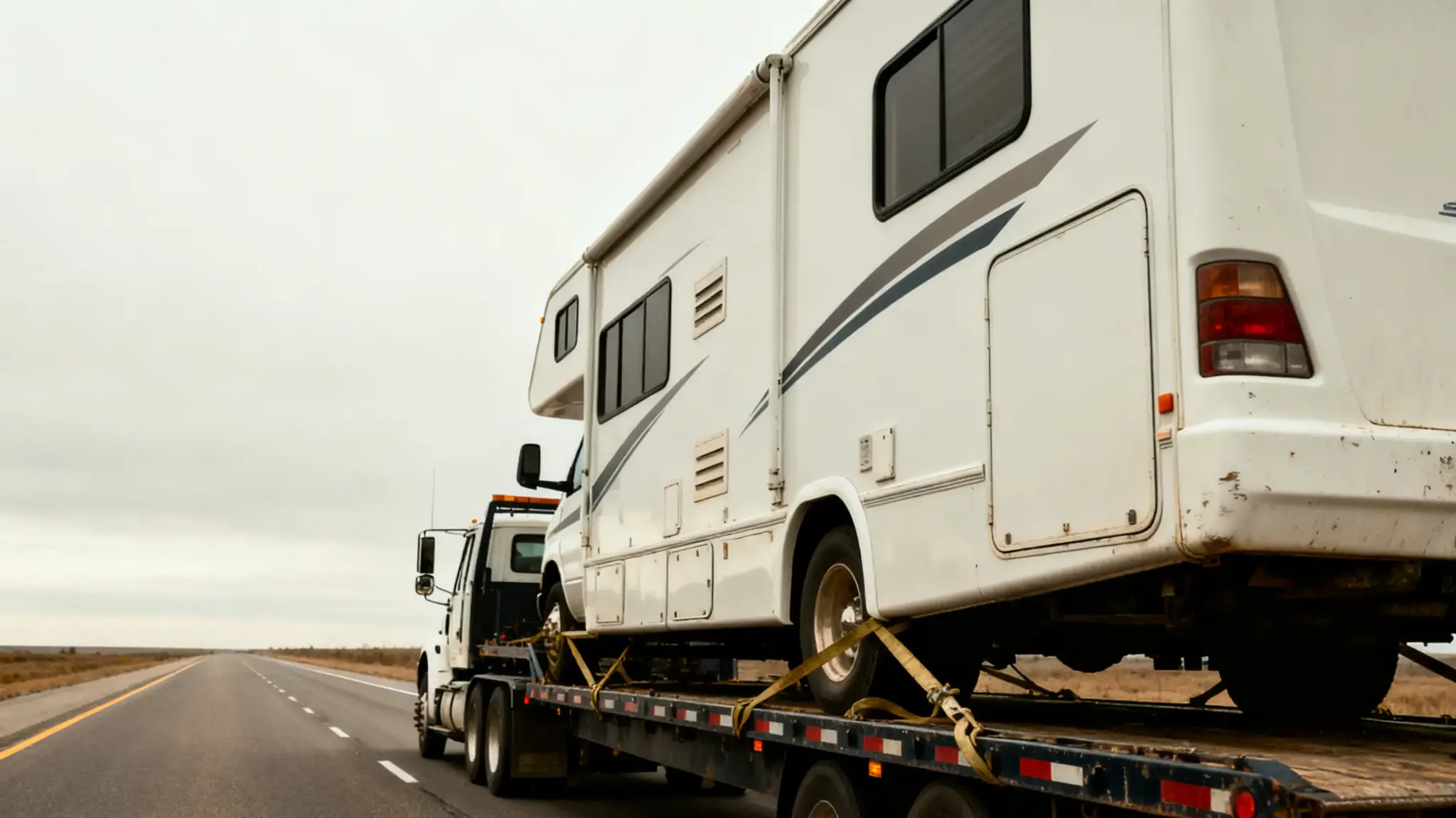
Transport is not an afterthought. It is part of rv buying. Large motorhomes need drivers with size awareness. Trailers need the correct hitch, working brakes, and lights. A tow plan must match length, height, weight, and route.
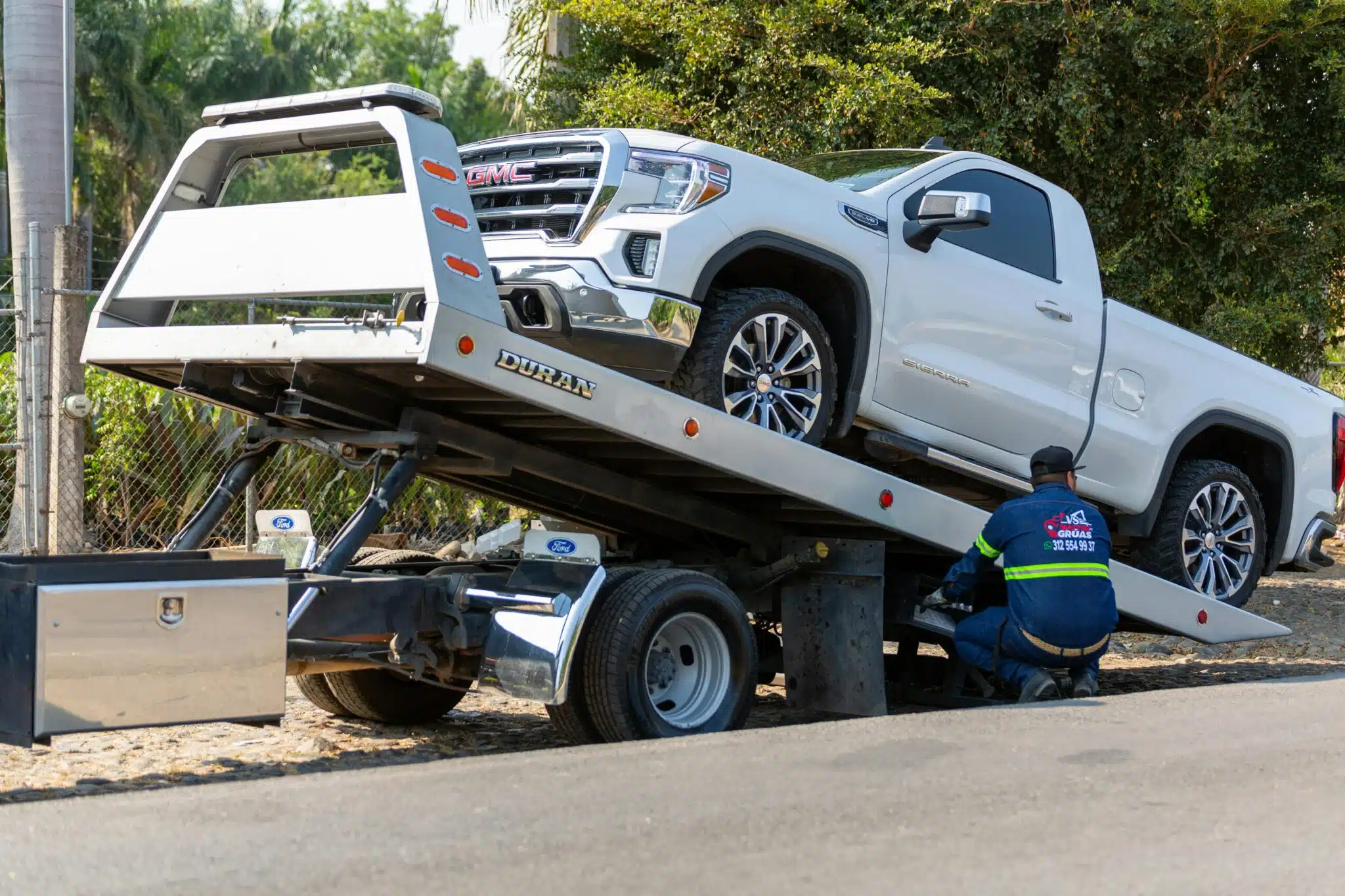
A carrier will ask for pickup location, drop point, unit length, unit height, running status, keys, title access, and whether the rv rolls. If the rv does not start, the move may require special equipment. If the trailer has flat tires, the carrier may refuse pickup until repair.
Key transport checks include
- Confirm exact length before booking
- Ask whether the carrier can tow the unit
- Check route limits for height
- Verify tire condition before pickup
- Photograph the rv at loading
- Keep auction release papers ready
- Ask for delivery timing in writing
Driving or towing across states also takes planning. Fuel stops need space. Rest stops may be tight. Weather can slow the route. A class a motorhome is wide and tall. A c motorhome may feel simpler, yet low branches and fuel island roofs still matter.
New RV, Used RV, or Auction Unit
New rv shoppers like warranties and clean finishes. New rvs also carry higher starting prices. Used rvs bring lower entry cost, though condition varies. Auction units sit between risk and reward. They can fit buyers who research hard and accept repairs.
Renting an rv before bidding helps a buyer know before buying. One weekend in a camper teaches more than ten brochures. It shows bed comfort, bathroom limits, kitchen flow, and noise at night. That trial run helps find the perfect rv without guessing.
Camping World and other large retailers help buyers compare rv brands. They also show how full kitchens, bath layouts, storage bays, and seating differ. Still, an auction can reveal choices not seen on one retail lot.
Expert Tips for Safer Bidding
The best auction buyers act calm. They do not chase every unit. They compare different types of rvs, check transport first, then bid only when the numbers work.
Use this simple approach.
- Decide the lifestyle you plan before picking a model
- Compare types of rvs by size and use
- Choose the right rv for your needs based on trips
- Check whether the rv you want drives or needs transport
- Review rv ownership costs beyond the bid
- Study title notes before purchasing an rv
- Ask for quotes before the time to buy arrives
Mistakes to avoid include bidding on size alone, ignoring roof damage, forgetting transport, trusting old tires, and skipping title review. Another mistake is assuming every towable unit is simple. Tow ratings matter. Brake controllers matter. Tire age matters.
Picking the Right RV for Real Life
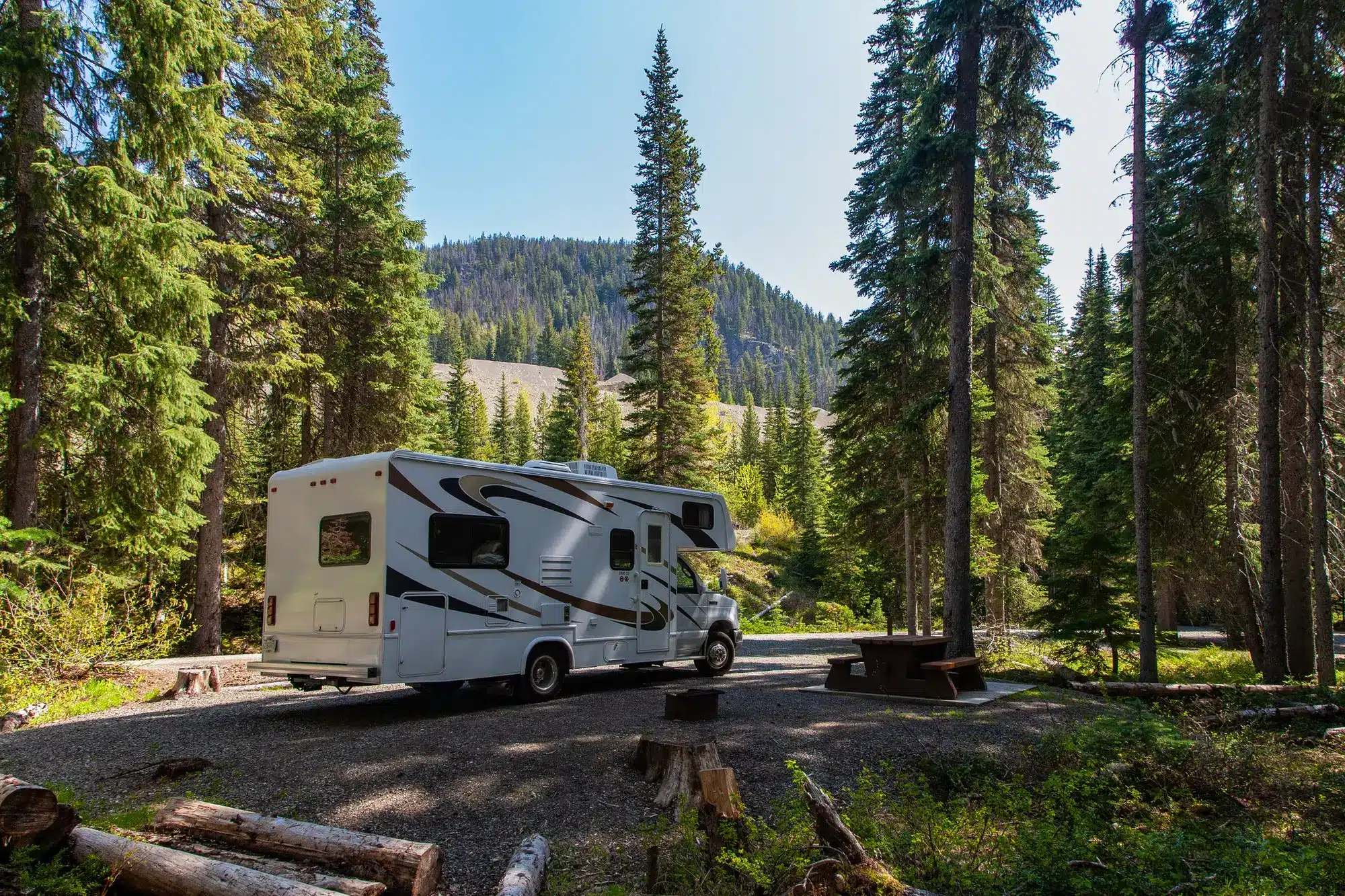
The right rv matches habits. A couple that loves boondocking needs tanks, batteries, solar potential, and ground clearance. A family that stays at a campground needs beds, seating, and storage. New to rving shoppers often want easy parking and low stress. A class b motorhome suits that need. A class a motorhome fits long stays. A class c motorhome gives a middle path.
The first rv does not need to be perfect. It needs to be honest. A small kitchenette may work for weekend travel. A huge lounge means little if parking feels stressful. An rv experience improves when the layout supports real routines.
A buyer focused on rv for the first time should avoid oversized dreams. Start with the rv’s condition, then layout, then transport. That order keeps the decision grounded.
Conclusion
Buying a motor home at auction works best when bidding and transport are planned together. The auction gives access to motorhomes, trailers, camper vans, class a, class b, and class c options across many price levels. The real win comes after delivery, when the rv arrives safely and the numbers still make sense.
Buy used with discipline. Compare new or used choices. Check every title note. Respect tow limits. Match the rv type to travel habits. A careful buyer gains more than a vehicle. The reward is a practical path into rving with confidence, freedom, and fewer surprises.
FAQ
Is a large RV harder to transport after an auction than a small camper?
Yes. A large rv needs more route planning, more space at pickup, and a driver with height awareness. A small camper is simpler, yet tire age and hitch setup still matter.
What matters more at auction, mileage or water damage?
Water damage usually deserves more concern. Mileage on a motorhome matters, yet roof leaks can harm walls, floors, cabinets, and wiring.
Should a buyer bid before getting a transport quote?
No. A transport quote belongs inside the budget before bidding. Distance, running status, size, and pickup access change the true price.
Are Motorhomes Better Than Trailers for First Time Auction Buyers?
Motorhomes drive on their own, while trailers need a tow vehicle. The better choice depends on parking skill, travel plans, and repair comfort.
Can Boondocking Needs Change the Auction Search?
Yes. Boondocking calls for tank capacity, batteries, ground clearance, solar readiness, and a layout that works away from hookups.