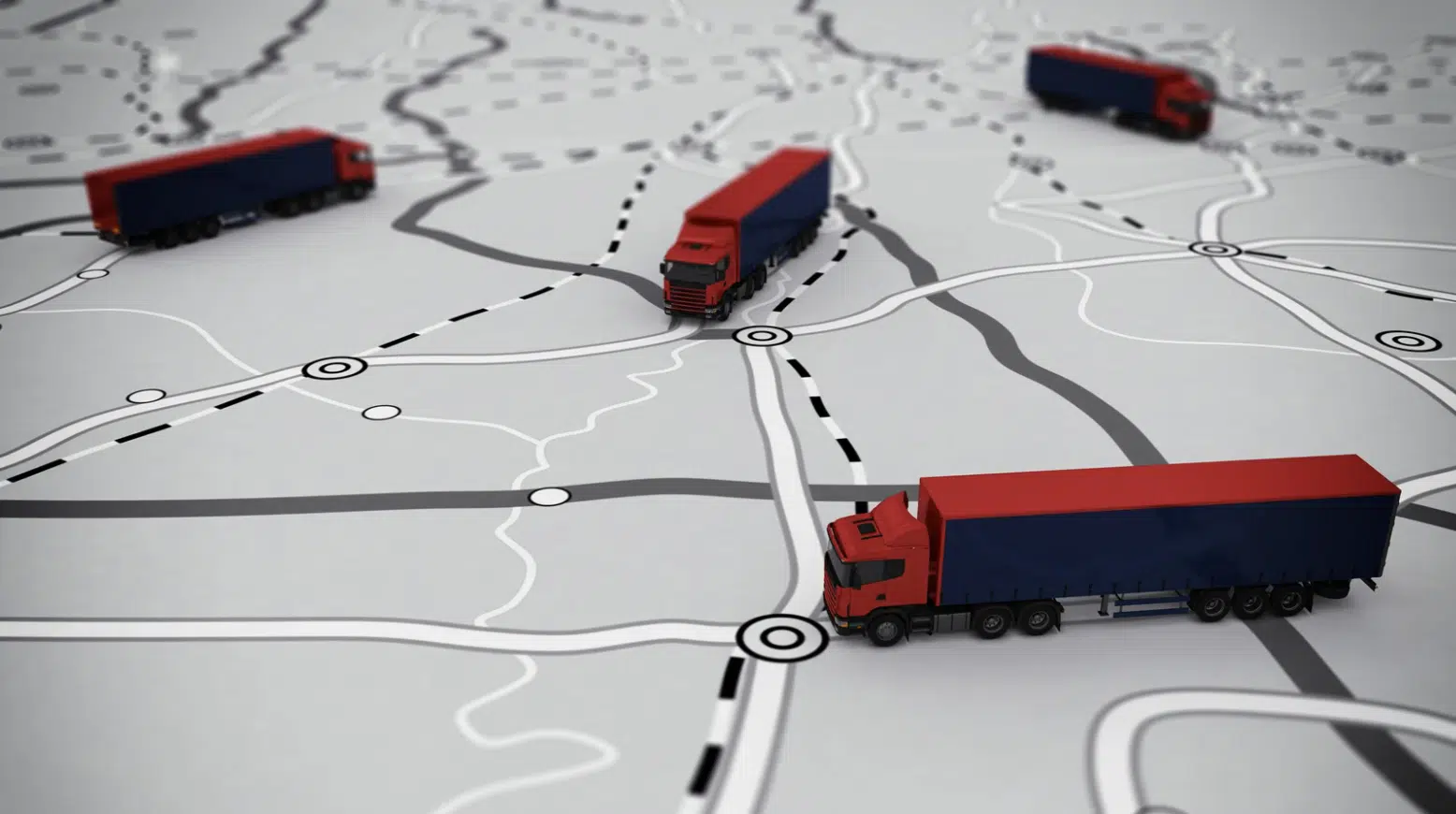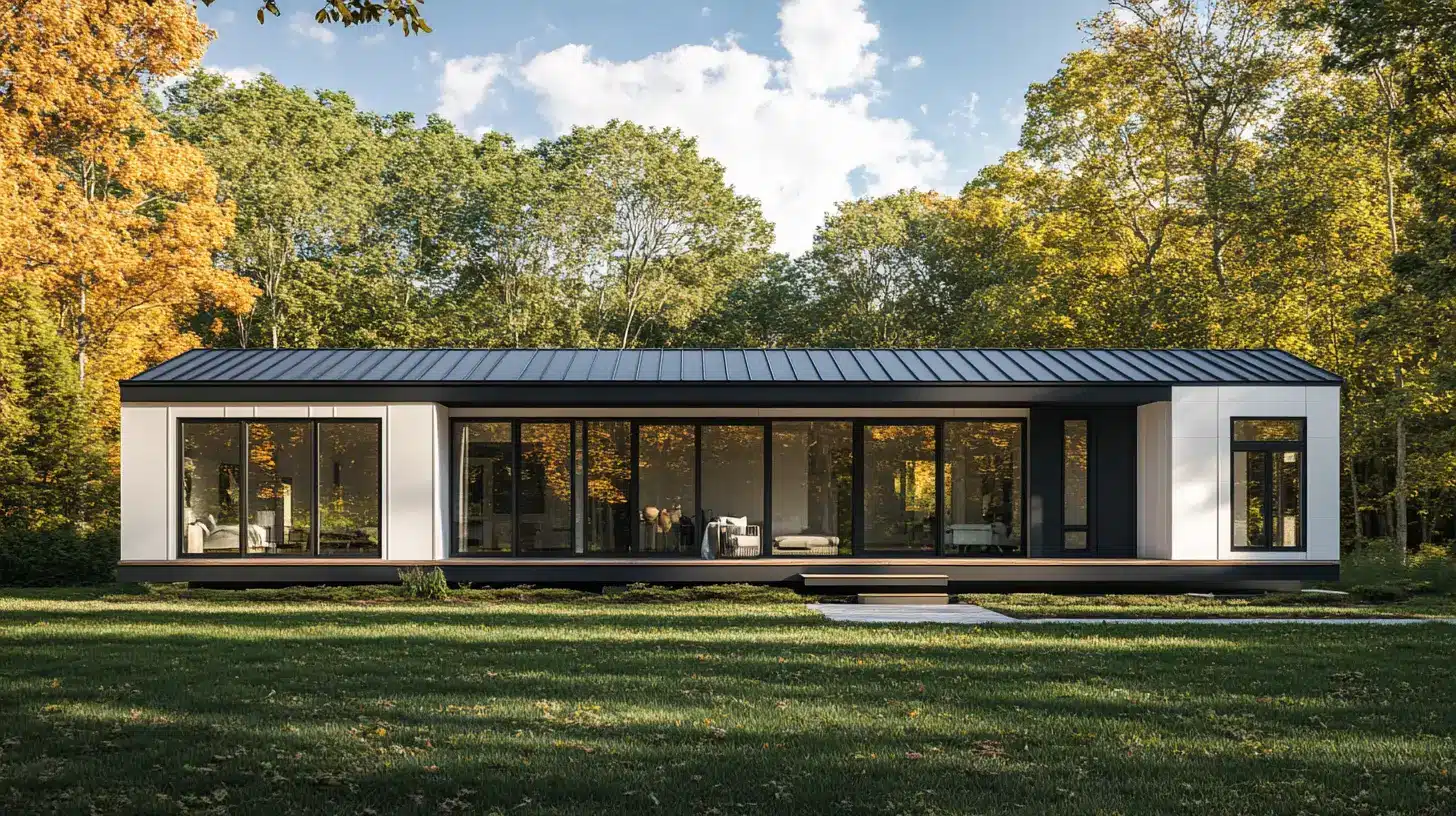
Yes, a smarter approach to logistics can result in a more eco-friendly way to construct prefab homes. While large sections of prefab homes are built offsite, which can lead to faster construction timelines and conserve resources, those sections still must be transported to the homesite. And transportation methods can really impact the overall environmental footprint.
Anything from walls to the structural framework must be transported from the factory to the jobsite. Thankfully, even if these units need to travel hundreds or thousands of miles, there are ways to conserve energy and trim costs. Read on to learn how cleaner logistics can cut the footprint of prefab homes.
Considering the Importance of Transportation
When a construction company is building a home the traditional way, they’ll transport individual pieces, like lumber and exterior finishes, to the jobsite. But with prefab homes, bigger pieces of a home or building are constructed in a factory. Then those larger pieces must be delivered to the site.
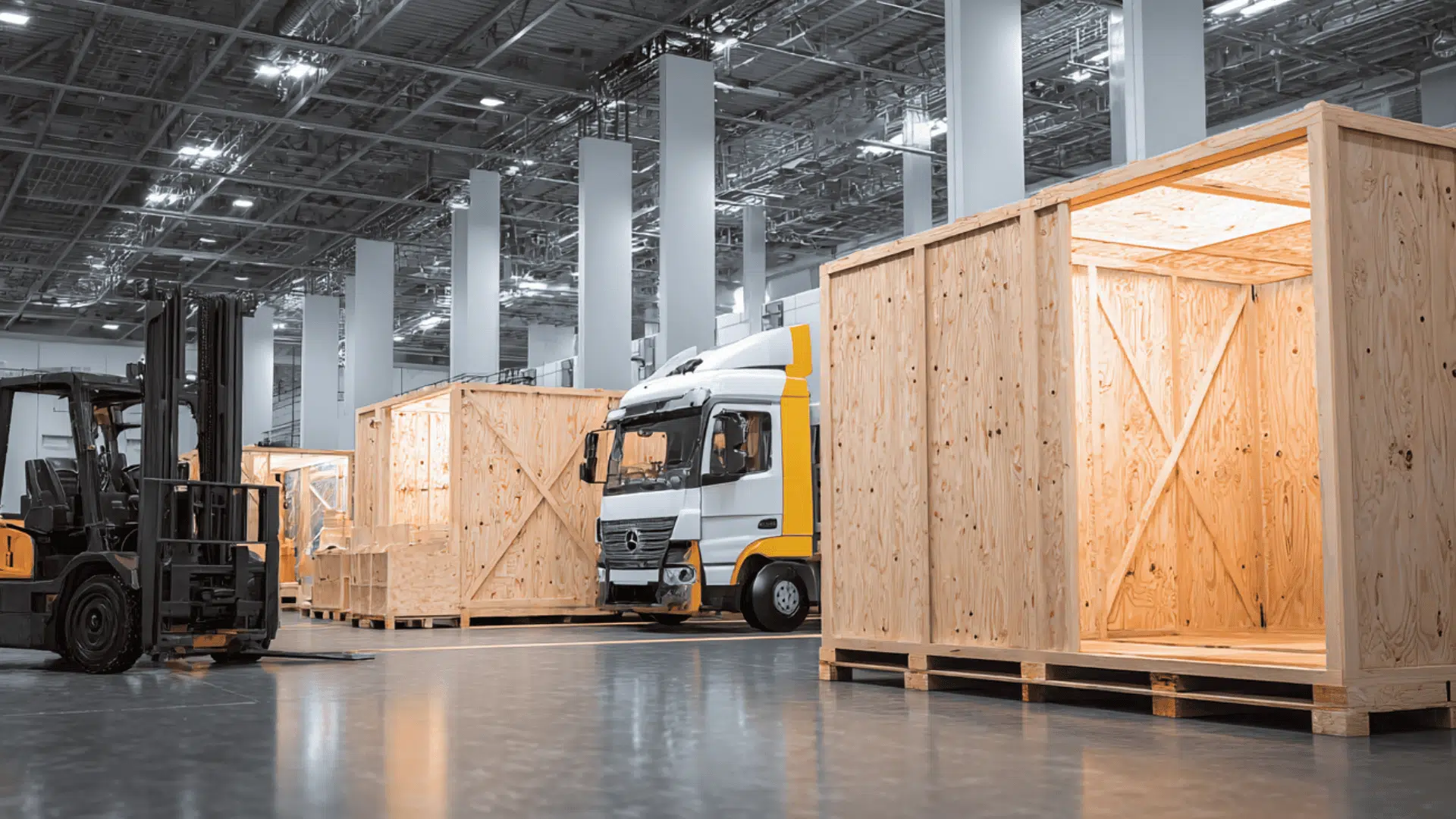
Constructing large portions of a tiny home or commercial building off-site translates to less debris at the construction site. At the same time, however, delivering large modular units can be more challenging. Builders need larger trucks with greater load capacity, and special routes to avoid travel disruptions.
Transporting prefab structures can increase fuel consumption and the number of trips. Consequently, costs can escalate quickly. Builders aiming for more sustainable practices can’t overlook the importance of developing a smarter approach to transportation.
Investigating Better Shipping Choices
Builders need to evaluate potential shipping options that can lower their carbon footprint and keep costs under control. How far units must travel and where factories are located can impact which option is best.
Electric trucks, for instance, can be ideal when materials only need to travel locally. Factories where prefab materials are constructed should be near jobsites. Since electric trucks rely on electricity, builders won’t be dependent on gas, which produces greenhouse emissions.
Electric trucks are also quiet and efficient. Builders with longer travel routes won’t find them as useful, however. And not all electric trucks can handle larger prefab structures.
As another option, builders can ship structures via rail. Materials that must travel longer distances can be a good fit for train travel. Best of all, rail uses less fuel than most trucking methods.
At the same time, though, rail isn’t always convenient when factories are far away from railyards. Builders may struggle to find a green solution for last-mile deliveries from the terminal to the jobsite.
Ultimately, builders should try to consolidate as many of their prefab units as possible during transport. They’ll minimize delivery trips, cut fuel costs, and save time.
Considering Environmental Impact
Builders can arrive at an accurate picture of their environmental impact with some simple calculations. By determining their carbon dioxide equivalent emissions, or CO2e, builders can estimate emissions.
Builders will want to look at what vehicles they’re using, how far they’re traveling, and how many trips are required. They should track the fuel type and shipment weight, too.
With this information, builders can calculate their CO2e and overall sustainability. For eco-minded developers, this information is a critical reference point as they select logistics companies for upcoming projects.

Meeting Green Building Standards
For builders hoping to earn eco-friendly building certifications and recognitions, partnering with a like-minded carrier is key. Green building standards don’t just apply to the building itself. How builders source materials and manage projects can impact their standing.
Green certification programs such as Leadership in Energy and Environmental Design (LEED) can help promote more sustainable, healthier building practices. Through LEED, buildings can earn points and reach a certification tier.
Builders need to know what goes into earning a LEED certification as they prepare for a new project. After all, understanding the requirements can inform logistics decisions, as well as design choices. Consulting a LEED Green Associate prep materials, for instance, can offer a clear overview of green building standards.
Assessing Sustainability
Builders should be thorough when it comes to asking freight providers about sustainability practices. Builders may be able to access sustainability documentation, too, to compare different shipping options. When greener practices are a priority, it’s fair to assess how a potential freight partner operates.
For example, builders should ask carriers how they consolidate loads to be efficient and trim mileage. It’s also fair to ask whether a carrier tracks emissions or recycles packing materials to reduce waste.
Builders should seek carriers that have invested in low-emissions vehicles. And they should ask what future plans carriers have to become even more environmentally responsible.
Focusing on Greener Logistics
When builders and developers pursue greener logistics with prefab homes, they’ll see a clear difference. Green logistics can result in lower costs and a smaller carbon footprint. As builders try to obtain LEED certifications and earn customer loyalty, moving toward decisions that are mindful of environmental concerns is critical.
Builders must look into shipping practices that prioritize greener vehicles and consolidation. With better logistics, builders can improve their businesses and act as more responsible environmental stewards.