Downsizing can be a smart way to simplify your home, reduce upkeep, and create a living space that better fits your current lifestyle. But the process can also feel overwhelming, especially when you are sorting through years of belongings, preparing for a move, and possibly selling your current home at the same time.
The key is to stay organized from the beginning. With a clear plan, early decluttering, and a practical packing system, downsizing can feel less stressful and more manageable. Whether you are moving to a smaller house, a condo, or a more convenient location, the right approach can help you make the transition with more confidence.
Start With a Clear Downsizing Plan
Before packing any boxes, take time to create a downsizing plan. Think about why you are moving, what kind of space you are moving into, and what you want your next home to feel like. Downsizing is not only about having less square footage. It is also about deciding what still fits your lifestyle and what no longer serves a purpose.
Start by reviewing your timeline, your moving budget, and the layout of your future home. If you already have a floor plan, use it to estimate what furniture and household items will realistically fit. This can prevent you from bringing too much and realizing later that your new space feels crowded.
A written checklist can also help you stay on track. Include tasks such as sorting belongings, scheduling movers, arranging donation pickups, updating your address, and preparing your current home for sale if needed.
Declutter Early and Work Room by Room
Decluttering is one of the most important parts of downsizing. The earlier you start, the easier the move becomes. Instead of trying to sort through the entire home in one weekend, work room by room. This makes the process feel more manageable and helps you see progress along the way.
Begin with areas that usually hold the most unused items, such as closets, garages, attics, basements, and storage rooms. Sort belongings into clear categories: keep, donate, sell, recycle, or discard. This system helps you make faster decisions and keeps items from being moved from one pile to another without a plan.
It can also help to ask practical questions as you go. Have you used the item in the past year? Will it fit in your new home? Does it still support your lifestyle? Is it meaningful enough to keep? Downsizing does not mean getting rid of everything. It means keeping what is useful, valuable, or personally important.
Choose What Fits Your New Lifestyle
A smaller home often requires more intentional choices. Large furniture, extra appliances, duplicate kitchen items, and bulky decor may not work well in a more compact space. Before deciding what to bring, think about how you will actually use your new home day to day.
For example, if you are moving into a condo, you may not need as many outdoor tools or seasonal maintenance items. If you are moving closer to family or into a walkable neighborhood, your priorities may shift toward comfort, accessibility, and convenience.
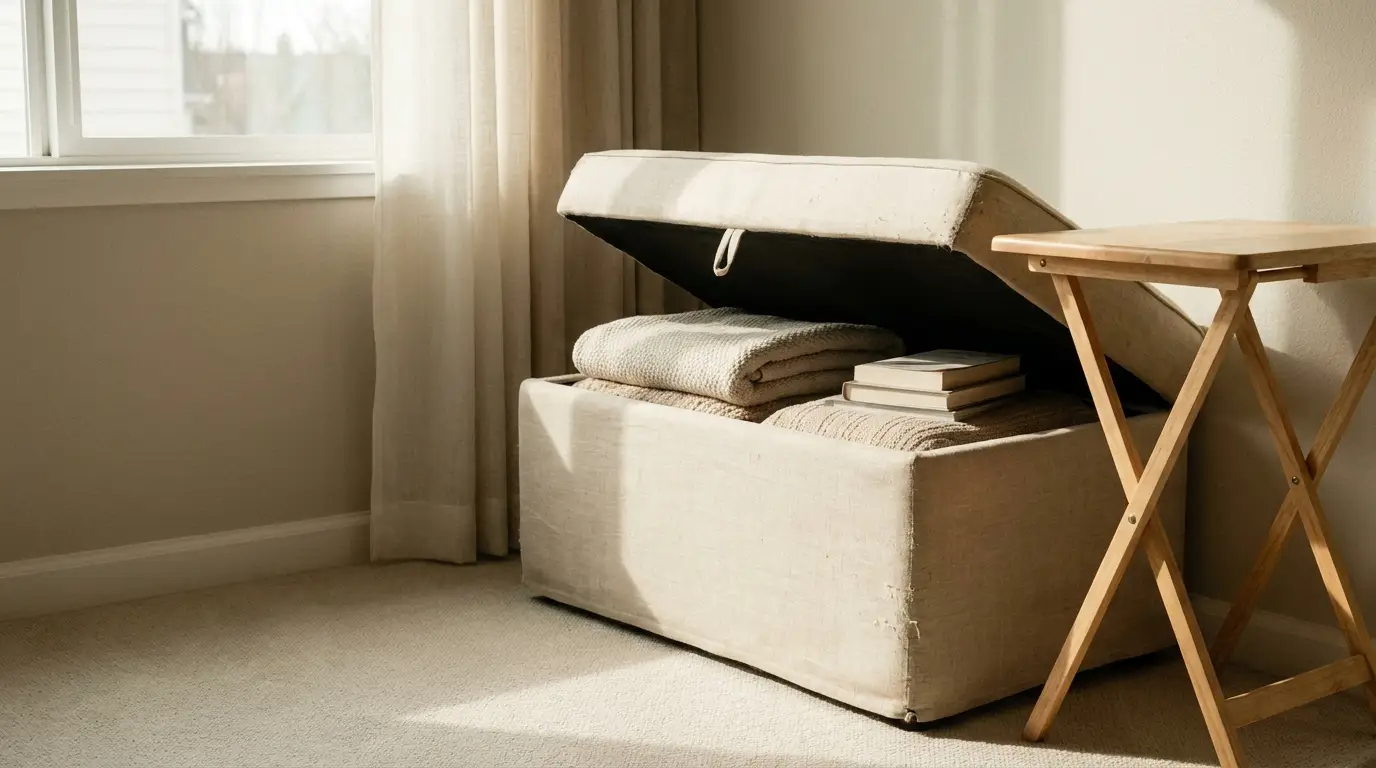
Look for items that serve multiple purposes, such as storage ottomans, foldable tables, compact shelving, or beds with built-in drawers. These choices can help you make the most of your new space without making it feel cluttered.
This is also a good time to reduce duplicates. If you have several sets of dishes, extra towels, multiple small appliances, or more furniture than your new home can hold, choose the items you use most often and let the rest go.
Pack With a System
Once you have narrowed down what you are keeping, packing becomes much easier. A good packing system can save time during both the move and the unpacking process.
Pack by room and label each box clearly. Instead of writing only “kitchen” or “bedroom,” include short details such as “Kitchen – Daily Dishes,” “Bedroom – Winter Clothes,” or “Bathroom – Towels and Toiletries.” This makes it easier to find what you need when you arrive.
Keep an essentials box separate from the rest of your belongings. This should include medications, chargers, toiletries, important documents, basic kitchen supplies, a few days of clothing, and anything you will need right away. Having these items within reach can make the first few days in your new home much smoother.
If you are unsure about a few belongings, short-term storage may be a good option. However, try not to use storage as a way to avoid every decision. The goal of downsizing is to simplify your home and reduce what you have to manage.
Prepare Your Current Home for the Next Step
For many homeowners, downsizing also means selling their current home. This adds another layer of planning, especially if you are trying to coordinate your sale, purchase, and move.
According to HomeLight’s 2026 Top Agent Insights & Predictions, the housing market is expected to see more seller activity, rising inventory, and renewed movement as cautious optimism returns. The report also notes that downsizing buyers are expected to use equity to purchase with cash, showing how homeowners may use built-up home value to make their next move more flexible.
For homeowners planning to downsize, this means preparation and timing may matter even more. A well-organized home can be easier for buyers to show, stage, and understand. Decluttering before listing can also help your home appear cleaner, larger, and more move-in ready.
Some sellers may also explore selling their house for cash if they want a faster or more predictable closing. A cash sale can reduce some financing-related delays, but sellers should still compare their options, review the offer carefully, and confirm that the buyer has proof of funds.
Coordinate the Move Before the Final Weeks
The final weeks before a move can become stressful if too many tasks are left until the last minute. Once your move date is set, start confirming the details.
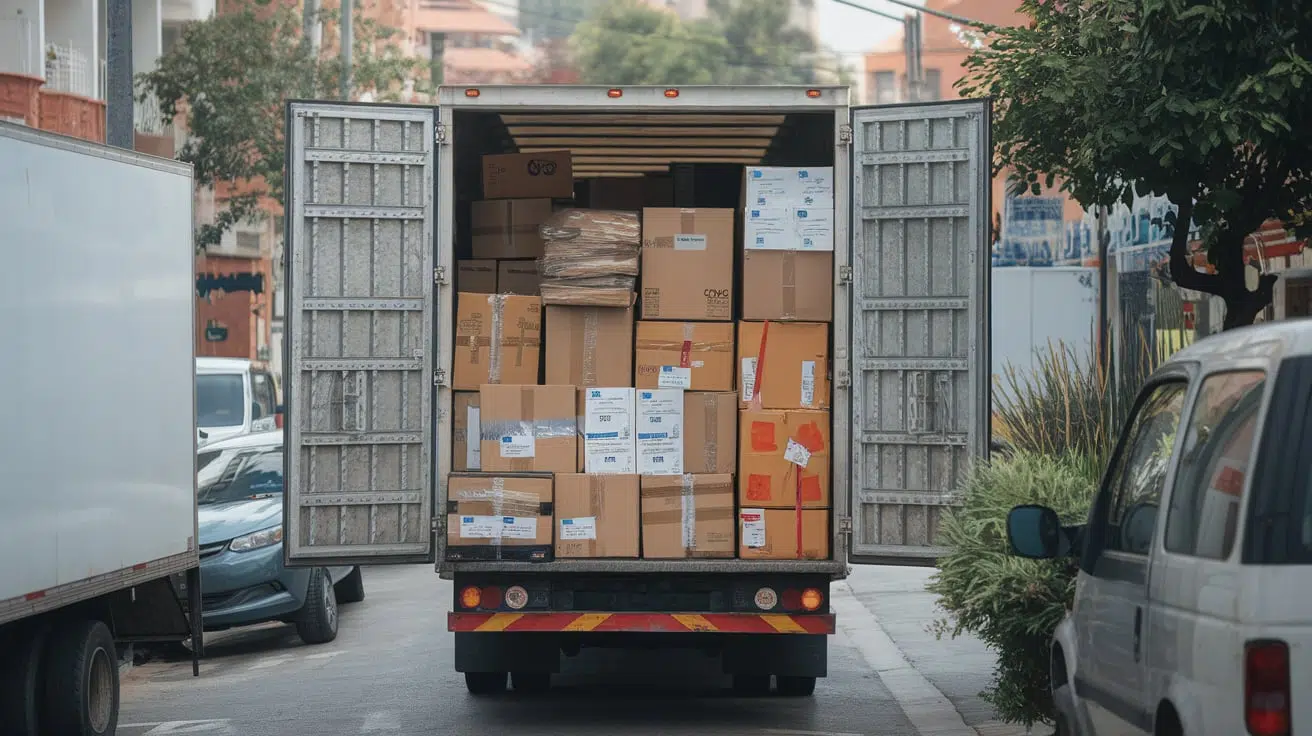
Schedule professional movers or rental trucks early. Arrange donation pickups, junk removal, or estate sale support if needed. Update your mailing address, transfer utilities, and organize important paperwork. If you are moving into a smaller home, check building rules, parking access, elevator reservations, or HOA requirements before moving day.
It is also helpful to create a moving folder, either digital or physical. Keep contracts, receipts, contact information, checklists, and important dates in one place. This can help you avoid searching through emails or boxes when you need something quickly.
Make the New Space Feel Like Home
Once you arrive, focus first on the rooms you use every day. Set up the bedroom, bathroom, and kitchen before decorating or unpacking less important items. This gives you a functional routine right away and helps reduce the feeling of chaos.
As you unpack, continue making intentional choices. If an item does not fit, does not serve a purpose, or makes the new space feel crowded, consider donating or selling it instead of forcing it into the home. Downsizing is often a process that continues even after the move.
Give yourself time to adjust. A smaller home may feel different at first, but with the right layout and organization, it can become easier to maintain and more comfortable to live in.
Conclusion
Downsizing is more than a move. It is an opportunity to simplify your home, reduce clutter, and create a space that better supports your lifestyle. By starting early, decluttering room by room, packing with a system, and carefully planning the sale and move, homeowners can make the process less overwhelming.
The most successful downsizing moves are built on preparation. When you know what to keep, what to let go of, and how to coordinate each step, the transition can feel less like a stressful task and more like a fresh start.