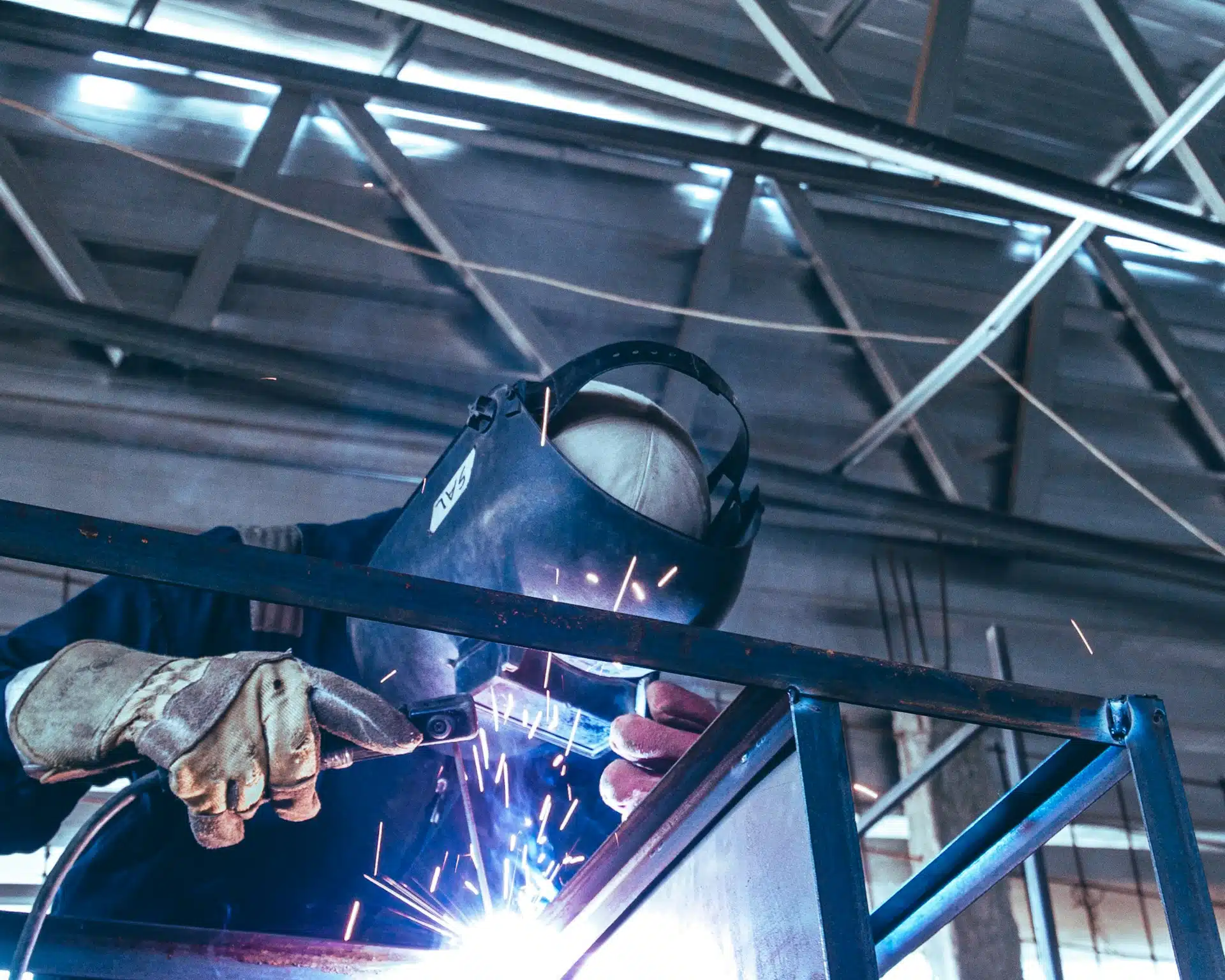
Aluminum is widely used in industries that demand lightweight strength, corrosion resistance, and long-term durability. From automotive parts to aerospace components and consumer electronics, aluminum continues to be one of the most valuable metals in modern manufacturing. However, welding aluminum can be challenging because of its high thermal conductivity and reflective surface.
When it comes to laser welding aluminum, finding the right balance between laser power and welding speed is critical. Incorrect settings can lead to weak welds, burn-through, distortion, or excessive porosity. Understanding how these variables work together helps you create cleaner, stronger, and more efficient welds while reducing material waste and downtime.
Common Challenges in Laser Welding Aluminum
Many fabricators and manufacturers struggle with:
- Inconsistent weld quality caused by improper heat control
- Burn-through or warping due to incorrect power settings
- Slow production speeds that reduce operational efficiency
By learning how laser power and speed affect aluminum welding, you can improve weld consistency, increase productivity, and reduce costly errors.
Why Aluminum Is Difficult to Weld
Aluminum behaves differently from steel and other metals during welding. Its physical properties make it highly efficient at transferring heat, which means it heats up and cools down quickly.
Common Challenges in Aluminum Welding
Challenge | Effect on Welding |
High thermal conductivity | Heat spreads rapidly, requiring more controlled energy input |
Reflective surface | Aluminum reflects laser energy, especially at lower power levels |
Oxide layer | Surface oxidation melts at a much higher temperature than aluminum itself |
Porosity risk | Gas entrapment can weaken weld integrity |
Because of these challenges, laser welding requires precise parameter control. Even small changes in speed or power can significantly affect the final weld quality.
Aluminum alloys require more accurate heat management than many other metals because they respond rapidly to temperature changes and are highly sensitive to overheating.
Understanding Laser Power in Aluminum Welding
Laser power refers to the amount of energy delivered to the material during welding. It is typically measured in watts or kilowatts.
How Laser Power Affects Weld Quality
Higher laser power increases penetration depth and welding speed. However, excessive power may overheat the material, leading to burn-through, excessive spatter, or distortion.
Lower laser power reduces heat input but may result in incomplete penetration or weak joints.
Signs Your Laser Power Is Too High
- Excessive melting or burn-through
- Large heat-affected zones
- Surface discoloration
- Increased spatter
Signs Your Laser Power Is Too Low
- Incomplete fusion
- Weak weld joints
- Poor penetration depth
- Unstable weld formation
The ideal power level depends on several factors:
- Aluminum thickness
- Alloy type
- Joint configuration
- Desired penetration depth
- Production speed requirements
For thin aluminum sheets, lower power combined with faster speeds often produces cleaner results. Thicker materials generally require higher power settings to achieve proper penetration.
The Role of Welding Speed
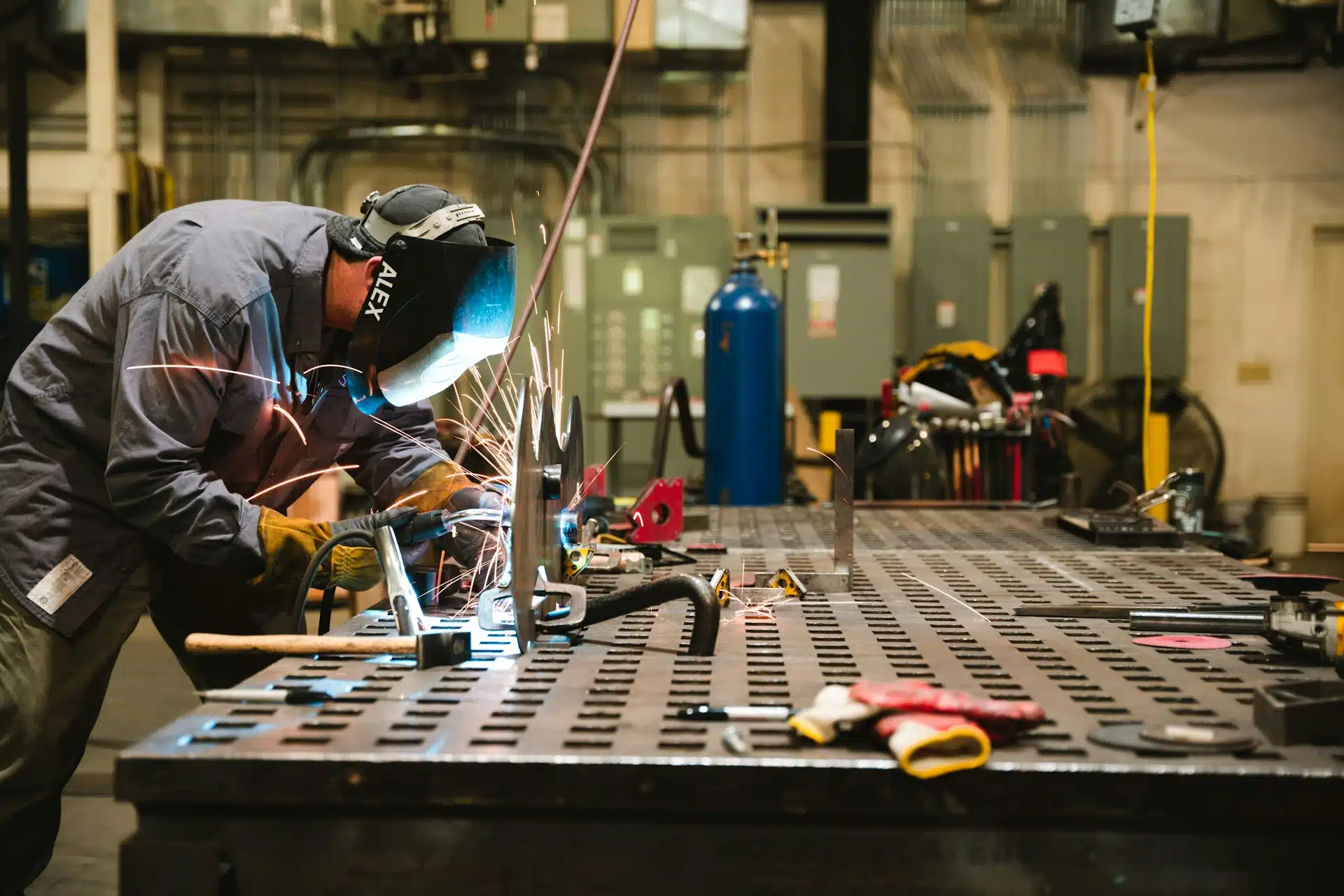
Welding speed refers to how quickly the laser moves across the material surface during the welding process.
Speed directly affects heat input, penetration consistency, and overall weld appearance.
Fast Welding Speeds
Advantages include:
- Reduced heat distortion
- Smaller heat-affected zones
- Higher production efficiency
- Cleaner weld appearance
However, moving too quickly may prevent adequate fusion between materials.
Slow Welding Speeds
Advantages include:
- Increased penetration depth
- Improved fusion on thicker materials
- Better control for complex joints
The downside is excessive heat buildup, which may increase warping and reduce weld quality.
Finding the Right Balance Between Power and Speed
Successful aluminum welding depends on balancing laser power and welding speed together rather than adjusting them independently.
Example Parameter Relationships
Material Thickness | Recommended Power | Recommended Speed |
Thin sheet aluminum | Lower power | Faster speed |
Medium thickness | Moderate power | Balanced speed |
Thick aluminum plate | Higher power | Slower speed |
When the power increases, speed often needs to increase as well to avoid overheating. Conversely, slower speeds usually require reduced power to prevent excessive heat accumulation.
Practical Tips for Better Results
1. Start With Test Welds
Before full production begins, run sample welds using different settings. Examine penetration depth, bead consistency, and surface appearance.
2. Monitor Heat Input Carefully
Excessive heat can weaken aluminum and create distortion. Use thermal monitoring tools when possible.
3. Maintain Clean Material Surfaces
Aluminum oxide contamination can negatively affect weld quality. Clean the material thoroughly before welding.
4. Use Proper Shielding Gas
Shielding gases help reduce oxidation and porosity. Argon is commonly used for aluminum laser welding because it provides stable arc protection and cleaner weld surfaces.
5. Optimize Focus Position
Proper laser focus ensures efficient energy transfer and stable penetration.
How Modern Laser Welding Systems Improve Aluminum Welding
Advancements in fiber laser technology have significantly improved aluminum welding performance. Modern systems provide better beam stability, improved precision, and higher energy efficiency.
These improvements allow manufacturers to:
- Weld thinner materials more accurately
- Reduce production downtime
- Achieve cleaner weld finishes
- Improve repeatability in automated environments
Automation also plays a major role in maintaining consistent welding speed and laser alignment.
Common Mistakes to Avoid
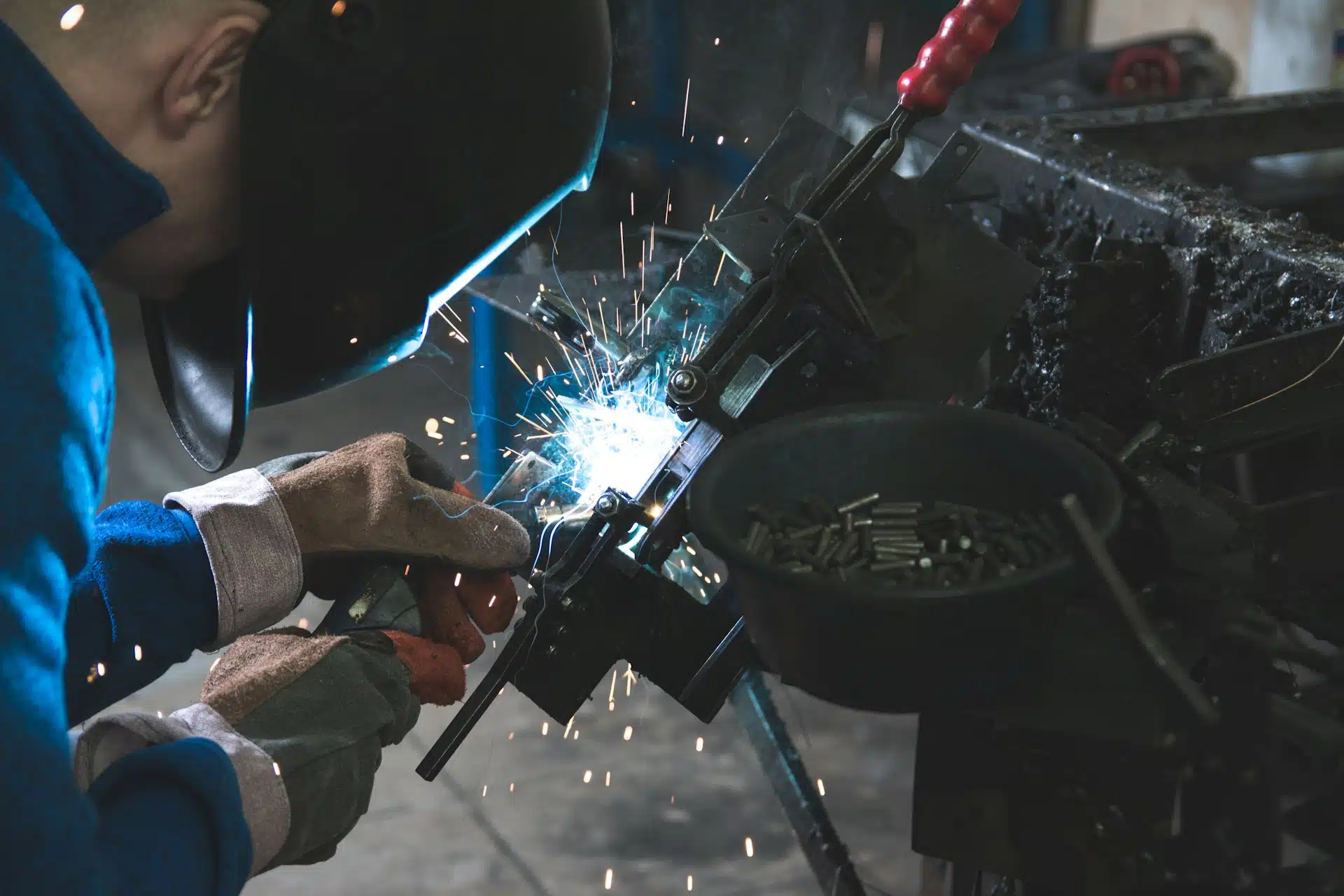
Even experienced welders can encounter issues when working with aluminum.
Ignoring Material Thickness
Using the same settings across different thicknesses often leads to inconsistent results.
Using Excessive Heat
Too much heat increases distortion and weakens the surrounding material.
Poor Surface Preparation
Dirt, oil, or oxidation can interfere with weld penetration and create defects.
Incorrect Speed Adjustments
Changing speed without adjusting power can disrupt weld stability.
Choosing Reliable Laser Welding Equipment
Equipment quality directly impacts weld precision, consistency, and long-term productivity.
Reliable systems should offer:
- Stable power output
- Adjustable speed control
- Precision beam delivery
- User-friendly parameter settings
- Efficient cooling systems
Manufacturers seeking advanced solutions for aluminum welding often explore systems designed specifically for high-precision applications. Solutions available from Denaliweld provide modern laser welding technologies that support cleaner welds, improved speed control, and efficient operation across various aluminum fabrication environments.
Selecting the right equipment helps reduce operational errors while improving overall production quality.
Real-World Applications of Laser Welding Aluminum
Laser welding aluminum is used across many industries because it combines precision with high-speed production.
Automotive Manufacturing
Manufacturers use aluminum to reduce vehicle weight and improve fuel efficiency.
Aerospace Components
Aircraft manufacturers rely on aluminum for structural parts that require strength without excessive weight.
Electronics and Battery Systems
Precision welding is essential for battery housings, connectors, and lightweight electronic components.
Construction and Fabrication
Architectural structures and industrial equipment often use aluminum for corrosion resistance and durability.
Future Trends in Aluminum Laser Welding
As manufacturing technology continues to evolve, laser welding systems are becoming more intelligent and automated.
Emerging trends include:
- AI-assisted welding parameter optimization
- Real-time weld monitoring systems
- Increased robotic integration
- Higher-efficiency fiber lasers
- Improved energy management systems
These advancements are helping manufacturers improve productivity while maintaining high-quality welding standards.
Conclusion
Aluminum welding requires careful control of both laser power and welding speed to achieve clean, strong, and reliable welds. Because aluminum reacts quickly to heat, even small adjustments can significantly affect weld quality. By understanding how power and speed interact, you can reduce defects, improve penetration consistency, and increase production efficiency. Proper surface preparation, accurate parameter testing, and reliable equipment also play essential roles in successful welding operations.
As laser welding technology continues to improve, manufacturers and fabricators have more opportunities to produce high-quality aluminum welds with greater precision and efficiency than ever before.