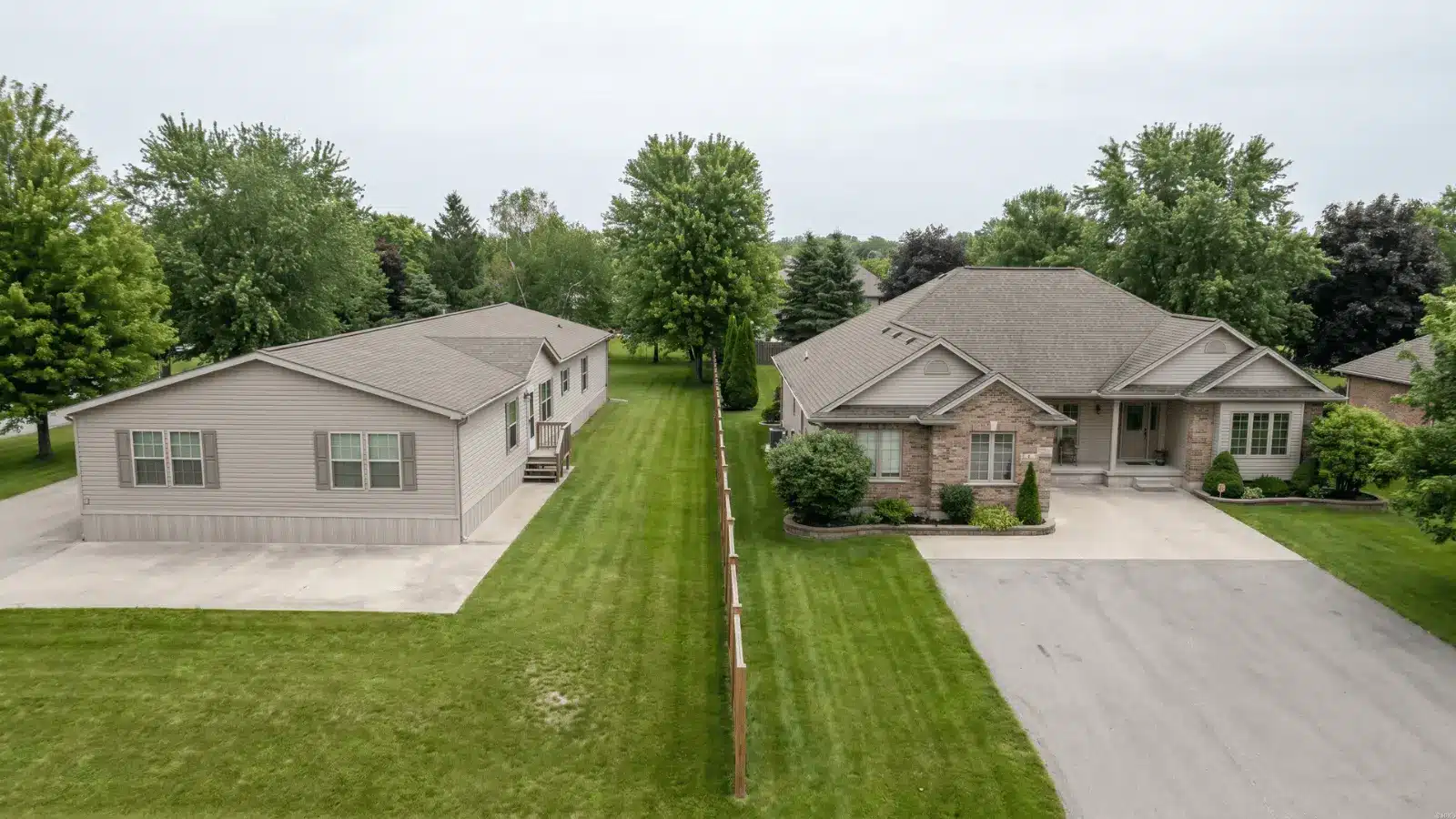
A 5-bedroom mobile home can look like a simple solution when you need more space, but the decision behind it is rarely that straightforward.
What seems affordable at first can shift once you factor in land, setup, and long-term use.
I’ve seen many people focus only on size and miss how construction type and ownership rules shape the outcome.
This blog breaks things down in a practical way so you can see what truly matters before making a choice. You’ll get clarity on costs, layouts, and real-life use cases.
Let’s begin by understanding what these homes actually are.
What 5-Bedroom Mobile and Modular Homes Actually Are
These two housing types get mixed up often, but the gap between them is bigger than most people expect.
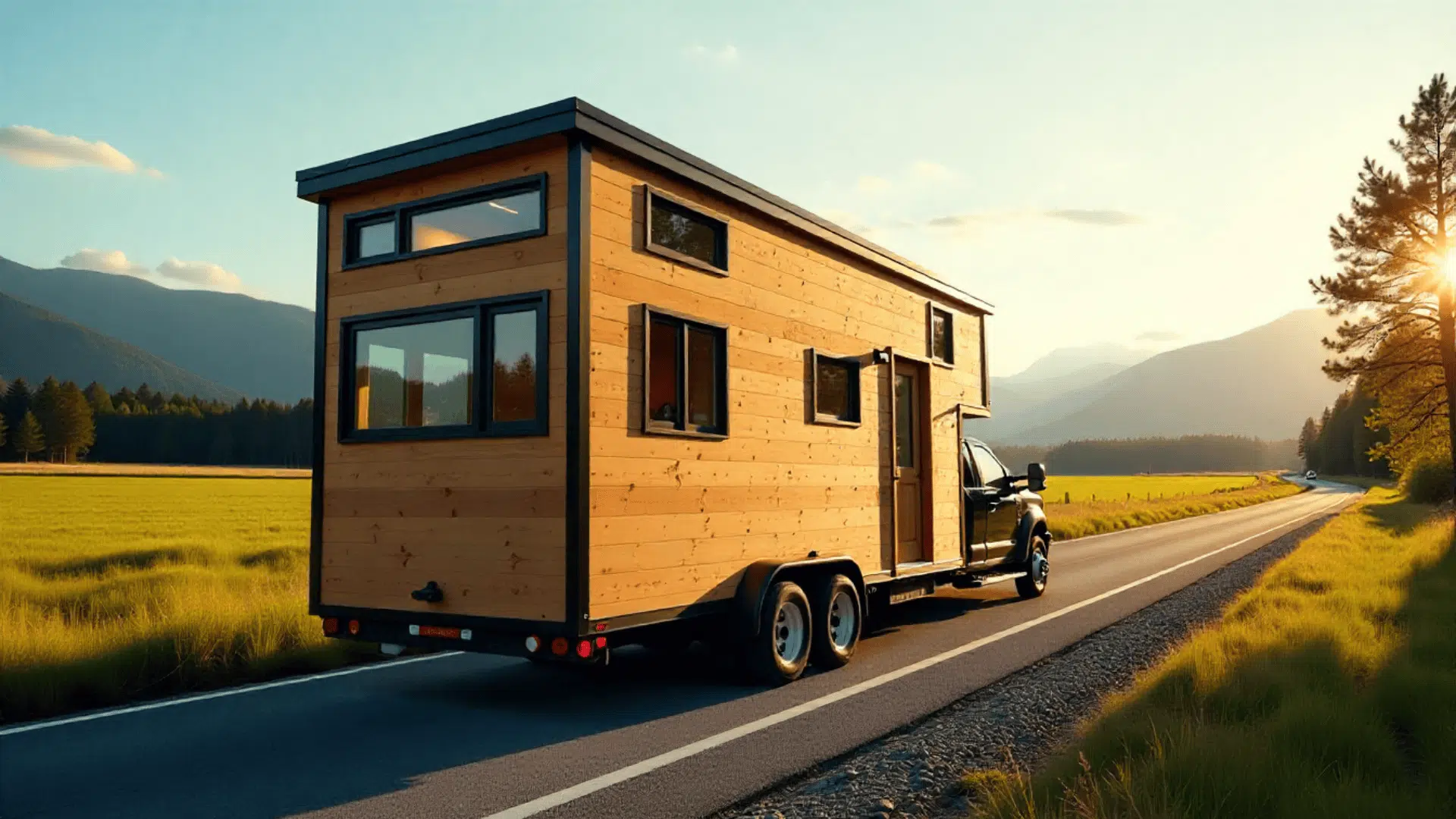
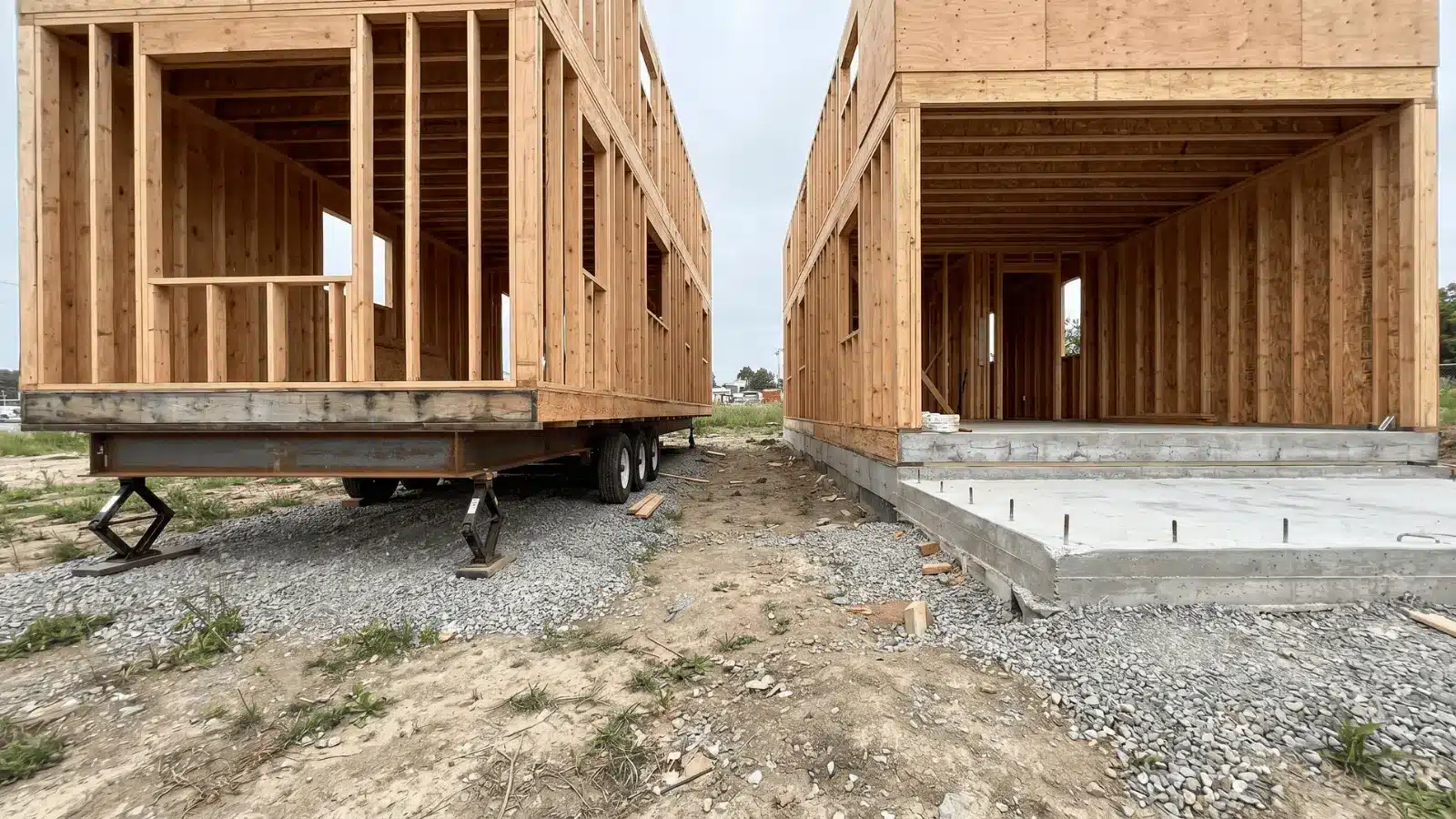
A mobile home, officially called a manufactured home, is built in a factory and follows HUD (U.S. Department of Housing and Urban Development) federal codes. It’s designed to be transported to a site and can technically be moved again later.
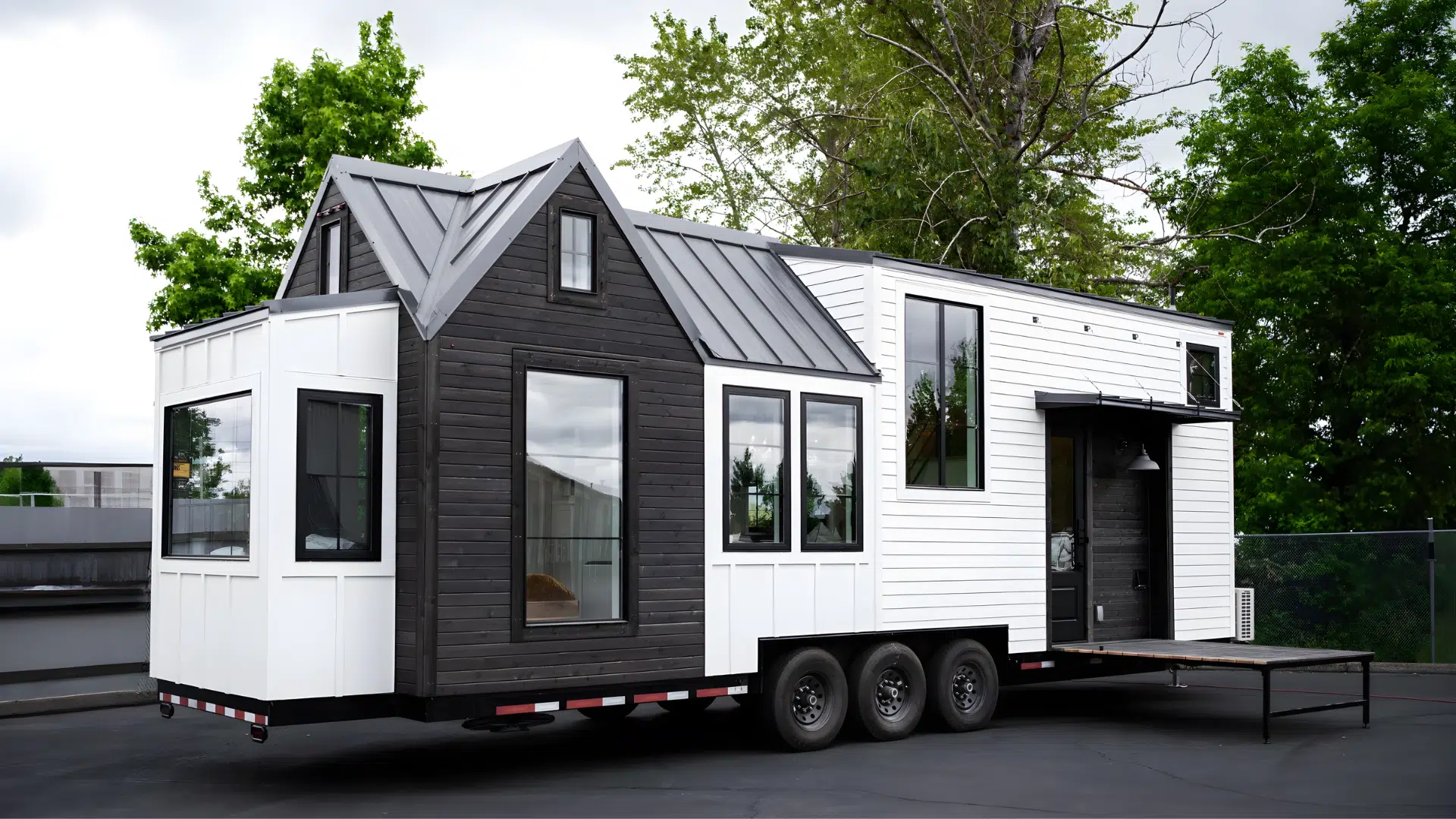
A modular home is also factory-built, but it follows your state or local building codes, the same ones that apply to traditional site-built homes. Once installed on a permanent foundation, it can’t be moved.
That single difference, transportability vs. permanent installation, shapes everything else: how it’s financed, how it’s taxed, and what it’s worth years down the road.
Key Differences that Directly Impact Your Decision
Both options can give you five bedrooms and thousands of square feet. But they’re not the same investment.
Construction Standards and Durability
Manufactured homes are built to the HUD code, which is a federal baseline. Modular homes meet local building codes, which are often stricter.
That means better materials, tighter insulation standards, and framing built to the same specs as a site-built home. Modular homes are also assembled using standard parts, which makes repairs and inspections more straightforward down the road.
Manufactured homes are functional and well-built to HUD standards, but HUD sets a federal floor, not a ceiling.
Ownership and Legal Classification
This is where a lot of buyers get surprised. A manufactured home is often classified as personal property, similar to a vehicle, unless you convert it to real property by owning the land and following your state’s titling process.
A modular home, by default, is classified as real estate. That classification affects your loan options, your tax situation, and what happens when you sell.
If your manufactured home stays on leased land, you’ll likely need a chattel loan to finance it. Chattel loans treat the home like personal property, similar to a car loan. They typically carry higher interest rates and shorter repayment terms, which means higher monthly payments over time.
According to the Consumer Financial Protection Bureau, around 42% of manufactured home owners use a chattel loan to finance their purchase
The equity question is real and worth addressing directly.
A manufactured home can build equity, but only under specific conditions:
- You own the land.
- The home is on a permanent foundation.
- You’ve retitled it as real property in your state.
Without those three things, it’s likely to depreciate over time, much like a vehicle. A modular home, classified as real estate by default, builds equity in line with the local market from day one.
The old belief that “mobile homes always lose value” isn’t entirely accurate, but context matters. Land ownership, location, and upkeep all play a role.
Customization and Design Flexibility
Manufactured homes come in preset layouts. You choose from what’s available.
Modular homes allow deeper customization, floor plan changes, finishes, structural options, because they’re designed to integrate with a permanent site. More flexibility does mean more cost, but it also means the home fits your needs more precisely.
Typical Size, Layout, and Features in 5-Bedroom Models
Five-bedroom options in both categories are real, but they’re not compact. Most 5-bedroom manufactured and modular homes fall in the 2,000–2,500+ sq. ft. range.
They’re almost always double-wide or multi-section units. A single-wide simply can’t accommodate five bedrooms without becoming impractical.
Common layout features include:
- Split-bedroom design: master suite on one end, other bedrooms on the opposite side
- 3 bathrooms: needed to prevent bottlenecks with multiple occupants
- Open kitchen and living area: keeps shared spaces functional
- Walk-in closets and utility rooms: standard in most larger models
The layout logic is practical. With five bedrooms and potentially a large family, the design prioritizes privacy and shared space in equal measure.
Don’t expect a 5-bedroom option in a small footprint; it doesn’t exist in any functional form.
Real Price Breakdown and What Drives Cost
The listed price and the real cost are rarely the same number.
Base Price Ranges
Manufactured homes typically start in the low-to-mid $100K range for a 5-bedroom model; roughly $70–$120 per square foot before land and setup.
Modular homes generally run higher, often $120–$200 per square foot, putting a comparable 5-bedroom build well into the $250K+ range once site work and foundation are included.
The gap comes down to three things: stricter code compliance, better materials, and the permanent construction that modular requires from the start.
Hidden Costs Most Listings Don’t Show
Here’s what often doesn’t appear in the advertised price:
- Land purchase: if you don’t already own a lot
- Site preparation: grading, clearing, and foundation work
- Utility hookups: water, sewer, electrical connections
- Transportation and installation: delivering and setting the home
- Permits and inspections: required in most states for both types
These can add tens of thousands of dollars to your total.
Why Prices Vary So Much
Two homes with the same bedroom count can cost very different amounts depending on:
- Layout complexity and number of sections
- Kitchen upgrades, appliance packages, and finish levels
- Insulation and energy efficiency options
- Regional labor rates and land costs
A “starting from” price is just that, a starting point. Always calculate the full setup cost before comparing options.
When to Choose a 5-Bedroom Mobile vs. Modular Home
The better option depends on what you value more right now: lower upfront cost or long-term stability. This side-by-side view makes the differences easier to understand.
| Factor | 5-Bedroom Mobile Home | 5-Bedroom Modular Home |
|---|---|---|
| Best For | Budget-focused buyers who need maximum space | Buyers planning long-term living and investment |
| Cost | Lower upfront cost, more affordable entry point | Higher upfront cost, stronger long-term value |
| Land Fit | Works well on rural land with fewer restrictions | Better suited for suburban or regulated areas |
| Speed | Faster delivery and setup timeline | Longer timeline due to foundation and approvals |
| Flexibility | Limited layout and customization options | Greater design and customization flexibility |
| Financing | Often requires chattel loans with higher rates | Eligible for conventional, FHA, and VA loans |
| Ownership Type | Can be personal property unless converted | Classified as real estate by default |
| Long-Term Value | May not appreciate as strongly | More likely to appreciate like traditional homes |
| Use Case | Semi-permanent or short-to-mid-term living | Permanent residence and resale potential |
To be honest, there’s no one-size-fits-all answer. The right choice comes down to how long you plan to stay, how you want to finance the home, and what kind of value you expect over time.
Common Mistakes Buyers Make When Comparing These Homes

Some of these mistakes don’t show up until after the purchase. Here’s what to watch before you commit:
- Comparing base prices only: without factoring in land, setup, and permits
- Ignoring land ownership requirements: especially critical for financing a manufactured home
- Assuming 5-bedroom layouts offer equal privacy: layout design varies widely between manufacturers
- Dismissing manufactured homes based on older models: today’s HUD-code homes are built to far higher standards than pre-1976 units; the stereotype doesn’t reflect what’s available now
- Overlooking zoning laws: manufactured homes face more placement restrictions, especially in suburban or urban areas
Missing any one of these can mean choosing the wrong option for your situation, or running into problems after the purchase.
Quick Decision Framework to Choose the Right Option
- Budget is your top priority → manufactured home
- Long-term value and equity matter → modular home
- You want a custom layout → modular home
- You need speed and lower cost → manufactured home
- You need conventional mortgage financing → modular home
Neither option is universally better. The right one depends entirely on what you’re optimizing for.
Conclusion
Choosing a 5-bedroom mobile home is not just about fitting more rooms into your budget; it’s about how that choice supports your future plans.
The right decision depends on how long you plan to stay, how you want to finance the home, and what kind of value you expect over time.
I’ve seen that when buyers align their decision with their lifestyle, not just price, they avoid regret later. Take time to review your priorities, calculate the full cost, and move forward with a clear plan.
Want more clarity before deciding? Check out other blogs on the website to compare your options in detail.
Frequently Asked Questions
How long does it take to move into a 5-bedroom mobile or modular home?
A manufactured home can be ready in weeks. A modular home typically takes 3–5 months, still far faster than a traditional site-built home.
Can a 5-bedroom modular home appreciate in value like a regular house?
Yes. When built to local codes and placed on a permanent foundation, modular homes appraise and appreciate just like traditional site-built properties.
What loan types can I use to buy a 5-bedroom modular home?
Modular homes qualify for conventional, FHA, and VA loans. Manufactured homes usually require chattel loans, which carry higher interest rates and shorter repayment terms.
Is a 5-bedroom manufactured home energy efficient?
Modern manufactured homes offer insulation upgrades and efficient HVAC options. Modular homes tend to be even more efficient due to tighter factory construction and better-sealed seams.