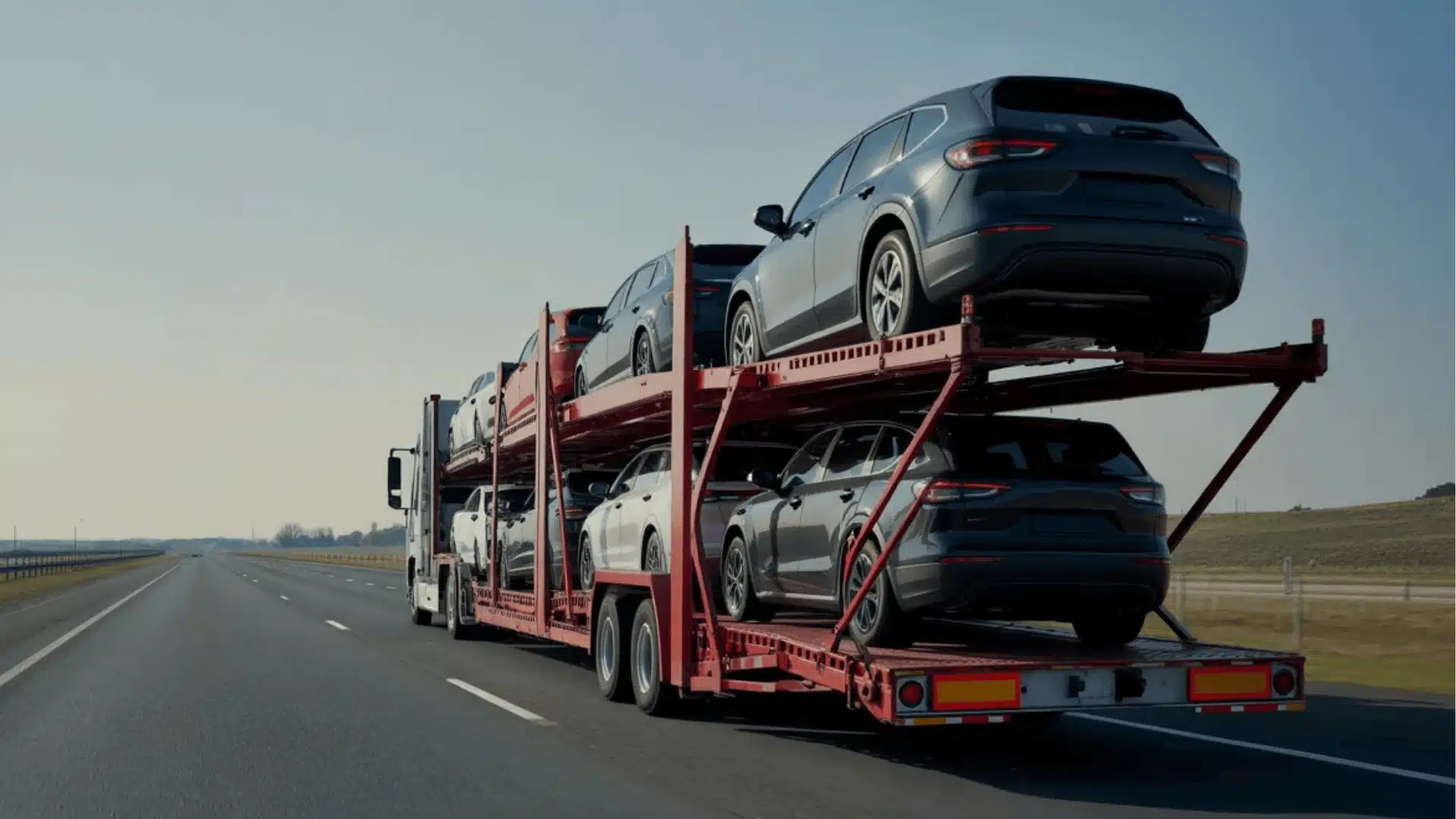
Moving a vehicle across state lines is not just about getting it from point A to point B. It involves choices that affect cost, timing, and risk in ways most people don’t expect.
I’ve seen this firsthand when I had to ship my car to another state. At first, it looked simple. Get a quote, book a carrier, and wait. But small decisions like choosing the wrong transport type or booking too late quickly started affecting price and timing. That experience made it clear how easy it is to run into avoidable problems without the right information.
If you plan to transport a car to another state, those early decisions matter more than they seem. They can either keep things smooth or create delays, extra costs, and unnecessary stress.
Here, I’ll walk you through how transport methods differ, what really drives pricing, and how to handle booking, preparation, and delivery without confusion.
This way, you stay in control from start to finish.
Choose the Right Way to Transport Your Car
Before booking anything, the first thing to do is decide how your car will actually move. This choice shapes your total cost, time commitment, effort, and overall risk. I’ve seen people rush this step and end up paying more or dealing with avoidable issues later.
Transport Methods to Choose From
Here’s a clear breakdown of your options so you can quickly see what each one involves:
Professional Auto Transport: Your car is shipped on a multi-vehicle carrier. The company handles routes, timing, and logistics, so you don’t deal with the process directly.
Driving Yourself: You take full control and drive the car yourself. This means managing fuel, rest stops, and planning the entire trip.
Tow Dolly or Trailer: Your car is loaded onto a dolly or trailer and pulled by another vehicle. You handle loading, securing, and driving, which requires proper towing skills.
Hiring a Driver: A professional driver takes your car to the destination. It’s simple for you, but the car stays on the road and adds mileage.
Why This Choice Impacts Everything
Each method affects more than just how the car moves. It changes your overall experience.
- Cost: Driving may look cheaper at first, but fuel, hotels, and wear often increase the total expense.
- Time: Transport services save time, while DIY options require full-day involvement.
- Effort: Handling things yourself means more planning and physical work.
- Risk: Long drives increase the chance of accidents and breakdowns compared to shipping.
When Each Option Makes Sense
Not every method works in every situation. Here’s how they typically perform in real scenarios:
Professional Transport: Best for long distances or when you want minimal involvement. It may not suit you if you expect fixed delivery dates.
Driving Yourself: Works for short trips or planned travel. It becomes tiring and risky over long distances.
Tow Dolly or Trailer: Useful if you already have the right vehicle and experience. Without skill, it can quickly become unsafe.
Hiring a Driver: Good when you want convenience without waiting for a carrier. It’s not ideal for high-value cars due to road exposure and added mileage.
A quick reality check. The lowest upfront price is not always the cheapest option in the end.
How Car Shipping Pricing Actually Works
Car shipping prices are not fixed like standard delivery services. They shift based on how carriers plan routes, manage trailer space, and respond to demand, which means two quotes for the same trip can look very different depending on when you book and who’s available.
What Drives Your Price
The core factors are distance, vehicle size, route popularity, and transport type.
Distance has a counterintuitive effect: longer trips cost more in total, but the per-mile rate usually drops because carriers spread fixed costs across more miles.
A 1,500-mile haul is more expensive than a 300-mile one, but you’re paying less per mile for it.
Vehicle size and weight matter because trailer space is limited. A larger or heavier vehicle takes up more room and adds to the fuel load, which limits how many cars a carrier can run per trip.
Route popularity works the same way; high-traffic corridors like LA to New York have more carriers competing for loads, which keeps prices lower. Remote routes cost more because carriers have to go out of their way to reach them.
Seasonality adds another layer: prices rise during peak moving periods when demand outpaces available carriers and soften during slower months.
What to Expect on Price
Open carrier shipping typically runs $0.75 to $1.00 per mile. Enclosed transport usually costs $1.00 to $1.50 per mile.
On a 500-mile route, open carrier shipping generally lands in the $400–$600 range. A cross-country move of 2,500 miles can run $900–$1,500 or more, depending on vehicle size, route, and timing.
These are market estimates, not guarantees. Your actual quote will shift based on current availability and demand, but they give you a baseline to evaluate against. If a number comes in well below this range, that’s worth scrutinizing before you book.
Where Quotes Can Surprise You
Initial quotes are estimates, not locked prices. If carrier availability or timing shifts between booking and pickup, the number can change. A few other situations that push costs higher:
- Faster delivery costs more due to priority handling and limited carrier availability.
- Higher insurance coverage is available as an add-on but increases the base price.
- Inoperable vehicles require winch equipment for loading, which carriers charge for separately.
- Rural pickup or delivery adds cost regardless of route, since carriers are detouring from their optimized path to reach you.
How to Hire a Car Shipping Company Step-by-Step
Once you’ve decided how you want your car moved, these steps take you from that decision to a confirmed booking. Each one handles a specific failure point; skip any of them, and you risk overpaying, dealing with an unreliable carrier, or losing legal protection if something goes wrong.
Step 1: Request and Compare Multiple Quotes
Get quotes from at least 2–3 providers before committing. Pricing varies based on carrier networks, route availability, and current demand, so a single quote gives you no reference point.
Enter accurate vehicle and route details from the start. Incorrect information leads to revised pricing later, which can delay your booking or force you to restart the process.
Step 2: Choose Your Transport Type
Open vs. enclosed: Open transport is the standard option and the more affordable one. Your car rides on an open multi-car carrier, exposed to weather and road debris. Enclosed transport costs more but keeps the vehicle protected inside a covered trailer.
For most standard vehicles, open is fine. For luxury, classic, or low-clearance cars, enclosed is worth the premium.
Door-to-door vs. terminal-to-terminal: Door-to-door means the carrier picks up and drops off at the addresses you specify. Terminal-to-terminal means you drop the car at a designated carrier location and collect it from another.
Terminal is cheaper, but it requires arranging separate transportation to and from the drop-off point, which is less practical if the car you’re shipping is your only vehicle. Most residential shipments use door-to-door.
If cost is the priority, ask whether terminal options are available on your route.
Step 3: Verify the Company Before Booking
Check FMCSA registration, insurance coverage, and customer reviews before you pay anything. A legitimate carrier or broker will have an active FMCSA number you can verify at fmcsa.dot.gov.
Skipping this step is where most scams and service failures begin; low-quality brokers take deposits without having an active carrier network to fulfill the shipment.
Step 4: Schedule Your Pickup and Delivery Window
Carriers run multi-stop routes, so pickup and delivery dates are windows, not fixed appointments. Build flexibility into your schedule.
If you need the car by a hard deadline, ask about expedited options, but expect to pay more for priority handling. Assuming exact dates and planning around them is the most common source of frustration in this process.
Step 5: Confirm Documents and Booking Details
Before pickup, review theBill of Lading carefully. It acts as your contract and records the car’s condition at the time of handover. This document is what protects you if a damage dispute comes up later.
Also, confirm that ownership documents and insurance details are in order. Problems with paperwork at pickup can delay loading or void your coverage during transit.
Prepare Your Car for Transport Properly
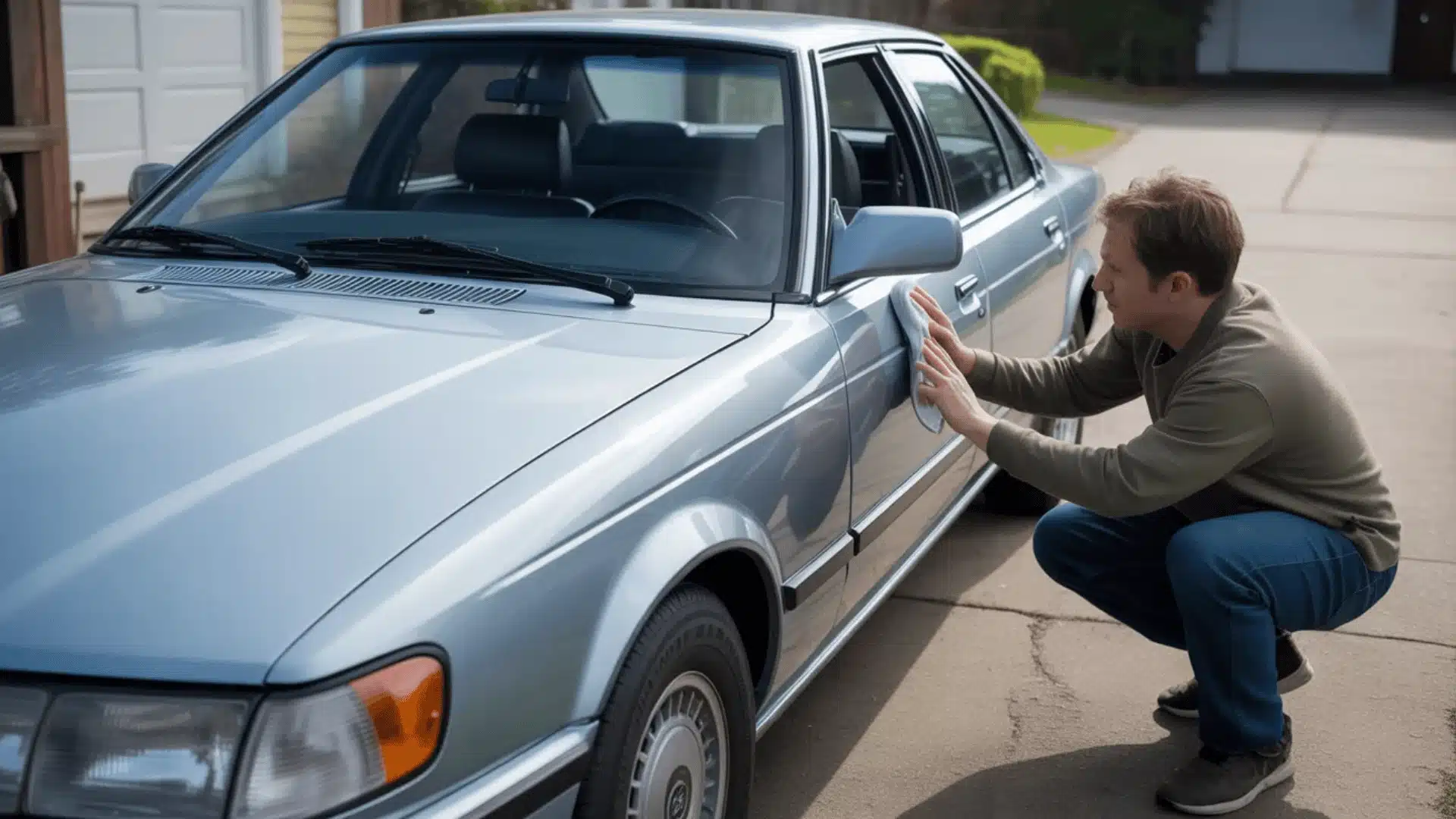
A few simple steps before pickup prevent the most common problems: refused loading, disputed damage, and unexpected charges.
Remove Personal Items and Reduce Weight
Transport companies don’t allow personal belongings in the car during shipping. Items aren’t covered by the carrier’s insurance, and they can shift during transit and cause interior damage.
Remove everything from the cabin, trunk, and any storage areas before the driver arrives.
Keep the fuel tank at or below a quarter full. A full tank adds unnecessary weight, which increases fuel load for the carrier and can push your final price up.
Clean the Vehicle and Document Its Condition
Wash the car before pickup, not for appearance, but so existing damage is clearly visible during inspection. Dirt hides scratches and dents, which makes it harder to prove what was pre-existing if something comes up at delivery.
Once it’s clean, photograph the entire vehicle from all angles: every panel, bumper, the roof, and any existing damage.
These photos are your baseline. If the car arrives with new damage and you need to file a claim, they’re the only proof of what the vehicle looked like before it left.
Check Fluids, Battery, and Tires
Carriers can refuse a vehicle with active fluid leaks, such as oil, coolant, transmission fluid, or brake fluid, dripping onto the trailer, which can damage other cars in the load. Check underneath before pickup and address any leaks in advance.
Make sure the battery is charged and the tires are properly inflated. The driver needs to load and unload the car under its own power. A dead battery or flat tire at pickup creates a delay and may result in rescheduling fees.
Manage Pickup, Transit, and Delivery Correctly
This is where most problems happen, not because the process is complicated, but because people don’t know what to expect or what to watch for at each stage.
1. Pickup
When the driver arrives, they’ll inspect your car and record its condition on the Bill of Lading before loading it.
Go through this inspection with them. Check that every existing scratch, dent, or mark you photographed is noted on the document.
When you sign the BOL, you’re confirming the vehicle’s condition at that moment, that record becomes your baseline for any damage claim, so it needs to be accurate before you put your name on it.
2. Transit
Your car travels on a multi-car carrier alongside other vehicles, which means the route includes multiple stops for other pickups and deliveries.
Delivery timelines are estimates, not commitments. Weather, traffic, route changes, and driver hours regulations can all affect timing.
Expect some variation and don’t plan hard commitments around an exact arrival date.
3. Delivery
When the car arrives, inspect it against your photos and the original BOL before signing anything.
Check every panel, the bumpers, and the roof. If you find new damage, note it on the delivery BOL and photograph it immediately; do not sign until it’s documented.
Signing the BOL at delivery confirms you’ve accepted the vehicle in its current condition. Once that signature is on the page, your ability to file a claim is effectively gone.
4. What Goes Wrong
Missing pickup or delivery in person is the most avoidable problem in this process. If you’re not there, you can’t verify the inspection, you can’t note discrepancies, and you may face rescheduling charges.
If you genuinely can’t be present, arrange for someone you trust to handle it, and make sure they know what to look for and what not to sign without checking first.
Understand Timeline and Delays Before You Book
Car shipping doesn’t follow fixed schedules. Timelines depend on distance, carrier availability, and how your shipment fits into a multi-stop route, which means the delivery window is always an estimate, not a commitment.
As a general range, short-distance shipments typically take 1–2 days, while long-distance moves can take 7–9 days depending on route complexity. That covers transit time only. Pickup can add more time on top, especially if carrier availability is thin when you book.
Delays are normal and should be expected. Your car shares trailer space with other vehicles, so timing depends on the full route, not just your leg of it. Weather, road conditions, driver hours regulations, and stops for other pickups and deliveries all affect when your car actually arrives.
Routes are optimized for carrier efficiency, which makes them cost-effective but harder to predict.
If you’re working against a hard deadline, expedited shipping is available but costs more due to priority handling and limited carrier flexibility.
Either way, plan for alternate transportation during the window your car is in transit. Delivery dates are estimates, building your schedule around an exact date is the most common way this process becomes frustrating.
Common Mistakes that Cause Delays, Damage, or Extra Costs
Most problems in car shipping trace back to a small number of avoidable decisions. These are the ones that come up most often:
Booking too late. Last-minute bookings shrink your carrier options, which pushes prices up and makes pickup scheduling harder. Booking at least 1–2 weeks out gives you better availability and more room to negotiate.
Choosing the lowest quote without checking the company. Quotes that sit well below market range usually signal thin carrier availability or an unreliable broker. The savings rarely hold, and when they don’t, you’re dealing with delays or a carrier you can’t verify.
Not confirming insurance coverage. Ask specifically what the carrier’s policy covers and what it excludes. If damage occurs during transport and you haven’t confirmed coverage, you may have no financial recourse.
Skipping vehicle preparation. Unprepared cars can be refused at pickup or flagged for extra charges. Fluid leaks, dead batteries, and flat tires all create problems at the loading stage that fall on you to resolve.
Signing without inspecting. At both pickup and delivery, the Bill of Lading is a legal record. Signing it without checking the car’s condition closes your window to file a damage claim. Once it’s signed, it’s done — there’s no going back.
Quick Checklist to Transport a Car without Issues
Run through this before and during the process to make sure nothing gets missed.
- Compare 2–3 quotes before booking, pricing varies more than most people expect
- Choose open or enclosed transport based on your car’s value and risk tolerance
- Decide between door-to-door and terminal-to-terminal based on cost and convenience
- Verify FMCSA registration, insurance coverage, and reviews before paying anything
- Book at least 1–2 weeks out and keep your dates flexible
- Remove personal items, clean the car, and keep fuel at or below a quarter tank
- Photograph the entire vehicle before pickup: every panel, every existing mark
- Review and confirm the Bill of Lading at pickup before signing
- Inspect the car against your photos at delivery before signing anything
Conclusion
Transporting a car to another state becomes much easier when you understand how each step works and where things can go wrong.
From choosing the right method to handling delivery, every decision affects the final outcome.
With the right approach, you can avoid delays, reduce risk, and maintain control over costs and timing.
Use this guide as your reference, follow the steps carefully, and you’ll be able to move your car without unnecessary stress.
Frequently Asked Questions
How much does it cost to ship a car to another state?
Open carrier shipping typically runs $0.75 to $1.00 per mile. Enclosed transport costs $1.00 to $1.50 per mile. A 500-mile shipment on an open carrier generally falls between $400 and $600. A cross-country move of 2,500 miles can run $900 to $1,500 or more. Final pricing depends on vehicle size, route, seasonality, and carrier availability at the time of booking.
How long does it take to ship a car to another state?
Short-distance shipments typically take 1–2 days. Long-distance moves can take 7–9 days depending on route complexity. These estimates cover transit time only, pickup scheduling can add additional days depending on carrier availability. Delivery windows are estimates, not guaranteed dates.
What is the Bill of Lading in car shipping?
The Bill of Lading (BOL) is the official document that records your car’s condition at pickup and delivery. It acts as both a contract and a condition report. You sign it at pickup to confirm the vehicle’s state before transport, and again at delivery to confirm receipt. Any new damage must be noted on the BOL before you sign at delivery; signing without documenting damage closes your ability to file a claim.
How far in advance should I book car transport?
Book at least 1–2 weeks before your intended pickup date. Booking earlier gives you access to more carriers, better pricing, and more flexibility on dates. Last-minute bookings limit your options and typically result in higher rates.