Temperature-sensitive products do not fail randomly. They fail when environmental conditions change, and the issue goes unnoticed.
This is where temperature-controlled shipping becomes important. It ensures products stay within safe conditions throughout transit.
Many people think it only involves refrigerated trucks. In reality, it is a complete system that works from start to finish.
Temperature control must be continuous across the entire journey. If one part fails, the whole shipment can be affected.
This guide explains how the cold chain works in practice. It also shows why certain products need it and what causes failures behind the scenes.
What is Temperature-Controlled Shipping (Cold Chain Logistics)
Temperature-controlled shipping is the process of maintaining a specific temperature range during storage and transportation. It is a key part of cold chain logistics.
This process is not limited to using refrigerated vehicles. It involves controlling temperature from the moment a product leaves storage until it reaches its final destination.
That includes:
- Warehousing
- Loading docks
- Transportation
- Transfers between carriers
- Final delivery
If temperature stability is lost at any stage, product integrity can be affected. Even a brief disruption can cause long-term damage.
Many people assume temperature control only means refrigeration. In reality, it includes multiple temperature ranges based on product needs.
These include:
- Frozen
- Chilled
- Cryogenic
- Controlled room temperature
The goal is to maintain stable environmental conditions, not just keep products cold. Each range serves a specific purpose depending on the product.
Monitoring devices track temperature but do not control it. Control comes from packaging, insulation, and powered cooling systems.
Why Temperature Stability Matters for Sensitive Products
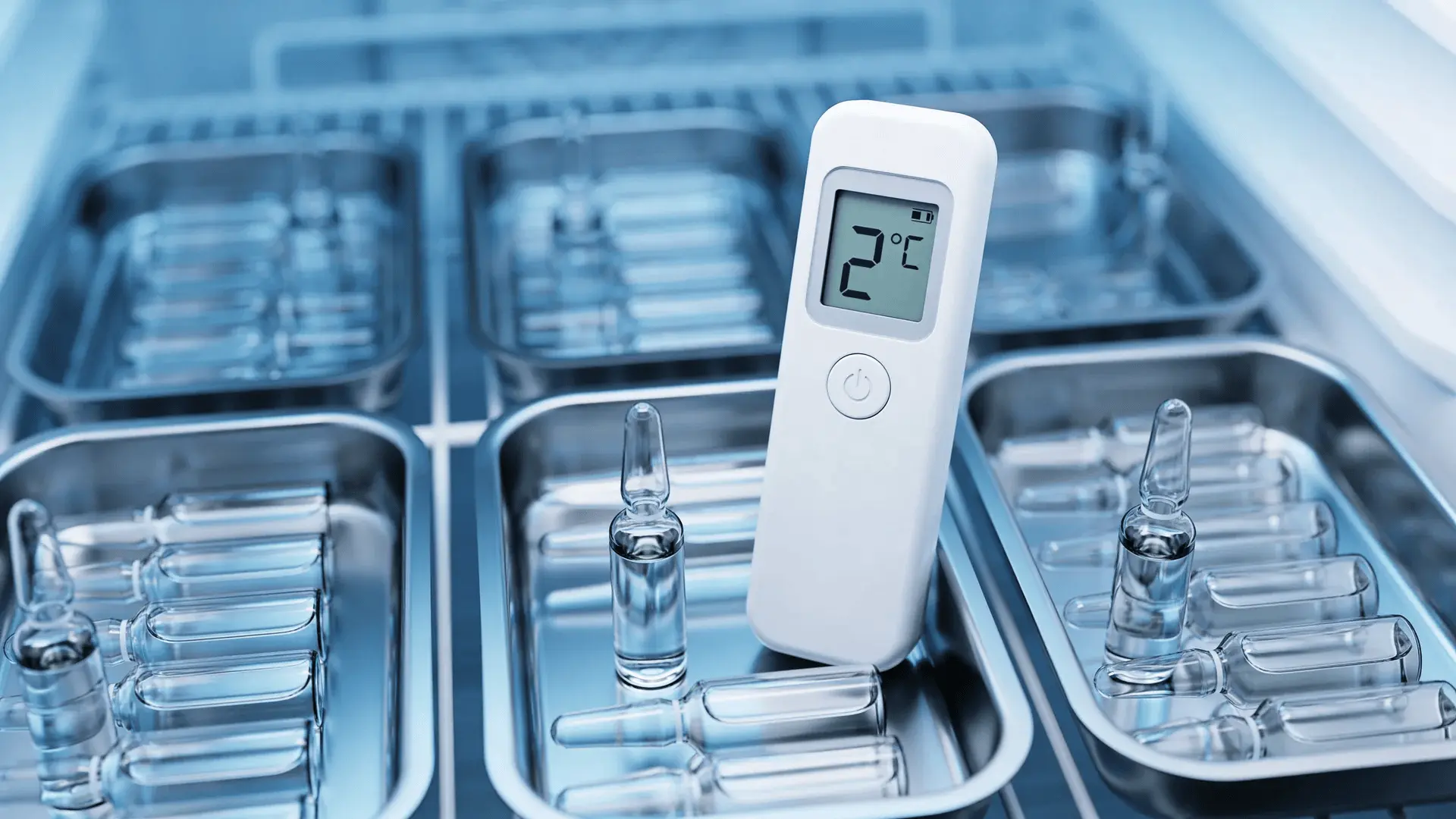
Temperature affects products at a chemical and biological level. When it moves outside a safe range, internal changes begin. Those changes are not always visible.
Sometimes damage is immediate. Other times it builds slowly over hours or days, and by the time it shows, the problem is already done.
Biological and Pharmaceutical Sensitivity
Biological materials such as vaccines, blood products, and certain medications are extremely sensitive to heat and freezing.
Proteins inside vaccines can change structure when exposed to higher temperatures. Once that structure shifts, the product may lose effectiveness, and cooling it again does not reverse the damage.
Freezing can also cause problems. Some vaccines and injectable drugs separate or form crystals when frozen. Even brief freezing can make them unsafe.
Short exposure might not show visible signs, but the internal structure may already be compromised. That is why stability matters from start to finish.
Food Safety and Microbial Growth
Food reacts differently.
When refrigerated food rises out of its safe temperature range, bacteria multiply. The warmer the temperature, the faster that growth happens.
A short spike may not cause spoilage. A sustained rise can lead to unsafe levels of bacteria.
Freezing also changes food structure. Ice crystals form inside tissues, and if freezing and thawing happen repeatedly, the texture and quality break down.
This is why the time and temperature combination matters. It is not just about how high the temperature goes, but how long it stays there.
Chemical and Material Instability
Certain chemicals and industrial materials need stable temperatures to prevent unwanted reactions. Even small changes can affect how these materials behave.
Heat can speed up chemical reactions, while cold can change viscosity or cause separation. These changes can impact how the material performs.
Repeated temperature fluctuations can make some materials unstable over time. Even minor shifts can accumulate and degrade overall performance.
Many people think temperature only affects freshness. In reality, it can also impact safety, performance, and compliance requirements.
Standard Temperature Ranges Used in Cold Chain Shipping
Different products require different temperature ranges. There is no single “cold” setting that works for everything.
Cryogenic
Cryogenic shipping typically involves temperatures below -150°C. This range is used for specialized biologics and certain advanced medical therapies.
At these temperatures, biological activity nearly stops. However, maintaining this range requires specialized containers and liquid nitrogen systems.
Small deviations can cause rapid warming once protective cooling begins to dissipate.
Frozen
Frozen shipping typically ranges from -20°C to -10°C. It is used for frozen foods and some pharmaceuticals.
If the temperature rises above freezing for too long, thawing begins. Refreezing can damage the structure and reduce the quality.
Short spikes may be manageable depending on duration, but sustained warming increases risk.
Refrigerated / Chilled
Refrigerated shipping generally falls between 2°C and 8°C. This is common with vaccines, dairy products, produce, and certain medications.
For many pharmaceutical products, this range is narrow. Even brief exposure above 8°C can reduce potency over time.
Products differ in tolerance. Some may handle short variations. Others cannot.
Controlled Room Temperature
Controlled room temperature typically ranges from 15°C to 25°C.
This is often misunderstood. It does not mean “any normal room.” It means maintaining a defined, stable ambient range.
Extreme heat or cold during transport can push products outside this band quickly if they are not properly insulated.
Core Components of a Temperature-Controlled Shipping System
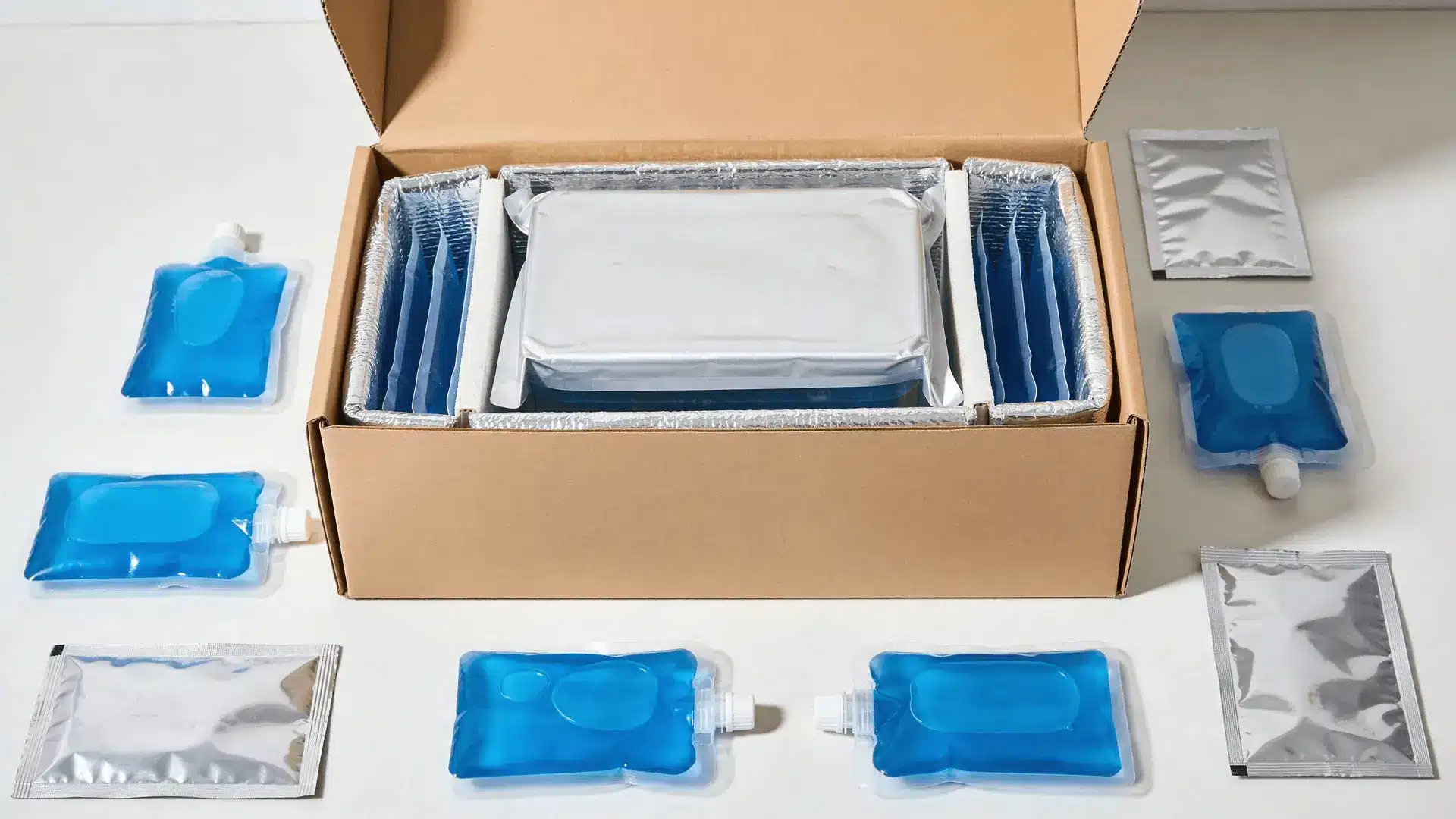
Temperature control depends on multiple components working together. If one fails, the system weakens.
Active Refrigeration Systems (Reefers and Powered Units)
Active systems use powered refrigeration units to control temperature. These systems are commonly used in trucks, containers, and aircraft cargo holds.
They actively cool or heat the cargo space to maintain a set range. This makes them suitable for long-distance transport and large shipments.
However, these systems depend on a continuous power supply. Any mechanical failure or fuel issue can quickly raise temperatures.
Passive Insulated Packaging and Refrigerants
Passive systems use insulated containers combined with refrigerants like gel packs or dry ice.
They do not generate cooling. They preserve it. They are designed to maintain temperature for a specific duration under defined external conditions.
Their effectiveness depends on:
- Starting temperature
- Outside temperature
- Transit duration
- Proper pre-conditioning
They are reliable within limits, but not indefinite.
Insulation, Thermal Mass, and Environmental Exposure
Insulation slows heat transfer, while thermal mass, such as frozen gel packs, absorbs heat over time. Together, they help delay the onset of temperature change, but they cannot stop it completely.
Environmental exposure still plays a major role during transit. Areas like loading docks, airport tarmacs, and delivery vans can reach extreme temperatures that affect shipments.
Repeated short exposures can build up and reduce overall stability. Protection depends on limiting how often and for how long products are exposed to these conditions.
Many people assume packaging alone is enough to protect products. In reality, that protection has clear limits and must be supported by proper handling.
How Temperature Excursions Occur and Why the Cold Chain Fails
A temperature excursion happens when a shipment moves outside its required temperature range. These events often occur during transition points rather than long, steady periods.
Transfer Points and Handling Delays
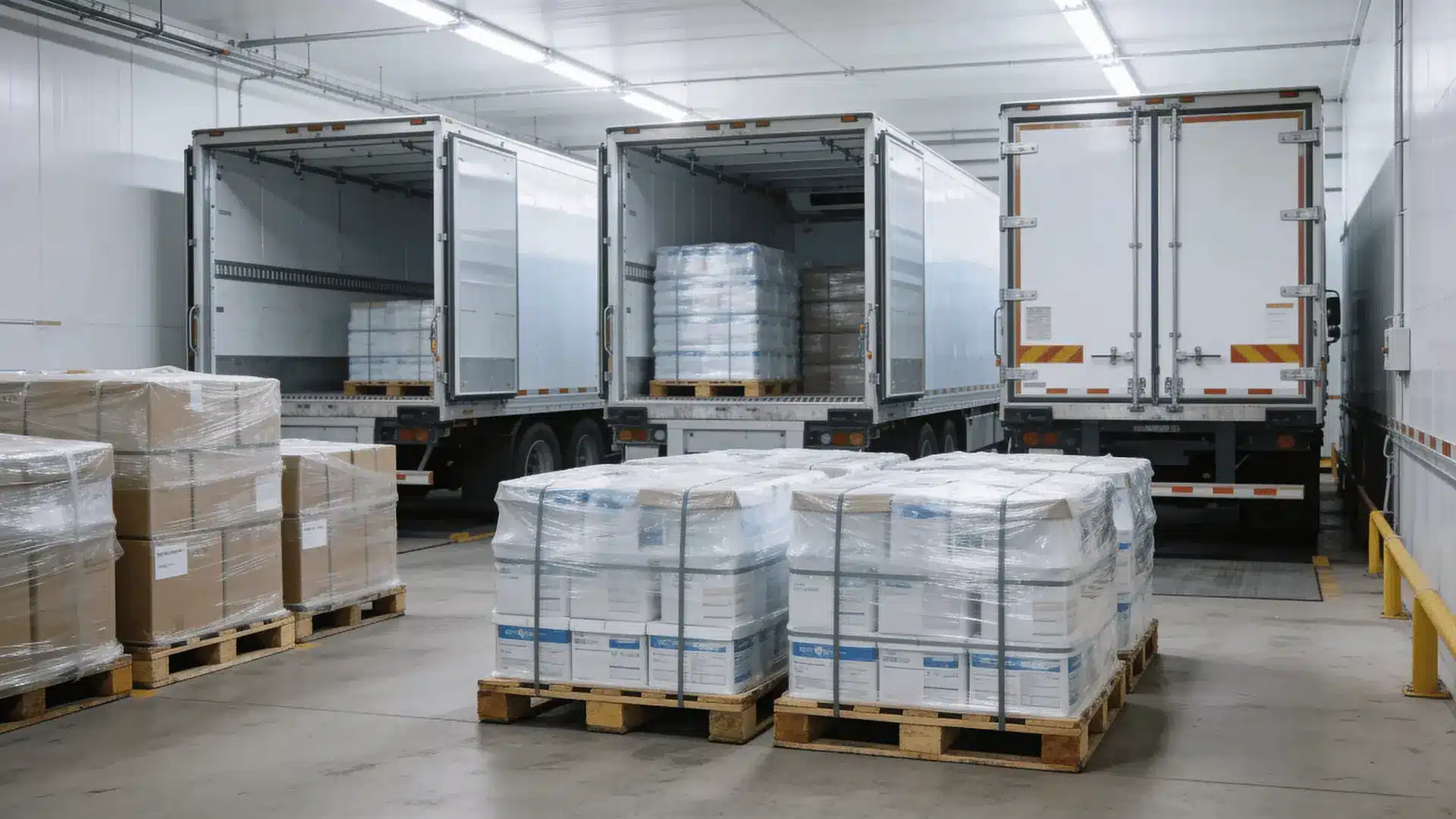
Loading and unloading are some of the highest-risk moments in the cold chain. Doors stay open, containers sit outside, and delays increase exposure.
Even short periods of exposure can add up across multiple stops. Time plays just as important a role as temperature in these situations.
Packaging Failure or Insufficient Conditioning
If packaging is not properly prepared, internal temperatures may already be unstable at the start. Gel packs may not be fully frozen, or the insulation may be damaged.
These small issues shorten the time the packaging can protect the product. The problem may not show up until later in the journey.
External Environmental Extremes
Extreme weather conditions increase stress on temperature control systems. Heat waves and cold snaps make it harder to maintain stable conditions.
Active systems must work harder, while passive systems lose effectiveness faster. The longer the exposure, the higher the risk of failure.
Cumulative exposure is a key factor in product safety. A single short spike may be fine, but repeated or long spikes increase the chance of damage.
Many people think short temperature changes are harmless. The impact depends on the duration of exposure and the product’s sensitivity.
Temperature Monitoring and Verification in Transit
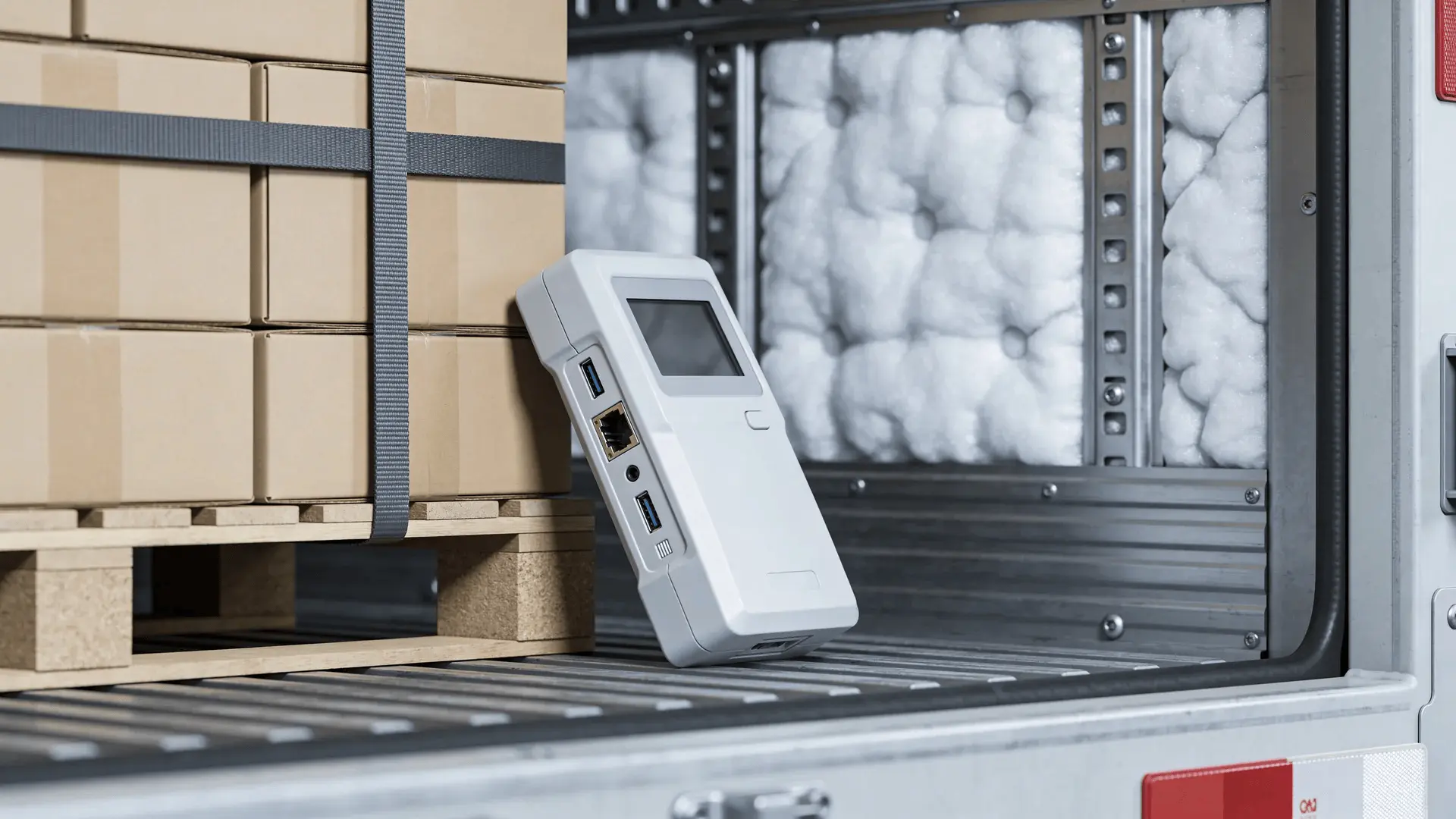
Monitoring systems record temperature but do not control it. This difference is important when managing cold chain risks.
Data Loggers and Embedded Sensors
Data loggers record temperature at set intervals during transit. They can be placed inside packages or built into containers.
These devices provide a full temperature history after delivery. This helps confirm whether the shipment stayed within its required range.
Real-Time Tracking and Alerts
Some systems send temperature data in real time during transit. Alerts are triggered when temperatures move outside safe limits.
This allows teams to take action, such as adjusting settings or rerouting shipments. The system itself does not fix the issue but signals when intervention is needed.
Documentation and Regulatory Compliance
Temperature records are often required for regulated shipments, such as pharmaceuticals. These records prove that conditions were maintained throughout the journey.
If an excursion is recorded, products may need to be tested or rejected. Compliance depends on having clear and accurate data.
Industries that Rely on Temperature-Controlled Shipping
Temperature control is important across many industries, not just one. Different sectors rely on stable conditions to protect product quality.
Pharmaceutical and Clinical Logistics
Vaccines, biologics, and blood products require strict temperature control. Even small changes can reduce effectiveness or create safety risks.
This industry follows strict regulations to ensure product stability. Monitoring and documentation are essential at every stage.
Food and Beverage Supply Chains
Food products like dairy, meat, and produce depend on stable temperatures. Poor conditions can lead to spoilage and bacterial growth.
Even short delays in warm conditions can reduce shelf life. Consistency during transport is critical for quality and safety.
Industrial and Chemical Materials
Some chemicals require controlled temperatures to maintain performance. Exposure to extremes can cause changes like thickening, separation, or faster reactions.
These changes can affect how the material works or how safe it is to use. Temperature control helps maintain reliability in these products.
Many people think temperature control only applies to food. In reality, it is important across several industries that handle sensitive materials.
Wrapping Up
Maintaining product integrity during transit requires more than refrigeration; it demands a coordinated system that manages environmental conditions from start to finish.
Temperature-controlled shipping ensures that sensitive goods remain safe, effective, and compliant with industry standards.
The key insight is that stability depends on planning, coordination, and continuous oversight throughout the journey.
Assess your current logistics strategy today and apply the right controls to safeguard your temperature-sensitive products with confidence.
Frequently Asked Questions
Are standard carrier shipments automatically temperature-controlled?
No. Standard shipping services typically move freight at ambient conditions unless a specific temperature-controlled service is selected and arranged.
Is temperature-controlled shipping only for frozen goods?
No. It includes frozen, refrigerated, cryogenic, and controlled-room-temperature ranges, depending on product requirements.
What happens if a shipment falls outside its required range?
The product may require evaluation or rejection. Damage can be immediate or cumulative, depending on duration and sensitivity.