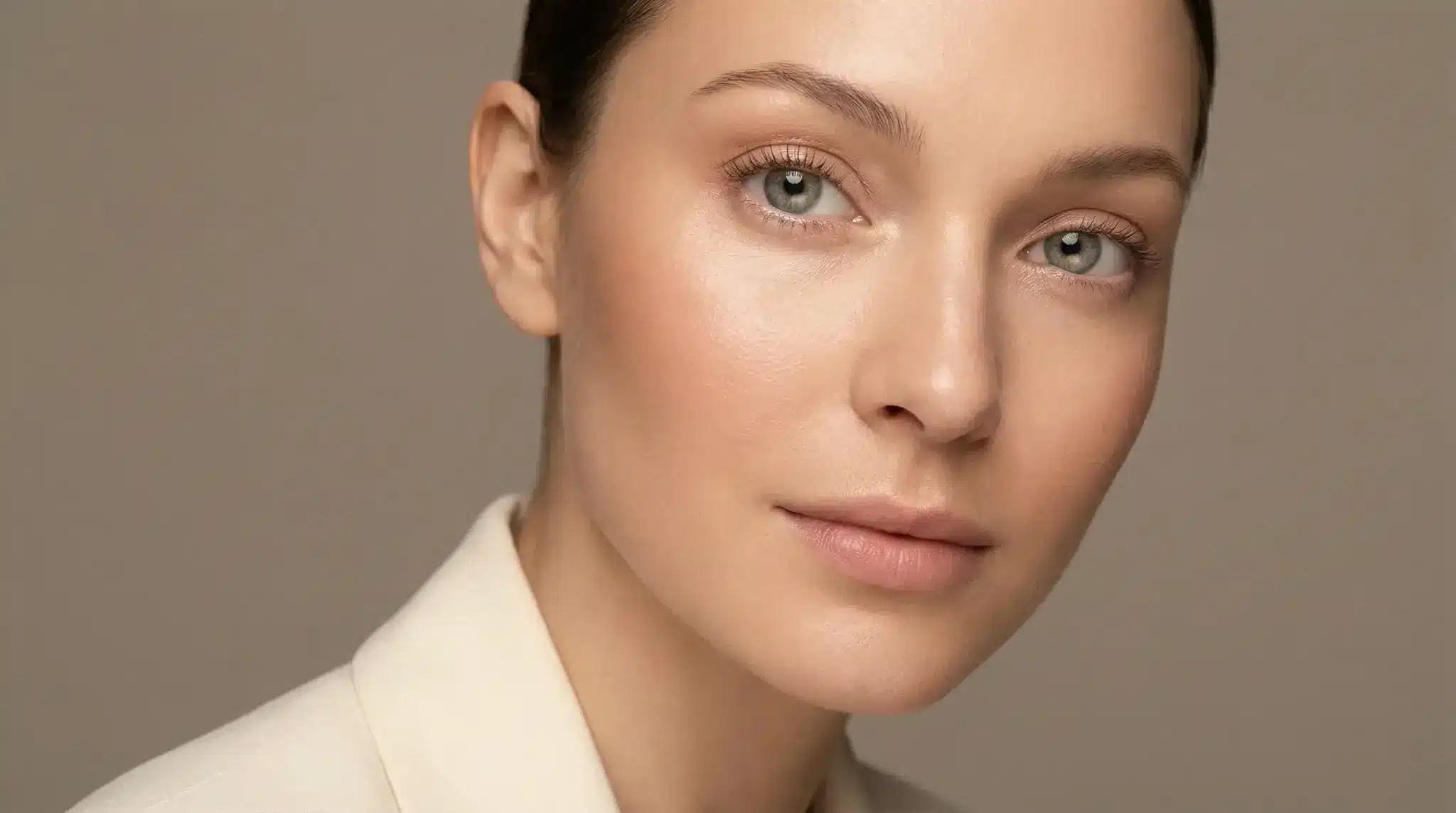
The periorbital area is often the first part of the face to show symptoms of aging and stress from the environment since it is so delicate. The skin surrounding the eyes is significantly thinner than the dermis on the rest of the face. This means that it can’t take the continual pull of gravity and the mechanical forces of facial expression as well. A lot of people feel exhausted all the time, which is demonstrated by the bulging of sub-orbital fat pads and the loss of skin suppleness. Modern aesthetic medicine has progressed from generalized topical treatments to precise surgical interventions that address the structural causes of these conditions. Lower eyelid blepharoplasty is a specialized operation that is now a big part of making the face look younger. It is a complicated approach to move tissue around and make the transition between the lower lid and the cheek smooth and youthful again.
Anatomical Factors in Orbital Aging
To understand why surgical refinement is necessary, we need to look at the complex layers of the lower eyelid, which include the skin, the orbicularis oculi muscle, and the orbital septum. The orbital septum is a strong wall that keeps the natural fat pads in place in a juvenile eye. As the collagen matrix gets weaker over time, this septum gets looser. This helps the fat go forward and make what people usually call “bags” under the eyes. The tear trough going deeper often makes this worse. The tear trough is the hollow space that goes from the inner corner of the eye to the cheek. It forms a shadow that creams and concealers on the skin often can’t cover up well.
The Change From Old to New Ways
In the past, eye surgery usually meant cutting away skin and fat, which sometimes made the eyes look “hollowed” or unnatural. But today’s surgical philosophy puts more emphasis on keeping the volume and changing the structure around. When surgeons cut within the eyelid, they can get to the fat pads underneath without creating a scar on the outside of the eyelid. This enables you “move” additional fat into the empty regions of the tear trough, which makes the middle of the face look smoother. This internal approach also leaves the muscle intact, which means that the eye’s natural form and function are kept while the look is rejuvenated and rested.
Long-Term Skin Health and Whole Body Healing

A full post-operative health program is a crucial feature of any surgical enhancement. During the recuperation phase, cells need to mend, so you need to eat foods that fight inflammation and protect yourself from the sun. It is vital to apply medical-grade antioxidants and high-spectrum mineral sunscreens to avoid hyperpigmentation because the newly molded skin is more sensitive for a short time. The lymphatic drainage system, which is vital for getting rid of leftover edema and making sure that the end results are both clear and long-lasting, also works better when you drink enough water and sleep properly.
What Non-Invasive Maintenance Does
Surgery repairs the tissue’s structural displacement, but a mix of non-invasive techniques keeps the skin surface looking nice. You can utilize surgery along with laser resurfacing and chemical peels to make the dermis feel and look better. This can help with tiny wrinkles and “crepiness” on the surface that surgery alone might not be able to get rid of. This method with many layers makes sure that the skin around the eyes is healthy and radiant, which helps the eyes’ physical structure. By looking at facial aesthetics from both an engineering and a biological point of view, people can achieve a transformation that is balanced and honors their natural characteristics while masking the visible impacts of aging.
Investing Money in a Lasting Aesthetic Legacy
In the long run, getting sophisticated ocular rejuvenation is a good investment in how you appear and feel about yourself. A successful outcome doesn’t mean that the person’s face looks very different; instead, it means that the proportions of their face are restored in a way that makes them look like themselves. A patient leaves a legacy of health by choosing a path that blends surgical precision with a significant focus on their general health and skin integrity. The idea is to seem as healthy and lively as you feel. Your eyes, which are the major way people interact with each other, should be bright and open to demonstrate that you care about your life and live it with purpose.