High energy bills have a way of sneaking up on you. And more often than not, windows are the reason, not the thermostat, not the roof.
Old, inefficient windows can account for up to 30% of a home’s heating and cooling loss. That’s a significant number for something most people don’t even think to check.
So if the most energy-efficient windows have been on your mind lately, that’s already the right instinct.
Let’s get into it!
What Actually Makes a Window Energy Efficient?
Not all windows are built the same. The difference isn’t always visible from the outside – it’s in how they’re actually constructed. A few things decide how efficient a window really is:
- U-Factor measures heat escape- lower the number, better the insulation.
- Glazing refers to glass layers , double- or triple-pane units that trap gas, slowing heat transfer.
- ENERGY STAR Certification confirms the window meets U.S. climate zone efficiency standards.
- Frame Material matters more than most expect – vinyl and fiberglass outperform aluminium.
- Low-E Coating blocks UV rays without affecting the natural light that comes through.
What You’ll Spend vs. What You’ll Save
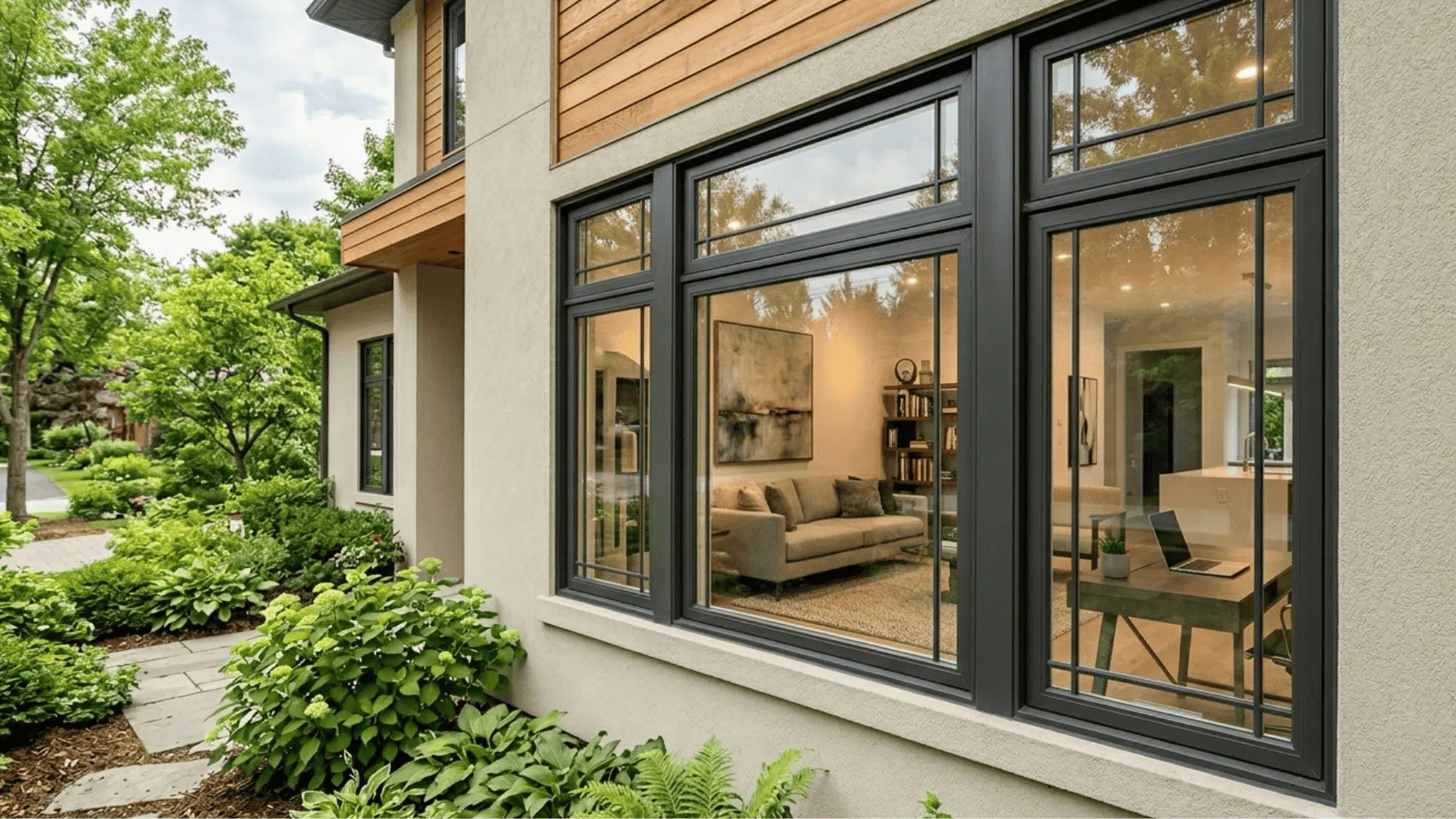
Replacing windows is a real investment. Costs vary more than most people expect, sometimes dramatically depending on type, material, and where you live.
Here’s exactly what different window types run, from supply alone to fully installed:
| Window Type | Cost Per Window (Supply Only) | Installed Cost (Per Window) |
|---|---|---|
| Double Pane | $150 – $400 | $300 – $700 |
| Triple Pane | $400 – $800 | $700 – $1,300 |
| Low-E Glass | $200 – $500 | $350 – $850 |
| Vinyl Frame | $100 – $350 | $250 – $600 |
| Fiberglass Frame | $300 – $600 | $500 – $1,100 |
| Casement Style | $200 – $500 | $350 – $800 |
| ENERGY STAR Rated | $200 – $600 | $350 – $900 |
Do the Savings Actually Show Up?
Savings are real, but they’re not instant. Homes switching from older single-pane windows typically feel the difference within the first full season.
Energy Star certified replacements can cut annual energy costs by $100 to $500, depending on climate and home size. The biggest returns come from full replacements, not partial ones.
One or two new windows in an otherwise drafty house won’t move the needle much. Efficiency works as a system – the more complete the upgrade, the more your bills actually reflect it.
Windows That are Actually Worth It
Frame material matters too. Vinyl and fiberglass insulate better than aluminium, which conducts heat and cold far more easily. Once these basics click, every other decision becomes a whole lot simpler.
Real conversations around most energy-efficient windows aren’t about specs-they’re about what feels worth it after months or years of use. The picks below reflect what keeps getting recommended after real-life experience.
1. Double Pane Windows
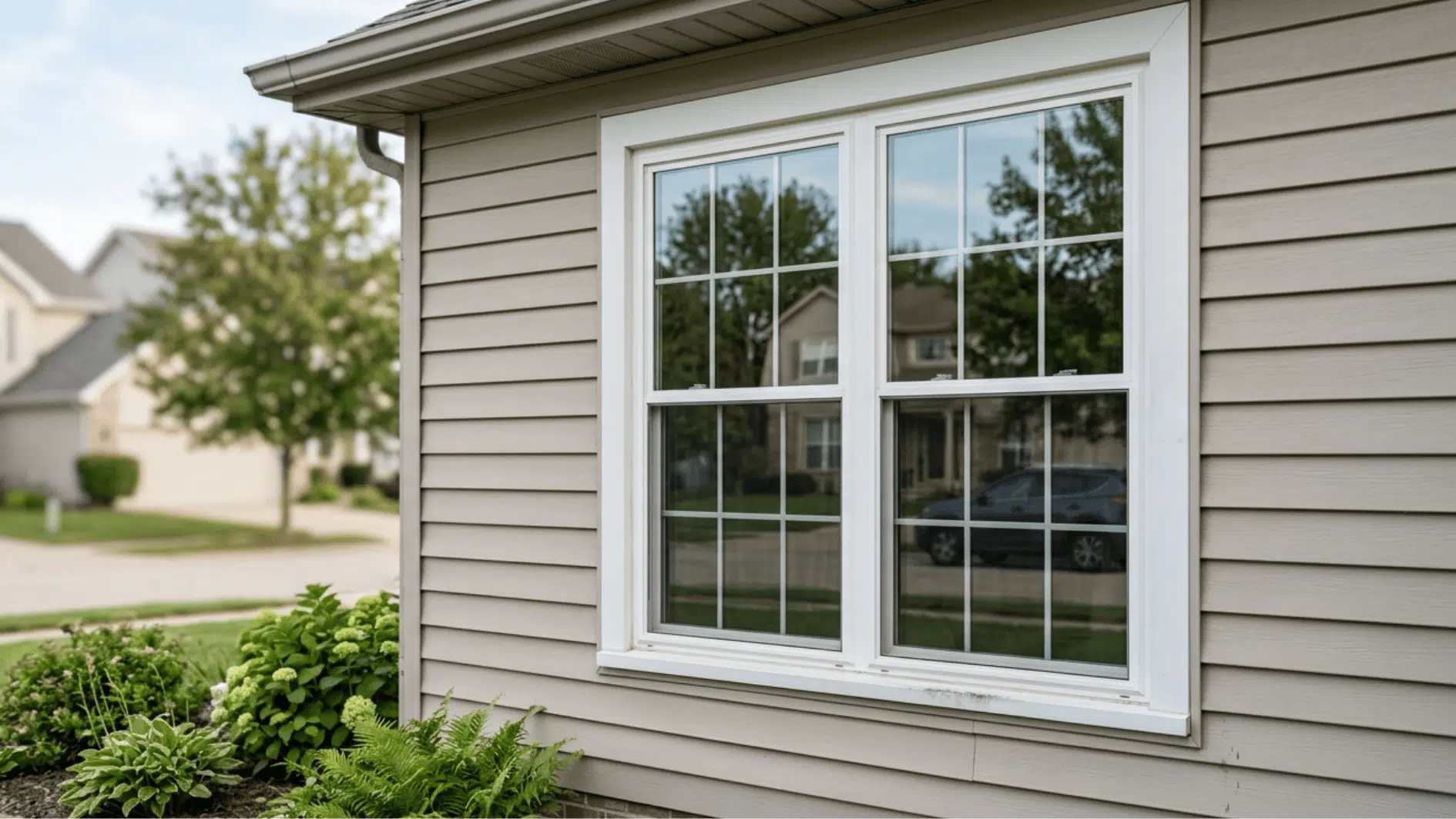
This is the option that shows up the most in recommendations, mainly because it hits a practical middle ground.
It’s not the most advanced, but for many situations, it’s more than enough. A lot of people land here after comparing everything else.
Key Features:
- Two layers of glass with an insulating gap
- Good balance of cost and efficiency
- Works well in moderate climates
- Easier and quicker to install
- Widely available across brands
- Lower upfront cost than advanced options
“We went with double pane and honestly, it fixed the draft issue without spending a ton-felt like the most sensible choice overall.” – Mike, Reddit (r/HomeImprovement)
2. Triple Pane Windows
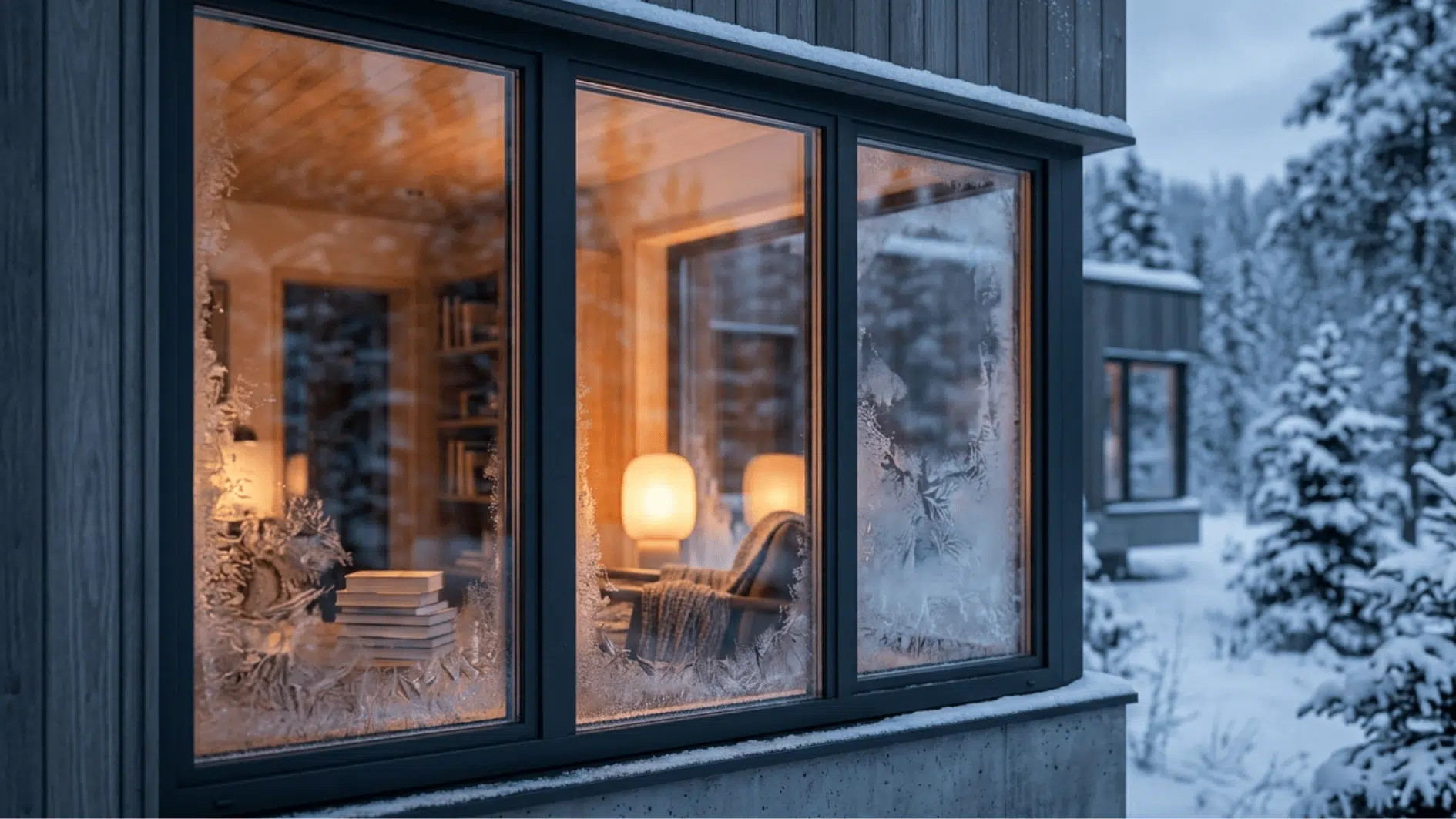
This tends to come up more in specific situations rather than as a default recommendation. It’s usually suggested when insulation really matters, especially in colder regions. Otherwise, people are a bit divided on it.
Key Features:
- Three layers for stronger insulation
- Better at blocking outside noise
- Helps retain indoor heat longer
- Heavier and thicker frame
- Higher upfront investment
- Can improve indoor comfort noticeably
“You can feel the difference in winter for sure, but unless you’re dealing with extreme cold, it can feel like paying extra for something you don’t fully need.” – Linda S., Houzz Discussions
3. Low-E Glass Windows
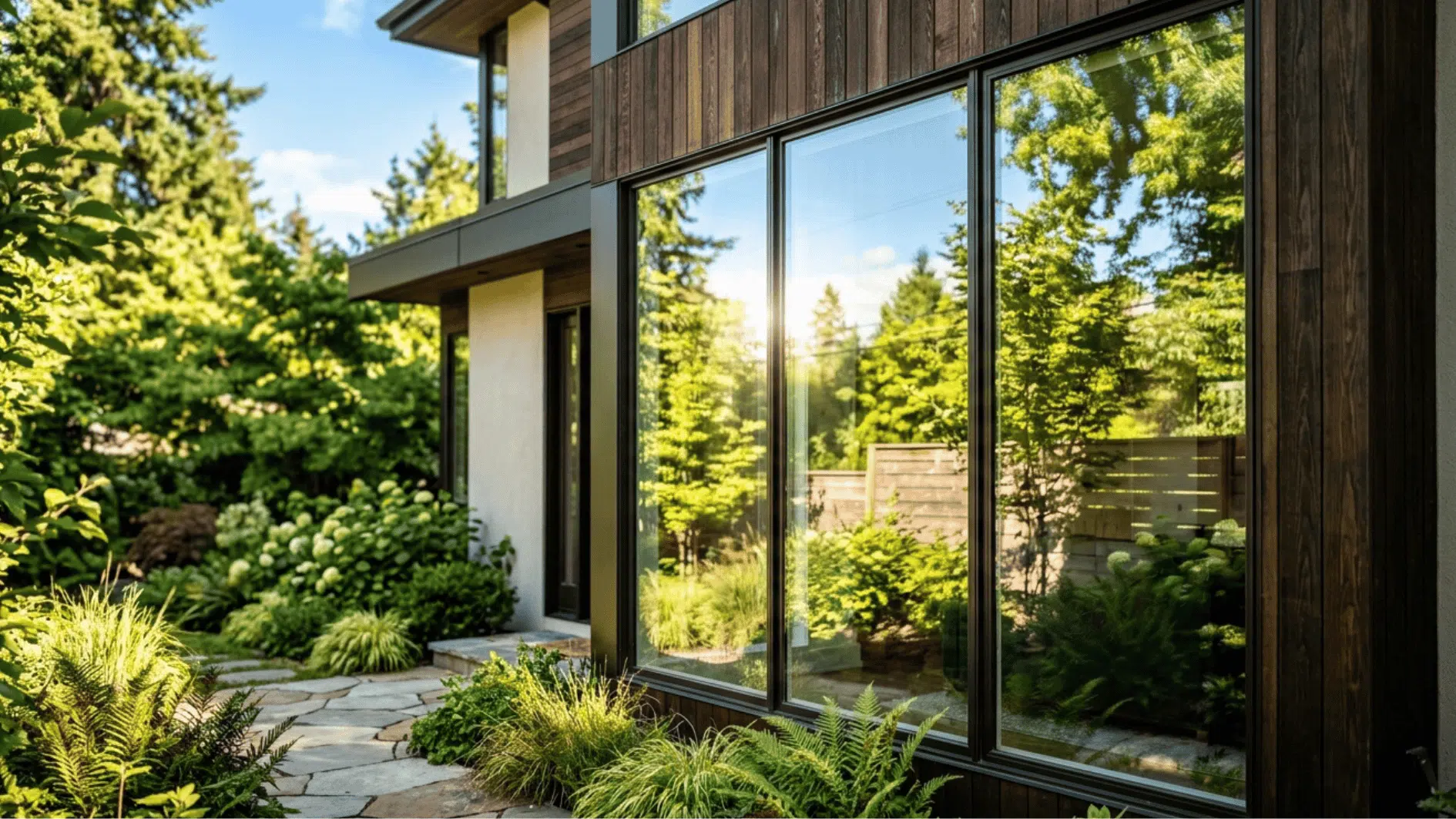
This gets brought up a lot when comfort becomes the focus, especially in rooms that get a lot of sun. People often describe the change in how the space feels rather than just energy savings.
Key Features:
- Reflects heat while allowing natural light
- Helps keep interiors cooler in summer
- Reduces UV exposure indoors
- Improves overall temperature balance
- Common in newer window models
- Works well in sunny or mixed climates
“The room that used to heat up by afternoon is actually usable now, which made a bigger difference than I expected.” – u/sunlitspaces, Reddit (r/Home)
4. Argon Gas-Filled Windows
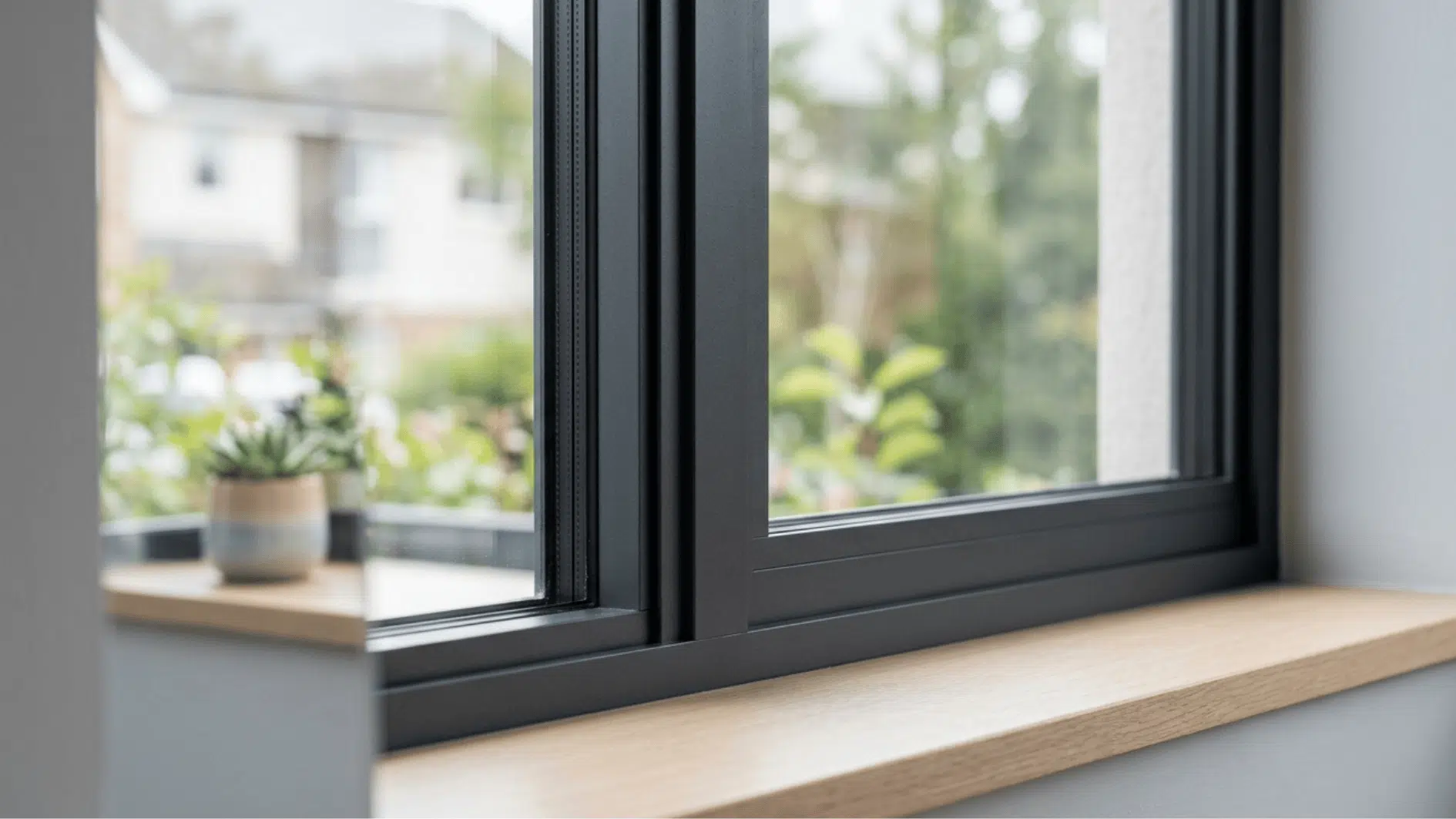
This usually comes up as a supporting feature rather than the main reason someone chooses a window. People appreciate it, but rarely prioritize it on its own.
Key Features:
- Gas layer improves insulation performance
- Reduces heat transfer between panes
- Upgrades the efficiency of double/triple pane
- Invisible but functional upgrade
- Often bundled with standard options
- Helps maintain indoor temperature
“It’s a nice add-on if it’s already there, but I wouldn’t base my whole decision around it or pay significantly more just for that.” – James K., Quora
5. Vinyl Windows
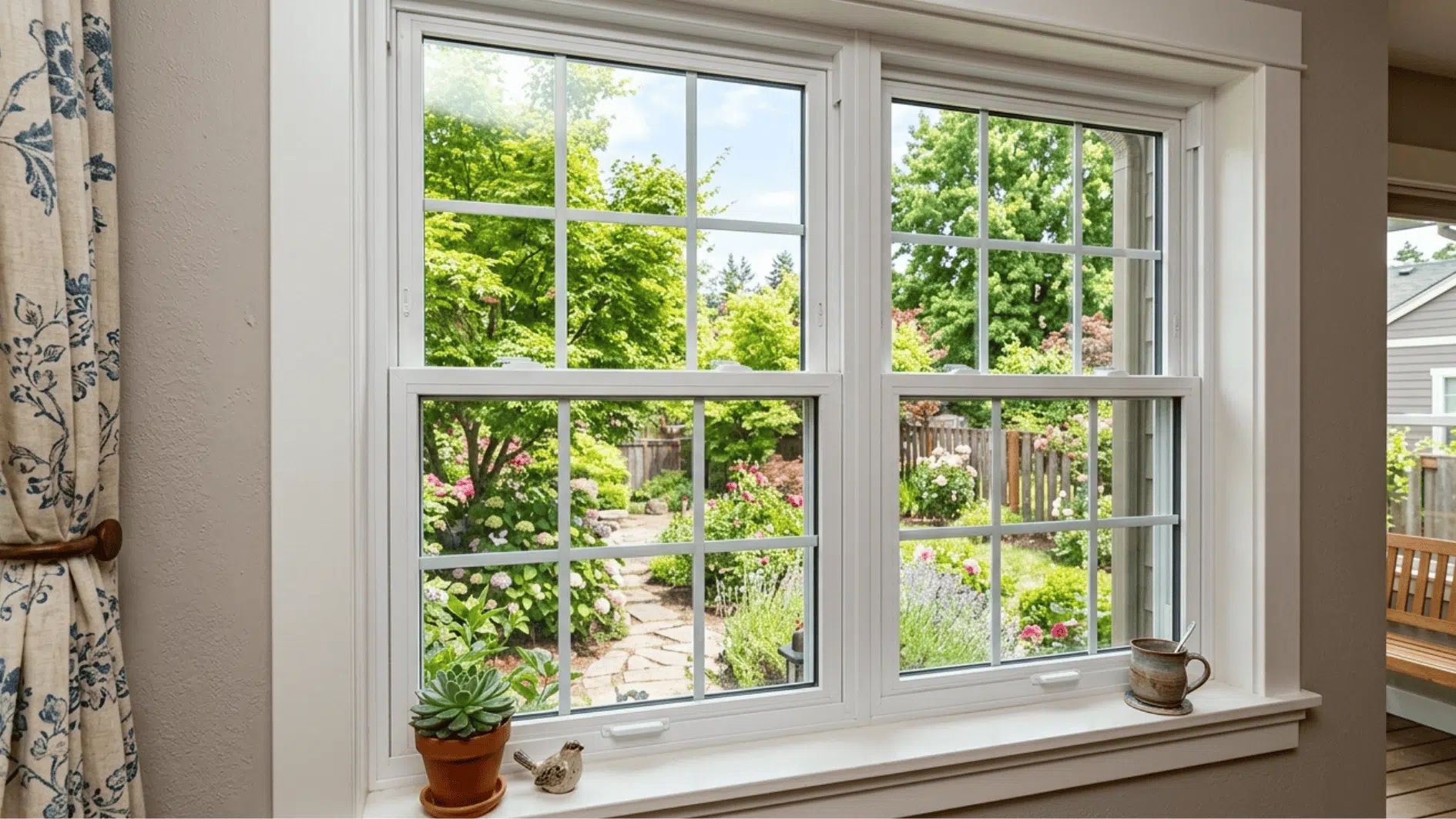
This option comes up frequently when the budget is part of the decision. It’s not seen as premium, but people consistently mention it as reliable and practical.
Key Features:
- Affordable compared to other materials
- Low maintenance over time
- Decent insulation performance
- Resistant to moisture and rot
- Widely used in replacements
- Easy availability and installation
“They’re not the fanciest, but they made a noticeable difference without stretching the budget too much, which is what mattered most.” – Mark, Reddit (r/DIY)
6. Fiberglass Windows
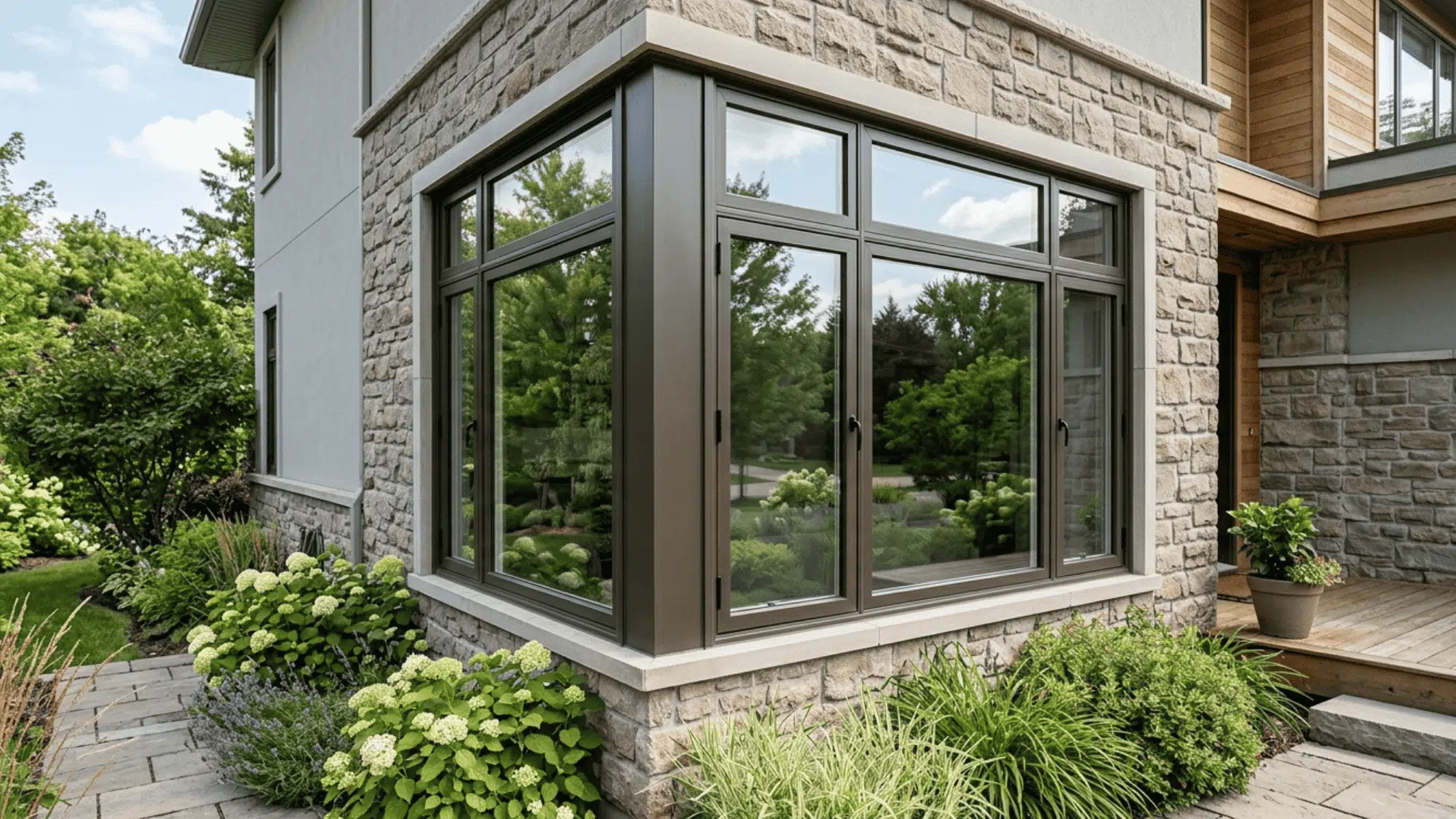
This tends to come up when people are thinking long-term rather than just upfront cost. It’s often described as a more durable and stable option.
Key Features:
- Strong and long-lasting material
- Handles temperature changes well
- Better structural stability
- Can offer improved insulation
- Less expansion and contraction
- Higher upfront cost
“You can tell they’re built better-it feels like something you install once and don’t have to worry about again for years.” – Mark T., Houzz Forum
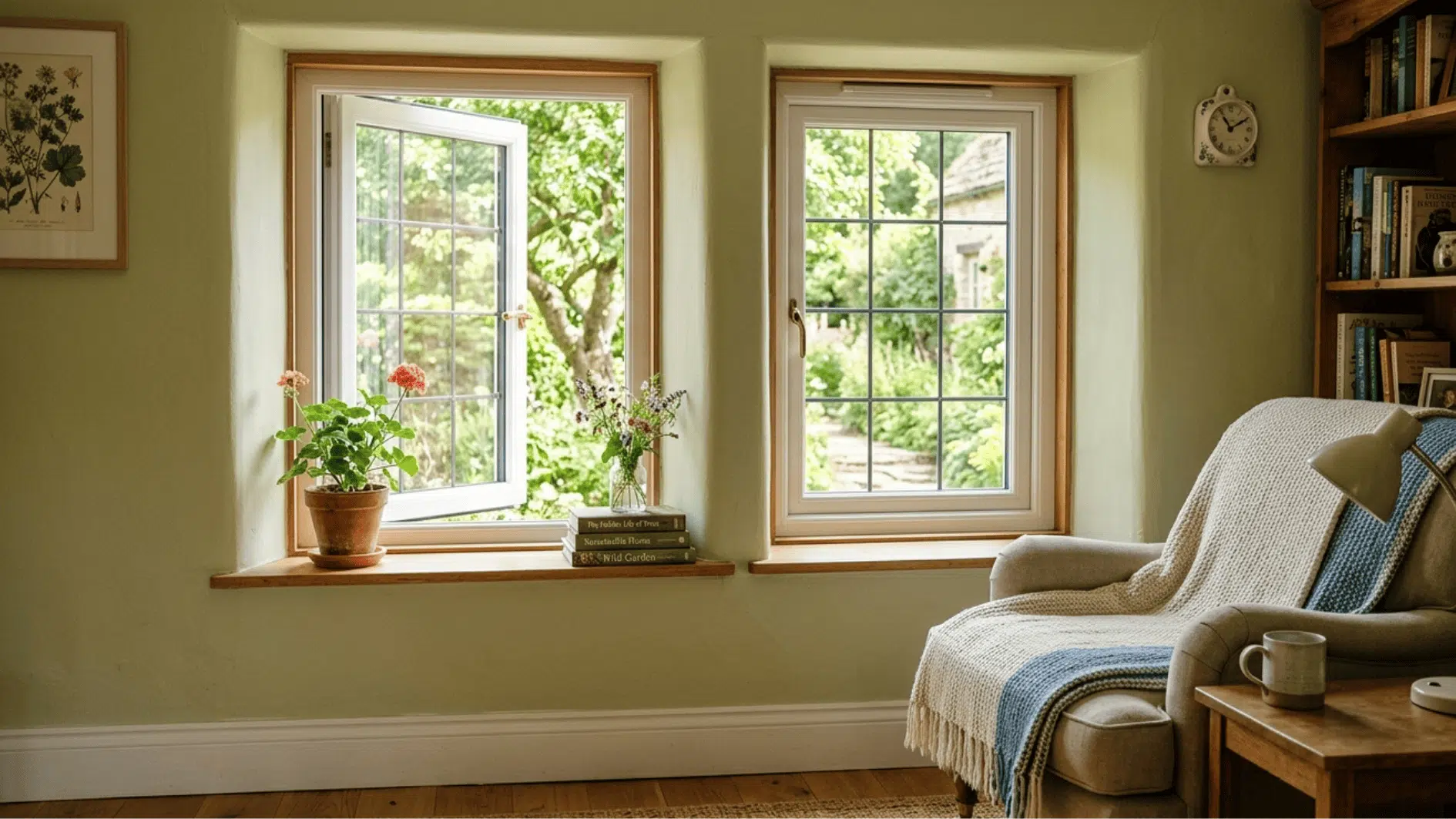
7. Casement Windows
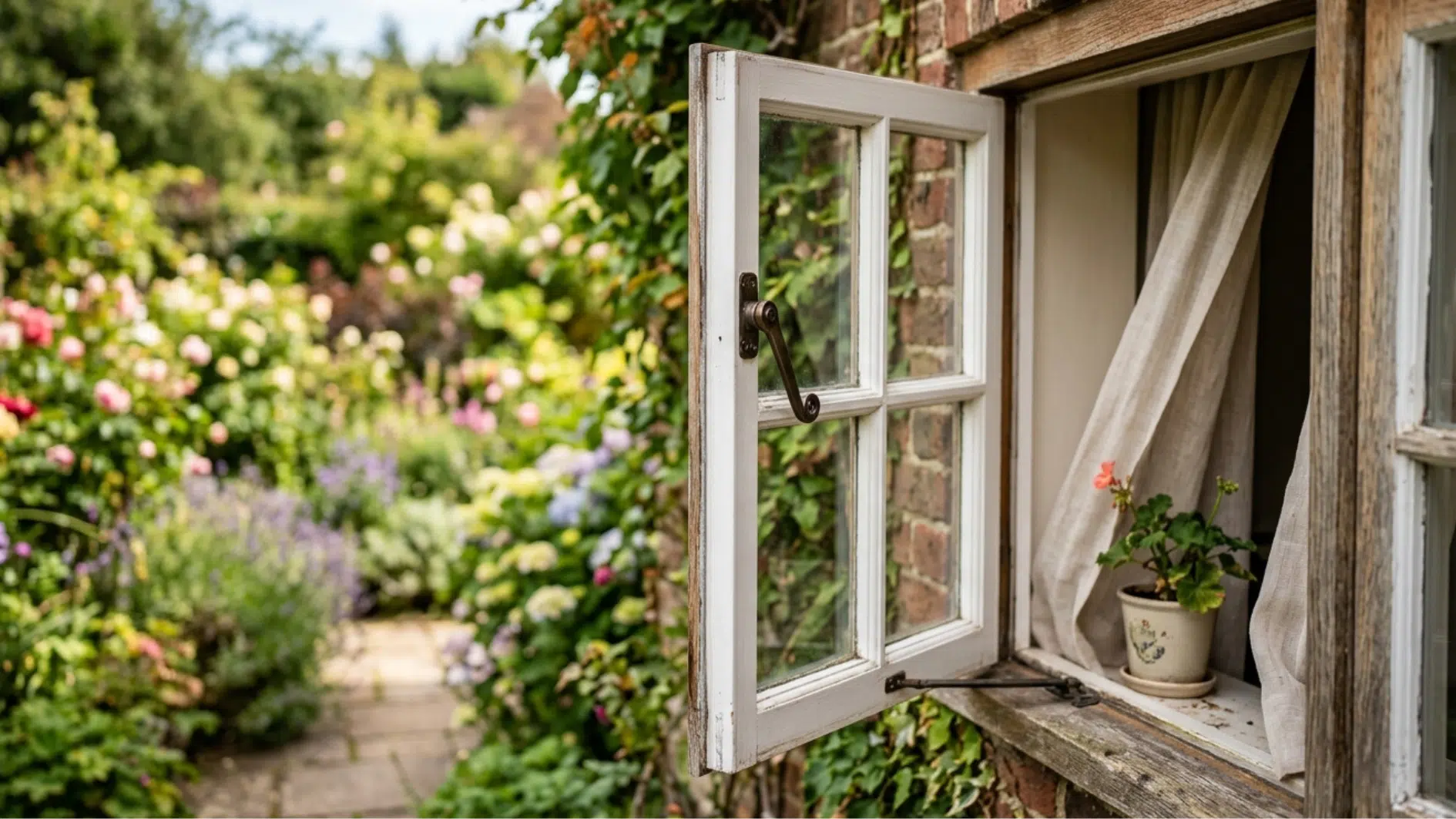
These are often mentioned in conversations about drafts and airflow. People usually bring them up after noticing a difference in how tightly they seal.
Key Features:
- Opens outward using a crank
- Creates a tighter seal when closed
- Reduces air leakage
- Allows better ventilation control
- Works well in windy conditions
- Slightly higher cost than standard types
“Switching to casement made a bigger difference with drafts than I expected, especially during colder nights.” – u/homefixer89, Reddit (r/HomeImprovement)
8. Double-Hung Windows
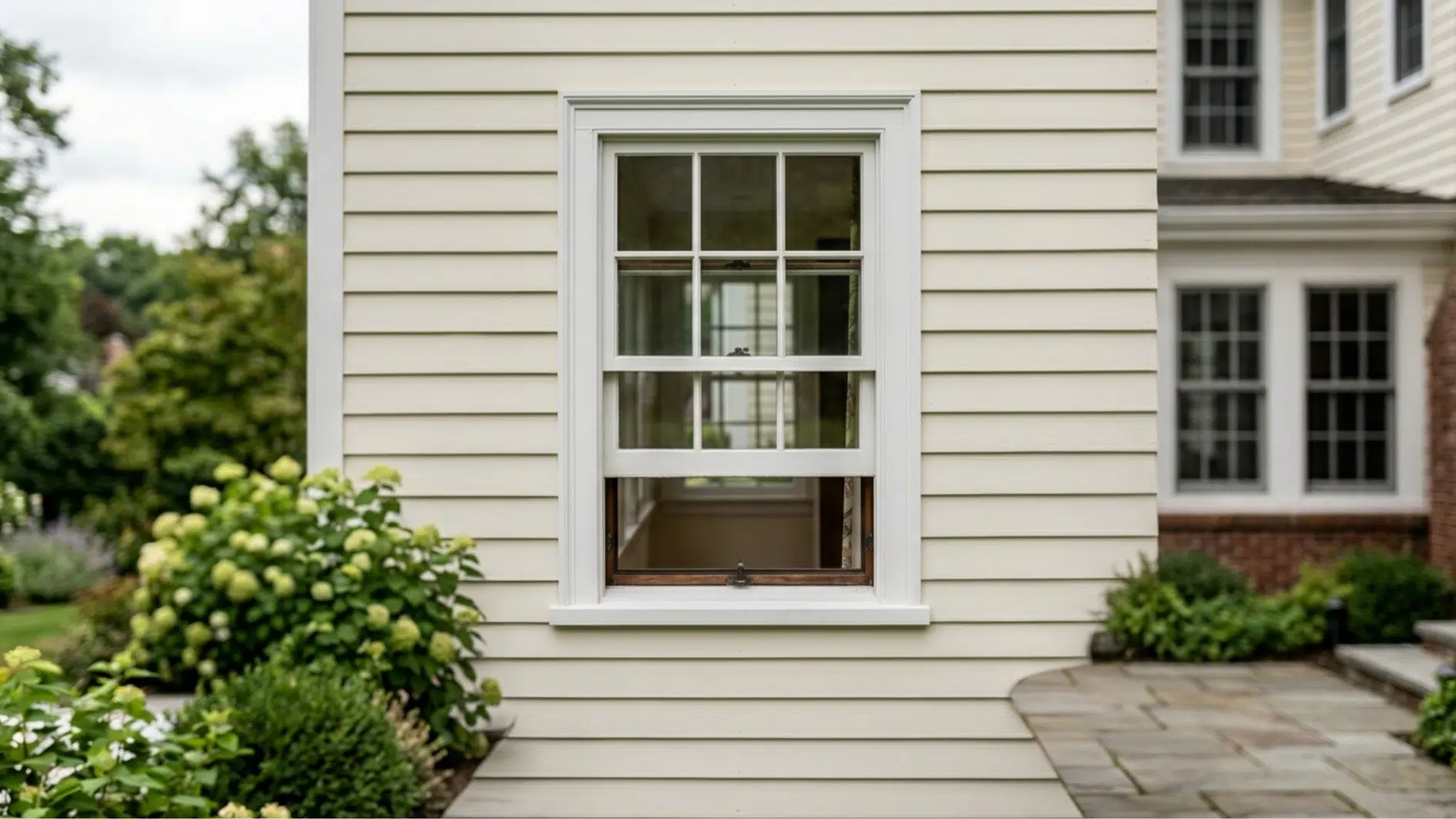
This is a familiar and practical option that people choose for ease of use. It’s not always the most efficient, but it fits everyday needs well.
Key Features:
- Two movable sashes (top and bottom)
- Easy to clean from inside
- Classic and widely used design
- Fits most home styles
- Good airflow flexibility
- Slightly less airtight than others
“They’re really convenient and easy to live with, but you might still notice a bit of airflow compared to tighter designs.” – Sarah L., Quora
“Wish I Knew This Earlier”: Community Advice on Energy-Efficient Windows
Most people don’t figure out what makes the most energy-efficient windows truly worth it until after they’ve already installed them.
That’s where community advice changes everything. Real homeowners, real regrets, real wins, all in one place:
- U-factor and SHGC ratings matter more than the price tag
- Double pane works for most homes – triple pane isn’t always necessary
- Low-E coating made a bigger comfort difference than expected for many
- Frame material affects long-term performance, not just looks
- Argon gas fill is a nice bonus but rarely worth paying significantly extra for
- ENERGY STAR label is a starting filter, not the final decision
- Casement windows seal tighter than double-hung – worth knowing before you choose
- Installation quality can undo even the best window’s efficiency
- Climate zone should drive your decision more than any trend or recommendation
- South and west-facing windows need more attention than others – sun exposure is uneven
- Vinyl frames are low maintenance but fiberglass holds up better over decades
- Getting multiple installation quotes matters just as much as comparing window brands
- Condensation on the inside means the seal is failing – not normal, replace sooner
- Noise reduction is a real side benefit of energy-efficient windows most people don’t expect
- Window size and placement affects how much your HVAC actually has to work
- Some rebates and tax credits are time-sensitive – check before you buy, not after
- Cheap windows with poor installation will cost more in the long run than quality ones upfront
- Spacer type between panes affects insulation – warm-edge spacers outperform aluminum ones
The Bottom Line
Choosing the most energy efficient windows isn’t about chasing the “top-rated” option and hoping for magic.
It’s more like picking something that won’t annoy you every single day after it’s installed.
From everything people share, the real win isn’t fancy featuresit’s walking into a room and not feeling that weird draft or heat blast anymore. That’s when it clicks. So instead of overthinking every upgrade, go with what actually makes sense for your space
Because the best choice? It’s the one that just works and makes you forget why you were stressing about it in the first place.