Freshly Married and Relocating: Building a Strong Start in a Brand-New City

Have you ever unpacked wedding gifts while staring at boxes labeled kitchen and winter coats? Marriage already shifts daily routines and priorities. Add a brand-new city and everything feels amplified. Familiar coffee shops disappear. Nearby family support may shrink to phone calls. In this blog, we will share practical strategies, cultural insights and forward-thinking habits that help newlyweds create stability, connection and confidence in an unfamiliar place. Relocation after marriage has become increasingly common. Career opportunities often pull couples across state lines. Remote work allows flexibility – yet many industries still demand physical presence. Housing markets vary widely, so some cities offer better affordability than others. As a result, many couples weigh emotional ties against financial logic. Social trends also shape these moves. Many partners marry later in life now. They bring established careers and independent routines into the relationship. Moving becomes less about starting from scratch and more about blending two structured lives – that blend can feel exciting and slightly chaotic at once. A new city offers possibility and pressure simultaneously. Every decision carries added weight. Choosing a neighborhood affects commute times and social circles. Selecting a grocery store becomes part of a fresh routine. Small choices accumulate into a shared lifestyle. Managing the Move With Clarity and Teamwork The logistics of relocating test even calm personalities. Packing forces honest conversations about what truly matters. One partner may value sentimental keepsakes. The other may prefer minimal clutter and clear shelves. Negotiation begins before the first box closes. Professional help can ease much of that strain. It's a good idea to rely on full-service long distance movers to handle packing, transport and unloading. This approach reduces physical exhaustion and prevents last-minute arguments over tape and bubble wrap. When trained crews manage heavy furniture, couples can focus on paperwork and housing details. The financial investment often feels justified by reduced stress. Starting married life without sore backs and broken dishes has real value. Timing also influences the experience. Peak moving seasons increase costs and scheduling challenges. Planning months in advance provides better options. Early organization supports smoother transitions. So thoughtful preparation sets the tone for cooperation. Communication remains the central tool during relocation. Clear expectations prevent resentment. Setting shared goals helps maintain perspective. When disagreements surface, they often reflect fatigue rather than deep conflict. Recognizing that difference protects harmony. Creating Stability in an Unfamiliar Environment Arriving in a new city can feel disorienting. Street names seem unfamiliar. Traffic patterns require adjustment. Even grocery stores feel like minor puzzles at first. Establishing routines quickly helps reduce that uncertainty. Simple habits create comfort. Visiting the same café each weekend builds familiarity. Walking through local parks introduces neighborhoods gradually. Joining community groups fosters early connections. These steps anchor daily life in something predictable. Economic conditions also influence settlement decisions. Just as a small example: we see how rising rent prices push couples to evaluate long-term budgets carefully. So some choose smaller spaces near city centers. Others prefer larger homes in quieter suburbs. Each option reflects different priorities. Decorating a shared home carries symbolic meaning. Wedding photos find places on new walls. Gifts become part of everyday function. Arranging furniture together encourages collaboration. The space begins to represent shared identity rather than two separate histories. Technology helps maintain old relationships during this transition. Video calls replace quick visits. Group chats keep families involved. Social media updates provide glimpses into new routines. Distance feels manageable when communication stays consistent. Balancing Careers and Relationship Growth Relocation often links directly to career advancement. One partner may accept a promotion requiring travel. The other might pursue graduate school. These decisions affect daily rhythms and shared time. Therefore, planning around work schedules becomes essential. Hybrid work models create new flexibility. Some couples split time between office and home. Shared calendars help coordinate responsibilities. Setting clear boundaries around work hours protects personal connection. Marriage thrives when attention remains intentional. Networking in a new city requires courage. And it's rewarding. Attending professional events introduces unfamiliar faces. That said, it helps to keep reminding yourself that building trust with colleagues takes patience. Each small interaction contributes to long-term opportunity. Career growth unfolds gradually rather than overnight. At the same time, relationship development cannot (and, of course, should not) stall. Date nights matter – even during unpacking chaos. Exploring local attractions turns discovery into shared adventure. Trying new restaurants becomes a low-pressure way to connect. Growth in one area should not overshadow the other. Stability and ambition – financial planning supports both. The best course of action here? Budgeting for moving costs. It prevents lingering stress. And setting savings goals provides reassurance. Therefore, long-term plans feel achievable rather than overwhelming. Shared financial clarity strengthens partnership. Building Community and Long-Term Belonging A strong marriage benefits from external support networks. Friendships offer perspective beyond the relationship. Community involvement creates purpose outside daily routines. Finding those connections takes deliberate effort. Volunteering introduces couples to like-minded neighbors. Faith communities offer built-in social structures. Recreational sports leagues create informal bonds. Each setting expands social circles organically. Gradual familiarity replaces initial isolation. Cultural differences between regions may surprise newcomers. Food traditions vary by state. Local slang changes conversation tone. Weather patterns shape daily behavior. Adjusting expectations prevents unnecessary frustration. And let's not forget economic uncertainty and shifting job markets. These broader trends too influence relocation choices. Couples move where industries grow. They evaluate stability against lifestyle preferences. Strategic thinking reduces risk. Over time, the new city begins to feel less foreign. Favorite restaurants emerge. Trusted service providers become familiar names. Streets transform from confusing grids into meaningful routes. Belonging develops through repetition and shared memory. Marriage and relocation both represent significant transitions. Experiencing them simultaneously intensifies emotion. Yet combined challenges also deepen resilience. Couples learn adaptability early in their journey. That skill proves valuable throughout life. Relocating after marriage offers more than logistical complexity – it provides a chance to shape identity together. Decisions about neighborhood, career and community reflect shared values. Those choices build a foundation for future milestones. Starting fresh in a brand-new city requires patience and humor. Mistakes will happen – from missed exits to forgotten utility transfers. Is it bad though? Not necessarily. Each mishap becomes part of a shared story. With thoughtful planning and open dialogue, newlyweds transform uncertainty into opportunity. A strong start grows from teamwork, preparation and the willingness to build something meaningful together in unfamiliar surroundings.

Read 6 min

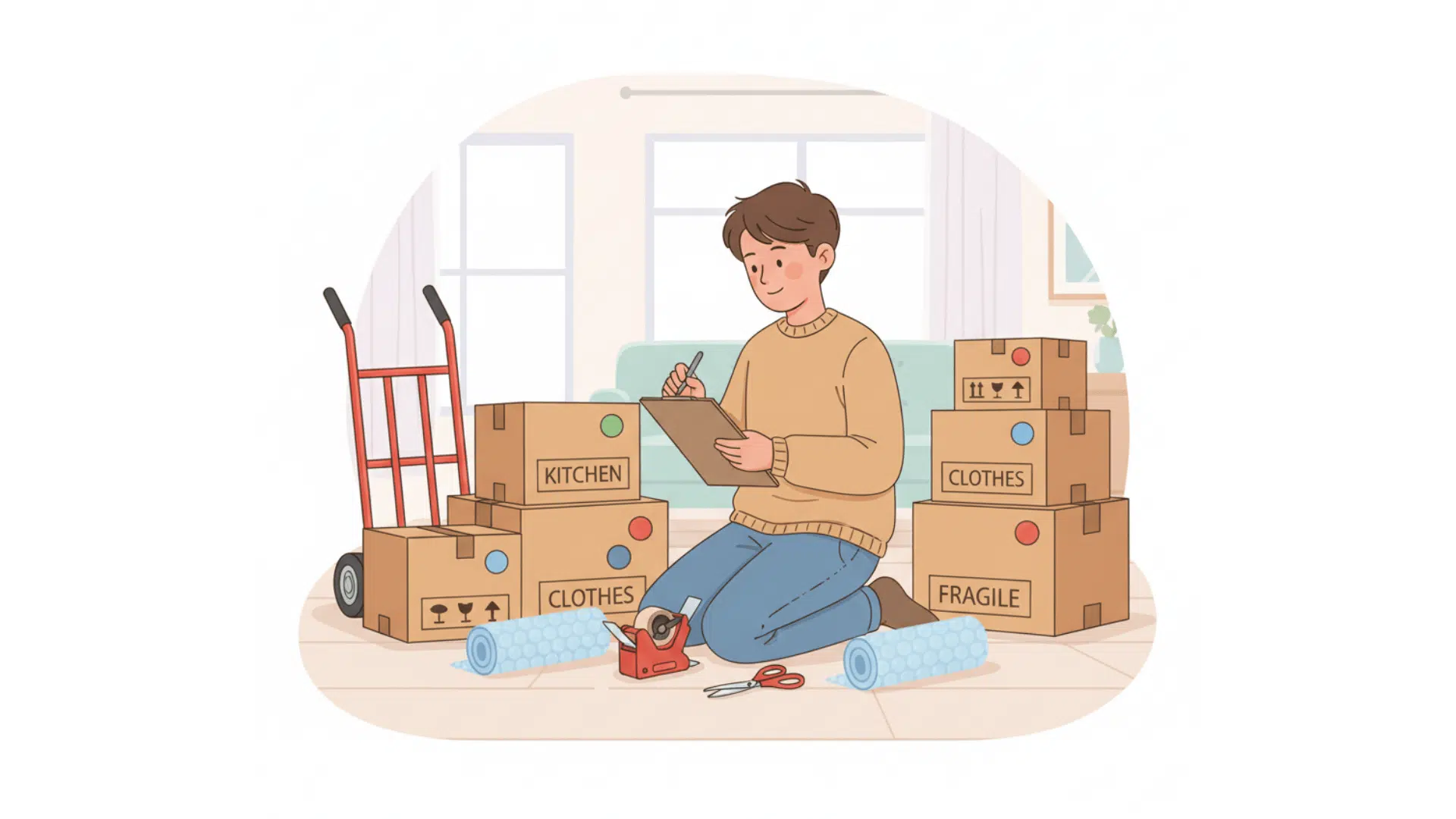
Have you ever unpacked wedding gifts while staring at boxes labeled kitchen and winter coats? Marriage already shifts daily routines and priorities. Add a brand-new city and everything feels amplified. Familiar coffee shops disappear. Nearby family support may shrink to phone calls. In this blog, we will share practical strategies, cultural insights and forward-thinking habits that help newlyweds create stability, connection and confidence in an unfamiliar place.

Relocation after marriage has become increasingly common. Career opportunities often pull couples across state lines. Remote work allows flexibility – yet many industries still demand physical presence. Housing markets vary widely, so some cities offer better affordability than others. As a result, many couples weigh emotional ties against financial logic.

Social trends also shape these moves. Many partners marry later in life now. They bring established careers and independent routines into the relationship. Moving becomes less about starting from scratch and more about blending two structured lives – that blend can feel exciting and slightly chaotic at once.

A new city offers possibility and pressure simultaneously. Every decision carries added weight. Choosing a neighborhood affects commute times and social circles. Selecting a grocery store becomes part of a fresh routine. Small choices accumulate into a shared lifestyle.

Managing the Move With Clarity and Teamwork

The logistics of relocating test even calm personalities. Packing forces honest conversations about what truly matters. One partner may value sentimental keepsakes. The other may prefer minimal clutter and clear shelves. Negotiation begins before the first box closes.

Professional help can ease much of that strain. It’s a good idea to rely on full-service long distance movers to handle packing, transport and unloading. This approach reduces physical exhaustion and prevents last-minute arguments over tape and bubble wrap. When trained crews manage heavy furniture, couples can focus on paperwork and housing details. The financial investment often feels justified by reduced stress. Starting married life without sore backs and broken dishes has real value.

Timing also influences the experience. Peak moving seasons increase costs and scheduling challenges. Planning months in advance provides better options. Early organization supports smoother transitions. So thoughtful preparation sets the tone for cooperation.

Communication remains the central tool during relocation. Clear expectations prevent resentment. Setting shared goals helps maintain perspective. When disagreements surface, they often reflect fatigue rather than deep conflict. Recognizing that difference protects harmony.

Creating Stability in an Unfamiliar Environment

Arriving in a new city can feel disorienting. Street names seem unfamiliar. Traffic patterns require adjustment. Even grocery stores feel like minor puzzles at first. Establishing routines quickly helps reduce that uncertainty.

Simple habits create comfort. Visiting the same café each weekend builds familiarity. Walking through local parks introduces neighborhoods gradually. Joining community groups fosters early connections. These steps anchor daily life in something predictable.

Economic conditions also influence settlement decisions. Just as a small example: we see how rising rent prices push couples to evaluate long-term budgets carefully. So some choose smaller spaces near city centers. Others prefer larger homes in quieter suburbs. Each option reflects different priorities.

Decorating a shared home carries symbolic meaning. Wedding photos find places on new walls. Gifts become part of everyday function. Arranging furniture together encourages collaboration. The space begins to represent shared identity rather than two separate histories.

Technology helps maintain old relationships during this transition. Video calls replace quick visits. Group chats keep families involved. Social media updates provide glimpses into new routines. Distance feels manageable when communication stays consistent.

Balancing Careers and Relationship Growth

Relocation often links directly to career advancement. One partner may accept a promotion requiring travel. The other might pursue graduate school. These decisions affect daily rhythms and shared time. Therefore, planning around work schedules becomes essential.

Hybrid work models create new flexibility. Some couples split time between office and home. Shared calendars help coordinate responsibilities. Setting clear boundaries around work hours protects personal connection. Marriage thrives when attention remains intentional.

Networking in a new city requires courage. And it’s rewarding. Attending professional events introduces unfamiliar faces. That said, it helps to keep reminding yourself that building trust with colleagues takes patience. Each small interaction contributes to long-term opportunity. Career growth unfolds gradually rather than overnight.

At the same time, relationship development cannot (and, of course, should not) stall. Date nights matter – even during unpacking chaos. Exploring local attractions turns discovery into shared adventure. Trying new restaurants becomes a low-pressure way to connect. Growth in one area should not overshadow the other.

Stability and ambition – financial planning supports both. The best course of action here? Budgeting for moving costs. It prevents lingering stress. And setting savings goals provides reassurance. Therefore, long-term plans feel achievable rather than overwhelming. Shared financial clarity strengthens partnership.

Building Community and Long-Term Belonging

A strong marriage benefits from external support networks. Friendships offer perspective beyond the relationship. Community involvement creates purpose outside daily routines. Finding those connections takes deliberate effort.

Volunteering introduces couples to like-minded neighbors. Faith communities offer built-in social structures. Recreational sports leagues create informal bonds. Each setting expands social circles organically. Gradual familiarity replaces initial isolation.

Cultural differences between regions may surprise newcomers. Food traditions vary by state. Local slang changes conversation tone. Weather patterns shape daily behavior. Adjusting expectations prevents unnecessary frustration.

And let’s not forget economic uncertainty and shifting job markets. These broader trends too influence relocation choices. Couples move where industries grow. They evaluate stability against lifestyle preferences. Strategic thinking reduces risk.

Over time, the new city begins to feel less foreign. Favorite restaurants emerge. Trusted service providers become familiar names. Streets transform from confusing grids into meaningful routes. Belonging develops through repetition and shared memory.

Marriage and relocation both represent significant transitions. Experiencing them simultaneously intensifies emotion. Yet combined challenges also deepen resilience. Couples learn adaptability early in their journey. That skill proves valuable throughout life.

Relocating after marriage offers more than logistical complexity – it provides a chance to shape identity together. Decisions about neighborhood, career and community reflect shared values. Those choices build a foundation for future milestones.

Starting fresh in a brand-new city requires patience and humor. Mistakes will happen – from missed exits to forgotten utility transfers. Is it bad though? Not necessarily. Each mishap becomes part of a shared story. With thoughtful planning and open dialogue, newlyweds transform uncertainty into opportunity. A strong start grows from teamwork, preparation and the willingness to build something meaningful together in unfamiliar surroundings.


Leave a Reply

Your email address will not be published. Required fields are marked *

About the Author

For more than 12 years, Erika Navarro has specialized in moving non-standard freight, from medical equipment and art to climate-sensitive shipments. She holds a B.B.A. in Supply Chain Management from Georgia Southern University and began her career in pharma logistics. Erika thrives on solving logistical puzzles and guiding others through niche freight challenges. Her personal time is spent collecting vintage maps, journaling about her travels, and volunteering at a local museum that preserves community history.

Popular Categories

More to read

Related posts

grey water system

How to Build Your Own Grey Water System Easily

Looking for a simple, eco-friendly way to save water at home? A grey water system might be the perfect project.....

how much does it cost to ship a bike

How Much Does It Cost to Ship a Bike?

I remember the first time I had to ship my bike – I had no clue where to start or....

trade show shipping

Trade Show Shipping Guide: Costs, Tips & Best Practices

Getting your booth, displays, and equipment to a trade show isn’t as simple as booking a truck. I’ve learned that....

As Seen On

FleetOwner
Cdllife
Auto Remarking
Freight Waves
KSL.com