A home’s foundation supports stability, helps maintain indoor air quality, and can even affect door alignment and moisture levels. Many homeowners notice these signs, but don’t fully understand that something is wrong, so they wait until there’s visible damage before acting. But by the time larger cracks in the wall or sloping floors appear, foundation repairs are unavoidable. That’s why learning to recognize these signs is so important—with the right maintenance early on, you can avoid large repairs altogether.
Why Foundations Deteriorate Over Time
Foundations age in ways that aren’t always obvious. Due to small shifts and prolonged stress, this damage slowly progresses, eventually leading to visible signs and significant problems.
Soil Movement and Natural Settling
The ground beneath a home is never completely still. It changes with temperature, rainfall, and the type of soil under the house. Clay-heavy soil holds onto moisture and swells during humid months, but it contracts and pulls away during the drier months. This back-and-forth puts pressure on different parts of the foundation.
Some settlement is expected, but the real risks develop when the soil moves more in one area than another. This imbalance creates tension in the base of the home, which can lead to cracks, separation, and uneven floors.
Water Pressure and Moisture Exposure
When too much water collects around the foundation, it creates a problem called hydrostatic pressure. This is the force that saturated soil applies to walls from the outside. The more water the soil holds, the harder it pushes. Eventually, the pressure cracks or forces water inside through the weakest points.
Water also breaks down the foundation materials. If moisture is trapped in concrete, it weakens the material. When there are issues such as poor drainage or leaking pipes, they only worsen this problem.
Manage Water Around Your Home
Water is one of the biggest threats to a home’s foundation. Most damage is linked to cracks, leaks, or wall movement, which starts with poor drainage or prolonged exposure to moisture. Keeping water away from the base of your home is one of the simplest ways to prevent long-term structural issues.
Exterior Drainage and Surface Water Control
When rainwater is not directed away from the house, it collects near the foundation and soaks into the soil. That extra moisture increases pressure on the walls and weakens the ground supporting them, eventually leading to foundation cracks, settling, or water intrusion.
Good drainage starts with working gutters and downspouts. Downspouts should carry water several feet away from the home, not stop right at its base. If the yard is flat or dips inward, that water often has nowhere to go, so it sits against the structure after every storm.
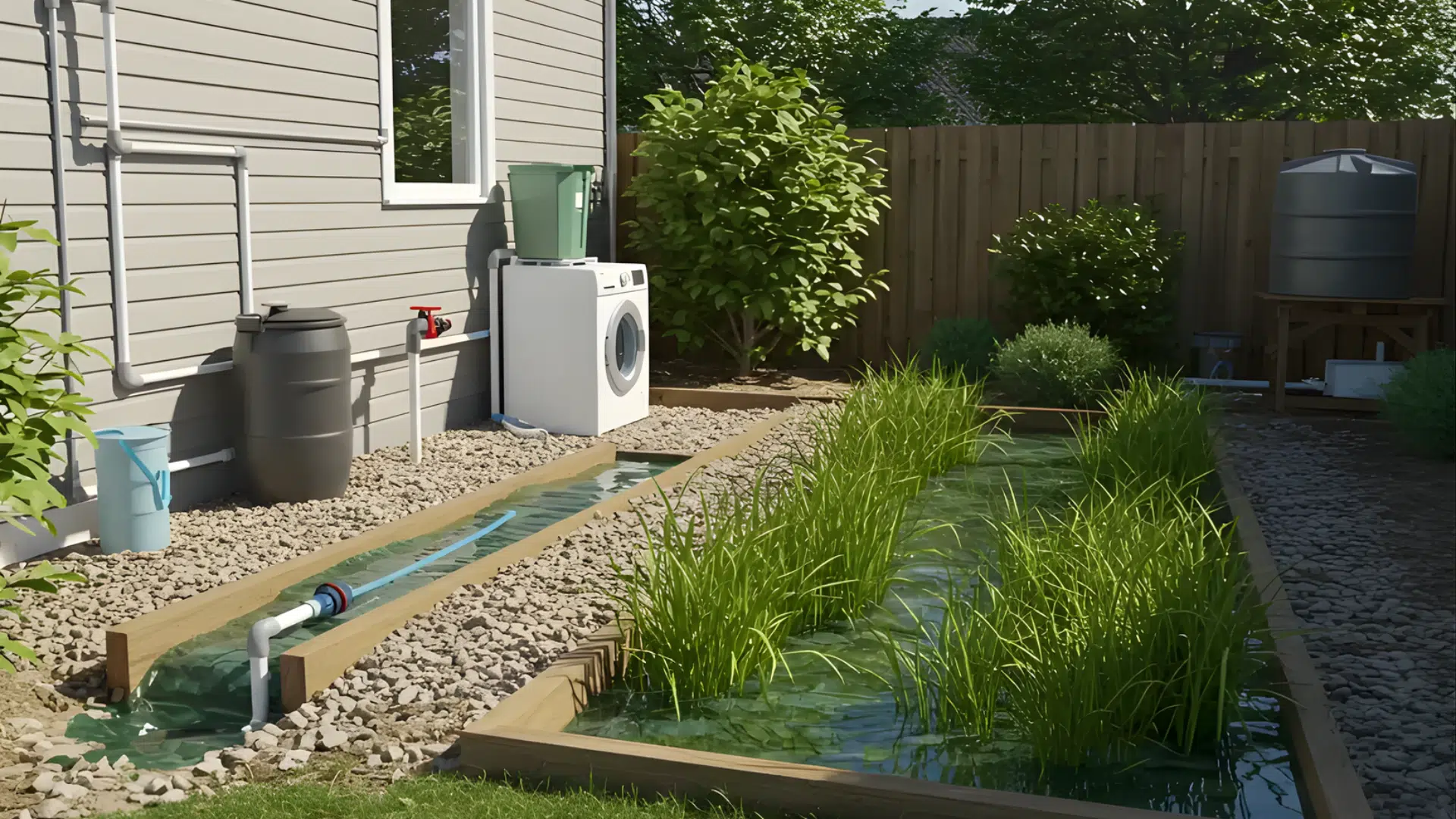
Splash blocks, gutter extensions, or even basic trenching can improve water flow in small areas. For homes in areas with heavy rainfall or clay soil, installing a French drain or other underground drainage system may be necessary to protect the foundation.
Reducing Moisture Inside Below-Grade Spaces
Basements and crawl spaces tend to stay damp longer than the rest of the house. They sit below ground level, which means the surrounding soil holds moisture against the walls. Over time, that moisture settles in concrete, wood framing, and insulation, weakening these materials from the inside out.
You might notice a musty smell, peeling paint, or small dark spots along the lower walls. These are early signs that water is finding its way inside. Even if you don’t see standing water, the air can feel humid or heavy.
This is why basement waterproofing is so important. This process involves sealing cracks, installing a sump pump, adding a vapour barrier, or improving interior drainage. The goal is simple: keep moisture from building up and becoming trapped.
Keep Soil Condition Consistent
The ground around your home doesn’t always stay the same. Weather changes, watering habits, and plant growth all affect how the soil behaves. If the moisture level swings too far in either direction, it can put uneven pressure on the foundation and cause damage over time.
Avoid Soil Extremes Around the Foundation
When the ground shrinks during hot weather, it pulls away from the base of your home and leaves small gaps around the structure. The next time it rains, that dry soil absorbs water and expands. These shifts can create movement that puts additional stress on the foundation.
Oversaturated soil is also a problem. When the ground stays too wet for too long, it loses strength and starts to give under pressure. That softness makes it harder for the foundation to stay supported, especially around the edges of the home.
To protect your home from this damage, it helps to try to keep moisture levels steady. During long dry periods, water the soil around the house once or twice a week to prevent shrinkage.
Landscaping Choices That Affect Stability
Some plants take more from the soil than they give. Trees with deep roots can pull moisture from one part of the foundation, drying out the soil unevenly. If they are planted too close to the house, their roots may also push against the walls or shift the soil below.
Most vegetation is usually safe when spaced a few feet away. Keep trees at least several meters away from the house, and avoid placing heavy planters or raised beds too close to the base; these can trap moisture and stop airflow, which can lead to problems underground.
Landscaping can support your foundation if it is done with soil health in mind. Focus on spacing, water flow, and plant types that do not disturb the area directly around the structure.
Watch for Early Warning Signs
Most foundation problems show early warnings; these are usually small and easy to miss. However, recognizing the earliest signs of a problem lets you avoid more costly damage later.
Interior Signs Homeowners Miss
Inside the home, foundation shifts often show up as small changes. You might notice a thin crack on a wall, a door that no longer closes smoothly, or floors that feel slightly uneven. These aren’t problems to ignore. Watch for these patterns; if you see new cracks after a dry spell or notice a door sticking for no clear reason, there may be changes in the soil supporting your home.
When one part of the structure starts settling faster than the rest, it creates small misalignments that grow over time. When caught early, they are often easier and less costly to fix.
Exterior Warning Signs Homeowners Miss
On the outside, warning signs tend to be more visible. Cracks in the foundation wall, gaps between bricks, or signs of separation between parts of the house are all signs of shifting. You might also see corners pulling away, steps drifting from the porch, or siding bowing outward.
Not all cracks are serious, but they are still worth watching. A crack that starts small and gets wider over time signals movement in the ground. Moisture can make these small gaps worse, eventually leading to weakened material and extra pressure on the walls. Check the soil around the house after a storm. If the water pools near the base or drains poorly, it’s likely contributing to the problem.
Final Thoughts
Foundations last longer when they are checked regularly. Managing drainage, monitoring soil changes, and paying attention to early signs can prevent small issues from becoming structural repairs. If something looks off, it is better to check than to wait—these problems don’t fix themselves, but they’re easier to deal with sooner, before they worsen. A little attention each season helps keep your home solid for the long run.