a listing on the open market simply a listing on the open market simply Most people assume selling a home means weeks of prep work before anything can happen. Painting, fixing leaky faucets, replacing old flooring, and staging every room just to attract buyers. That process works well for some homeowners, but a lot of people don’t have the time, money, or energy to go through all of it.
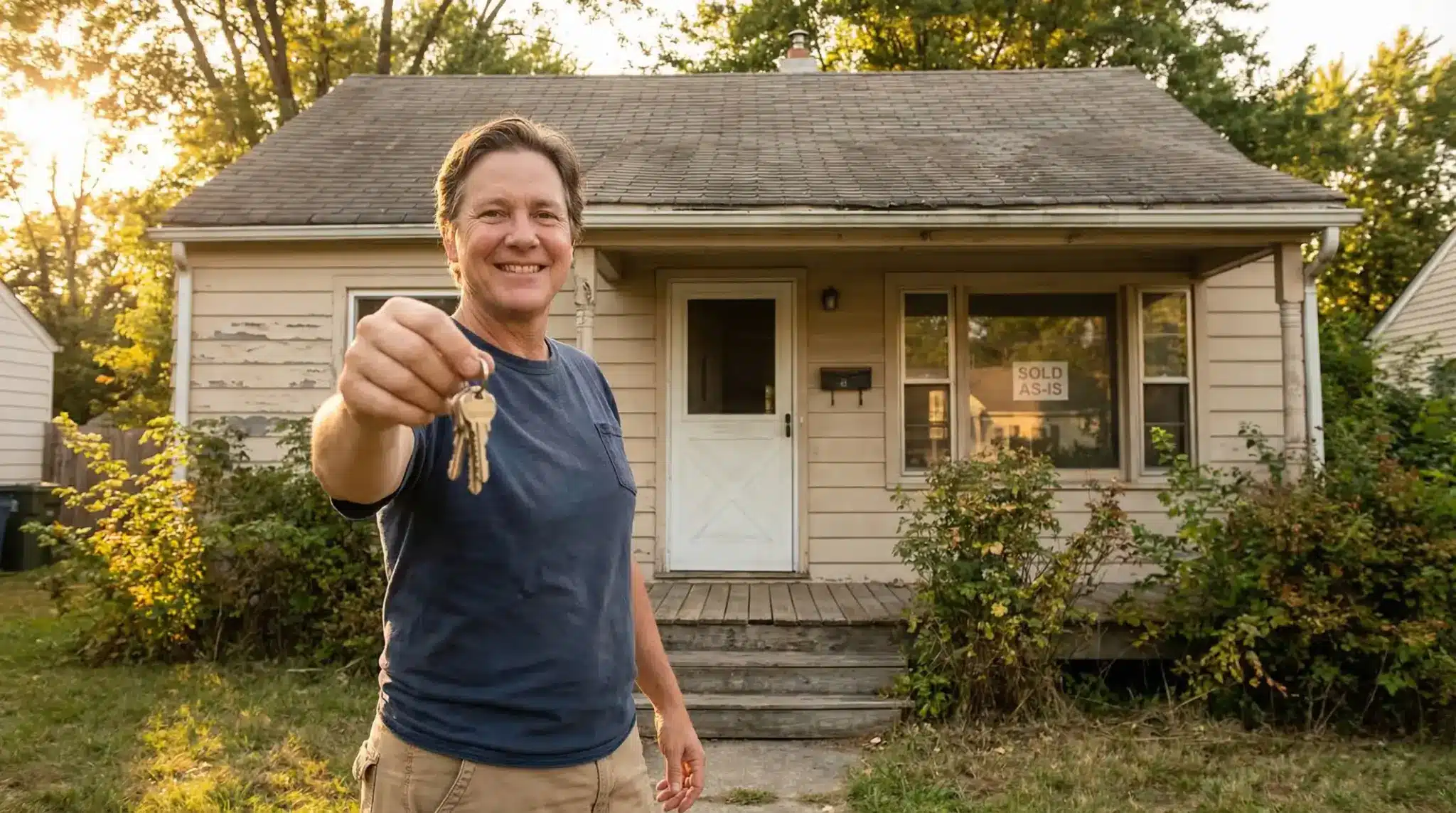
Selling as-is skips that entire prep phase. The home sells in its current condition, and the buyer takes it without requesting repairs or improvements. Companies like Stryk Cam REI have built their model around this idea. They buy homes directly for cash across Texas without requiring sellers to fix a single thing first. For anyone dealing with a tight timeline or a property that needs serious work, this kind of sale can remove a lot of headaches.

When an As-Is Sale Makes Real Sense
There’s no single type of seller who goes the as-is route. It shows up across a pretty wide range of situations, and the common thread is usually that a traditional listing would create more problems than it solves.
Some of the most common scenarios include
- Inherited homes that heirs don’t want to manage or spend money renovating
- Properties with significant damage, outdated systems, or structural wear that would scare off most financed buyers
- Sellers facing foreclosure who need to close before the bank does
- Homeowners relocating for work who can’t wait three months for a traditional sale to finalize
- Divorce situations where both parties just want the asset sold and split quickly
In each of these cases, the priority shifts away from getting the highest possible number and toward getting the deal done cleanly and without delays.
Skipping the Repair Process Entirely
One of the biggest draws of an as-is sale is that the seller never has to coordinate repairs. In a traditional transaction, buyers almost always request fixes after the inspection comes back. Lenders sometimes require certain conditions to be met before they’ll approve financing. The seller ends up spending money and losing time, often on issues they didn’t even know existed before the inspection.
With an as-is sale, none of that comes into play. The buyer already knows the condition of the home and prices accordingly. No contractor scheduling, no surprise costs, no delays because a repair ran over budget. The U.S. Department of Housing and Urban Development notes that standard financed sales involve multiple inspection and approval steps tied to lender requirements, most of which disappear in a direct cash transaction.
How the Timeline Changes
A listed home in the U.S. typically spends several weeks on the market before an offer comes in, and then financing and escrow add another 30 to 60 days on top of that. The full process from listing to closing often runs longer than three months.
Cash as-is buyers work on a very different schedule. Most can close in one to two weeks, and some move even faster depending on how straightforward the paperwork is. That speed matters most in high-pressure situations.
Sellers trying to stop a foreclosure need a firm close date fast. For an estate executor, distributing anything to heirs may be impossible until the property is liquidated. And someone starting a new job two states away doesn’t want to carry two mortgages while waiting for a buyer to get approved. A fast, certain close solves all of those problems in a way that a listing on the open market simply can’t.
That urgency shows up sharply in fast-growth Texas metros. Homeowners searching to sell my house fast Texas, whether in Houston, Dallas, San Antonio, or Austin — often face the same drivers already listed: relocation timelines that can’t wait ninety days on market, inherited properties several counties away, or foreclosure clocks that don’t pause for open houses.
The Trade-Off Worth Knowing
As-is cash sales do come with a lower offer price. Cash buyers factor in their repair costs and risk, so offers typically land somewhere between 60% and 80% of what the home might fetch on the open market after renovations.
That gap looks significant on paper, but the actual difference tends to shrink when sellers account for everything a conventional sale costs. Agent commissions usually run 5% to 6% of the sale price. Closing costs add another 2% to 5%. According to the Consumer Financial Protection Bureau, these costs vary by state but can add up to tens of thousands of dollars on a mid-priced home. In most as-is cash sales, the seller pays little to none of that.
Repair costs, carrying costs during a long listing period, and staging fees eat into the final number too. Once sellers do the full math, the gap between a cash offer and a full-market net payout is often smaller than expected.

Getting a Fair Deal Before You Sign
Sellers should never accept the first offer that comes in. Cash buyers vary quite a bit in how they price properties, and getting two or three quotes from different buyers gives a much clearer picture of what the home is worth in its current state.
Reading the contract carefully before signing is just as important. Some buyers include fees or contingencies that quietly reduce the final payout. Sellers who understand what they’re agreeing to from the start rarely run into surprises at the closing table.
For homeowners in Texas, working with a local investor who knows the specific market tends to produce better offers. Local buyers have real familiarity with neighborhood values and can close without depending on outside financing. When the relocation logistics are already handled and that’s left is a clean exit on the property side, that combination of speed and simplicity is often exactly what the situation calls for.