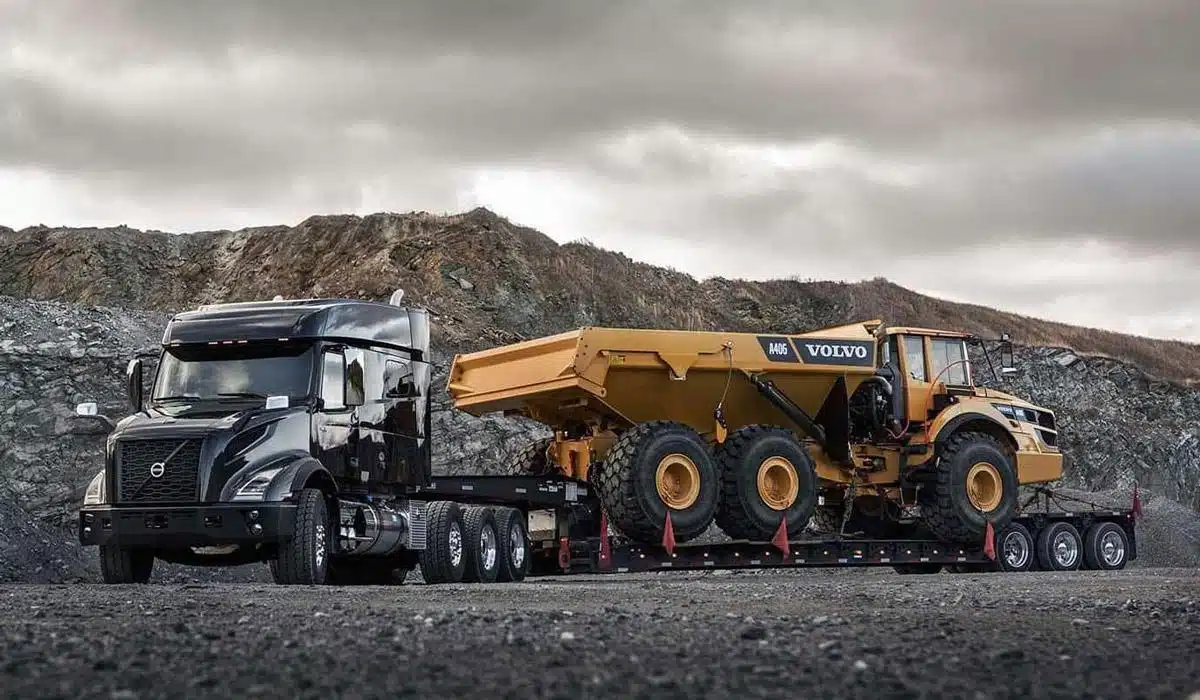
Shipping high-value cargo involves much more than just moving a box from one point to another. While most people focus on the massive trucks and heavy machinery, the true success of a specialized delivery often rests on the smallest factors. These tiny details act as the foundation for a safe and professional transport process.
In the world of high-stakes logistics, precision is your best tool for building trust with your customers. Understanding these four areas will give you a clear advantage and help you provide the reliable service that clients expect.
Read on to discover how these simple adjustments can transform your approach to freight and elevate your professional reputation.
1. Heavy Haul Planning & Routing
Successful heavy haul operations demand an engineering mindset months before wheels turn. Experienced providers utilizing Titan Worldwide’s advanced heavy haul trucking logistics demonstrate that success lies in the preparation rather than just the driving.
This comprehensive approach mitigates the risks associated with oversized loads and strict timelines.
Permit Sequencing & Regulatory Compliance
Navigating the regulatory landscape requires mapping each state’s oversize limits, axle spreads, and holiday curfews. Permits must be submitted sequentially so that final approvals align perfectly with job-site readiness. Furthermore, pre-paying municipal escorts or police support is essential to avoid last-minute bottlenecks at jurisdictional borders.
Pilot Cars, Escorts, and Traffic Coordination
Moving oversized or high-stakes freight often requires a literal pathfinder. Coordination between the driver and their support team is the only way to navigate complex infrastructure safely. Here are the field coordination roles:
- Certified Escorts: These professionals scout the road ahead to identify low overpasses, work zone detours, and tight lane closures before the main transport arrives.
- Traffic Engineers: For massive vessels that straddle multiple lanes, engineers may schedule rolling roadblocks to keep the public safe.
- Law Enforcement: In many jurisdictions, police escorts provide the authority needed to navigate heavy traffic or clear intersections quickly.
Real-Time Awareness
The success of the mission depends on effective communication protocols. Constant radio or digital contact ensures the truck, the escorts, and law enforcement maintain situational awareness throughout every mile of the journey.
Site Surveys & Last-Mile Access Checks
Physical constraints at the delivery site are often the biggest hurdle. Best practices involve laser-scanning entrance gates, crane pads, and turning radii, even when original architectural drawings look adequate.
Teams must verify overhead power lines and tree canopies for seasonal growth and stage temporary steel plates or remove signage in advance rather than during live moves.
2. Heavy-Duty Protective Packaging

Photo from Royal Case Company
ALT Text: Tan waterproof hard case for protecting sensitive professional equipment
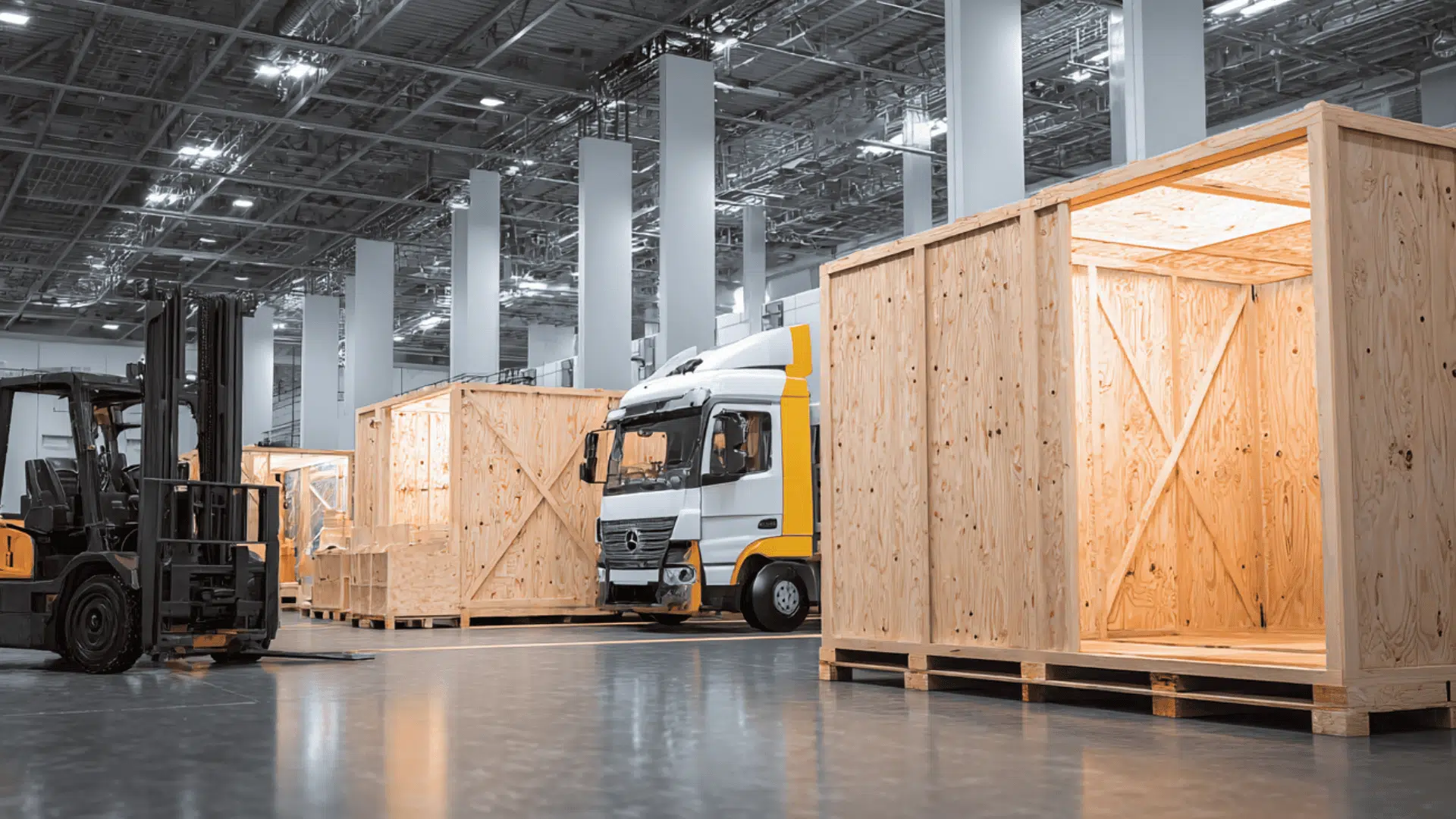
Even perfect routing cannot overcome inadequate packaging. A single pothole or forklift tine can do as much damage as a highway mishap. This is where industrial-grade custom wholesale cases from Royal Case Company earn their keep by protecting the case contents from damage.
Shock, Vibration & Climate
Foam density is selected to match specific fragility curves, EVA for shock absorption, or polyethylene for stiffness. When shipping repeatedly, designs incorporate MIL-STD-810 standards. Gasket seals and desiccant ports are added for humidity-sensitive electronics or arctic routes to maintain environmental integrity.
Handling Points & Repeatable Packaging for Recurring Lanes
Molded forklift pockets must align with trailer deck heights to reduce tilt angles during loading. Strap channels recessed into the shell prevent slippage and cosmetic abrasions, while color-coded labels speed up cross-dock sorting on complex, multi-stop projects.
Chain of Custody Enhancements: Barcodes, RFID, Seals
Improving your security and tracking is simple when you focus on these three essential tools:
- Embedded RFID Tags: These allow for automated gate scans without breaking seals, which helps you maintain constant security.
- Tamper-Evident Security Cables: Using these cables discourages the pilferage of high-value components during transit.
- Serialized Barcodes: These integrate with Transportation Management Systems (TMS) to match freight scans directly to your route milestones.
3. End-to-End Engineering
Consider a 12-foot-tall turbine control cabinet headed from Houston to a Nevada wind farm. Successful freight management starts long before the truck leaves the dock. High-stakes logistics requires a proactive strategy where every movement is planned to minimize risk and maximize efficiency.
Strategic Planning Steps
- Route Mapping: Identify the safest and fastest paths to avoid known high-risk areas.
- Equipment Selection: Match the specific needs of the cargo with the right vehicle and specialized securing tools.
- Risk Assessment: Spot potential bottlenecks or environmental hazards before they impact the schedule.
By integrating engineering principles into the entire journey, you create a seamless flow of information and protection. This approach ensures that sophisticated tracking and physical safeguards work together to maintain the integrity of your shipment from the first mile to the last.
Why Micro-Variables Make or Break Heavy-Haul Missions

Photo from Freepik
ALT Text: Businesswoman shaking hands with a construction worker in orange vest
Micro-variables, subtle, real-time factors like road gradients, truck accelerations/decelerations, turning angles, platoon formations, and minor traffic interactions, critically determine success in heavy-haul missions by amplifying cumulative delays.
Impact on Cycle Times
In heavy-haul operations, such as mining or oversized freight, microscopic behaviors (e.g., speed variations from mixed fleets or shared haul roads) cause trucks to bunch into platoons, extending travel times far beyond macroscopic averages.
Neglecting these leads to underestimated cycle times and overestimated productivity, as interactions at intersections or due to velocity differences slow the entire fleet.
Operational Risks
Variables like road conditions or slight gradient changes force unplanned braking or throttling, risking equipment strain, fuel inefficiency, and safety incidents in high-stakes loads. Simulations show production plateaus when fleet size increases without accounting for these, turning potential gains into bottlenecks.
Making It Happen
High-stakes freight lives or dies by micro-variables. By integrating meticulous heavy haul planning, bulletproof freight risk management, and purpose-built protective packaging, logistics professionals turn potential chaos into routine excellence. When every inch, permit, and hand-off matters, tiny details act as the blueprint for effortless success.