You usually notice flooring when it interrupts the day, like squeaks, scuffs, or grit. Those little moments can make a room feel older than it really is.
I started paying attention after a few moves that involved rain, boxes, and tired feet. The homes that felt calmer always had floors that looked consistent and cleaned easily. That is why I like checking options from Really Cheap Floors early, before the plan gets hectic.
It keeps the decision grounded in real life, not a last minute scramble. After a few moves, it clicked that floors take the hit when life gets busy, and that same wear is exactly what shows up during a walk through.
How Floors Affect First Impressions
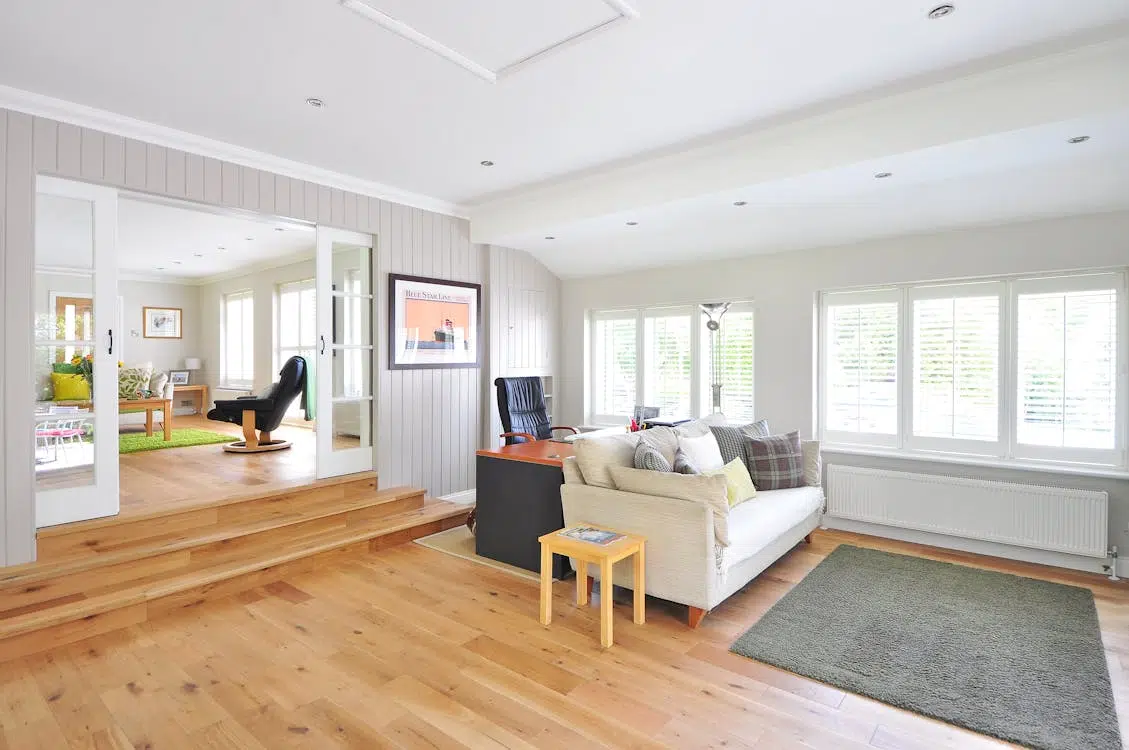
Buyers read a home fast, and floors carry more of that first read than people think. When boards shift in color or finish, the eye gets stuck on the surface. When the tone stays consistent, rooms feel more open and easier to picture furnished.
There is also the cost versus payoff question, and it matters even if you are staying put. Hardwood often shows strong resale appeal, and it tends to photograph well, too. A Realtor backed summary connects hardwood updates with resale value in many markets.
Even without selling soon, flooring affects what you repair and what you replace. Deep scratches, peaking seams, and worn paths can pull attention every single day. So quality, in practice, often means fewer “little fixes” that chip away at weekends.
Choosing The Right Material For Daily Life
Flooring feels “right” when it matches your real routines, not your ideal routines. A quiet guest room has different needs than a hallway that sees shoes and backpacks. And kitchens, baths, and laundry areas bring water into the story almost every week.
Solid hardwood can last decades, yet it expects stable humidity and careful wet cleaning. Engineered hardwood handles mild swings better, because its layered build resists movement. Luxury vinyl plank can make sense in wet zones, since spills wipe up without stress. I have seen vinyl win in busy homes, mainly because cleanup stayed simple.
When I compare options, a few practical details usually matter more than brand names. The wear layer, warranty terms, and repair options can predict long term hassle. It also helps to think about sound, because echoes can change how a home feels. A floor that looks great but sounds harsh can get old faster than you expect.
Here are the checkpoints I keep in mind when life is busy and the house is active:
- Surface durability and scratch resistance, based on real use patterns and pets.
- Water tolerance at seams and edges, especially near sinks and exterior doors.
- Repair style, like replacing a few boards versus refinishing the whole room.
- Underfoot comfort and sound, especially over concrete or upstairs bedrooms.
Why Installation Matters More Than You Think
Even great materials can look off when prep work is rushed or uneven. Small dips in the subfloor can show up later as soft spots or shifting planks. That is when the floor becomes a constant “almost right” feeling underfoot.
Moisture is the quiet risk that often shows up weeks or months after install. Basements and slab foundations raise the stakes, and so do humid regions. I learned this after moving into a place where dampness collected near one corner. Nothing looked wrong at first, and then a section began lifting like it had a mind.
The fix was not dramatic, yet it cost time and money, and it felt avoidable. Once I saw how fast damage happens, I started thinking like a delivery crew. Smooth transitions, protected routes, and careful staging reduce the chance of quick hits. Those habits translate well indoors, because flooring takes its worst hits on busy days.
Protecting Floors During Moves And Deliveries
Floors take the hardest beating during moments you rarely plan for, like move in day. Hand trucks, appliance dollies, and dragged furniture can chip edges in minutes. And grit near the entry acts like sandpaper, especially when everyone is rushing.
It helps to think about flow, the way a team thinks about a work site. When lanes and touch points are clear, fewer things get bumped or scraped. That same mindset shows up in yard and processing work, where order prevents damage.
In a home, that can look like a defined drop zone near the door. A runner, a bench, and a place for shoes can keep grit from spreading into living spaces. And when thresholds sit flush, wheels roll smoothly and corners stay cleaner. I have watched this one change save a floor during a chaotic holiday delivery weekend.
Air Quality And Long Term Wear
Home value is not only resale math, because comfort and health matter day to day. Some flooring products and finishes can affect indoor air right after installation. That can show up as odor, irritation, or that “new” smell that lingers too long.
The EPA notes that some organic pollutants can be higher indoors than outdoors. So low VOC finishes, good ventilation, and cure times are worth taking seriously. When I had floors refinished once, the difference was clear after a few days of airflow.
Longevity is part of stewardship, too, even if you are not chasing labels. A floor that lasts reduces tear outs, dumpsters, and repeat shipping cycles. That idea lines up with the practical side of environmental efforts in transport work.
What To Keep In Mind Before You Decide
A good floor earns its keep when it fits your routines and stays steady through busy seasons. The best choices usually come from being honest about traffic, moisture, and the kind of cleaning you will actually do on a normal week. Then the home feels simpler, because you are not always noticing a new scratch, a lifted edge, or a worn path that keeps catching your eye.
And when the time comes for a move, a delivery, or even just a packed weekend with people coming in and out, the right flooring makes those moments easier. Materials still matter, but prep work, moisture awareness, and the way you protect high wear areas often matter just as much. Over time, that adds up to fewer repairs, easier upkeep, and a steadier first impression that quietly supports your home’s value.