
Moving house. Renovating a kitchen. Finally tackling that spare room you’ve been avoiding for months.
Big home projects have a way of spiraling out of control. What starts as a simple plan somehow transforms into chaos, stress, and unexpected expenses.
Sound familiar?
You’re not alone. Most people underestimate what’s involved in major home transitions. They dive in with enthusiasm, then quickly find themselves overwhelmed by the logistics, the labor, and the sheer volume of stuff that needs handling.
But here’s the thing. It doesn’t have to be this way.
The people who navigate these projects smoothly share a common approach. They plan strategically. They know when to call in help. And they tackle each phase methodically instead of trying to do everything at once.
This article breaks down exactly how to approach big home projects without the usual headaches. Whether you’re preparing to move, renovating before a sale, or simply decluttering after putting it off for too long, these insights will save you time, money, and sanity.
Let’s get into it.
Why Most Home Projects Go Wrong
The pattern is predictable.
Someone decides to tackle a big project. They feel motivated. They make a rough plan. Then reality hits.
The job takes longer than expected. Hidden problems emerge. Physical exhaustion sets in. Costs creep upward.
By the end, what should have been satisfying becomes something they just want finished.
The root cause is usually the same. People try to handle everything themselves when they really shouldn’t.
There’s a strange pride we take in doing things solo. We convince ourselves that hiring help is somehow admitting defeat. That real adults figure it out on their own.
This mindset costs us dearly.
Time we could spend on higher priorities gets eaten up by tasks we’re not equipped to do efficiently. Quality suffers because we lack the right tools and experience. Relationships strain when projects drag on and stress levels rise.
The smarter approach? Know your limits. Build a team. Focus your energy where it actually matters.
Getting the Right Help for Home Maintenance
Before any big transition, there’s usually prep work involved.
Maybe you’re selling and need to fix those issues you’ve been ignoring. Perhaps you’re moving into a new place that needs modifications before you settle in. Or you’ve simply accumulated a list of repairs that have been hanging over your head.
Whatever the situation, home maintenance tasks have a way of piling up.
The problem is that most of us aren’t particularly handy. We might manage basic tasks, but anything involving plumbing, electrical work, carpentry, or detailed repairs quickly exceeds our abilities.
This is where professional handyman services become invaluable.
A good handyman can knock out in one day what would take you an entire weekend of frustration. They arrive with proper tools, relevant experience, and the efficiency that comes from doing similar jobs regularly.
When researching options, look for established services with solid reputations. Reading about HAH and similar professional services gives you a sense of their approach, values, and the range of tasks they handle. The best providers are transparent about their capabilities and pricing.

Don’t make the mistake of viewing this as an expense. View it as an investment.
Quality repairs add value to your property. They prevent small problems from becoming expensive disasters. And they free you up to focus on the aspects of your project that genuinely require your attention.
Make a comprehensive list before reaching out. Walk through your property systematically and note everything that needs addressing. Consolidating tasks into a single visit is far more efficient than calling someone out repeatedly for individual jobs.
The Moving Process: What Actually Works
Few experiences test your organizational skills like moving house.
It seems straightforward in theory. Pack your stuff. Transport it. Unpack at the other end.
In practice, it’s exponentially more complex.
There’s the sorting. The packing materials. The logistics of getting everything from one location to another without damage. The cleaning of the old place. The setup at the new one.
Each phase has potential pitfalls.
Most people dramatically underestimate how much stuff they own. Possessions accumulate gradually over time, and we don’t notice until everything needs boxing up. That spare cupboard? Packed with forgotten items. The garage? Don’t even start.
The physical demands are also significant. The furniture is heavy and awkward. Stairs become enemies. Backs give out. Walls get scratched.
This is precisely why experienced home removalists exist. They’ve done this hundreds of times. They know how to wrap fragile items properly. They have equipment for heavy lifting. They understand how to load a truck so nothing shifts during transit.
More importantly, they’re fast.
What takes an inexperienced person an entire day, professionals complete in hours. They work as coordinated teams with established systems. No standing around debating how to get the couch through the doorway.
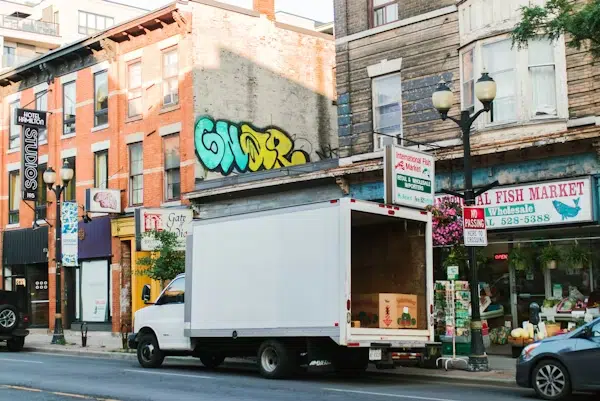
When choosing a moving service, get quotes from multiple providers. Ask about insurance coverage. Check reviews from previous customers. The cheapest option isn’t always the best value if it comes with hidden fees or careless handling.
Timing matters too. Book well in advance, especially during peak periods. Last minute bookings limit your options and often cost more.
One tip that makes a huge difference: pack a separate essentials box that stays with you personally. Include phone chargers, toiletries, medications, important documents, and anything you’ll need immediately upon arrival. Nothing worse than desperately searching through dozens of boxes for your toothbrush at midnight.
Dealing With the Waste Problem
Here’s what nobody warns you about.
Big home projects generate an absurd amount of waste.
Old furniture that’s not worth moving. Broken appliances you’ve been meaning to dispose of. Renovation debris. Packaging materials. General junk that’s accumulated over the years.
Regular rubbish collection can’t handle this volume. You’ll quickly exceed your bin capacity and end up with piles of stuff sitting around with nowhere to go.
The solution is simple but often overlooked in initial planning.
Skip bins transform waste management from a headache into a non issue. You get a large container delivered to your property, fill it at your own pace, and have it collected when you’re done.
The convenience factor is massive.
Instead of making countless trips to the dump, everything goes in one place. No loading your car with debris. No figuring out disposal requirements for different materials. No negotiating with your regular waste service about excess items.
For those handling projects in specific areas, local options like skip bin hire Chatswood services make the process even smoother. Local providers understand council requirements and can advise on the right bin size for your needs.

Sizing matters more than you’d think. People consistently underestimate how much space they’ll need. When in doubt, go one size up. The cost difference is usually minimal compared to the hassle of needing a second bin.
Think about placement too. The bin needs to be accessible for both filling and collection. Discuss positioning with the provider before delivery to avoid complications.
A strategic approach is to schedule the bin for the entire duration of your project. Having it available from day one means you can dispose of items as you go rather than creating intermediate piles that clutter your workspace.
Creating Your Project Timeline
Successful home projects share a common element: realistic scheduling.
Break your overall project into distinct phases. Assign time estimates to each one. Then add buffer room because something will inevitably take longer than expected.
A typical sequence might look like this.
Start with repairs and maintenance. Get the property into good condition before doing anything else. This is when your handyman services come into play.
Next comes serious decluttering. Go room by room. Be ruthless about what you actually need versus what you’re keeping out of habit. This phase generates significant waste, so coordinate with your bin delivery.
If you’re moving, packing comes next. Begin with items you use infrequently. Work toward everyday essentials as moving day approaches.
The actual move happens once everything else is in order. With preparation complete, this phase should be relatively smooth.
Finally, there’s setup and settling. Unpacking, arranging furniture, making the new space functional.
Each phase builds on the previous one. Rushing or skipping steps creates problems downstream.
The Mindset That Makes It Work
Beyond logistics, there’s a mental component to managing big projects.
Perfectionism is your enemy. Done is better than perfect. You can always refine later.
Flexibility matters too. Plans change. Unexpected issues arise. Rolling with complications rather than fighting them reduces stress considerably.
Celebrate small wins along the way. Completed the kitchen? Acknowledge it. Finished packing the garage? That deserves recognition. Progress compounds, and noticing it keeps motivation high.
Ask for help without guilt. Friends and family often want to contribute but wait to be asked. Let them. Shared labor turns daunting tasks into manageable ones.
And remember why you’re doing this. There’s a purpose behind the project. A better living situation. A fresh start. A property that works for your life instead of against it.
Keep that end goal visible. It pulls you forward when energy flags.
Final Thoughts
Big home projects don’t need to be overwhelming.
With the right approach, they become manageable sequences of achievable steps. You handle maintenance with professional help. You move efficiently with experienced support. You manage waste with proper systems.
The secret isn’t working harder. It’s working smarter.
Plan thoroughly. Assemble your team of professionals early. Give yourself realistic timeframes. And don’t be afraid to invest in services that make the process genuinely easier.
Your future self will thank you.
That new chapter waiting on the other side? It’s absolutely worth the effort to get there without burning yourself out along the way.
Start planning today. One step at a time, you’ll get exactly where you’re going.