Summer brings longer days, backyard gatherings, and plenty of opportunities to enjoy your home. Unfortunately, it also marks the busiest season for many pests. Warm temperatures accelerate breeding cycles, increase insect activity, and create ideal conditions for infestations that can affect both indoor and outdoor spaces. Homeowners who stay alert during the summer months often have an easier time protecting their property from costly damage and frustrating pest problems.
Ant Colonies Expand Rapidly in Summer
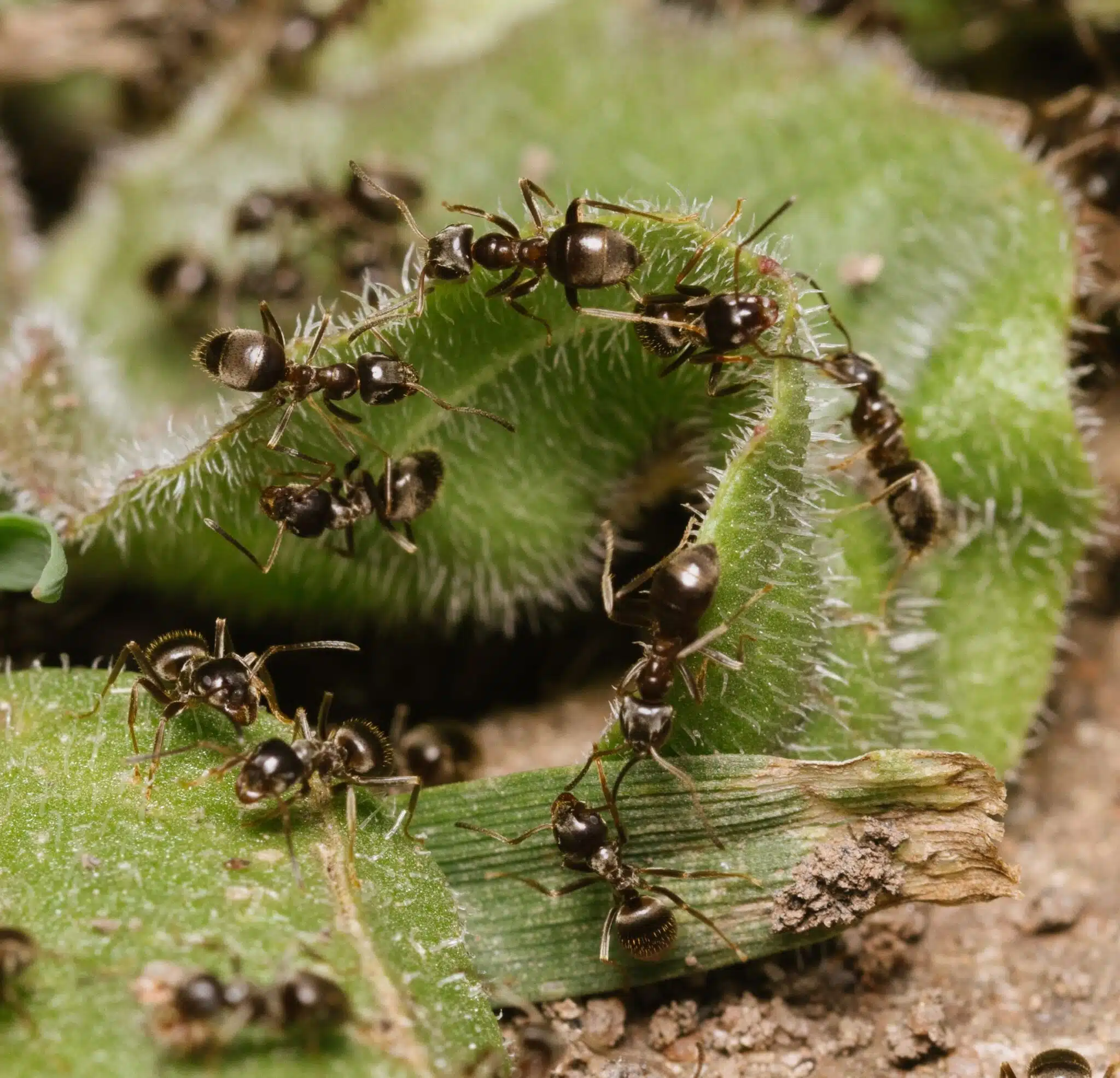
One of the most common summer pest issues involves ants. As temperatures rise, ant colonies become increasingly active in their search for food and water. Small crumbs, pet food, and even tiny moisture sources can attract large numbers of ants into kitchens, bathrooms, and garages.
The best defense starts with seasonal pest prevention. Sealing cracks around windows and doors, cleaning up food spills promptly, and eliminating standing water can make your home less attractive to foraging ants. While a few ants may seem harmless, visible trails often indicate a much larger colony nearby. Addressing the problem early can prevent a minor nuisance from becoming a widespread infestation.
Mosquitoes Thrive Around Standing Water
Mosquito activity tends to peak during summer, particularly after periods of rain. Birdbaths, clogged gutters, flowerpot saucers, and low spots in the yard can all collect water and create breeding grounds for mosquito larvae.
Beyond being annoying, mosquitoes can make outdoor spaces far less enjoyable during the warmest months of the year. Homeowners should regularly inspect their property for areas where water collects and empty containers whenever possible. Keeping grass trimmed and reducing dense vegetation can also limit places where mosquitoes rest during the day. A well-maintained yard often experiences significantly fewer mosquito problems than one with excess moisture and overgrown landscaping.
Termites Can Cause Hidden Structural Damage
Summer swarmers are often the first visible sign that termites may be present. These winged insects emerge to establish new colonies and are frequently mistaken for flying ants. Unfortunately, termites can cause extensive damage long before homeowners realize there is a problem.
Wood-to-soil contact, excessive moisture near foundations, and untreated wooden structures can increase the risk of termite activity. Decks, fences, crawl spaces, and wooden support beams deserve special attention during summer inspections.
When termites are suspected, professional intervention is usually the safest approach. Hiring a Charlotte, Richmond or Phoenix pest control company, wherever you need one, don’t try to DIY this. Termite infestations often exist behind walls, beneath flooring, or inside structural components where they are difficult to locate without specialized tools and expertise.
Wasps Build Nests Near Homes and Outdoor Living Areas
Summer is the prime nesting season for wasps. Eaves, sheds, decks, fences, and outdoor play structures frequently provide ideal locations for new nests. A small nest discovered early in the season can quickly grow into a much larger colony by late summer.
Wasps become particularly problematic around outdoor dining areas because they are attracted to sweet drinks, fruit, and other food sources. Homeowners should routinely inspect areas around their property where nests commonly form. Unlike some pests that merely create inconvenience, wasps can present a safety concern for individuals who are sensitive or allergic to stings. Disturbing an active nest without proper precautions can lead to aggressive defensive behavior from the colony.
Rodents Seek Food and Shelter Throughout the Season
Many people associate mice and rats with colder weather, but rodents remain active throughout the summer. Gardens, outdoor trash containers, compost piles, and pet food can all attract unwanted visitors.
Rodents can squeeze through surprisingly small openings around foundations, utility lines, and garage doors. Once inside, they may chew wiring, damage insulation, and contaminate stored items. Regular inspections around the exterior of the home can help identify entry points before rodents gain access. Securing garbage containers and storing food properly also reduces the likelihood of attracting them in the first place.
Ticks Become More Active in Tall Grass and Landscaping
Ticks are another summer pest that homeowners should not overlook. They often wait in tall grass, wooded areas, and dense vegetation before attaching to passing animals or people.
Properties that border wooded lots may experience increased tick activity during the warmest months. Keeping grass mowed, trimming shrubs, and creating clear boundaries between lawns and wooded areas can help reduce tick habitat.
Pet owners should also perform regular tick checks after spending time outdoors. A proactive approach can help limit exposure and keep outdoor spaces more comfortable throughout the season.
Summer pest activity can escalate quickly when conditions are favorable. Regular inspections, good maintenance habits, and early intervention can help homeowners avoid larger problems later in the season. A little attention now can go a long way toward protecting both your home and your yard.