Most of the interesting changes in residential design over the past decade have happened in places nobody photographs. Mechanical rooms. Wall cavities. The space behind a vanity. Bathrooms in particular have absorbed a surprising amount of new technology without anyone really noticing, partly because the finished result still looks like, well, a bathroom. Tiled. Bright. Functional.
But look closer and the materials, fixtures, and assembly methods have shifted in ways that genuinely matter. Some of it is hype. Some of it isn’t.
1. Antimicrobial Wall Surrounds
This one snuck up on the industry. For decades, the default wet-wall material was tile and grout, which is fine until it isn’t. Grout absorbs moisture. Moisture grows mildew. Mildew gets scrubbed, and the cycle continues. Newer acrylic and composite wall systems, often infused with silver ions, resist that growth at the surface level. It’s not magic, just chemistry. Any decent bathroom remodeler working with these systems will mention silver-ion or antimicrobial finishes by name, and it’s worth asking about because the maintenance difference is significant over a five-year horizon.
Honestly, it’s one of those upgrades that doesn’t photograph well but pays off every single weekend you don’t spend scrubbing.
2. Prefab Bathroom Pods
Still mostly a commercial-construction story (hotels, dorms, hospitals), but it’s creeping into residential prefab. Entire bathrooms built off-site, fully plumbed and tiled, then craned into place. Bensonwood’s been experimenting with them in the US. European manufacturers have been doing it for years. GreenBuildingAdvisor has a readable overview of how the offsite construction world is approaching pods if you want to go deeper.
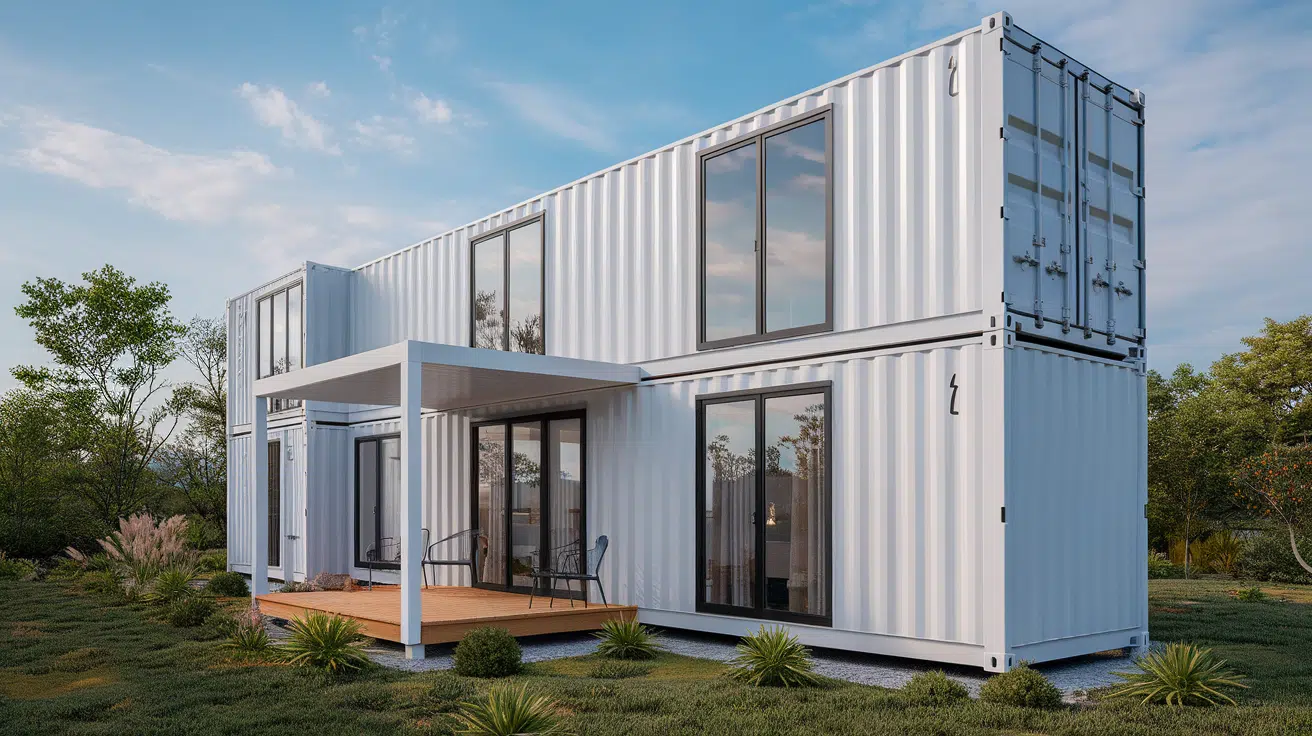
The reason this matters for regular homeowners: as modular and prefab homes mature, the pod approach trickles down. Faster build times. More consistent quality. Less drama on site.
3. Smart Leak Detection
Side note, this is the one most homeowners underestimate. A small whole-home water sensor or under-sink leak detector costs maybe $50 to a few hundred, and a single avoided slow leak under a vanity can pay for it ten times over. Newer systems shut the water off automatically when something goes wrong. Boring tech. Quietly excellent.
4. Curbless, Barrier-Free Showers
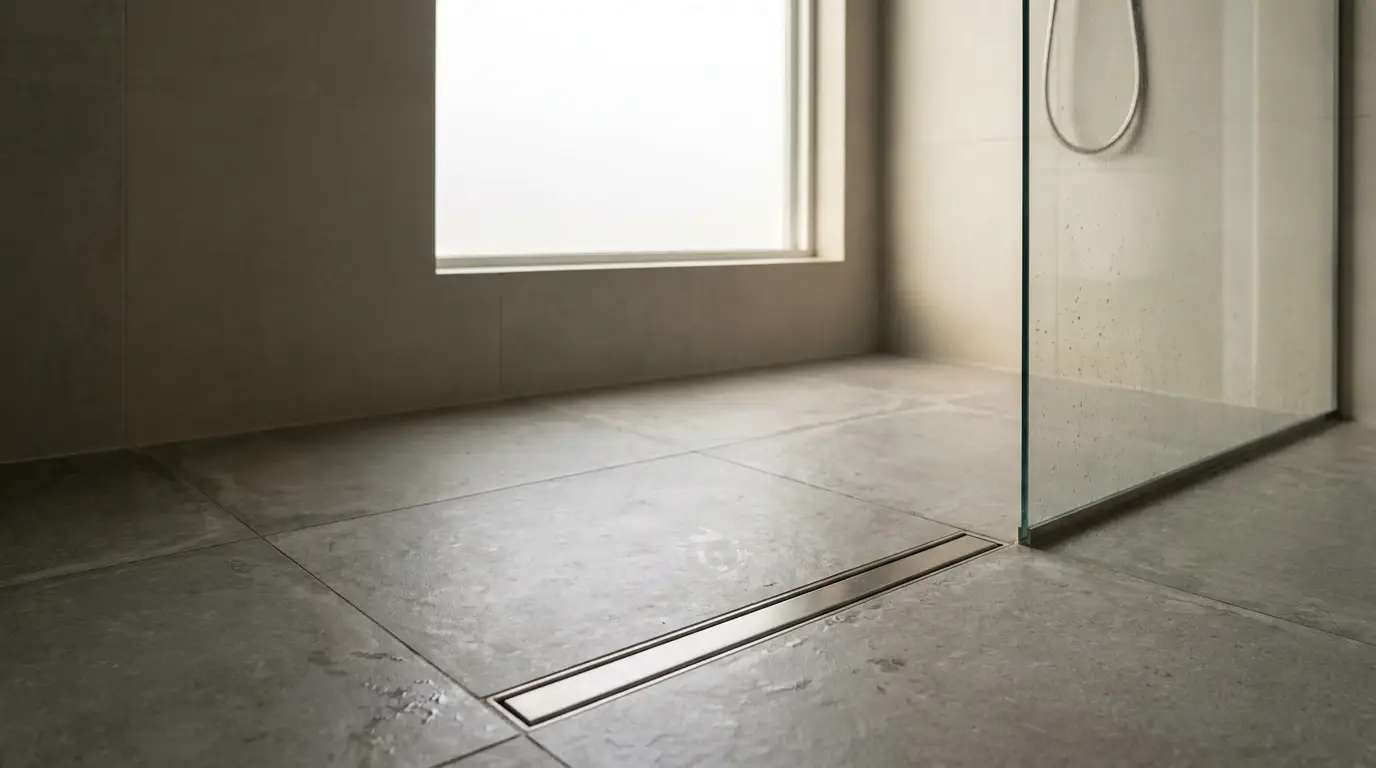
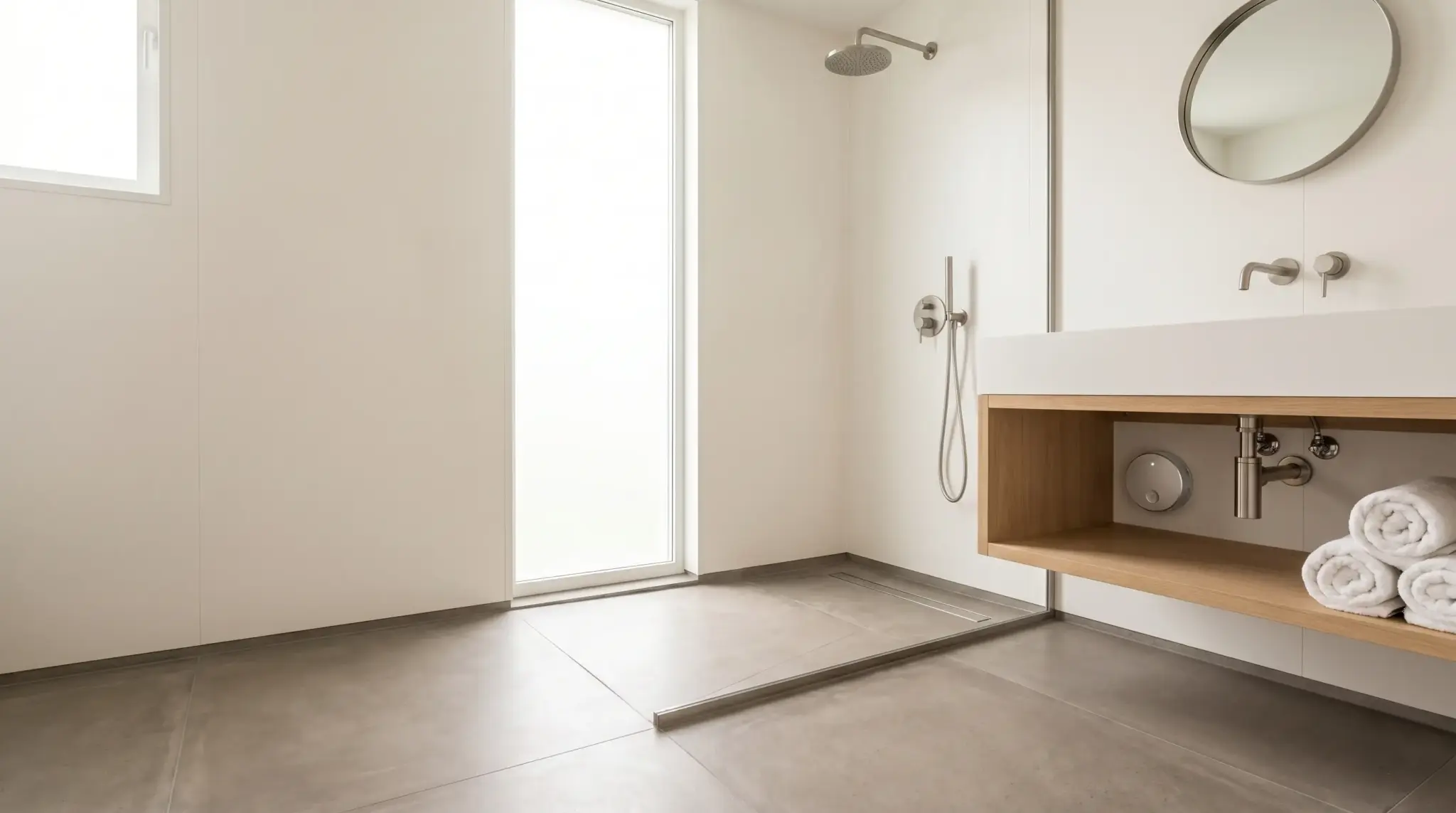
Originally an accessibility feature, now a design preference. Curbless showers (no lip to step over, water managed by linear drains and sloped floors) read as modern and also work for aging-in-place, which is a genuinely growing concern. Tiny homes and accessory dwelling units have pushed this further because the curbless approach saves precious inches. Plenty of walk-in shower layouts built for tight footprints lean on this principle now.
5. High-Efficiency Fixtures That Don’t Feel Cheap
Low-flow showerheads used to be miserable. That’s not really the case anymore. Manufacturers figured out spray pattern and pressure tricks that maintain the experience while cutting flow rates. The EPA’s WaterSense program certifies models that use 2.0 gallons per minute or less, which can save the average household roughly 2,700 gallons a year. Numbers like that sound small. They aren’t.
What ties these five together, arguably, is that they’re all invisible-ish. They don’t change what a bathroom looks like so much as how it performs over time. Which might be the more interesting kind of innovation anyway.