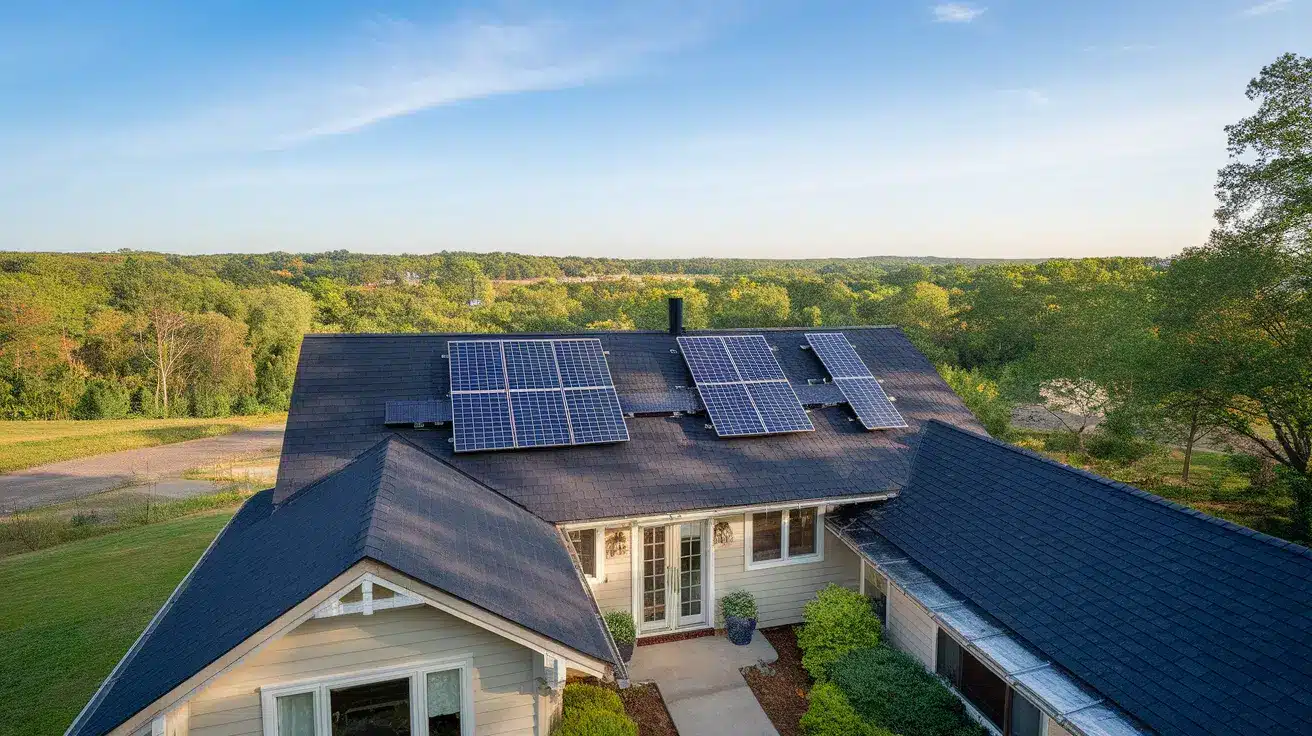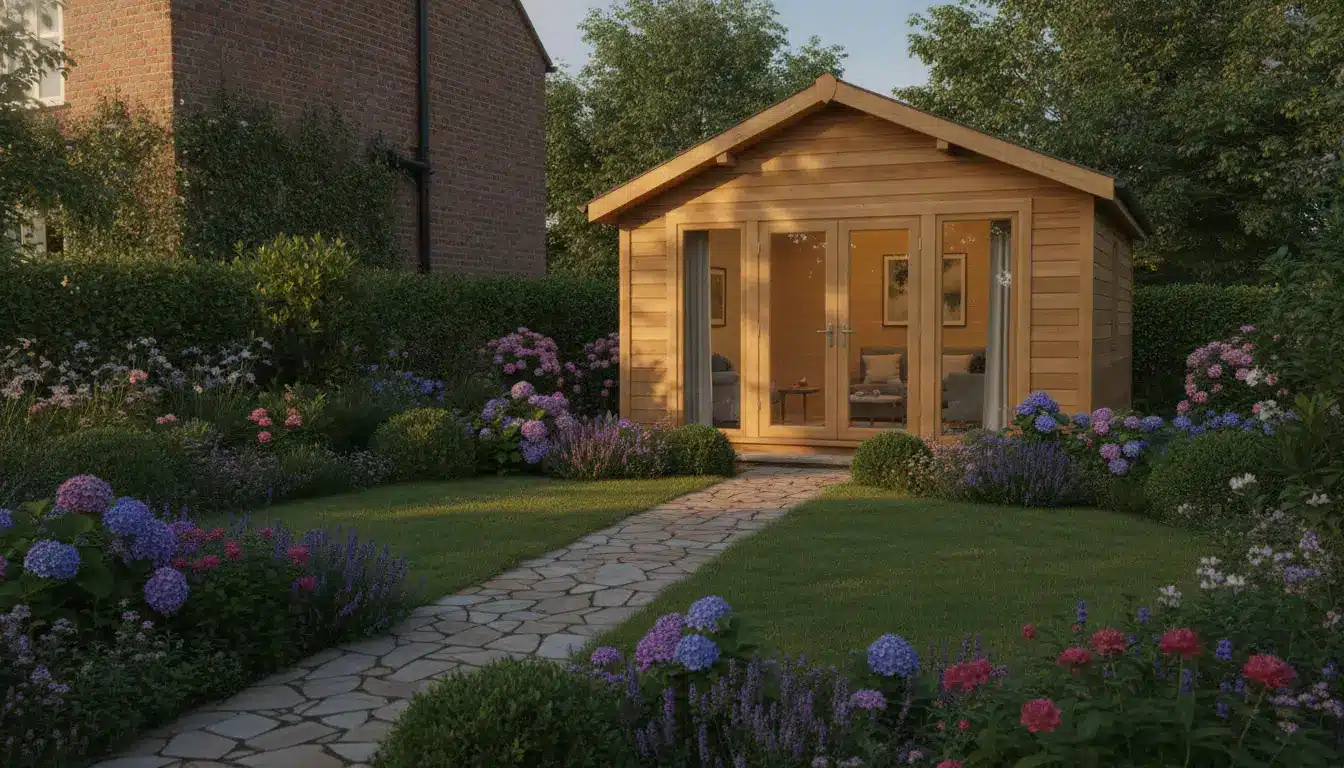
Homeowners looking to add space and value to a property usually land on one of two options: extend the existing house, or build a self-contained annexe in the garden. Both routes can add real value, but they solve different problems and suit different budgets, timelines and long-term plans, so it’s worth weighing them against each other rather than defaulting to whichever one comes up first in a search.
What Each Option Actually Costs
A single-storey house extension in the UK typically runs from around £22,500 up to £125,000, with a 10m² kitchen extension averaging roughly £80,000 to £100,000 once construction, VAT and professional fees are included, based on a 2025 survey of UK architects. A garden annexe sits in a similar bracket, generally costing between £80,000 and £100,000 for a fully self-contained build, though bespoke options can run higher depending on size and specification, Timberspecs’ bespoke granny annexes, for example, start from around £99,845.
On cost alone, the two options are closer than most people expect. The real differences show up in what you get for that money and how the space performs afterwards.
What Each Option Adds to Your Home
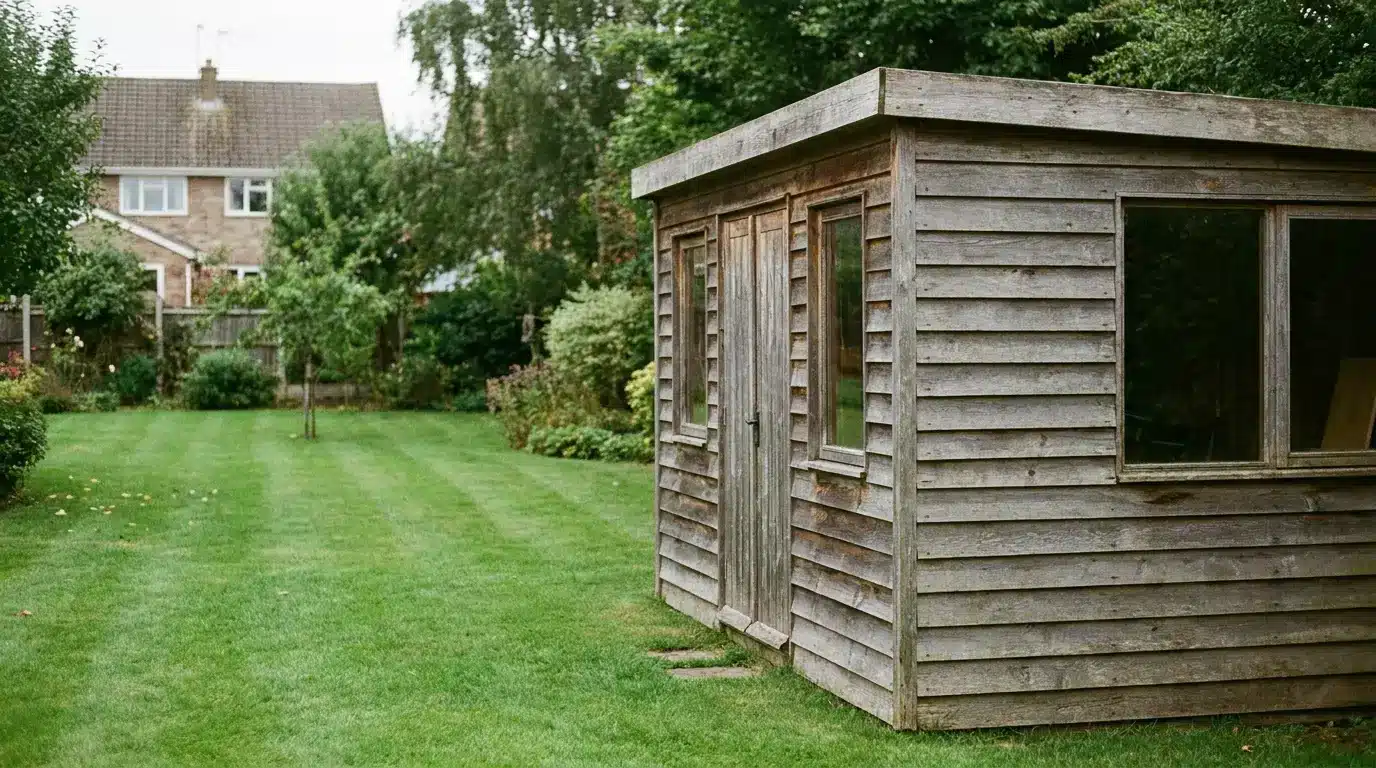
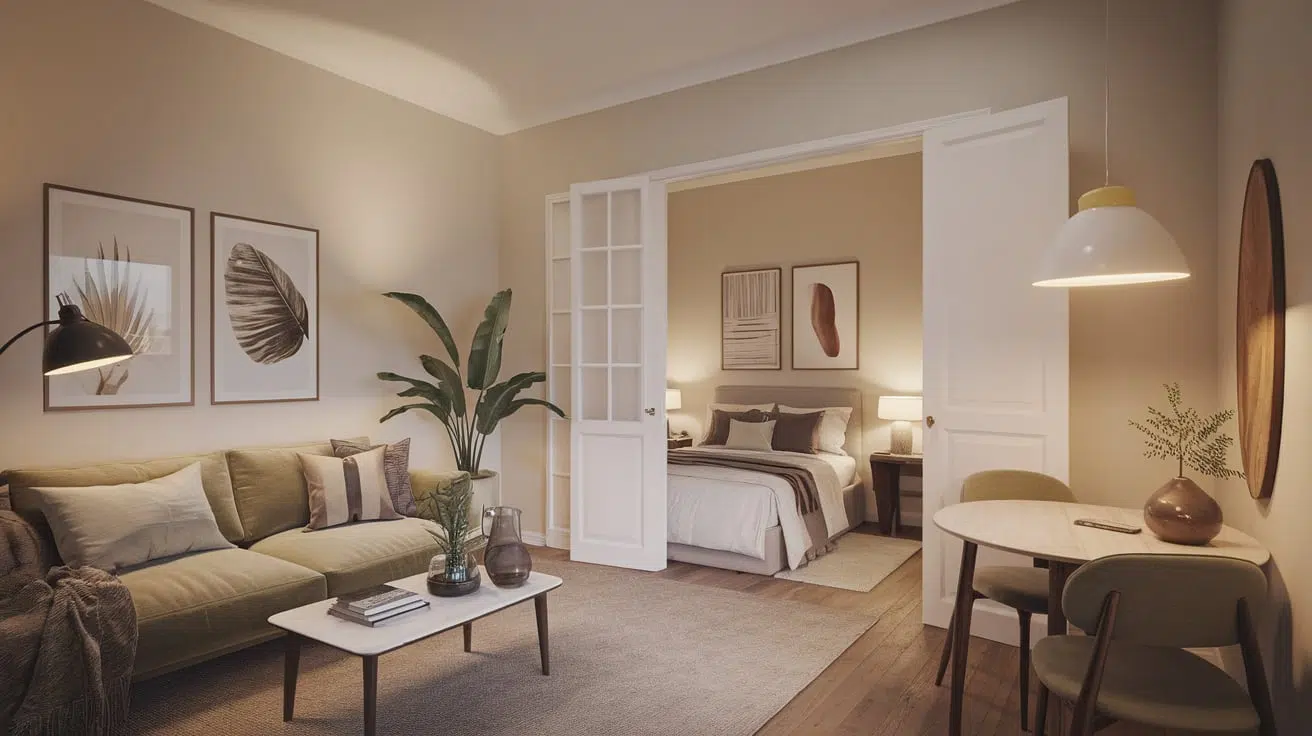
Nationwide’s House Price Index special report from October 2025 found that an extension or loft conversion adding a large double bedroom and bathroom can increase the value of a three-bedroom, one-bathroom house by as much as 24%, while simply expanding the floor area by 10% can add up to 5% in value. That’s a solid, well-evidenced return, but it comes with a caveat: an extension is permanently fused to the main house. It adds space, not flexibility.
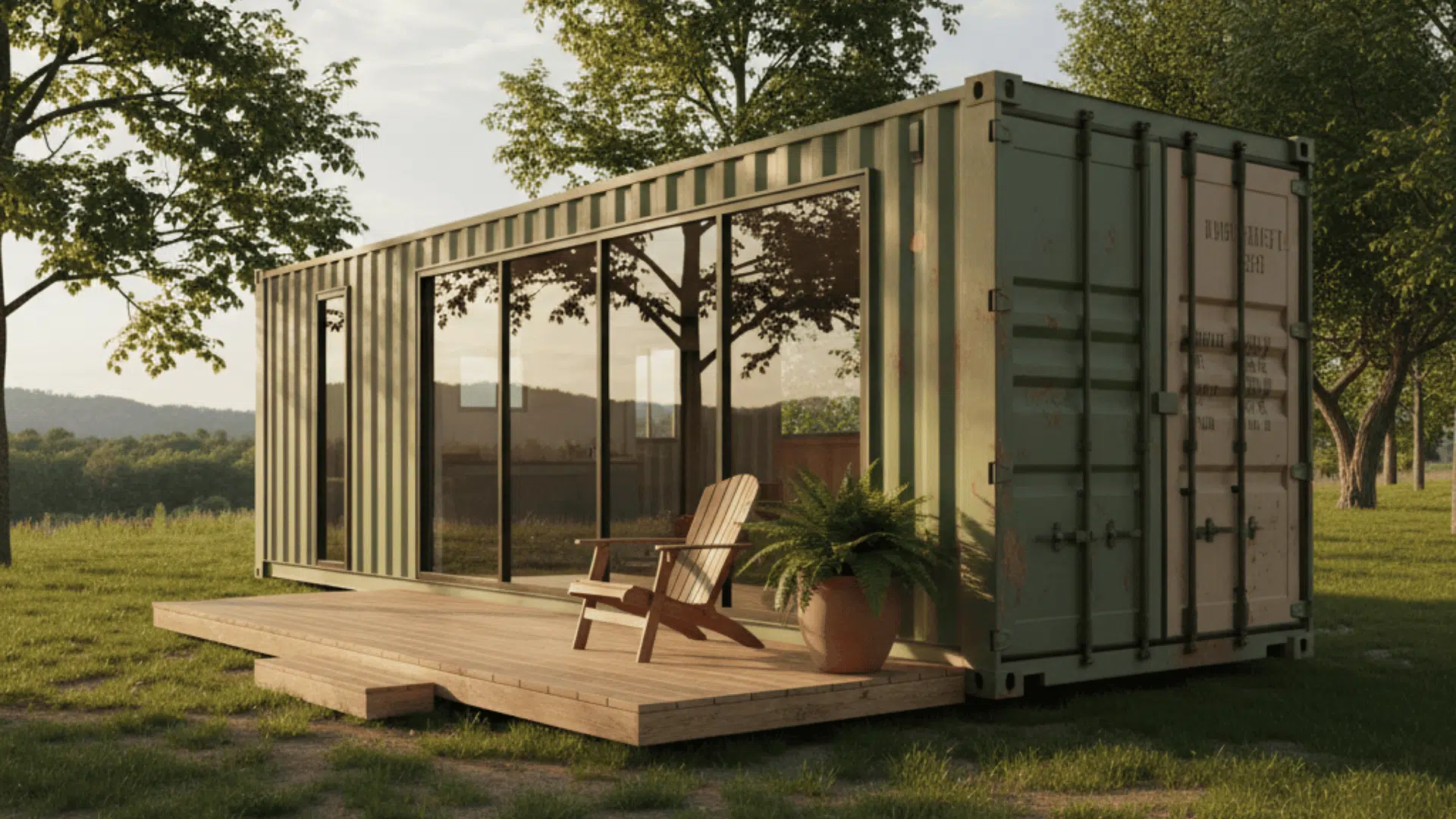
An annexe’s value case is argued differently. Multiple industry estimates put the value uplift from a self-contained garden annexe anywhere between 5% and 30%, depending heavily on location, build quality and how the figure is calculated (this is a wide range and worth flagging, different sources measure it differently, so treat any single number as indicative rather than exact for a specific property). What tends to matter more in practice is what the annexe unlocks rather than the percentage itself: a genuinely independent living space that can flex between guest accommodation, a home office, space for an adult child, or care for an elderly relative, all without the household losing privacy in the way an internal extension can.
This is really where the decision splits. An extension typically locks in one use, an extra bedroom, a bigger kitchen, a home office off the back of the house. An annexe stays useful as circumstances change. A family might use it for a returning adult child for a few years, then adapt it to support an ageing parent, and later let it as a source of income or leave it as a self-contained space that appeals to buyers who want the same flexibility. For families weighing up care options, that flexibility carries a financial dimension too, UK residential care home fees currently average between roughly £31,200 and £78,000 a year, based on typical weekly rates of £600 to £1,500, which reframes an annexe’s upfront cost as an alternative to years of ongoing fees rather than a simple like-for-like comparison with an extension.
A Few Things Worth Weighing Before Committing Either Way:
Planning permission requirements differ. Many single-storey extensions fall under permitted development, while annexes can sometimes need planning consent depending on size, position and intended use, so it’s worth checking with your local authority before assuming either route is the simpler one.
Disruption during the build is very different. An extension usually means living alongside construction for months. An annexe build largely happens away from the main house, which matters if you’re not able to easily relocate during the works.
Resale expectations vary by buyer pool. An extension adds universal appeal (more space reads well to almost anyone). An annexe appeals strongly to a specific buyer, multigenerational families, those wanting rental income, or people planning ahead for elderly relatives, which can mean a faster sale to the right buyer, but a narrower pool overall.
Conclusion
There’s no single right answer here, it depends on whether the priority is maximising space within the existing house or creating an independent space that can adapt over time. For anyone leaning toward the annexe route, it’s worth researching a few annexe builders directly to see what a self-contained build actually involves before comparing it against extension quotes.