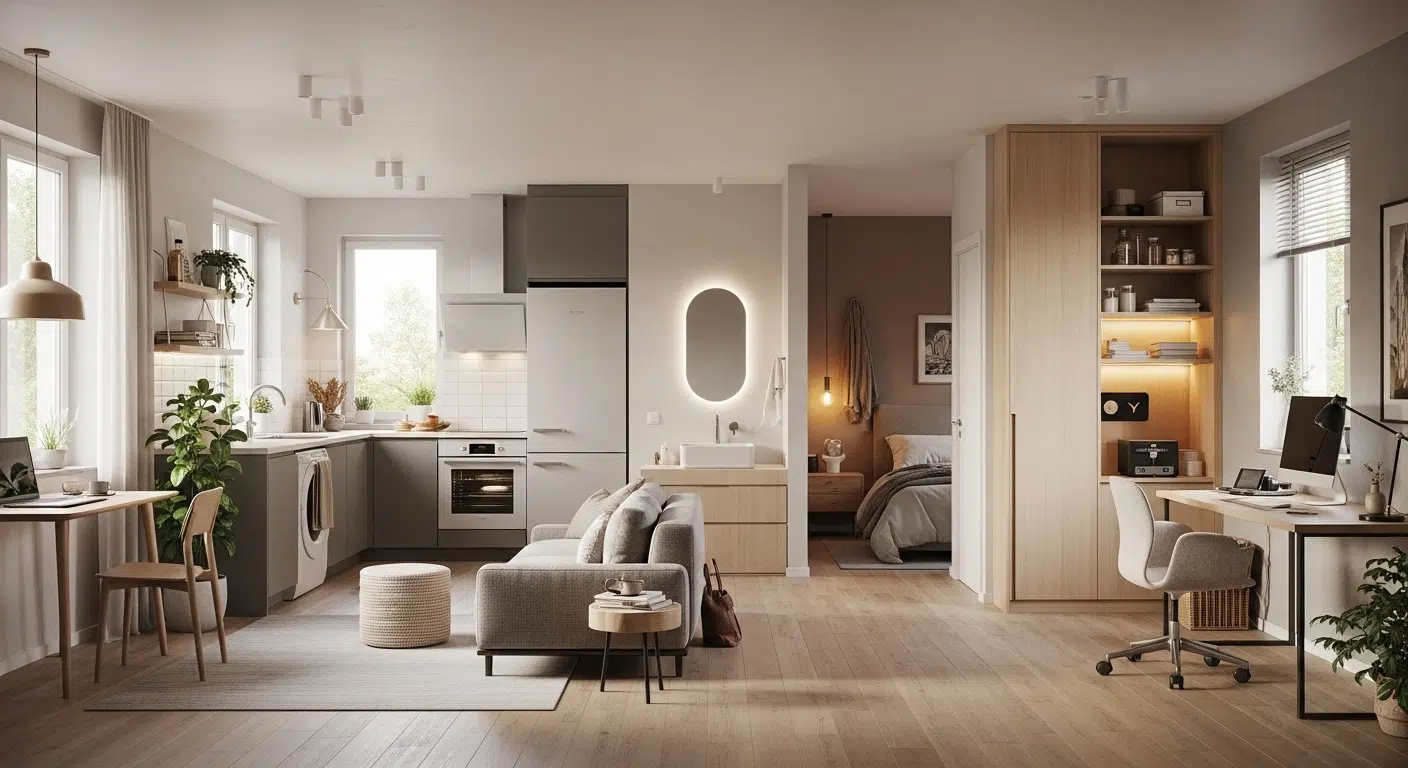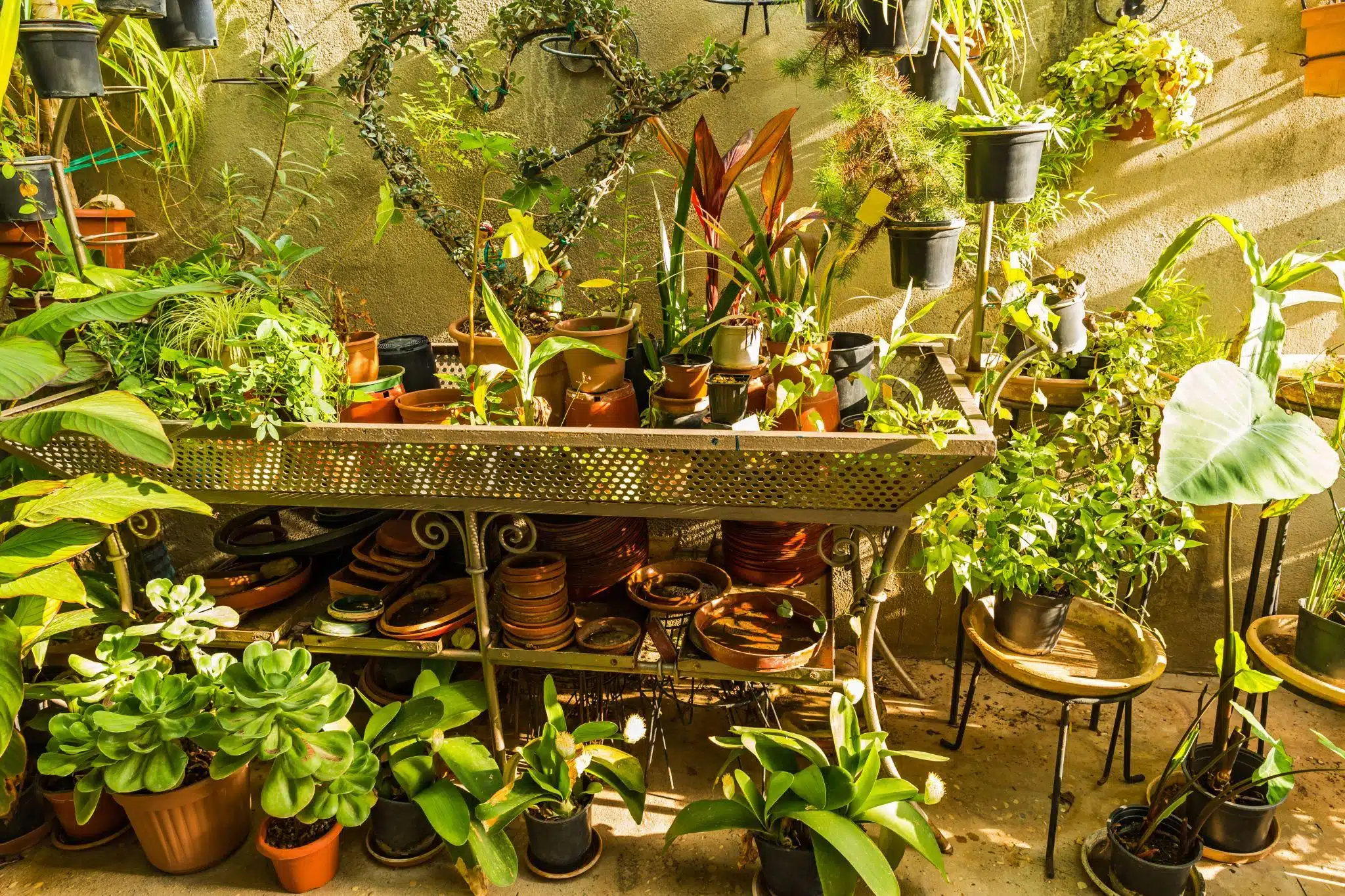
Not only do plants enhance the aesthetic appeal of your home, but they also offer numerous health benefits, including improved air quality and reduced stress. If you have limited living space without enough outdoor space but desire a corner filled with nature, then this blog is exactly what you need. In this blog, we’ll explore creative ideas for designing a small indoor garden that fits small indoor spaces.
1. Choose the Right Location
The first step in designing a successful indoor garden is selecting the best location. The ideal spot for your plants depends on the light levels in your home and the amount of space available. Here are some options to consider:
- Balcony: If you’re lucky enough to have a balcony that receives ample sunlight, this is the perfect spot to create your indoor garden. The natural light is your first choice.
- By a wall: If you don’t have a balcony, look for a wall that receives at least 4 hours of sunlight a day. Ideally, this space should have access to electricity, because electricity nearby will allow you to install grow lights for supplemental lighting.
- Cabinet: If you don’t have extra space, you can clear out a sparsely furnished cabinet to create a garden corner. As with the wall space, there must be electricity nearby, since sunlight won’t reach inside the cabinet. Grow lights will be necessary to ensure your plants get enough light.
2. Maximize Vertical Space
Once you’ve selected the perfect location for your indoor garden, the next step is to maximize vertical space. This allows you to increase your garden area without taking up valuable floor space. Here are some ways to expand your plant display upwards:
- Planting Racks: Multi-tiered racks are a great way to maximize plant density in a small area. These racks are perfect for small to medium-sized plants, and you can even customize the height of each tier to accommodate plants of various sizes.
- Wall-Mounted Pots: Wall shelves or hooks are ideal for small plants or climbing varieties like ivy or pothos. However, be mindful that heavier plants may not be securely fixed, potentially causing damage to your walls.
- Hanging Baskets: Hanging baskets are a great vertical option, especially for trailing plants like pothos or string of hearts. However, they can make watering more challenging, so be sure to plan for an easy watering solution, like a drip tray or watering system.
3. Lighting Settings
If your indoor garden has access to ample natural light, no additional lighting setup is necessary. However, for spaces with limited natural light, you’ll need to get creative with your lighting options:
- Mirrors or Light-Colored Walls: When natural light is available but not abundant, try using mirrors or painting the walls in light colors. This helps reflect and amplify the light, directing more of it toward your plants.
- Plant Growth Lights: In spaces with little natural light—especially during the winter or for plants in cabinets—consider investing in specialized plant growth lights.
4. Watering Setup
Watering your indoor garden can sometimes lead to water spilling from flowerpots and making a mess on the floor. If you don’t mind cleaning up regularly, manual watering is the simplest method. However, if you want to avoid the hassle, here are some alternative solutions:
- Trays: Use flowerpots with trays to catch excess water after each watering. This helps keep the floor dry, though it can take some time if you have multiple plants to manage.
- Drip Irrigation Kit: A drip irrigation kit with a hose and pump delivers small, continuous amounts of water to the plant roots, maintaining a stable water supply while keeping the environment clean. It’s particularly useful for plant stands or areas with multiple plants.
5. Keep it Low Maintenance
If you’re new to gardening or have a busy lifestyle, you’ll want plants that are easy to care for and don’t require constant attention. Luckily, there are plenty of low-maintenance options that still look great in small indoor gardens:
- Succulents & Cacti: Plants like Aloe Vera, Echeveria, and Cactus thrive with minimal watering (once every 2-3 weeks) and need only bright, direct sunlight.
- Air Plants (Tillandsia): Air plants such as Tillandsia Ionantha and Tillandsia Xerographica require no soil—just occasional misting or soaking.
- Herbs: Herbs like basil, mint, and rosemary not only add greenery but also provide fresh ingredients for cooking. These plants need a bit of sunlight and weekly watering, making them practical and low-maintenance.
6. Add Decorative Touches
Finally, consider adding decorative elements to your indoor garden to give it a personal touch. Some ideas include:
- Fairy Lights: Twinkling string lights can add a magical atmosphere, especially when draped over trailing plants like pothos or string of pearls. They create a cozy, inviting vibe.
- Artistic Planter Arrangements: Group plants by texture or color to create striking arrangements. For instance, pair peace lilies and bird of paradise for a lush tropical feel.
- Accessories: Small touches like pebbles, driftwood, or miniature figurines can give your garden a personal, creative flair.
Conclusion
Designing a small indoor garden is all about maximizing space and unleashing creativity. With the right plant choices, thoughtful use of vertical space, and a few decorative accents, you can create a beautiful and relaxing green haven inside your home.