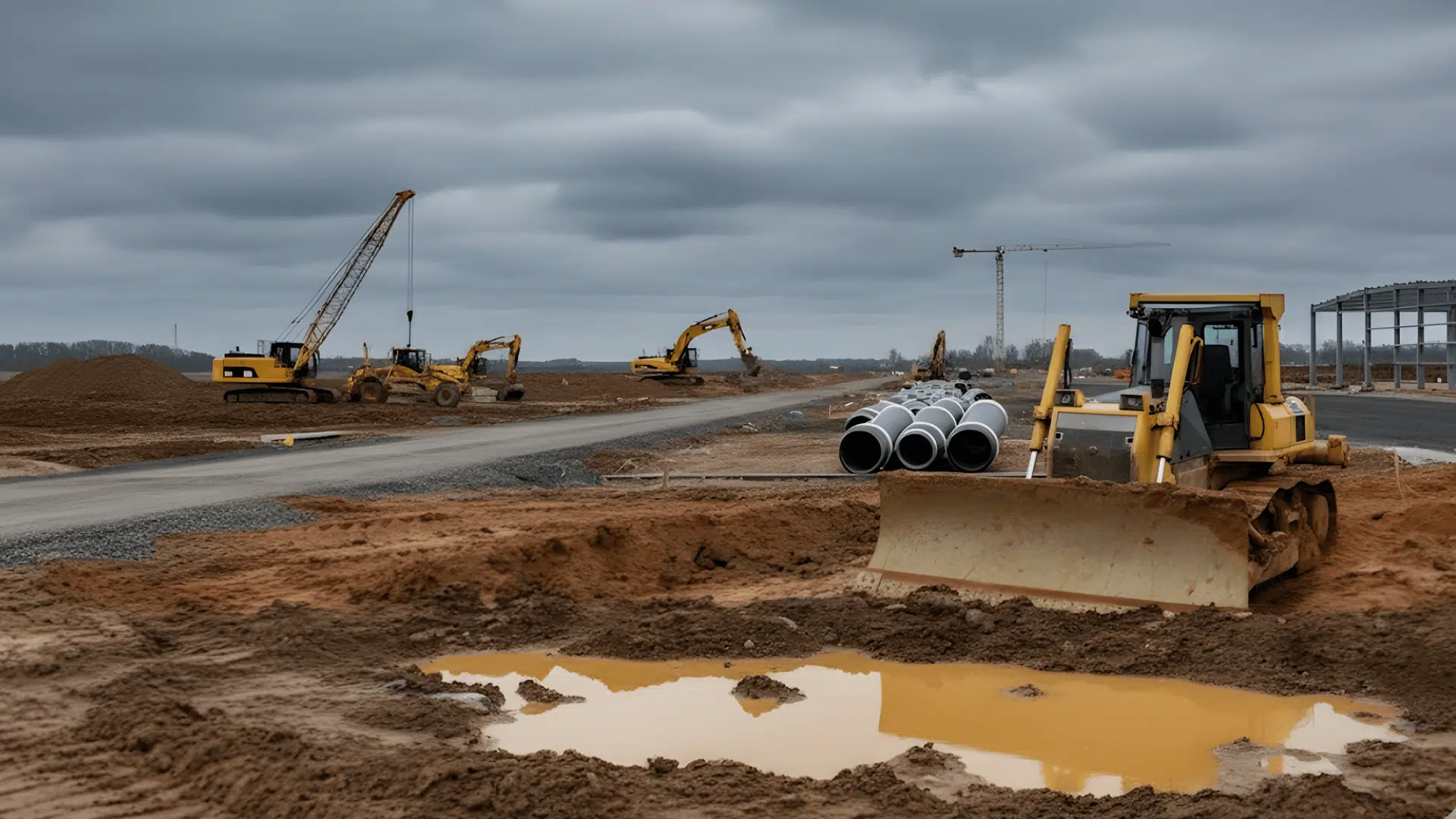
An empty build site is one of the easiest targets in the construction supply chain. Tools, copper, generators, and timber sit out in the open, often for days between deliveries. When you add the rise of off-site construction, where prefab panels and finished modular homes arrive on a truck and wait to be craned into place, the value parked on a site at any one moment has climbed sharply. A single overnight loss can stall a project for weeks while you reorder, reschedule trades, and argue with insurers.
The good news is that securing a site is not complicated. It comes down to two layers working together: a physical barrier that controls who gets in, and an electronic layer that watches the perimeter when no one is there.
Layer One: Control the Perimeter
Before you think about cameras, you need a defined edge. An open site has no boundary, which means there is nothing to breach and nothing to deter. A proper temporary fence does three jobs at once: it marks the legal boundary of the work zone, it slows down opportunists who would otherwise walk straight in, and it keeps the public, and their kids, away from a genuinely dangerous environment.
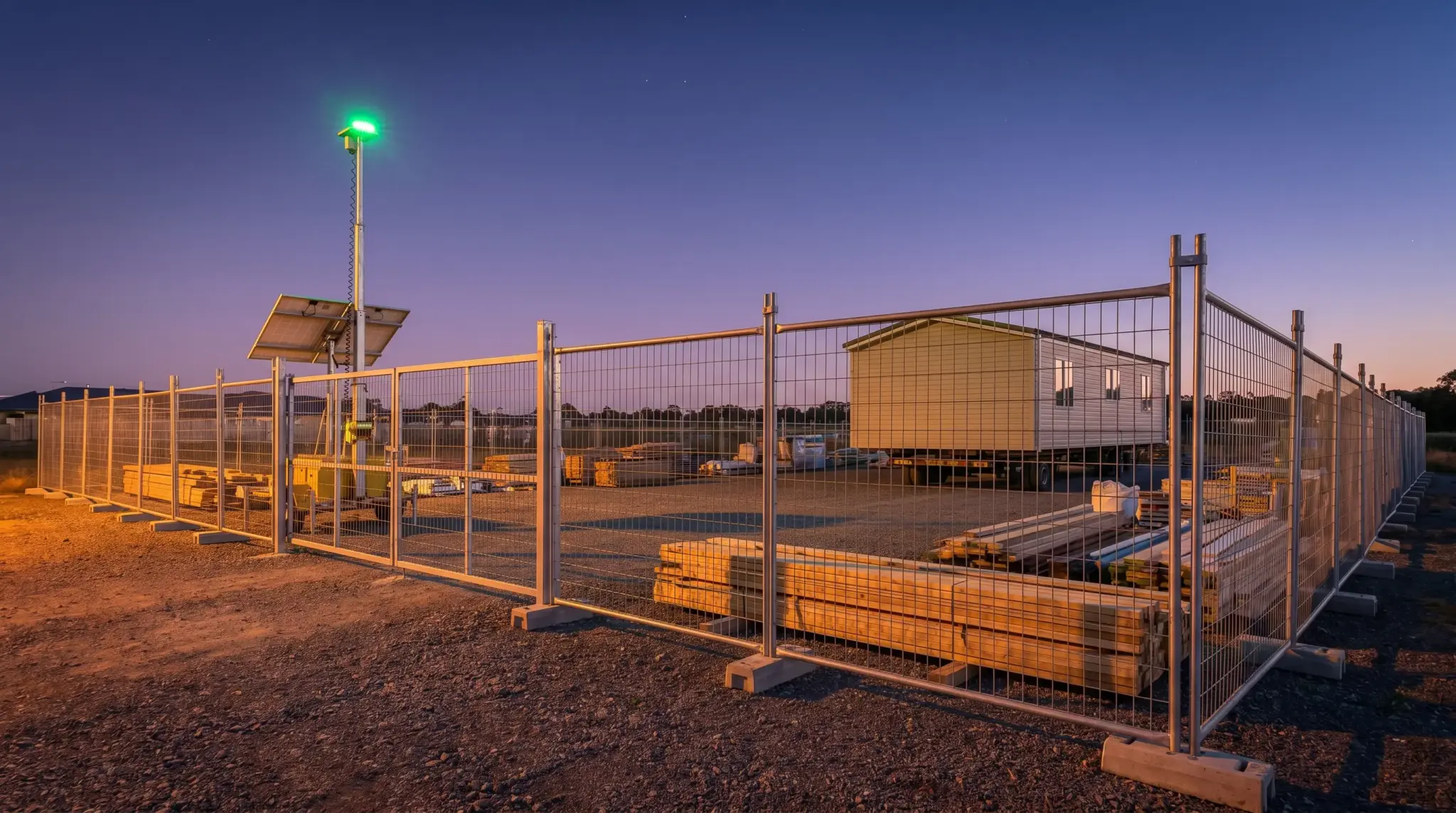
Standard temporary fencing has a weakness, though. It blows over. Australian wind loads can flatten a run of panels overnight, leaving your site wide open by morning and creating a hazard on the footpath. This is where the hardware matters. Heavier, engineered systems like Fortawall’s temporary site fencing for hire are built to a higher wind rating and lock the panels into a weighted base, so the barrier is still standing, and still doing its job, after a storm. For a delivery-and-wait site holding modular components, that stability is the difference between a secure perimeter and a liability.
Layer Two: Watch the Site When No One Is There
A fence keeps honest people honest, but a determined intruder will get over or around one. The second layer is surveillance. For a site with no mains power and no guard on the gate, the modern answer is a self-contained, solar-powered camera tower.
These units have changed what is possible on a remote or early-stage site. A provider like Site Sentry deploys towers that run entirely off solar and battery, use AI to tell the difference between a possum and a person, and respond on their own with floodlights, a siren, and a recorded warning before an intruder gets near your gear. Footage is streamed off-site in real time, so an alert reaches a monitoring center even if the tower itself is later damaged. For an unattended site, that combination of detection, deterrence, and evidence is far cheaper than a nightly patrol and far more reliable than hoping the neighborhood stays quiet.
Put the Two Layers Together
Neither layer is enough on its own. A fence with no monitoring is a barrier that no one is watching; cameras with no fence are recording a crime you have done nothing to prevent. Used together, the fence sets the boundary and slows the intruder down, and the surveillance tower detects, deters, and documents, buying enough time for a response before anything leaves the site.
A simple checklist before you leave a site overnight:
- Close the loop. Fence the entire perimeter, not just the street frontage. Intruders go around the back.
- Anchor against weather. Choose a fencing system rated for local wind loads so the barrier survives the night.
- Cover the blind spots. Position cameras to see the gate, the laydown area, and any stored modular units, not just the entrance.
- Stream off-site. Make sure footage leaves the site in real time, so destroying the unit doesn’t destroy the evidence.
- Make deterrence active. Lights and audio that trigger on detection stop most intrusions before they start.
The Real Cost of a Break-In Isn’t the Stolen Gear
It is easy to think of site theft as a line item, a stolen generator here, a missing run of copper there, but the replacement cost is usually the smallest part of the damage. The real hit lands on the schedule. A stolen item has to be reordered, and on a busy supplier’s lead time that can mean days or weeks of waiting. While you wait, the trades booked to use that equipment either stand idle or move to another job, and getting them back in sequence can push a project out far beyond the value of whatever was taken. Add the insurance excess, the premium increase at the next renewal, and the administrative hours spent documenting the claim, and a single overnight loss routinely costs several times the sticker price of the goods.
There is a safety dimension, too. An unsecured site is an attractive nuisance. Children climb fences, explore trenches, and play on stacked materials. If someone is injured on your site, even an uninvited trespasser, the liability questions are serious and the reputational damage can be worse than the theft itself. A controlled perimeter and active monitoring are as much about keeping people out for their own safety as they are about keeping your gear in.
Match the Security to the Phase of the Build
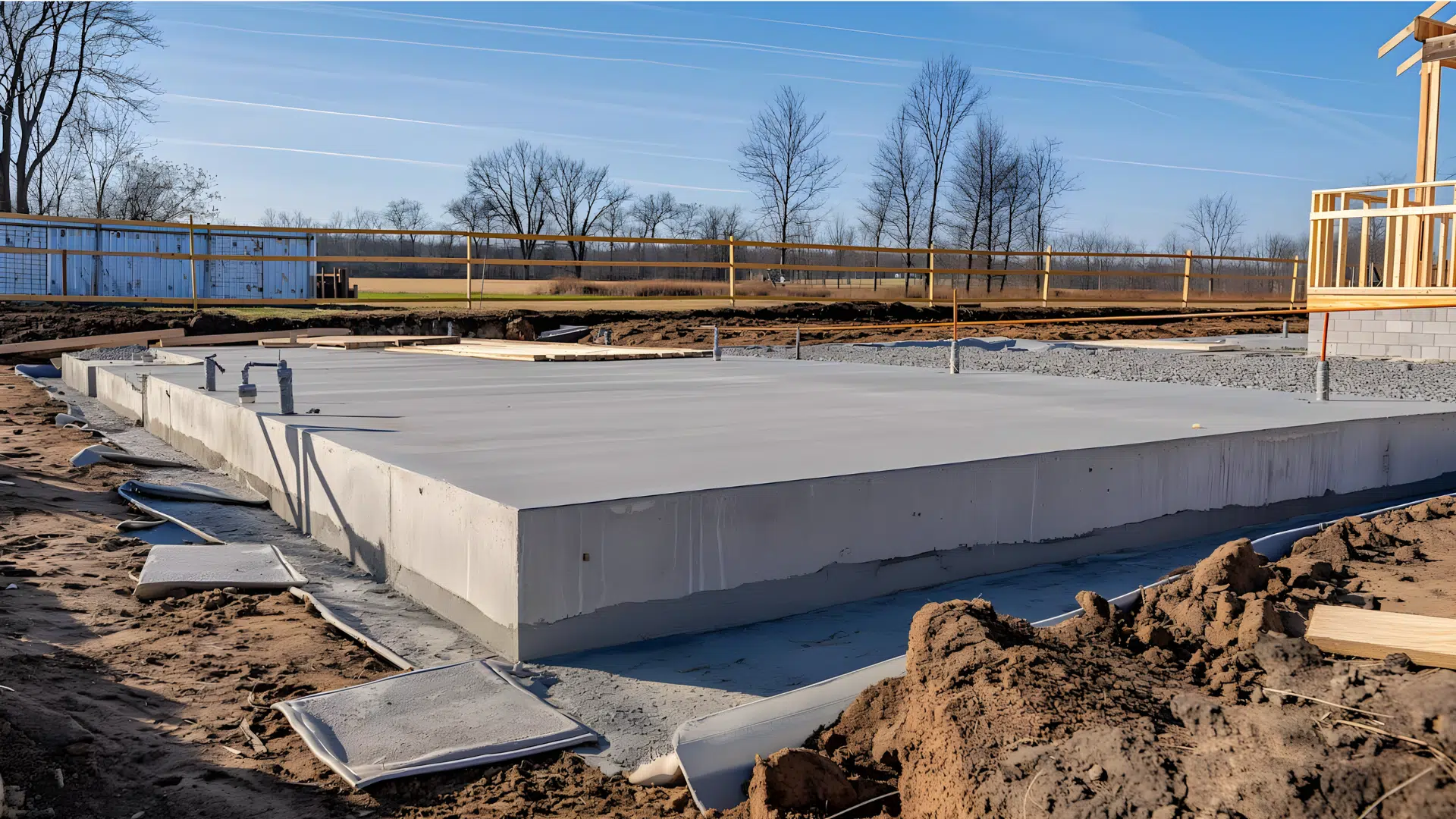
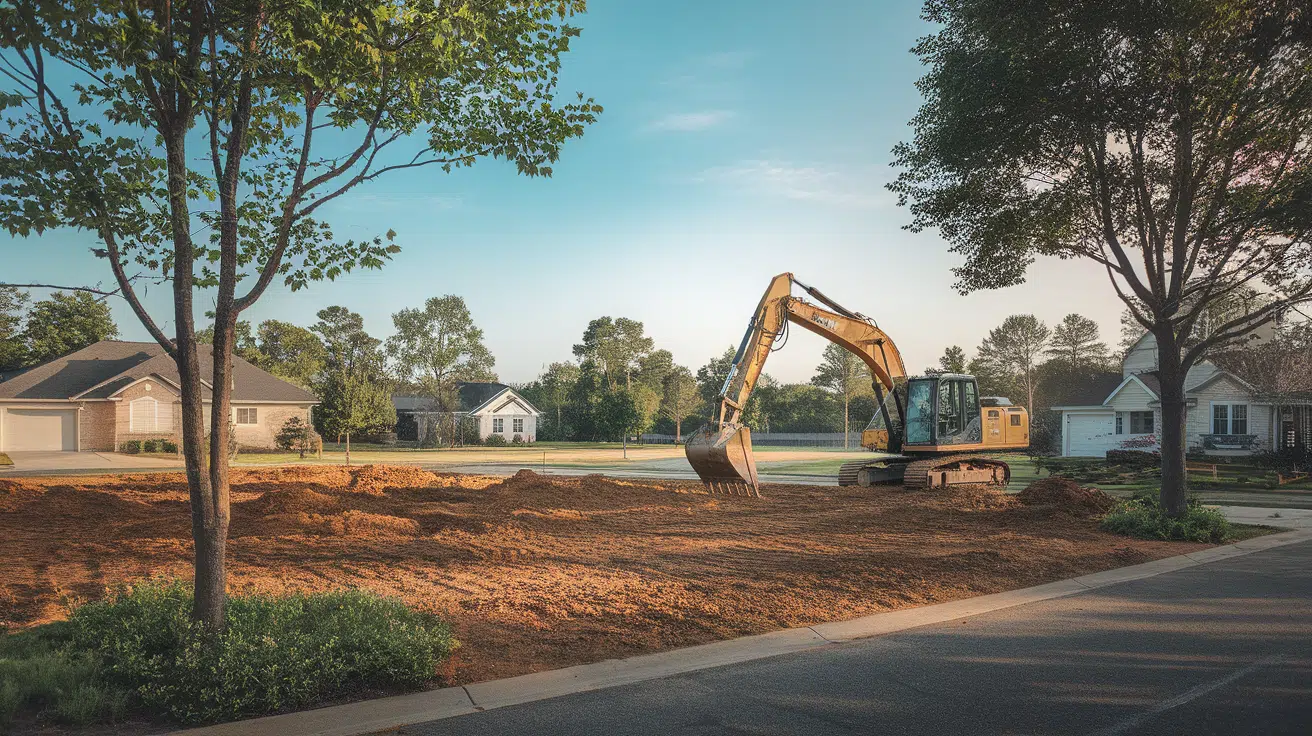
A site’s risk profile changes as the project moves through its stages, and the security should move with it. During early earthworks there is little to steal but a real public-safety risk, so a solid perimeter fence is the priority. Once materials and plant start arriving, theft risk spikes and full surveillance earns its keep around the clock. And when finished modular units are delivered and left waiting to be installed, you are effectively storing the most valuable assets of the entire project out in the open. That is the moment to have both layers at full strength.
The trap is to set the security up once at the start and forget it. Reviewing the plan at each major handover, from earthworks to materials and from materials to module delivery, keeps you covered through the high-risk windows without paying for more protection than a quiet phase actually needs. Treat security as something that scales with what is on the ground, not a fixed cost you sign off on day one.
Lock the Site Down Before You Walk Away
As more of the build moves off-site and arrives finished, the site itself becomes a short-term storage yard for some of the most valuable items in the whole project. The businesses that come through unscathed are not the lucky ones; they are the ones that treated security as two deliberate layers rather than an afterthought. Set a strong perimeter, back it with an active and self-powered watch, and review the plan as the risk changes, and you keep that value exactly where it belongs until the crane shows up. It is a small, predictable cost that quietly prevents a large, unpredictable one.