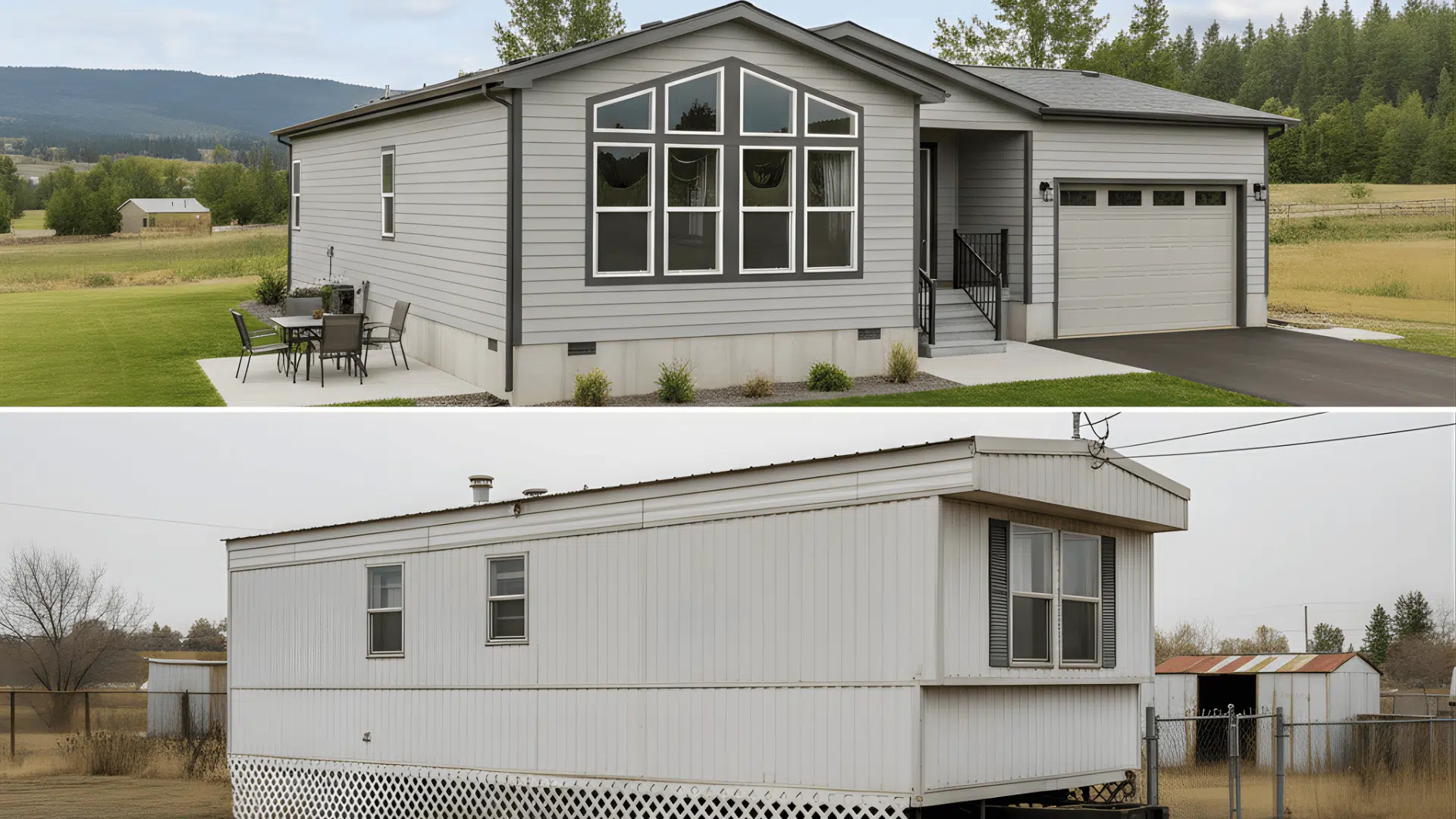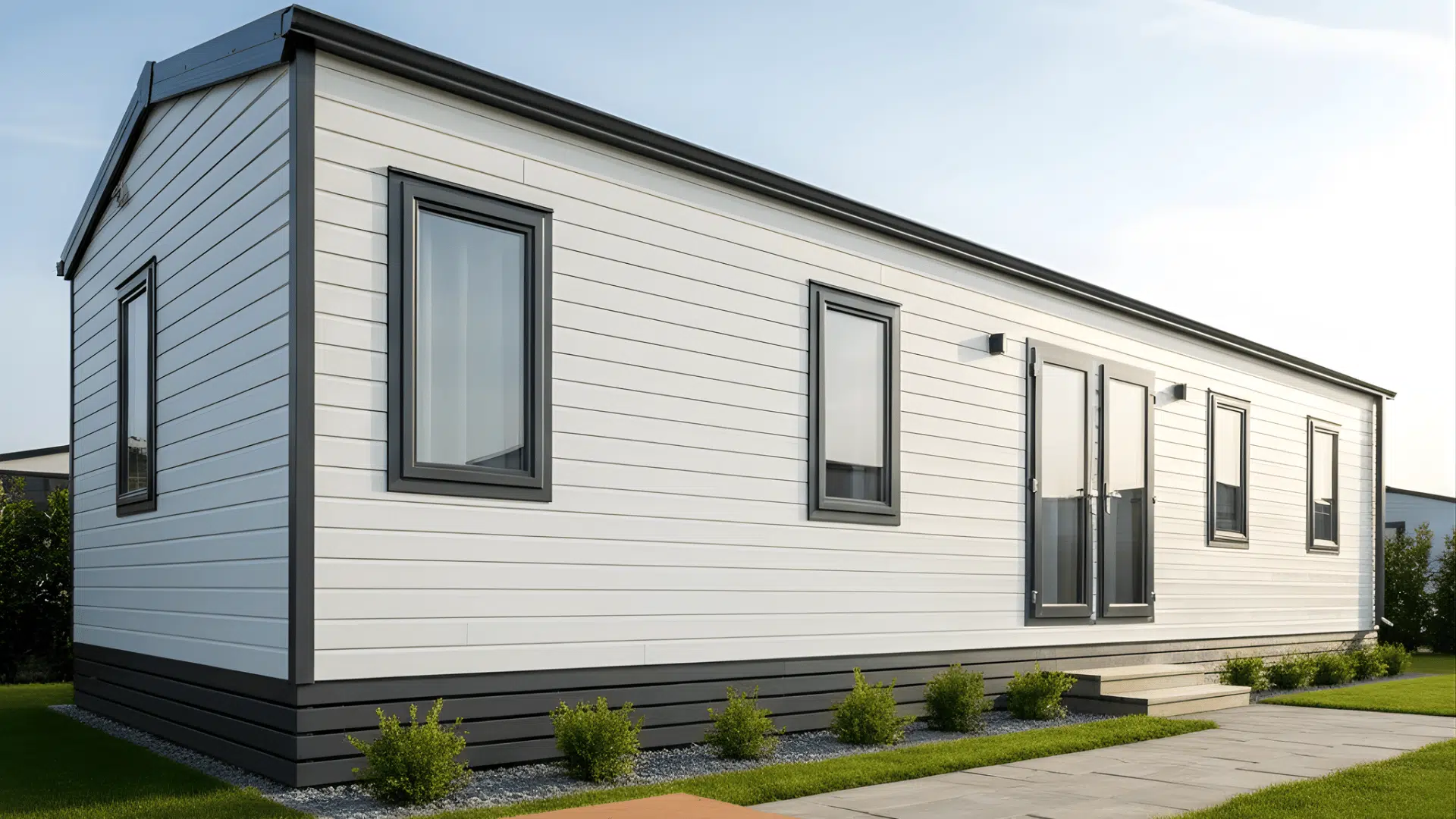
Most people assume a shed-to-house conversion is simple. Add insulation, run some wires, put in a bathroom, and you’re done.
But in reality, that’s not how it works.
A shed is built for storage, while a house is built for people. The rules, structure, and systems behind each are completely different, and that gap is where most projects run into trouble.
If you’re serious about turning a shed into a legal place to live, you need more than ideas from YouTube tours. That’s why today, I’ll help you understand zoning, structural limits, inspection standards, and the real cost drivers behind the work.
Let’s walk through it step by step.
Step 1: Confirm Your Shed Can Legally Become a Dwelling
Before you spend a dollar, you need a clear answer to one question: Is this even allowed where you live? This isn’t about whether other people have done it. It’s about how your property is classified under local law.
How Zoning Classification Determines Occupancy Eligibility
Every property sits inside a zoning category, such as residential, agricultural, or mixed-use. That zoning controls what kinds of structures can legally be used as living space.
A shed is usually classified as an accessory structure, meaning a storage, workshop, or equipment shelter. Not a dwelling. To live in it legally, the structure must be recognized as a dwelling unit under local code.
That often requires:
- Minimum square footage
- Permanent foundation
- Approved utilities
- Separate address or approved accessory dwelling unit (ADU) status
Here’s where people get tripped up. Owning the land does not automatically allow you to live in any structure on it. Zoning controls use, not ownership.
In some areas, small dwellings are allowed if they meet size and setback rules. In others, they’re flat-out prohibited. The same 12×36 shed might be legal in one county and illegal in the next.
Zoning rules don’t bend based on effort or intention. They stay fixed unless formally changed.
Accessory Structure vs. Primary Dwelling Designation
This is the hinge point. An accessory structure supports a home. A dwelling houses people. Those are different legal categories, and the difference carries real weight.
To shift from one to the other, your shed must:
- Meet the residential building code
- Pass inspection
- Receive a certificate of occupancy
Without that certificate, you may physically be living inside it, but legally, it’s still a shed. That difference shows up later when you try to sell, refinance, insure, or even respond to a complaint. A finished interior doesn’t override classification.
When Local Codes Prohibit Shed Conversions Entirely
Some municipalities prohibit detached accessory buildings from becoming living space. Period.
Common barriers include:
- Minimum dwelling size rules that exceed your shed’s footprint
- Requirements that primary homes must be site-built
- Restrictions on second dwellings on single-family lots
- Foundation standards that portable sheds can’t meet
In those cases, no amount of upgrades changes the outcome. This step is about permission, not possibility. If zoning blocks it, everything else stops here.
Step 2: Evaluate Whether the Structure Can Meet Residential Code
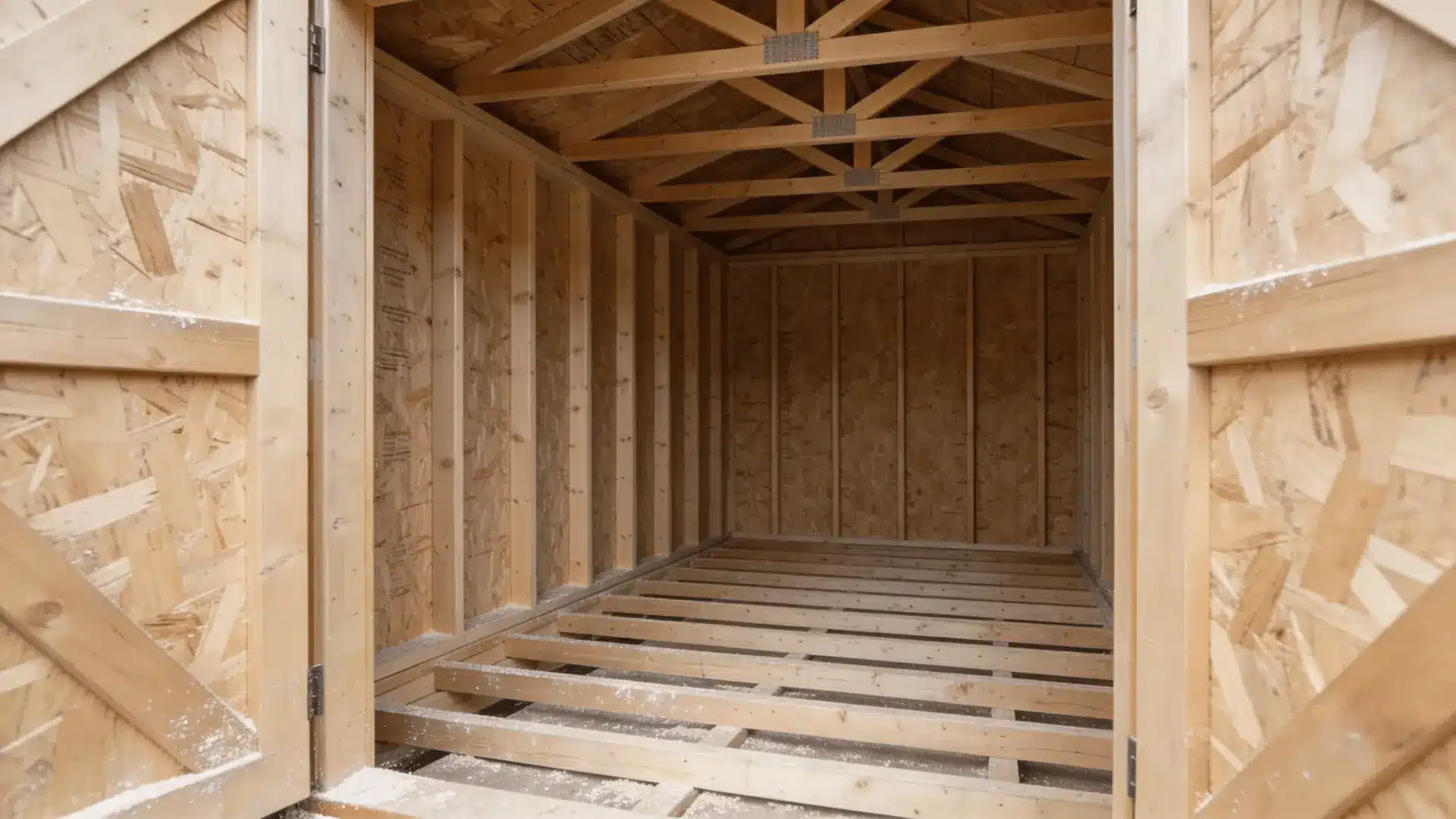
Let’s assume zoning allows it. The next question is structural. A shed isn’t engineered like a house, and the differences aren’t cosmetic; they’re built into the frame.
Foundation Requirements for Permanent Dwellings
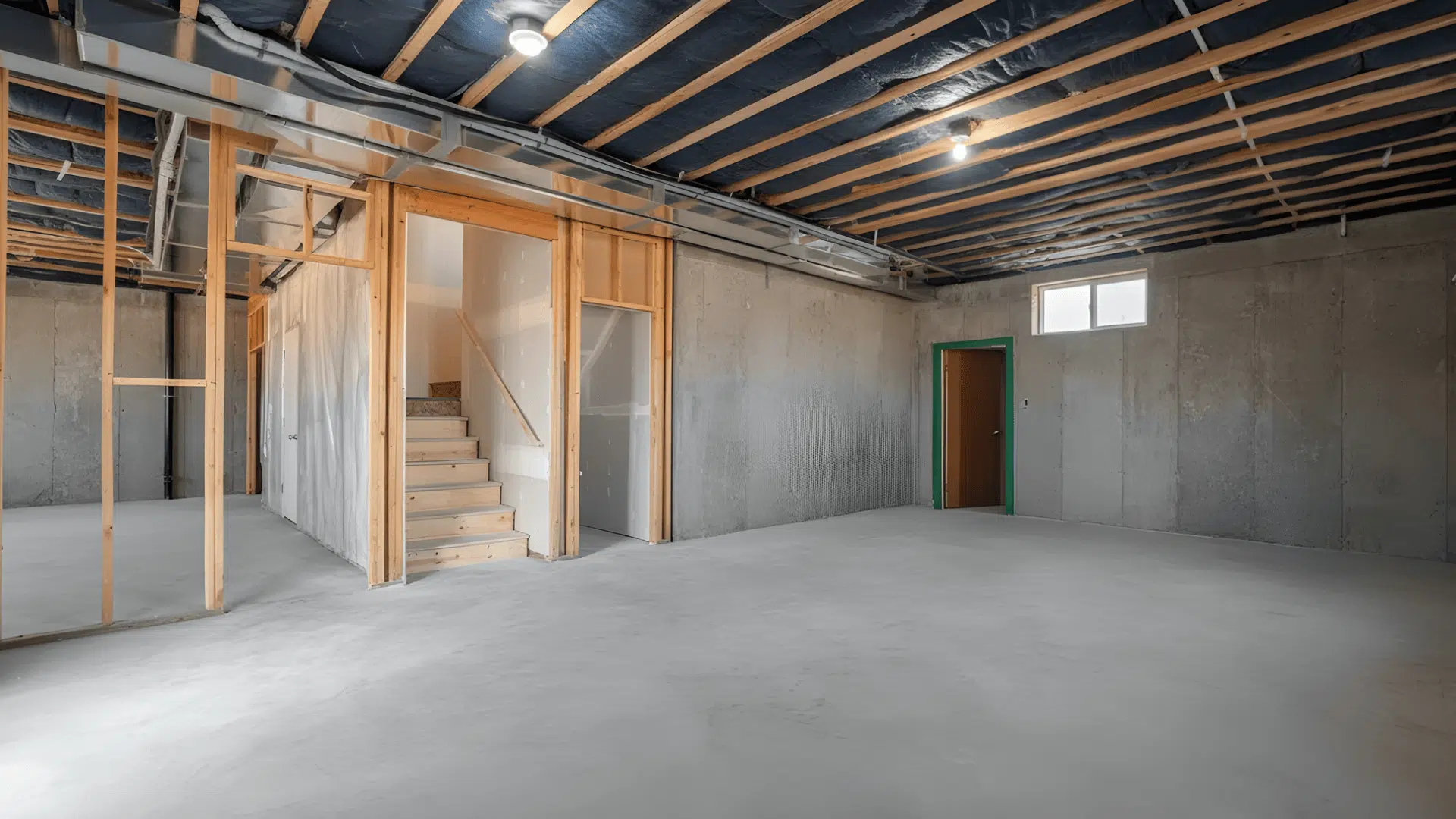
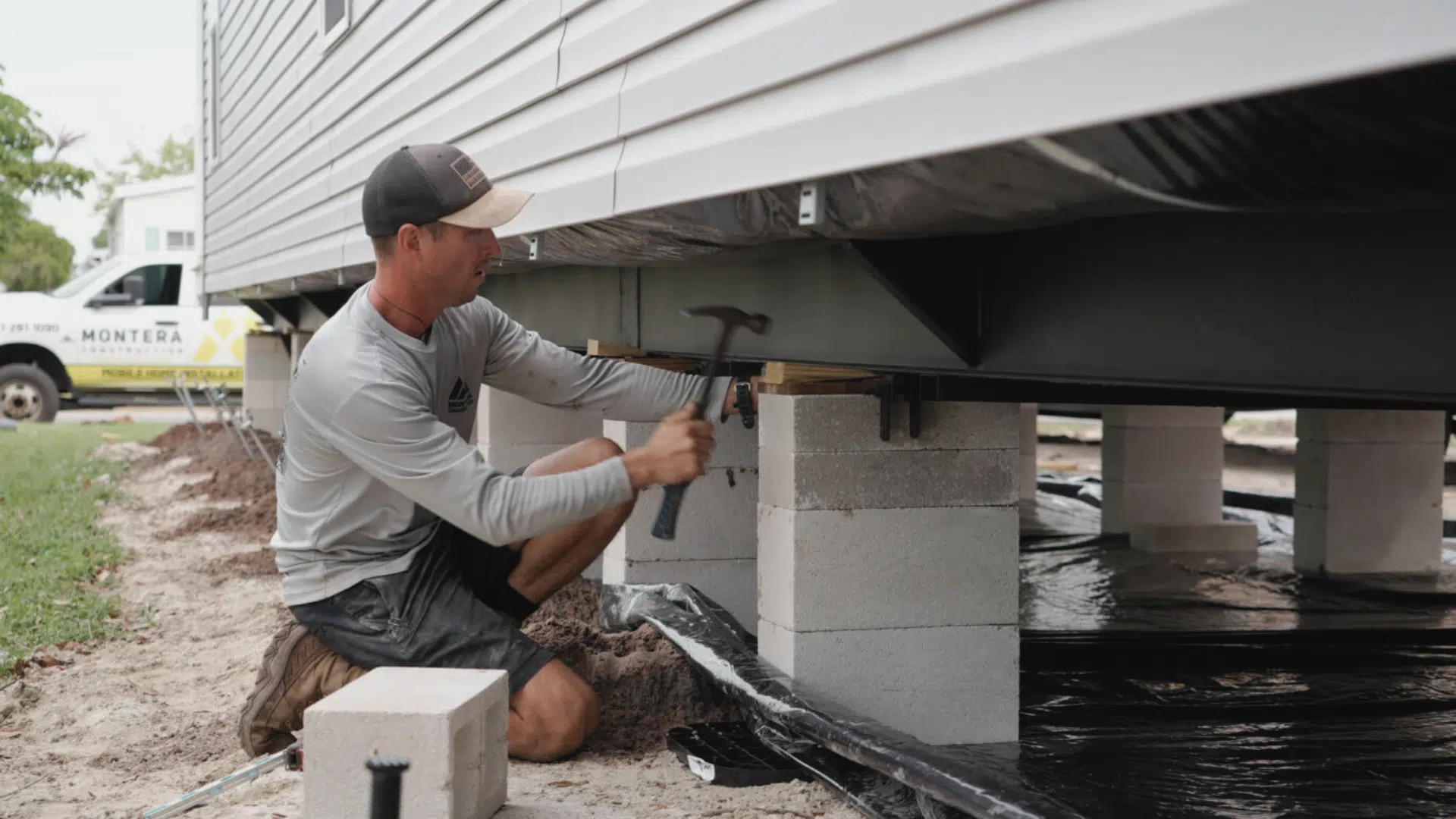
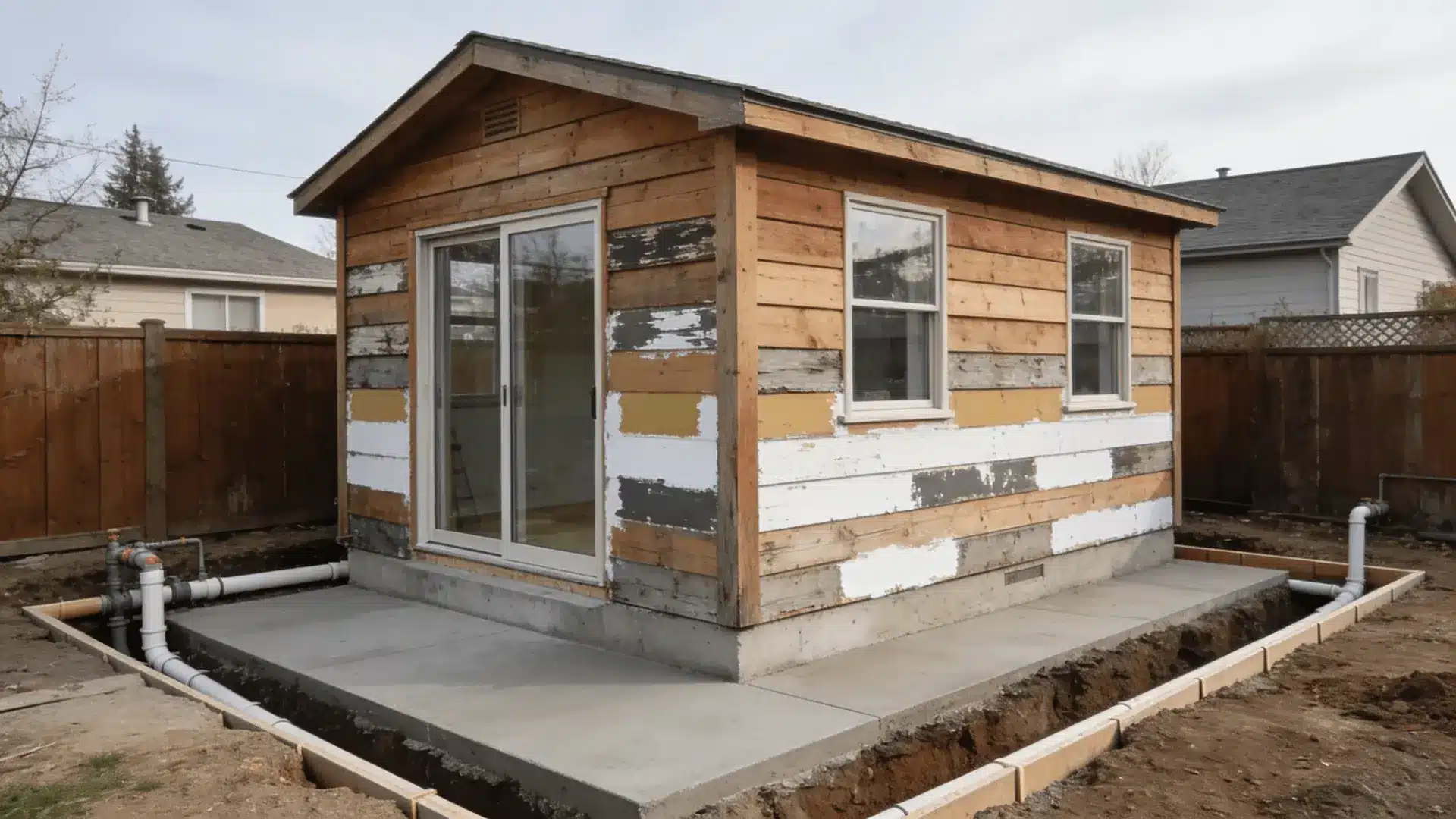
Many sheds sit on blocks, skids, or gravel pads. That works for storage, but residential code usually requires a permanent foundation, such as:
- Concrete slab
- Poured perimeter footing
- Engineered pier system approved for dwellings
Why does this matter?
Houses must resist frost movement, wind uplift, and soil shifting over time. A shed can only tolerate minor movement.
If your shed wasn’t built with a permanent foundation, you may need to lift it and pour one. That alone can reshape the budget and timeline.
Wall, Roof, and Floor Load Compliance
Storage sheds are often designed for lighter loads.
Residential code requires floors to handle higher live loads, meaning people, furniture, appliances, and movement. Roof systems must meet local snow and wind load requirements. In mild climates, that gap may be small. In areas with heavy snowfall, it can be significant.
Wall framing thickness also matters. Residential walls often require 2×4 or 2×6 framing to support insulation and structural loads. Many sheds use lighter framing.
Insulation alone does not make a wall compliant. The structure beneath it must meet load standards.
This is where “it looks solid” falls short. Inspectors look at engineering capacity, not appearance.
Egress Windows and Safety Standards
A house must allow people to escape in an emergency.
Bedrooms typically require egress windows of a minimum size. Ceiling heights must meet code. Stair geometry follows strict rules.
Shed conversions often struggle here. Loft sleeping areas, for example, may fail minimum ceiling height or stair requirements even if they feel usable day to day.
These rules exist for fire safety and rescue access. They aren’t optional.
At this stage, you’re asking whether this structure can safely house people under residential standards. If not, you’re looking at reinforcement or redesign.
Step 3: Plan Code-Compliant Utilities (Electrical, Plumbing, HVAC)
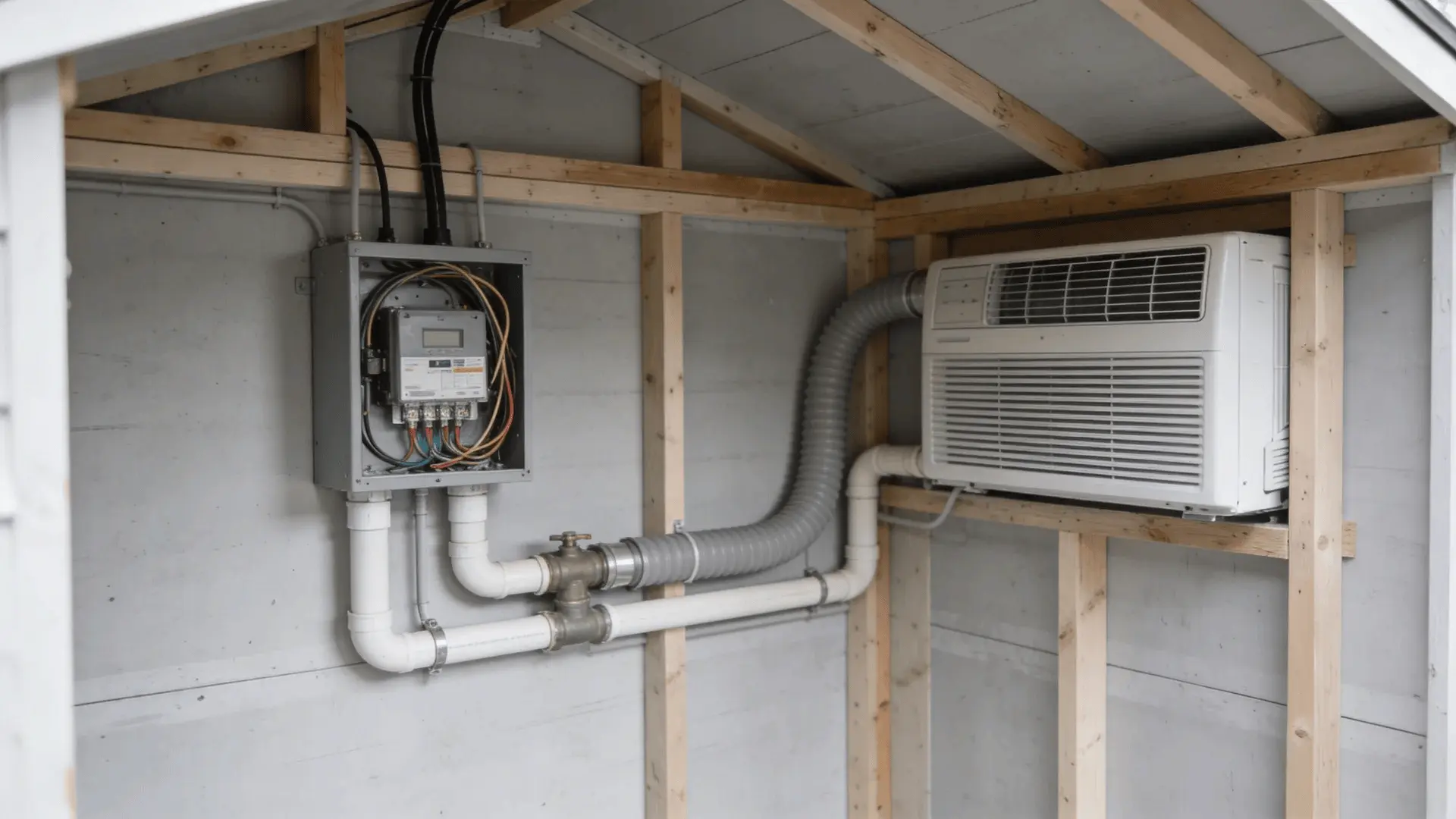
Even if the shell passes, utilities can stop the project. Adding systems isn’t the same as installing them legally.
Residential Electrical System Requirements
Running extension cords or tying into an existing panel won’t pass inspection. Residential electrical systems require:
- Proper service entrance or subpanel sized for load
- Grounding and bonding
- Approved wiring methods
- Dedicated circuits for required appliances
Panel size depends on load calculation. A small space may still require 100-amp service, depending on heating type and appliances.
DIY electrical work is where many conversions stumble. Not because it doesn’t function, but because it doesn’t meet code layout and safety requirements.
Working electricity and compliant electricity are not the same thing.
Plumbing and Sewage Compliance Standards
Water supply must be approved, either through a legal tie-in to municipal water or an approved well connection.
Drainage must connect to sewer or an approved septic system. Waste lines must maintain proper slope, and vent stacks must allow air flow for drainage.
A common mistake is tying into an existing septic system without verifying capacity. Septic systems are sized for bedroom count. Adding another dwelling can overload them.
Slope and venting issues often pass unnoticed at first, then show up later as slow drainage or backflow. Residential plumbing follows physics and regulations. Both have to be satisfied.
Heating and Ventilation Approval Requirements
Most areas require permanent heat for occupancy approval. Portable heaters rarely qualify.
Code often requires:
- Hardwired electric heat
- Mini-split system
- Approved gas heating unit
Ventilation is also regulated. Bathrooms need exhaust fans, and living areas need proper air exchange. Heating isn’t just about comfort. It prevents moisture buildup and long-term structural damage.
Without approved heating, you may not receive a certificate of occupancy.
Step 4: Understand the Real Cost Drivers Before You Build
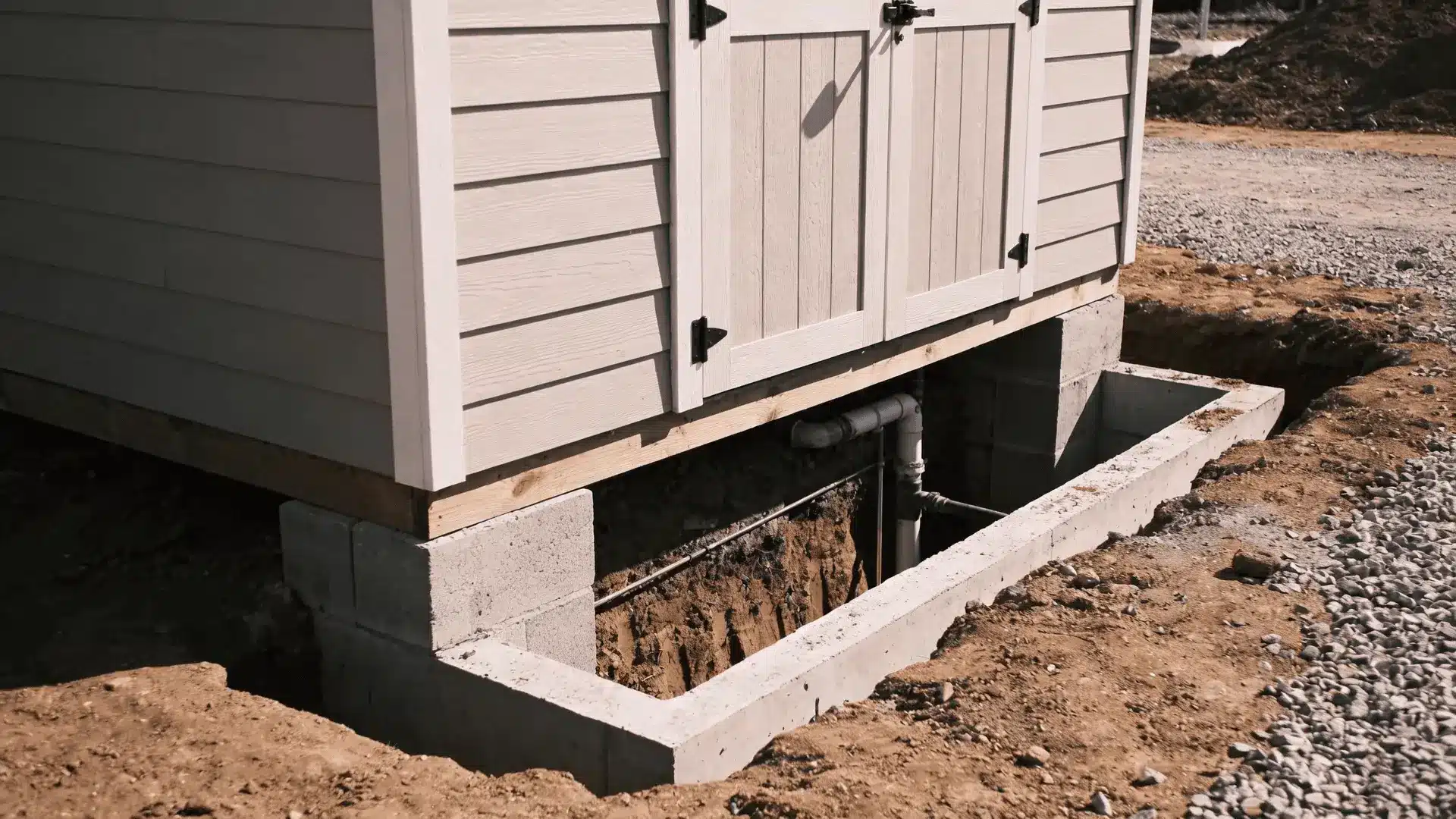
You’ll often see broad ranges for a shed conversion. Those numbers aren’t wrong, but they hide what actually drives cost. Cost isn’t random. It follows structural and compliance demands.
Here’s what a typical shed-to-house conversion costs in the United States, depending on scope and compliance level:
| Project Level | Typical Total Cost (USA) | What That Usually Includes |
|---|---|---|
| Low-End (Mostly DIY) | $5,000–$15,000 | Basic insulation, simple finishes, limited utility work, minimal structural upgrades |
| Mid-Range (Most Common) | $15,000–$50,000 | Permanent foundation, code-compliant electrical and plumbing, insulation, interior build-out |
| High-End (Full Professional Build) | $50,000–$60,000+ | Major structural reinforcement, full utility installation, permits, inspections, higher-end finishes |
Structural Compliance Expenses
Reinforcing framing, upgrading the roof structure, and installing a permanent foundation can account for a large share of the budget.
If your shed already meets load standards and sits on an approved foundation, costs drop. If not, they climb quickly.
Structural upgrades aren’t cosmetic. They’re engineering corrections.
Utility Installation and Infrastructure Costs
Running water, sewer, and electrical service is often more expensive than interior finishes.
Distance matters. The farther the shed sits from existing utility connections, the more trenching and material you need.
Septic expansion, new service panels, and inspections add layers of cost many people don’t plan for.
Cabinets and flooring are visible. Infrastructure isn’t. Yet infrastructure usually costs more.
Permit, Inspection, and Regional Cost Variables
Permit fees vary widely by location. Some jurisdictions require engineered drawings. Others require multiple inspections at each stage.
Regional labor rates also matter. A simple electrical install in one area can cost double in another.
There’s also a crossover point. If structural and infrastructure upgrades approach the cost of building new, converting may no longer make financial sense.
Cost differences are driven by code gaps, not decoration choices.
Step 5: Avoid the Most Common Inspection Failures
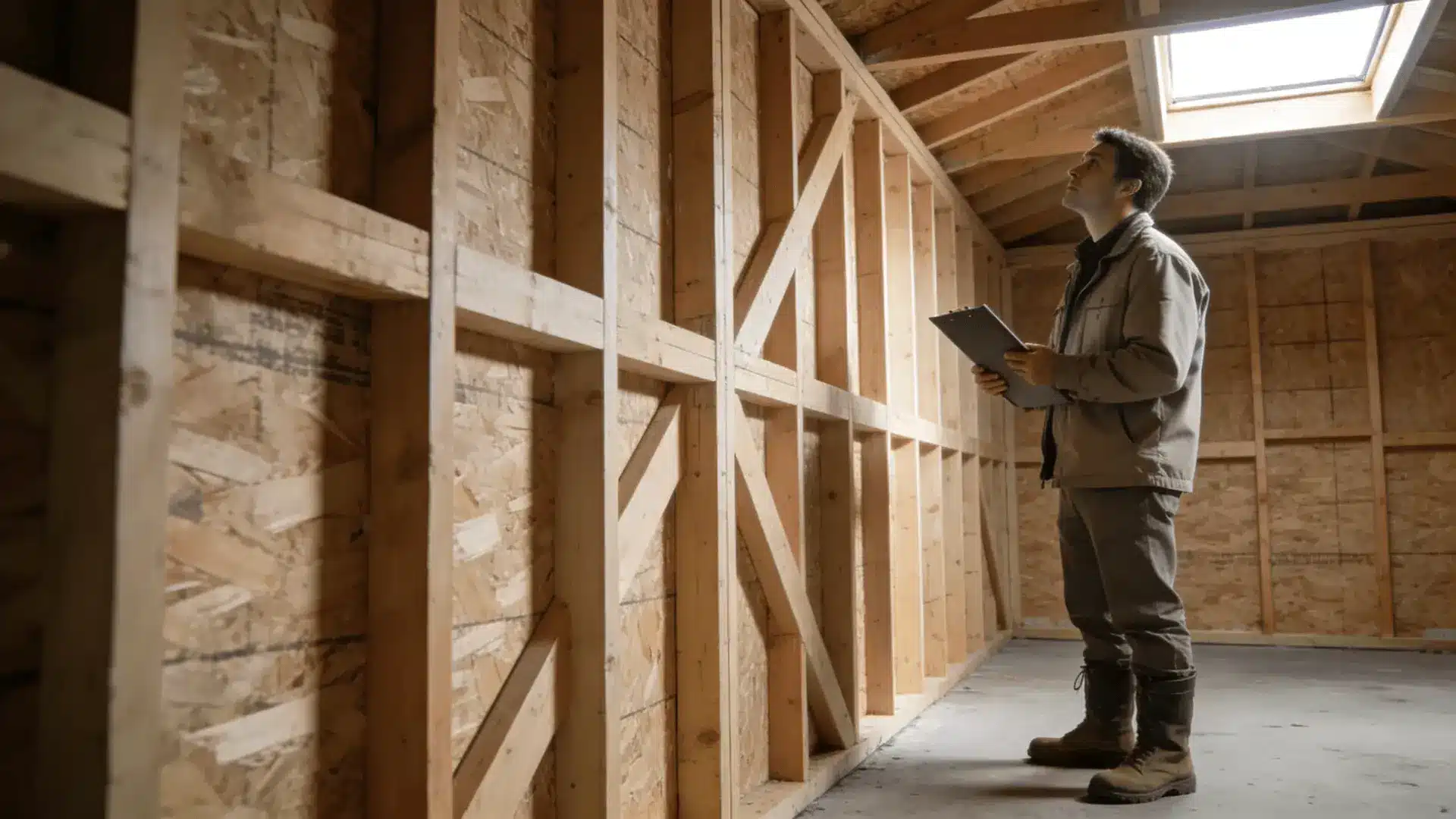
Inspection failure isn’t rare in shed conversions. It usually comes down to overlooked compliance details.
Structural Non-Compliance Examples
Common structural rejections include:
- Undersized floor joists
- Roof systems not rated for local snow load
- Inadequate foundation anchoring
- Improper wall framing spacing
These issues may not be visible after drywall, but inspectors often review framing before interior finish. A structure can feel sturdy and still fail load requirements.
Utility Code Violations that Trigger Rejection
Electrical failures often involve:
- Improper grounding
- Overloaded circuits
- Missing GFCI or AFCI protection
Plumbing failures often involve:
- Incorrect venting
- Improper waste slope
- Unapproved septic tie-ins
These systems can function day to day and still violate code. The contrast is clear. “Working” does not equal “approved.”
Zoning and Occupancy Missteps
Some projects fail at the end because occupancy approval was never formally secured.
You may complete the build yet never receive a certificate of occupancy. Without it, the structure remains legally non-habitable. This often happens when people assume upgrades automatically convert classification.
Paperwork and inspection approval are part of the build, not something to circle back to later.
Step 6: Decide Whether Converting a Shed is Actually the Smartest Path
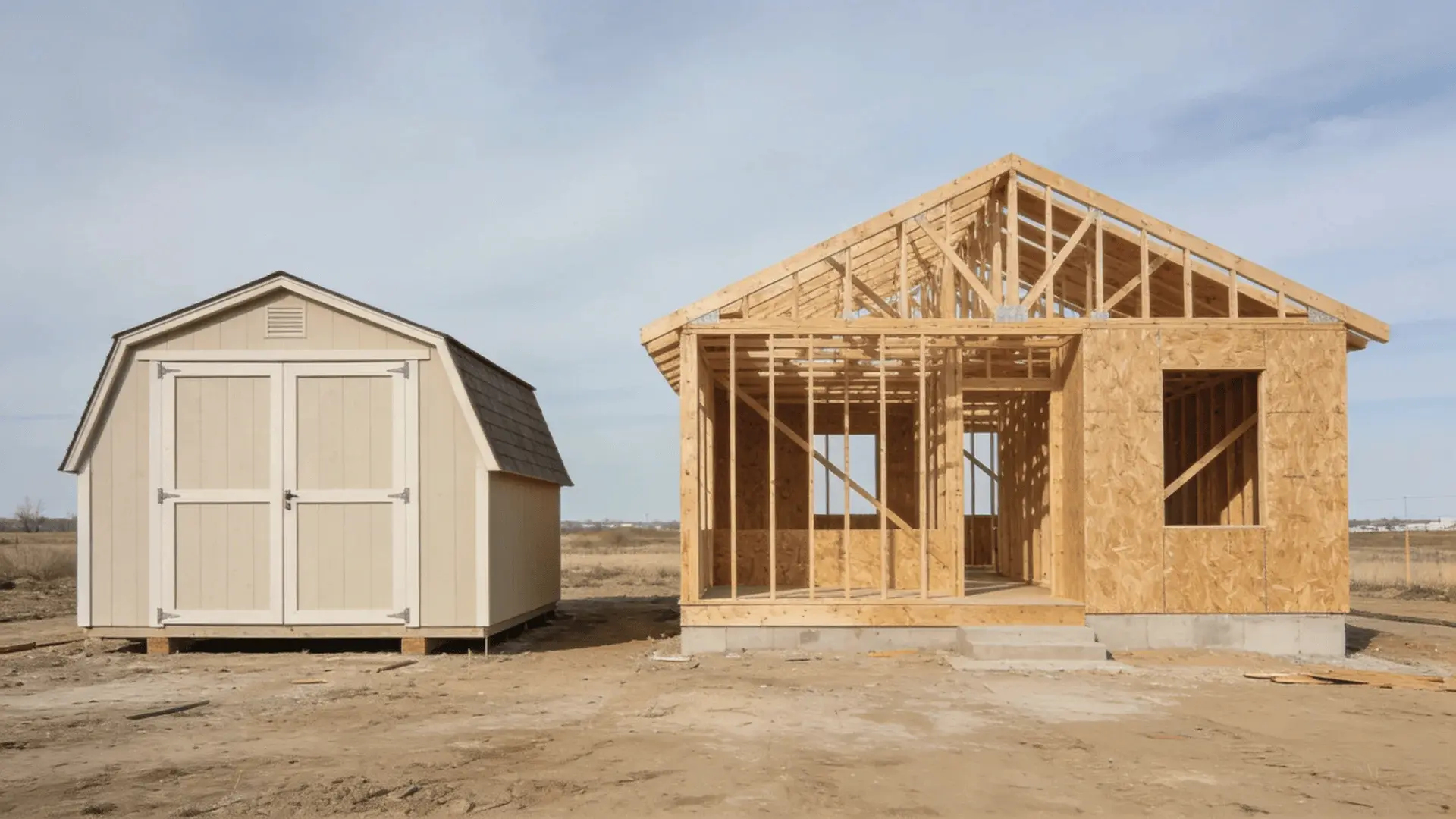
At this point, you understand legality, structure, utilities, and cost. Now comes the bigger question: Is this really the right path?
When Starting with A Shed Makes Financial Sense
Conversion makes sense when:
- Zoning clearly allows it
- The structure already meets or nearly meets residential framing standards
- Utility connections are close and simple
- Foundation upgrades are minimal
In these cases, you’re modifying rather than rebuilding.
When Building from Scratch is More Efficient
If you must replace the foundation, reinforce framing, upgrade the roof, and run full new utilities, you may be rebuilding most of the structure anyway.
Starting fresh allows you to design directly to residential code instead of correcting a storage building.
In some regions, new builds qualify more easily for financing and appraisal.
The idea that “a shed is cheaper” isn’t always true. It depends on how far it sits from compliance.
Long-Term Structural and Resale Considerations
A purpose-built small home often carries clearer resale value. A converted shed can raise appraisal questions if the documentation is incomplete.
Durability also matters. If the original structure wasn’t designed for long-term occupancy loads, maintenance demands may increase over time.
This decision isn’t emotional. It’s structural and financial.
Wrapping Up
A shed-to-house conversion can work. But it works when it follows rules, not shortcuts.
The real shift is mental. You’re not just finishing a shed. You’re converting a storage structure into a legally recognized dwelling, which means zoning approval, structural compliance, code-level utilities, and inspection clearance.
Once you see it that way, decisions become clearer. You measure your shed against real standards instead of hope.
If you’re considering this path, start with zoning and structural review. Get clarity first, then build forward with confidence.
Frequently Asked Questions
How much does it cost to turn a shed into a home?
Costs vary widely based on foundation upgrades, utility distance, and code requirements. Structural and infrastructure work usually drive the budget more than interior finishes.
Is it legal to live in a shed on your property?
Only if the structure is approved as a dwelling and receives a certificate of occupancy. Ownership alone does not grant legal residential use.
What permits are required for a shed conversion?
Most areas require building permits, electrical permits, plumbing permits, and final occupancy approval. Requirements vary by jurisdiction.
Do shed conversions pass inspection?
They can, but only if structural, utility, and zoning requirements are fully met. Many projects fail due to load, wiring, or classification issues.