Don’t want to keep throwing good money after bad?
It happens to every homeowner eventually. Your roof starts leaking. Your HVAC system shuts off. Pipes burst throughout the house. You don’t know what to do.
But ultimately you’re faced with one of the biggest questions about your home:
Should you repair it… or replace it entirely?
Choosing incorrectly can cost you thousands. Done correctly, you save money, time and headaches in the future.
Thing is…
Deciding whether to repair damage to your roof, HVAC system or another major home component doesn’t have to be difficult. You just need to know what to look for.
Let’s dig in.
What you’ll learn:
- When repairs make sense
- When replacement is the only answer
- Roof damage repair: replace or restore?
- HVAC: the 50% rule you should know
- How To Decide between Repair or Replace
When Repairing Your Property Makes Sense
Repair is usually the homeowner’s first instinct. It’s the easy solution.
Simple repairs cost less money. They’re quicker. And if the issue is isolated, you can extend the life of a system with plenty of life left in it.
Repairs usually make sense when:
- The system is fairly new (under 50% of its lifespan)
- Damage is localized to a small area
- Repair costs are less than 30% of replacement costs
- You haven’t had repeated problems
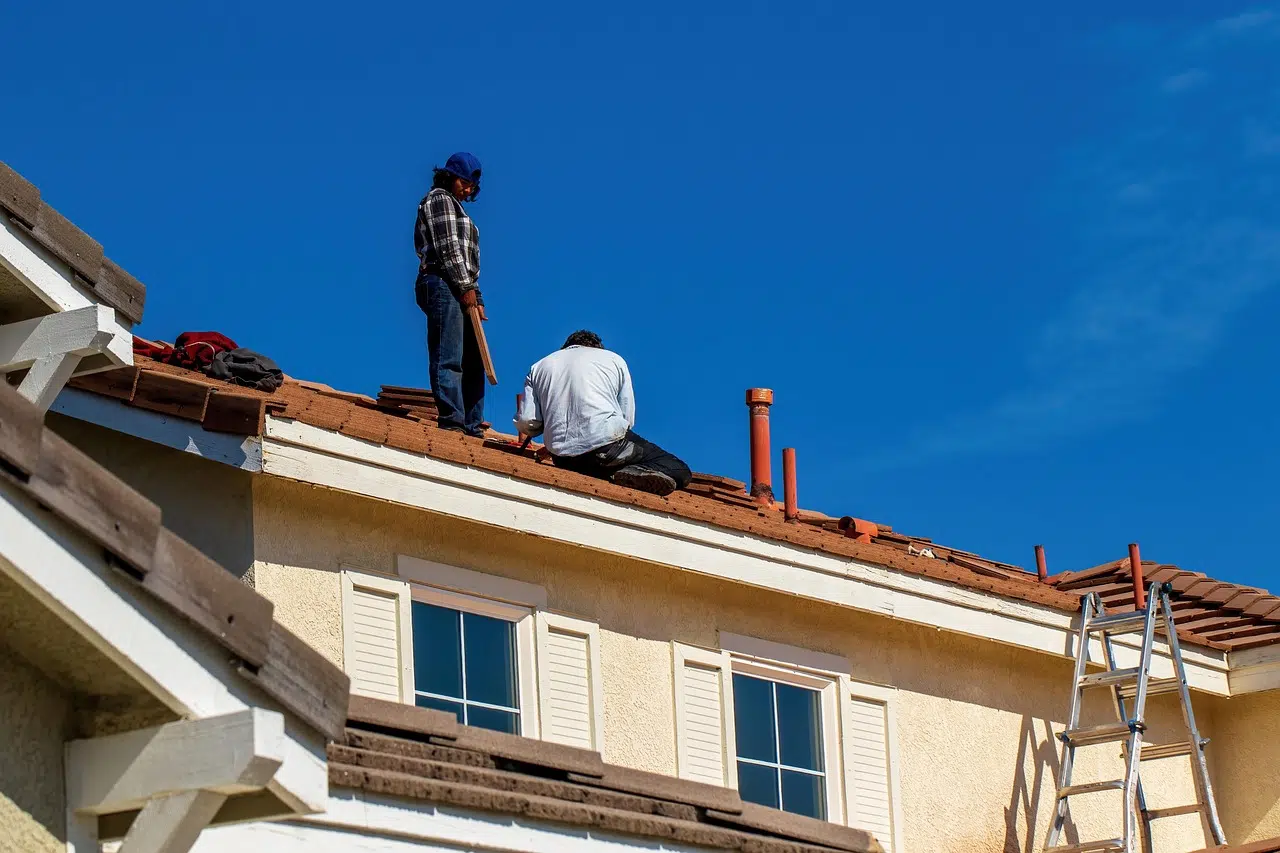
A professional Roof Repair in Lacey can handle roof damage restoration after a storm without needing a full replacement. Patching shingles is an inexpensive repair that saves your entire roof. As long as there’s no widespread damage.
The problem comes when you keep repairing the same system over and over again.
“Sure, it’ll be $200 this time,” you think. “But what if it gets worse?”
Next thing you know… years of repairs have added up to more than a replacement would have cost.
When Replacement is the ONLY Answer
Make no mistake. Sometimes replacement is the best option.
Cases where replacement makes more sense:
- The system has lived past 75% of its expected lifespan
- Repair costs have been recurring (twice per year or more)
- Energy bills are increasing for no reason
- Damage is spread out, instead of localized
Roof repair and replacement costs totaled nearly $31 billion USD in 2024 alone according to Fixr.com. That’s a 30% increase over the two previous years. What gives?
Millions of Americans are finally replacing their roofs. Not because they want to, but because they’re forced to after years of “minor” repairs.
Don’t be that person.
Address small problems sooner rather than later.
Roof Damage Restoration: Repair or Replace?
Ah… the roof. The single most expensive component of any residential building.
That’s why getting this one right is so important.
Roofs generally last 20-50 years. Some elements like asphalt shingles are on the low-end of that range. Steel roofs have long lifespans in the upper-end.
Consider these things when evaluating a roof:
- Age. If it’s getting up there… think replacement.
- Storm damage vs. normal wear and tear. Repair the roof if damage is localized from a storm. Consider replacing if there’s widespread wear and tear.
- Leaks. 33% of homeowners replace their roof due to leaks. If you have a leak that keeps coming back… there could be structural damage underneath.
- Sagging. This is NEVER normal. If your roof is starting to sag, it’s time to replace.
Repair vs. replace when it comes to your roof can lean heavily on restoration if the damage is recent and limited. Otherwise, a whole new roof will save money and protect your home in the long-term.
HVAC: A Simple Rule of Thumb
Heating and cooling systems are another large ticket item homeowners usually take pretty seriously.
Depending on the complexity, replacing your HVAC system can cost anywhere from $5k to $12,500.
That’s why there’s a simple rule of thumb when it comes to HVAC repair vs. replacement.
If a repair will cost more than 50% of your entire HVAC system’s value OR it’s more than 12-15 years old… REPLACE IT.
This rule is commonly known as the 50% rule.
Why does it work?
Simple. Older HVAC units are inefficient by design. New tech is always more efficient than old tech.
Even if you successfully repair an older HVAC system, it’s still going to cost you more on your monthly energy bill.
Other tell-tale signs it’s time for a new HVAC system:
- Rooms that don’t reach desired temperature when heating or cooling
- Odd noises coming from vents or the HVAC system itself
- Heating or cooling takes longer than normal
- Increases in your monthly energy bill
- HVAC still runs old R-22 refrigerant
Another thing about energy costs and heating/cooling.
You know how most houses have their furnace and air-conditioning located in the same spot?
That’s because HVAC makes up OVER 50% of the energy usage in your home. Think about that.
Replace that old HVAC system and you could save more than half of what you’re spending every month on utilities.
Not only will you spend less… but your new HVAC system will pay for itself over time.
How To Know For Sure
Still not sure what to do?
Here’s an easy decision tree that works for roofing, HVAC systems, plumbing and just about every major home system out there.
Ask yourself these five questions whenever you’re unsure:
- How old is it? If it’s closer to the end of its expected lifespan, lean towards replacement.
- How often has it needed repairs? Frequent repairs = bad. Maybe say goodbye.
- How much will repair cost vs. replacement? If repair costs more than 30-50% of replacement… just do it already.
- Is damage localized or widespread? Small problem = repair. Big problem = replace.
- How high are your energy bills? Older systems run less efficiently than newer ones. If your bill is high, you may save enough on energy with a new system to cover the cost.
This simple process eliminates any emotion from your decision. Straight facts and numbers.
Bringing It All Together
Repair vs. Replace.
These are two decisions every homeowner will face at one time or another.
Roof damage restoration after that crazy storm. Faulty furnace that just won’t hold a steady temperature. Burst pipe in the kitchen.
The rules are the same no matter what component of your home is causing issues.
Age
Cost
Frequency of repairs
Extent of damage.
Figure those four things out and you’ll know exactly what to do.
Quick refresher:
- Repair when systems are young, problem is small, and repair costs are low
- Replace when systems are old, repairs are frequent, and damage is widespread
- Use the 50% rule for HVAC systems
- Pay attention to red flags like repeated leaks, sagging ceilings, and high energy bills
- Always get a professional opinion before making your final decision
Don’t make the minor repair that turns into a complete replacement down the road.
Stay vigilant, catch problems early, and make the informed decision.