Most people looking into dropshipping niches are hoping to find a clear winner they can plug into and scale.
What usually happens instead is they bounce between trend lists, YouTube rankings, and Reddit threads that all say slightly different things.
I’ve watched people jump into a hot niche only to realize the margins were thin, ad costs were brutal, or returns wiped out what looked like easy gains. The real question is not what is popular. It is what is structurally profitable and able to hold up under pressure.
Let’s start with the niches that make sense for this year. Then we’ll unpack why they work, and where they quietly break down.
The Most Profitable Dropshipping Niches for 2026
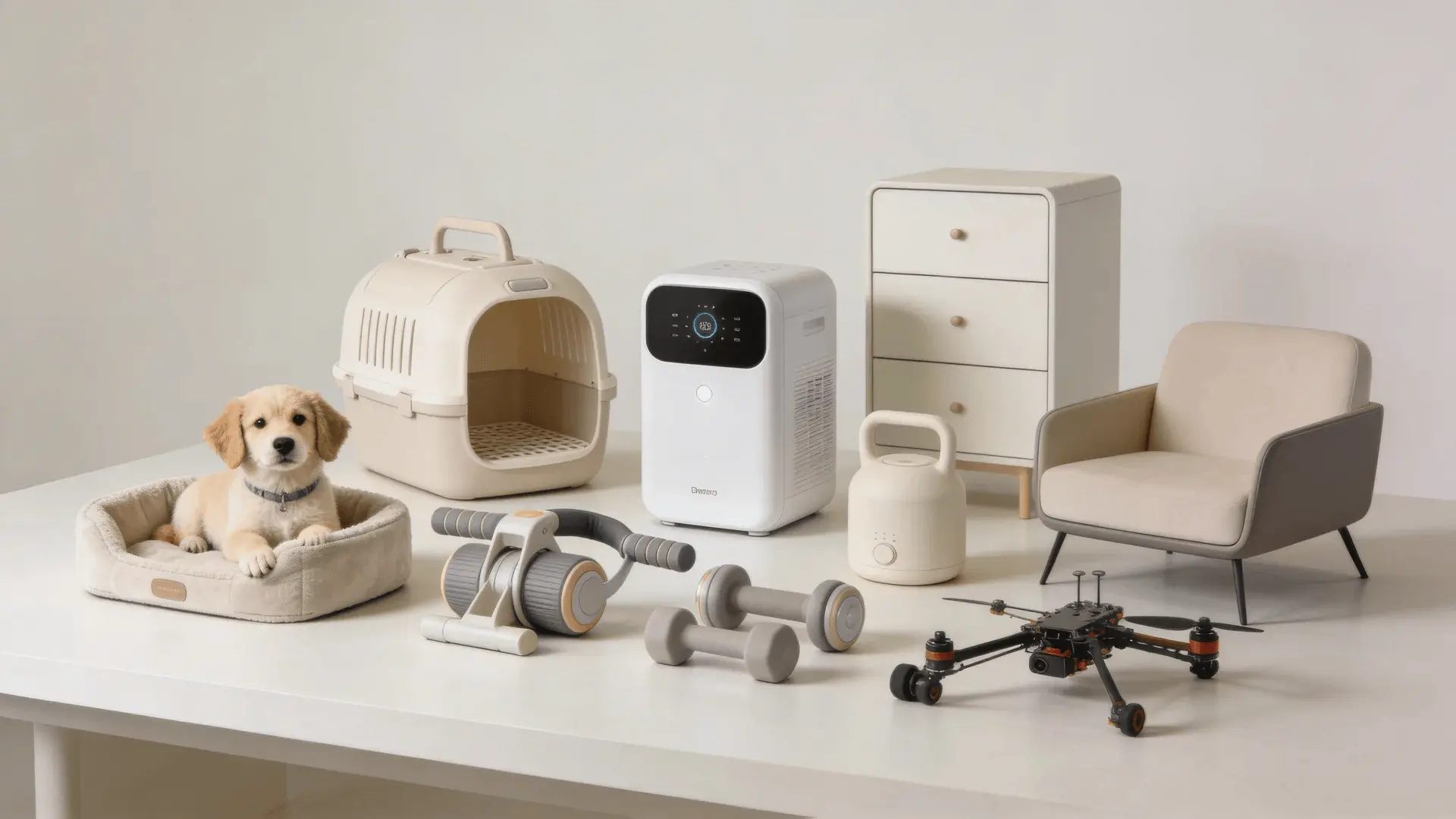
Below are niche categories with strong structural potential. Each one works for different reasons, and each carries its own risks:
1. Pet Products

Pet products stay strong because spending here is emotional.
When someone buys for their dog or cat, they are not thinking like a strict bargain hunter. They are thinking like a caregiver. That emotional identity lowers price sensitivity and often increases repeat purchases. Food accessories, grooming tools, toys, and comfort items can create steady ongoing demand.
The mechanism looks like this:
Emotional bond → willingness to spend → repeat purchase behavior → stronger lifetime value.
Margins are usually healthier in unique or specialized products. Generic pet bowls compete on price. Niche items, like anxiety-reducing beds or breed-specific gear, can hold higher markups because they feel tailored to a real need.
Variability matters. Small accessories carry low shipping risk and low return rates. Large or size-sensitive items increase refund exposure. If sizing or durability is unclear, returns rise quickly.
Not all pet products are profitable. Commoditized items in crowded markets often turn into ad-cost battles with shrinking margins.
2. Health & Wellness

Health and wellness are driven by pain or improvement goals. People buy because they want relief, better performance, or visible change.
Pain-driven demand is powerful. When someone wants to fix posture, lose weight, or improve sleep, urgency goes up. That urgency supports higher pricing compared to purely “fun” products.
But this niche carries real risk. Supplements can create compliance and refund issues. Fitness gear can be bulky and expensive to ship. Expectations are high, and if results are unclear or slow, return rates climb.
Mechanism:
Personal pain → urgency to solve → higher willingness to try → higher refund risk if expectations fail.
There is contrast inside this niche. Small wellness accessories are lower risk and easier to ship. Large equipment brings higher revenue per sale but concentrates refund exposure in fewer transactions.
The mistake is assuming “health sells itself.” It sells when expectations are realistic and the offer matches the actual problem being solved.
3. Smart Home & Tech Accessories
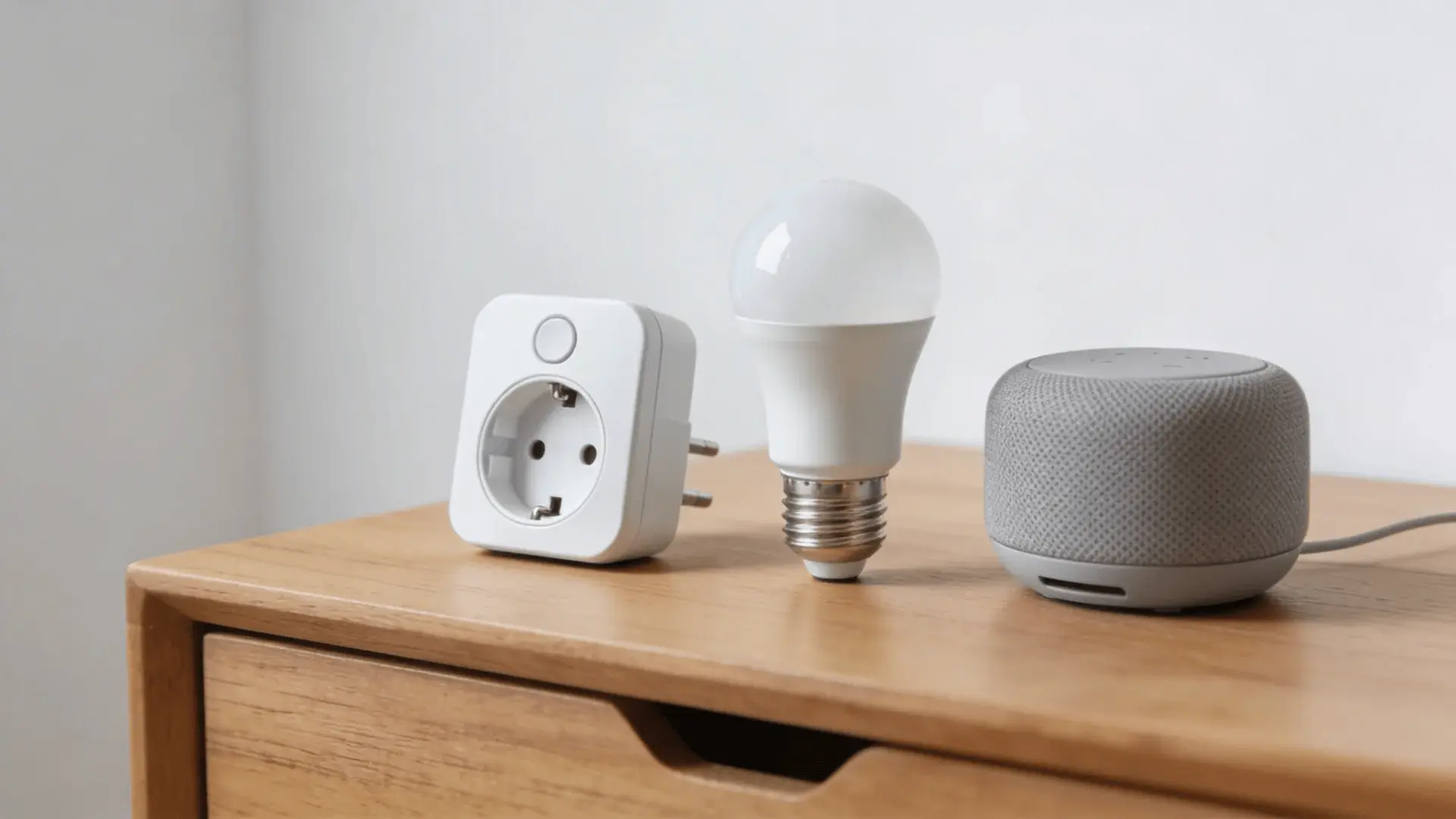
Smart home devices and tech accessories attract buyers because of perceived value. Tech feels modern, useful, and efficient. That perception supports higher pricing.
At the same time, tech carries obsolescence risk. A trending gadget can fade fast. Warranty expectations are higher, and defect rates can be unpredictable. If products fail, refund and chargeback rates increase.
Mechanism:
Perceived innovation → higher price tolerance → stronger initial margins → higher post-sale support burden.
Variability is strong here. Simple accessories like mounts or cable organizers have lower risk. Complex electronics carry higher defect rates and more support questions.
Thinking that high perceived value equals long-term stability is way off reality. Tech moves quickly, and margin erosion often follows once competitors flood the market.
4. Select High-Ticket Home & Furniture

High-ticket home products, like adjustable beds or specialty furniture, generate large revenue per order. One sale can equal ten smaller sales.
That creates a higher contribution per transaction. You can afford a higher customer acquisition cost because your gross margin per order is larger.
But risk becomes concentrated. If one $1,500 order is refunded, the financial hit is much heavier than a $40 return.
Mechanism:
High price → higher gross profit per order → greater CAC tolerance → higher refund concentration risk.
Shipping complexity matters here. Damage in transit can erase profits quickly. Cash flow timing also becomes critical, especially if payment processors hold larger transactions.
The mistake is assuming a higher price automatically means easier profit. It increases both the upside and the downside.
5. Hobby & Passion-Based Markets
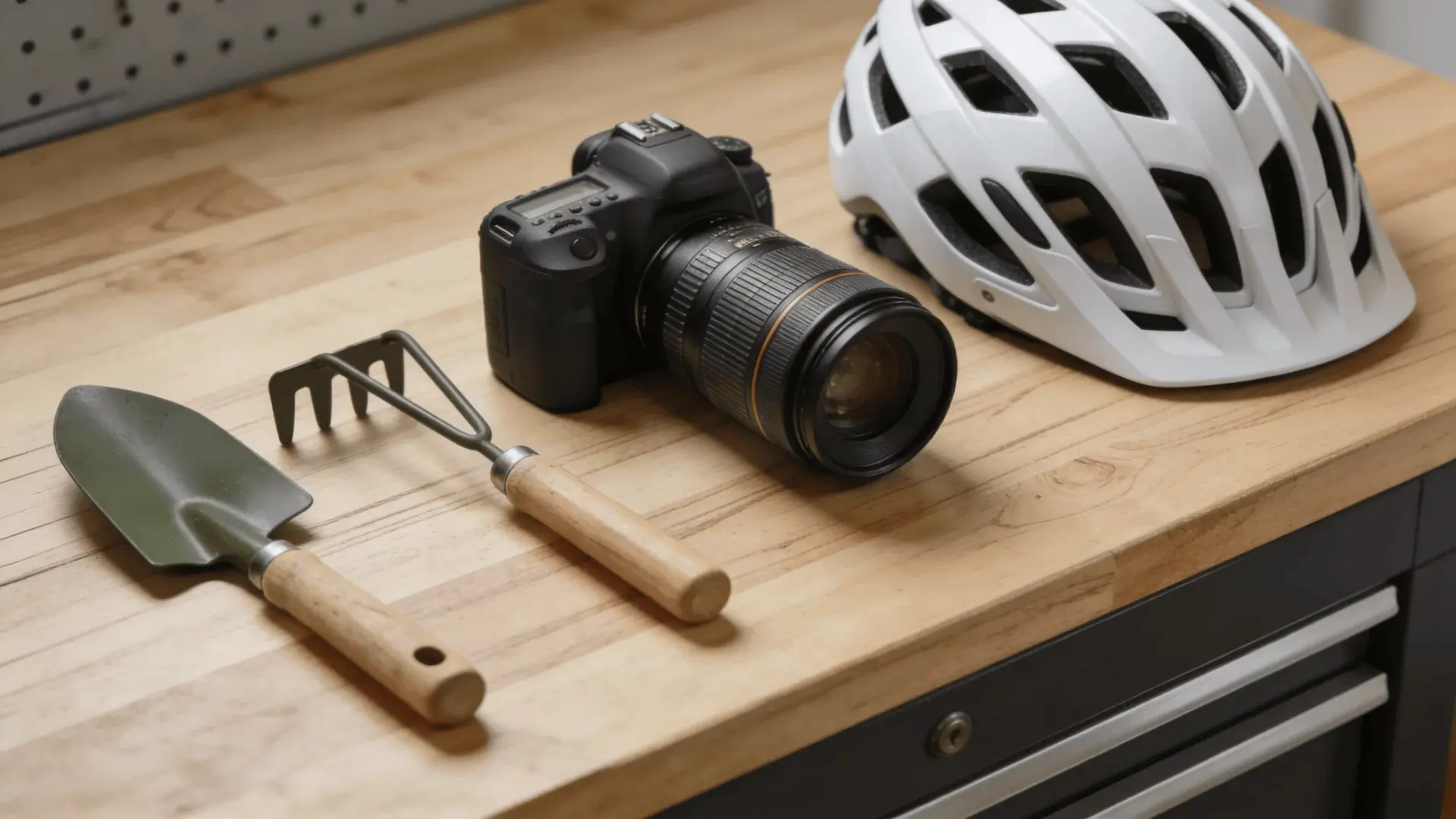
Hobby niches often outperform generic markets because identity is involved. A cyclist, gamer, or gardener does not just buy products. They buy gear that reflects who they are.
Identity-driven markets increase repeat purchase behavior. Communities can also reduce acquisition cost because targeted messaging resonates more deeply than broad, generic ads.
Mechanism:
Shared identity → targeted messaging → stronger conversion → repeat purchases.
Brand defensibility grows in these markets. Generic products compete mostly on price. Identity-based brands compete on belonging and fit within a specific subculture.
The limitation is that passion markets still demand real value. If quality is weak, community backlash spreads quickly.
Keep in mind that passion alone does not guarantee loyalty. Loyalty follows consistent performance and trust.
What Actually Makes a Niche Profitable Beyond “High Demand”
High demand is only the starting point. Profit depends on contribution margin, which is the money left after product cost, shipping, payment fees, and ad spend.
If a product sells for $50 but costs $35 all-in before ads, your margin window is narrow. If it sells for $50 and costs $20, you have room to test and absorb variability.
Shipping-to-price ratio matters more than most beginners expect. A $20 product with $12 shipping destroys margin. A $200 product with $20 shipping is far more manageable.
Customer acquisition cost tolerance is critical. Higher-margin niches can survive higher ad bids. Low-margin niches collapse when ad auctions heat up.
Repeat purchase potential changes the math. If customers buy once and disappear, you depend fully on ads. If they buy again, lifetime value increases and ad costs become easier to justify.
Return risk exposure must be considered early. Apparel and size-sensitive items often have higher return rates. Fragile or complex products increase refund risk.
The misunderstanding is thinking search volume equals profitability. Demand without a margin structure leads to stress, not sustainable growth.
High-Ticket vs. Low-Ticket Dropshipping: Where the Real Profit Comes From
High-ticket models focus on fewer sales with larger revenue per order. Low-ticket models depend on volume.
With high-ticket products, gross profit per sale is higher. That allows a higher customer acquisition cost ceiling, meaning you can spend more to acquire one buyer and still stay profitable.
But conversion friction rises with price. Buyers think longer. Trust becomes more important. Refund concentration risk is also higher.
With low-ticket products, conversion is usually easier because the decision feels smaller. However, ad costs per purchase must stay low since margins are thinner per order.
Cash flow behaves differently as well. High-ticket stores may wait longer for payouts or face payment holds. Low-ticket stores process more frequent but smaller transactions, spreading risk out.
The contrast is simple:
- High-ticket: higher upside per sale, higher downside per mistake.
- Low-ticket: lower upside per sale, lower individual risk, but stronger margin pressure from ad costs.
Neither model is automatically better. Profit depends on how well the structure fits your tolerance for risk and variability.
Evergreen vs. Trending Niches: Stability, Volatility, and Margin Erosion
Evergreen niches, such as pets or basic wellness, show steady demand year-round. They rarely spike dramatically, but they also do not disappear overnight.
Trending niches rise quickly. Social media attention can create sudden sales surges. But trend lifecycle compression means what is hot today may fade within months.
When a trend takes off, suppliers rush in, and new sellers pile on. As competition grows, ad auction costs climb, and margins start to shrink.
Mechanism: Trend spike → seller influx → ad competition increase → margin erosion.
Evergreen markets still face competition, but the demand base remains stable. Growth is slower, yet often more predictable.
The mistake is assuming trend growth equals safe growth. Fast growth usually brings fast saturation.
Why Passion-Driven Niches Often Outperform Generic Markets
When buyers see themselves as part of a group, spending patterns shift.
A casual shopper compares prices. A hobbyist compares features, fit, and relevance. Price sensitivity drops when the product aligns with identity.
Community targeting improves ad efficiency. Messaging that speaks directly to shared interests reduces wasted impressions and improves conversion.
Mechanism: Shared identity → targeted messaging → stronger conversion → repeat purchases.
Brand defensibility increases as well. Generic products compete mostly on price. Identity-based brands compete on belonging and specificity.
The limitation is clear. Passion markets still require consistent quality. If expectations are not met, word spreads quickly.
The misunderstanding is believing passion guarantees loyalty. Loyalty is earned through reliability and value.
How to Evaluate Any Dropshipping Niche Before You Commit
Before committing, walk through a structured filter.
First, separate demand from buyer intent. Search interest may reflect curiosity, not purchase readiness. Look for signals that people are prepared to buy, not just browse.
Second, simulate margin. Estimate product cost, shipping, payment fees, and a realistic ad cost per acquisition. If the remaining margin is thin, growth will feel tight and stressful.
Third, analyze shipping risk. Is the product fragile, oversized, or prone to damage? Complexity increases refund probability.
Fourth, examine competition structure. Are products highly differentiated, or nearly identical across sellers? Commodity markets compress margins quickly.
Finally, define failure thresholds. Ask yourself: at what refund rate or ad cost does this niche stop working? Knowing the breaking point prevents blind commitment.
Many people rely only on trend graphs. But profitability lives in the numbers and the risk structure underneath.
Why “Profitable” Niches Still Fail: Structural Breakdown Points
You can pick a “top niche” and still lose money. The breakdown usually follows predictable structural patterns.
- Margin illusion: A product looks highly marked up, but hidden costs like payment fees, refunds, and rising ad spend quietly erase real profit.
- Ad cost inflation: As more sellers compete for the same audience, acquisition costs rise. If your margins cannot absorb higher bids, profitability disappears.
- Commodity trap: When products are identical across stores, the only remaining lever is price, which steadily compresses margins.
- Supplier instability: Delays, stock shortages, or inconsistent quality increase refunds and weaken customer trust.
- Cash flow pressure in high-ticket models: A few large refunds in a short period can drain working capital and stall operations.
Failure is rarely about the niche alone. More often, it comes from misreading the economics behind it.
Wrapping Up
Choosing among dropshipping niches is less about chasing the newest idea and more about understanding economics. A niche is only as strong as its margin structure, risk profile, and repeat purchase potential.
If you slow down and analyze those pieces, decisions become clearer. Instead of asking, “What is trending?” ask, “Can this structure hold up under rising ad costs and refunds?”
That shift changes how you evaluate every opportunity. Start with one niche, run the numbers honestly, and commit only when the structure makes sense.
Frequently Asked Questions
What are the most profitable dropshipping niches in 2026?
Pet products, health and wellness, selective high-ticket home items, smart tech accessories, and hobby markets show strong structural potential when margins and risk are managed carefully.
What sells the most in dropshipping?
Low- to mid-priced practical products often sell in higher volume, but volume alone does not guarantee profit without sufficient margin and controlled ad costs.
Are high-ticket dropshipping niches better?
They can produce higher profit per order, but they also increase refund concentration risk and require stronger trust and cash flow management.
How do I choose a profitable niche?
Focus on margin structure, shipping risk, buyer intent, competition dynamics, and repeat purchase potential rather than just search volume or trends.
Can you make $10,000 per month dropshipping?
Yes, but only if the niche supports sustainable margins, manageable ad costs, and controlled refund rates. Revenue targets depend on structure, not hype.