For many older adults, home is where they feel most comfortable. It’s where they’ve built memories, established routines, and maintained their independence for years. As people age, however, everyday tasks can gradually become more challenging. Navigating stairs, stepping into a bathtub, carrying laundry, or simply walking through a dimly lit hallway may no longer feel as easy as they once did.
Planning ahead allows Pennsylvania seniors to make practical home improvements before these challenges become serious safety concerns. Rather than waiting until after a fall or injury, proactive modifications can help create a safer, more comfortable living environment while supporting independent living for years to come.
Why Home Safety Matters
Falls remain one of the leading causes of injury among adults aged 65 and older. According to the Centers for Disease Control and Prevention (CDC), more than one in four older adults falls each year, and one in five falls results in a serious injury such as a broken bone or head injury. These incidents account for millions of emergency department visits annually and can significantly impact a person’s independence and quality of life.
The Pennsylvania Department of Aging also identifies falls as one of the most common causes of injury among older Pennsylvanians and encourages homeowners to take preventive measures before accidents occur.
Fortunately, many of the factors that contribute to falls can be addressed through thoughtful home improvements, better organisation, and regular maintenance.
Start With a Home Safety Assessment
Every home presents different challenges. Pennsylvania features a diverse mix of historic homes, older farmhouses, townhomes, and newer suburban developments, each with its own accessibility considerations.
Walk through your home and evaluate each room from a safety perspective.
Ask yourself:
- Are walkways free from clutter?
- Is every room well lit?
- Are handrails sturdy?
- Can frequently used items be reached without climbing or excessive bending?
- Is getting into and out of the bathtub becoming more difficult?
- Are there uneven floors or loose rugs that could become tripping hazards?
Identifying potential hazards early makes it easier to prioritise improvements over time.
Improve Lighting Throughout the Home
Vision naturally changes with age, making proper lighting increasingly important.
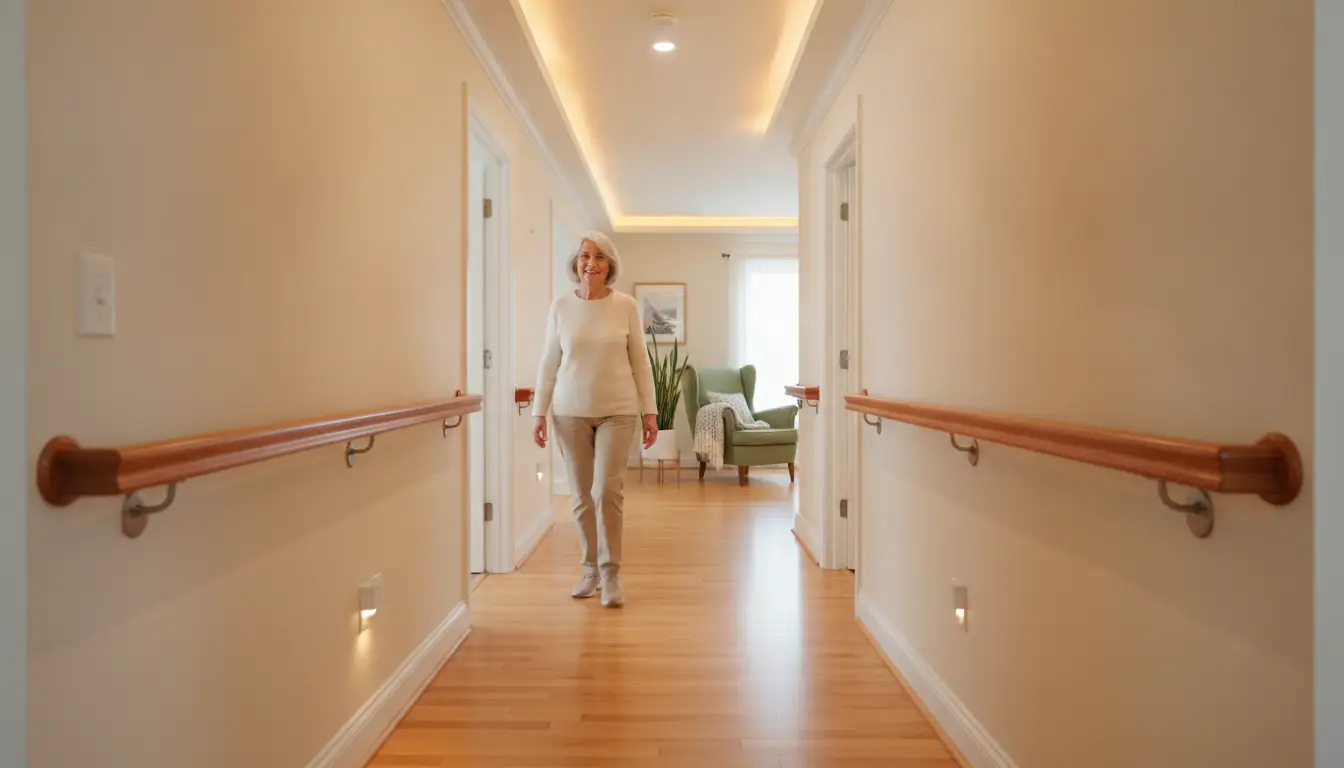
Poorly lit hallways, staircases, and entryways can make it difficult to notice changes in flooring or obstacles in walking paths. Adding brighter LED lighting throughout the home is one of the simplest and most effective safety improvements.
Consider installing:
- Motion-activated lights in hallways and bathrooms
- Night lights between bedrooms and bathrooms
- Brighter overhead lighting in kitchens and laundry rooms
- Exterior lighting around porches, garages, and walkways
- Additional task lighting for reading or meal preparation
Whenever possible, maximise natural daylight by keeping windows unobstructed and opening blinds during the day.
Remove Everyday Tripping Hazards
Many falls occur because of common household items that often go unnoticed.
Take time to remove or secure:
- Loose throw rugs
- Extension cords across walkways
- Electrical cables
- Clutter in hallways
- Shoes left near entrances
- Decorative furniture that narrows walking paths
- Small tables positioned in high-traffic areas
Flooring should also be inspected regularly. Worn carpeting, uneven flooring, cracked tile, or raised thresholds can all create unnecessary risks.
The CDC recommends keeping frequently used walking areas free from clutter and repairing flooring hazards as part of a comprehensive fall-prevention strategy.
Make the Bathroom Safer
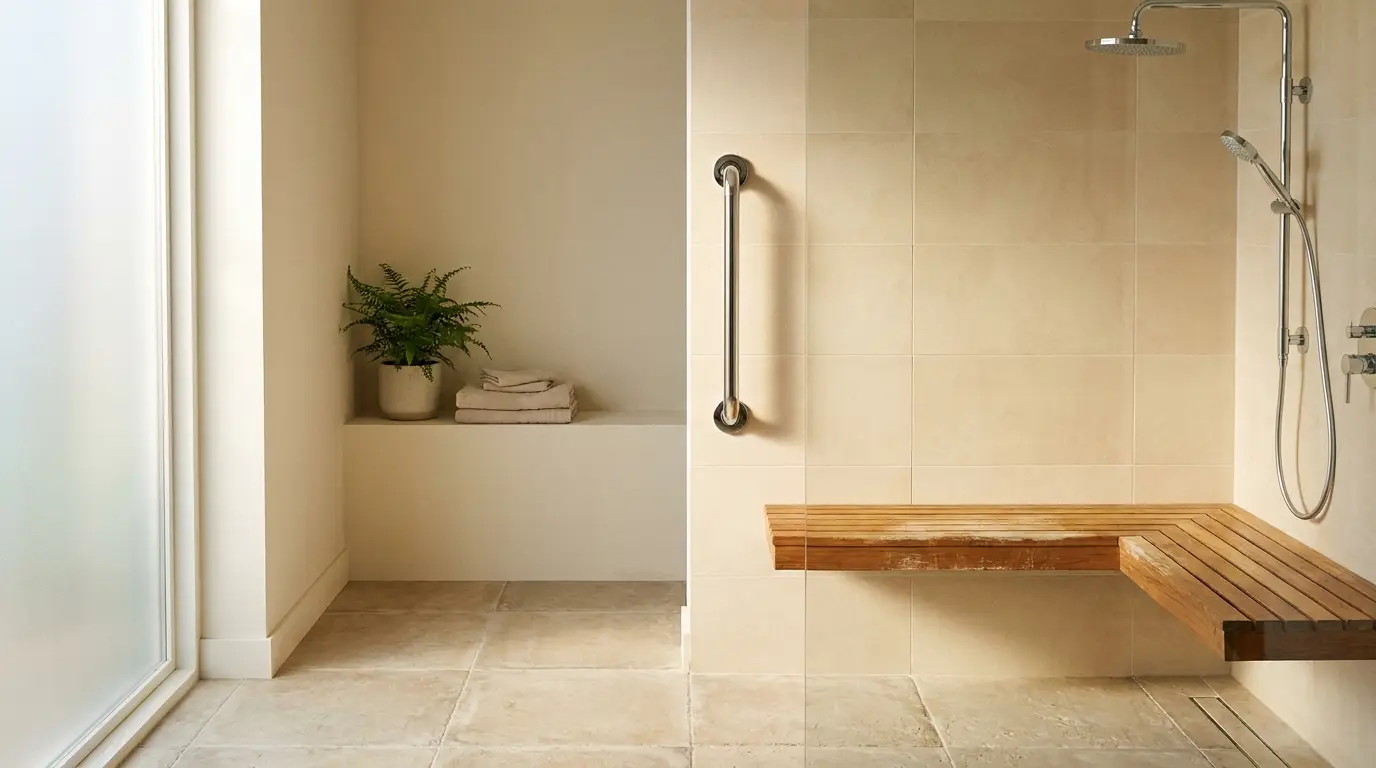
Bathrooms are one of the most common locations for falls because they combine water, hard surfaces, and limited space. Everyday tasks such as stepping over a bathtub wall or standing on a wet floor can become increasingly difficult as mobility changes.
Fortunately, several improvements can greatly increase both safety and comfort.
Common accessibility upgrades include:
- Grab bars near the toilet and bathing area
- Slip-resistant flooring
- Non-slip bath mats with rubber backing
- Improved overhead lighting
- Handheld showerheads
- Built-in shower seating
- Comfort-height toilets
- Lever-style faucet handles that are easier to operate
If stepping over a bathtub has become increasingly difficult, consider speaking with American Remodeling. They specialise in accessible walk-in showers, walk-in tub installation, and other bathroom safety solutions designed to help Pennsylvania seniors remain safe and independent at home.
Improve Stair Safety
Many Pennsylvania homes have two or more stories, making stairways an important area to evaluate.
Simple improvements include:
- Secure handrails on both sides whenever possible
- Bright overhead lighting
- Non-slip stair treads
- Clearly visible stair edges
- Removing clutter from steps and landings
- Repairing loose carpeting or damaged stair nosing
If stairs are becoming increasingly difficult to use, relocating essential living areas to the first floor may reduce daily fall risks.
Make the Kitchen More Accessible
The kitchen is one of the busiest rooms in any home and should be arranged to minimise unnecessary reaching, bending, and climbing.
Helpful improvements include:
- Store frequently used cookware on lower shelves.
- Move everyday dishes and pantry items to waist-level cabinets.
- Install pull-out shelves where practical.
- Clean spills immediately.
- Use appliances with large, easy-to-read controls.
- Avoid standing on chairs or step stools whenever possible.
These adjustments can make meal preparation both safer and more comfortable.
Create a Safer Bedroom
Bedrooms should support safe movement both during the day and throughout the night.
Simple improvements include:
- Motion-sensor lighting between the bedroom and bathroom
- Easy access to bedside lamps
- Keeping a phone within reach
- Maintaining clear walking paths
- Positioning clothing and personal items between waist and shoulder height
- Selecting a bed height that allows comfortable entry and exit
Small adjustments like these can reduce the likelihood of falls during nighttime trips.
Don’t Forget Outdoor Areas
Pennsylvania experiences rain, snow, ice, and falling leaves throughout the year, all of which can create hazards around the home.
Inspect outdoor areas regularly for:
- Cracked sidewalks
- Uneven walkways
- Loose porch railings
- Poor drainage
- Slippery steps
- Inadequate exterior lighting
Keeping walkways clear of snow, leaves, and debris can significantly improve safety throughout every season.
Healthy Habits Matter Too
Home improvements are only one part of staying safe.
The National Institute on Aging recommends maintaining regular physical activity to improve strength and balance, scheduling routine vision and hearing exams, reviewing medications with healthcare providers, and wearing supportive footwear both indoors and outdoors. These habits work alongside home modifications to reduce fall risks and support long-term independence.
Planning Ahead Supports Independence
Many home safety improvements are relatively simple, but together they can make a significant difference. Better lighting, safer bathrooms, clutter-free walkways, sturdy handrails, and thoughtful accessibility upgrades all contribute to a home that is easier to navigate and more comfortable to live in.
The best time to make these improvements is before they become necessary. Planning ahead gives Pennsylvania seniors more choices, helps reduce the risk of preventable injuries, and supports the goal of remaining safely and independently in the place they call home.