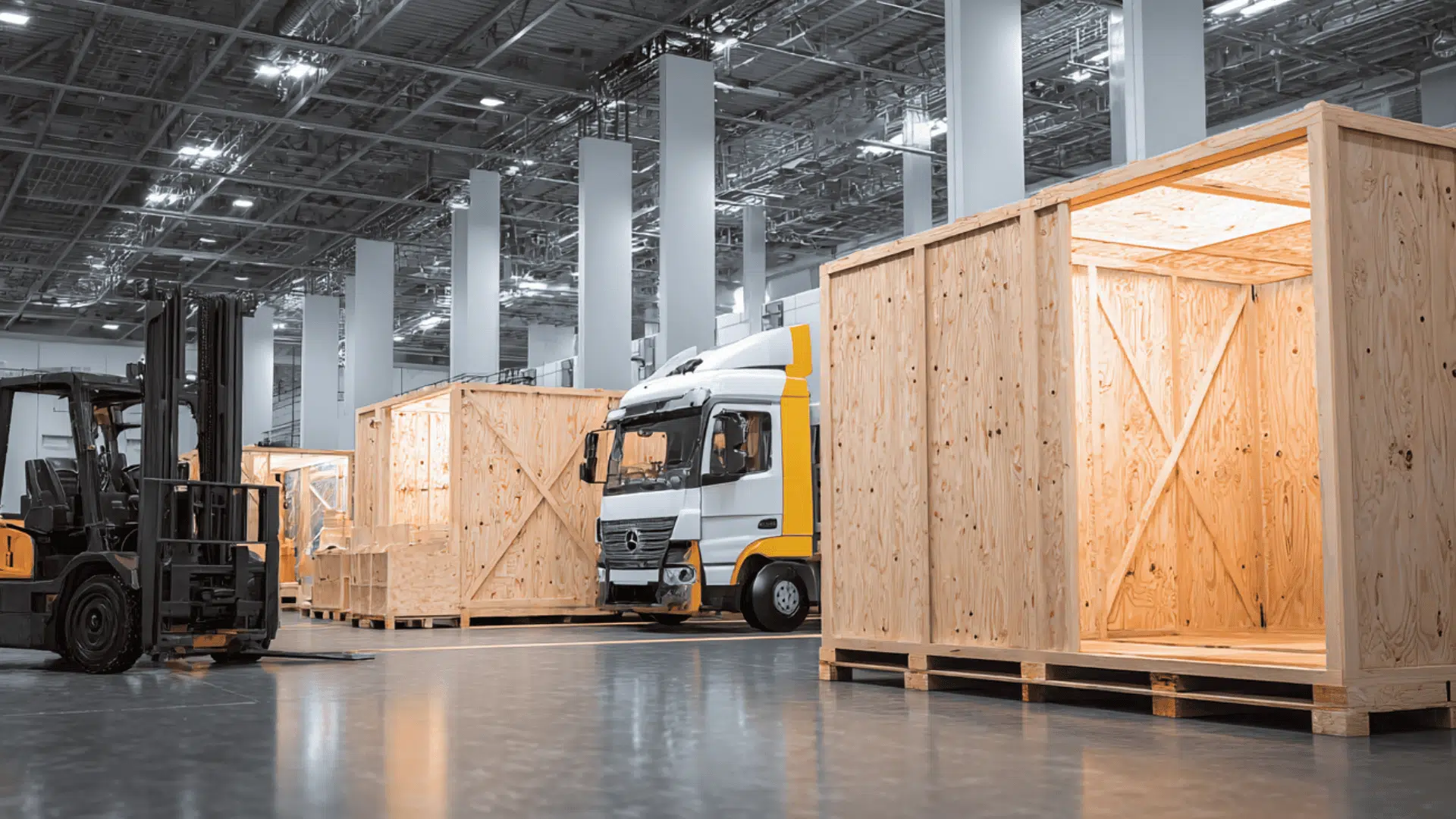
Sometimes you just need a truck for a quick job. Something simple. Something that saves you from trying to squeeze a big item into a car that’s not built for it.
That’s where a Lowe’s truck rental starts to make sense.
The setup is straightforward, but there are a few details people miss until they’re standing in the parking lot. Things like how pricing works, what kind of trucks you actually get, and how availability changes from store to store.
This guide walks through all of that in a clear, practical way so you know exactly what to expect and what makes the most sense for your situation.
What Lowe’s Truck Rental Offers
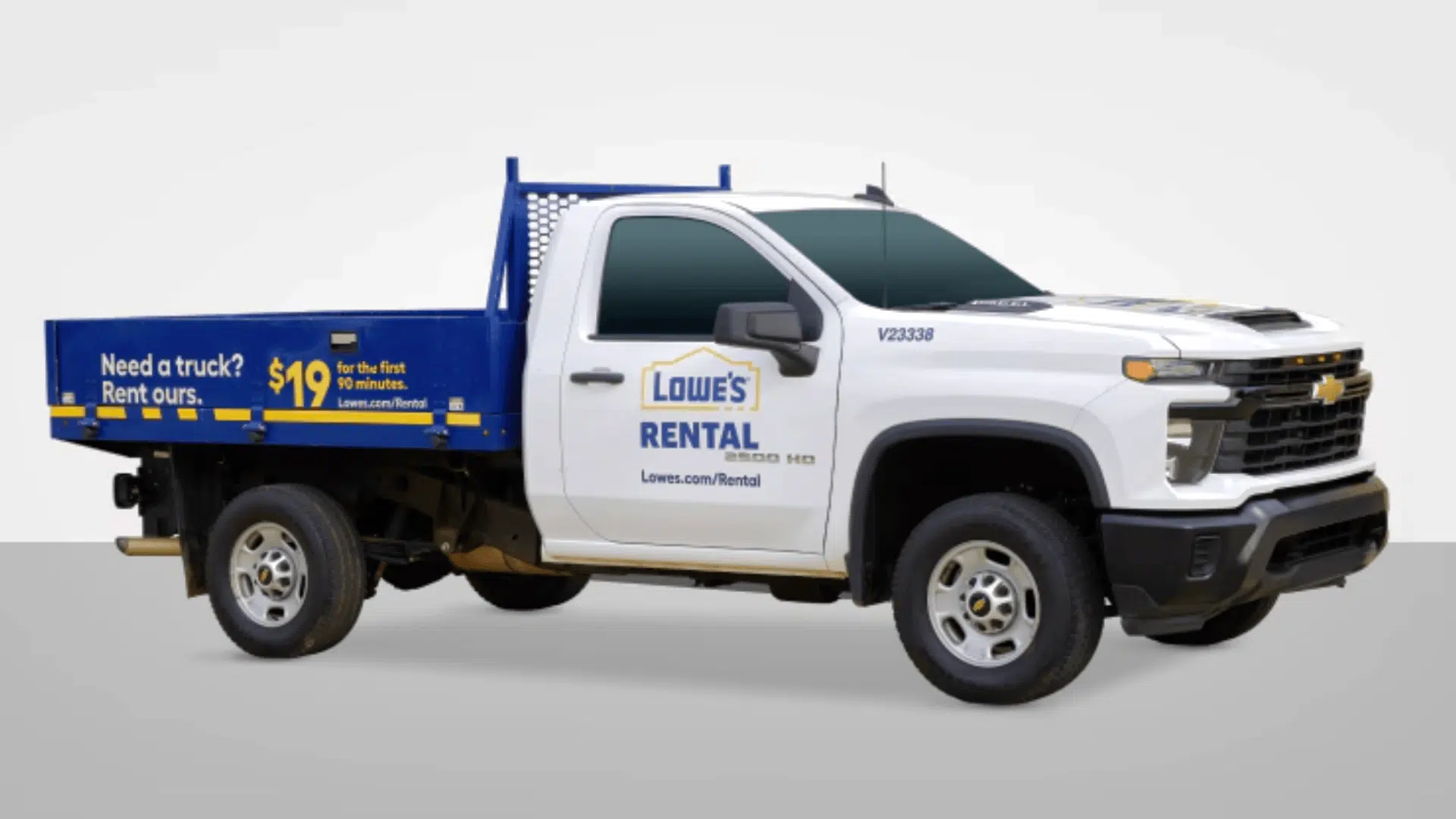
Lowe’s has trucks you can rent right at some stores. Not every store, but many. If you need a truck to haul wood. Or move something heavy. Or pick up furniture. They offer pickups and, in some places, bigger trucks too.
You’ll pay by the time you use it. Short runs. Long runs. That part changes a bit by location. But the idea is simple: you show up, you rent, you use the truck, you return it.
Types of Trucks Available
Lowe’s rents pickup trucks most of the time. These are the ones you see parked out front. They have a bed you can load stuff into. They can tow some things too, but it’s good to check the exact specs at your store.
In some areas, Lowe’s also rents bigger trucks. Box trucks. Vans. These are usually at larger or rental-focused locations. Not every Lowe’s has them.
The pickup trucks and the bigger trucks aren’t the same. Pickups are easy to drive. Good for quick runs to a store or hauling lumber. Box trucks are better for moving rooms or big items that don’t fit in a pickup bed.
Where You Can Rent Them
Lowe’s offers truck rentals in many parts of the country. But it’s not everywhere. Some regions stopped offering them. You might go to a Lowe’s and find they don’t have any trucks at all.
A few customers online have reported places where truck rentals were removed. That can happen if demand is low. Or if the store decided to stop the program. It’s real, but it’s not official everywhere.
The best way to know is to check your local store. Call them. Ask if they have trucks available today. Some stores show inventory online, but not all do. Checking before you go saves time.
Lowe’s Truck Rental Pricing: All Options Explained
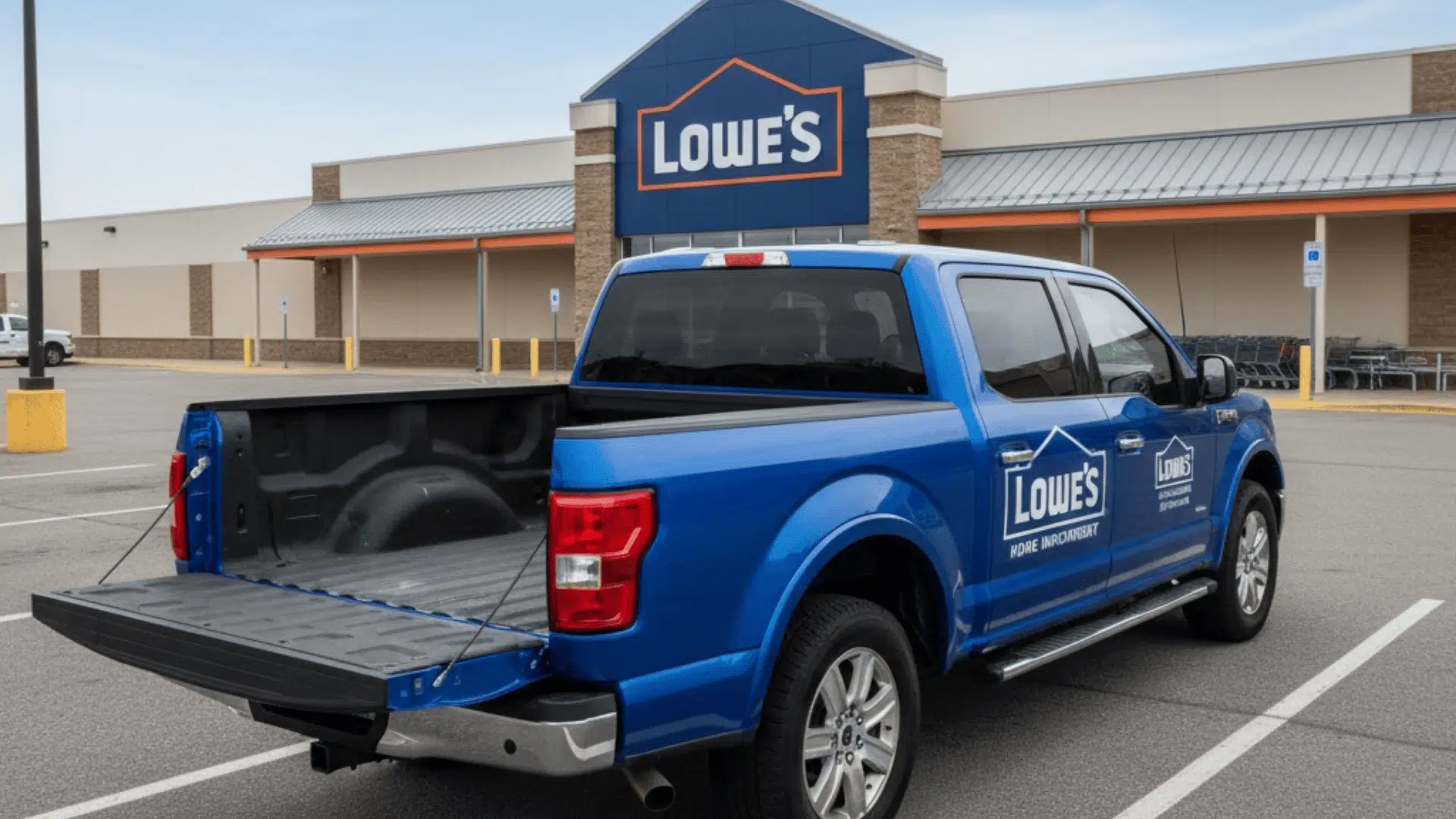
When you look online for Lowe’s truck pricing, you’ll see a few different numbers. Some sites list one set of prices. Other sites list something else. That’s because pricing can vary by store and by year.
It’s okay. You just need a simple way to understand what you might pay. Below, I’ve laid it out in a clear way so you know what to expect.
Full Lowe’s Rental Pricing Table
Here’s the basic breakdown you’ll see most often. Take it as a guide, not a final rule, because stores can update their rates.
| Rental Item | Typical Cost / Rate | Notes |
|---|---|---|
| 90-Minute Rental | ~$19 | Entry price for quick hauls. Rate can vary slightly by store. |
| 4-Hour Rental | ~$69 | Common mid-length use price. |
| 24-Hour Rental | ~$129 | Full day rental through close of business. |
| Multi-Day Rental | Varies | Most stores offer multi-day pricing when you extend beyond 24 hours (call your store). |
| Mileage Policy | Unlimited miles | No extra per-mile charges on most rentals. |
| Fuel Expectations | Customer pays fuel | Return the truck with the same fuel level you picked it up with, or pay refueling charges. |
| Deposit Required | ~$200 | Standard refundable security deposit at most locations. |
Note: The pricing numbers above are the most consistently reported range from recent reviews and customer experiences, and they align with what many stores charge. Some stores may offer slightly different rates, especially for multi-day rentals or special truck types. Always verify locally.
How Lowe’s Truck Rental Works: Step-By-Step
The way Lowe’s handles truck rentals is mostly steady. But it isn’t exactly the same at every store. Some places have more trucks. Some have fewer.
Some give you exact pricing over the phone. Others don’t. That’s just how it is. The basics are what matter. Here’s what you’ll need to know:
Step 1: Before You Go
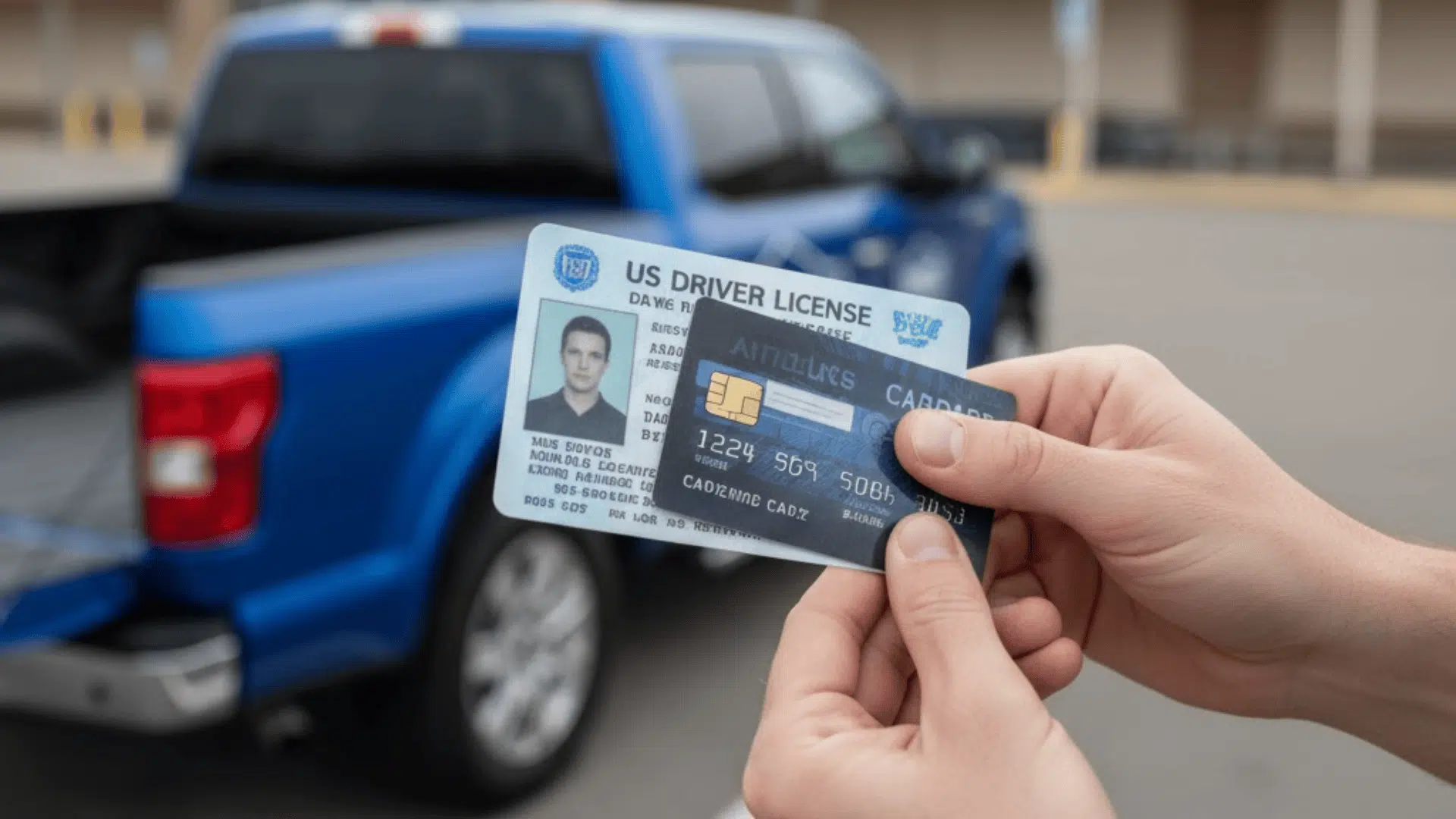
You need a few things lined up before you even think about renting.
Required license: You need a valid driver’s license. No exceptions. If your license is expired or suspended, they won’t hand over the keys.
Payment method: Most stores want a credit card. Some accept debit cards. But it’s mostly credit cards. That’s just how Lowe’s does security deposits and charges.
Age requirement: You usually have to be 21 or older. Some stores may want you to be 25. It depends on where you are. Calling ahead will tell you for sure.
Insurance questions: You might be asked about insurance. Some people use their own auto policy. Some go with coverage through Lowe’s (if available). Ask before you sign anything. You want to know what’s on the hook if something happens.
Step 2: At the Store

When you show up, there’s a simple flow. But there are a few things to understand.
How to request a truck: You walk up to the rental desk or talk to the partner behind the counter. You tell them you want the truck. You might already have called ahead. That helps.
First-come, first-served explanation: Most Lowe’s trucks are handed out on a first-come, first-served basis. That means just because the website says trucks are available doesn’t always guarantee one when you get there. It’s real, and it happens.
Agreement paperwork: You’ll fill out forms. They’ll ask for your ID, your card, and your contact info. There’s no big mystery here. It’s just the rental contract. Read it. Make sure you understand fuel rules and return expectations before you sign.
Step 3: Returning the Truck
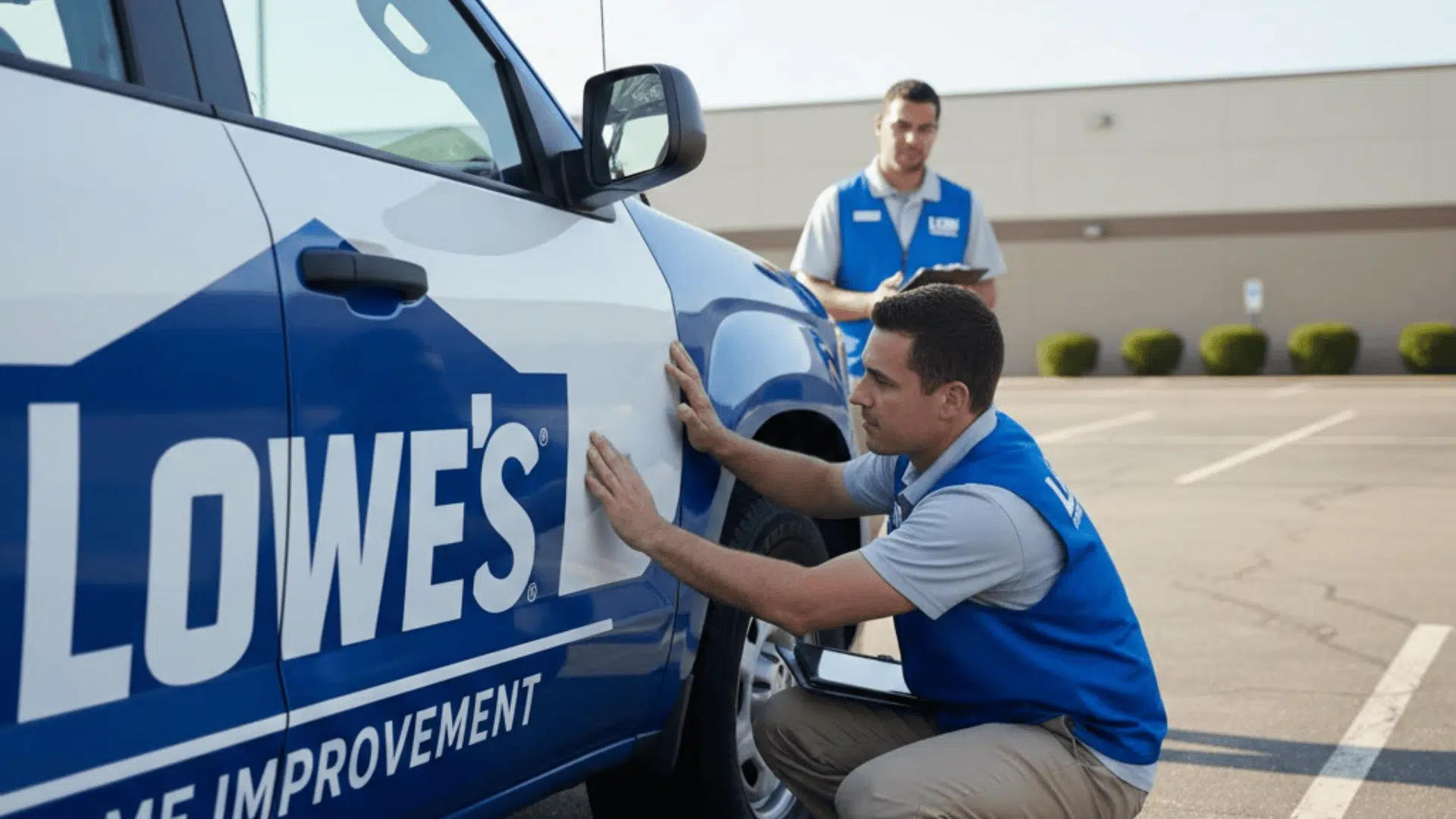
You don’t want loose ends when you bring the truck back.
Fuel expectations: Bring back the truck with the same fuel level it had when you picked it up. If you don’t, they may fill it for you and charge you more. That’s just the way it works.
Late fees: If you’re late returning the truck, you could pay extra. Some stores charge by the hour after your rental window ends. So plan for time, not just distance.
Damage inspection: When you get there, someone will look at the truck with you. They check for dents, scratches, broken lights, windshield chips, and tire issues. If something new is there, you’ll know before you leave.
Lowe’s Truck Specs: What Can You Fit?
You rent a truck because you need space. You want to know if your stuff will actually fit. Lowe’s trucks are mostly pickups. They give you a bed to load into. That’s where the real measurements matter. Let’s break that down so you can picture your load before you get there.
Truck Bed Dimensions
Pickup beds aren’t huge. But they’re useful. Most Lowe’s pickup beds will hold:
- A sofa (if you load it tall or on its end)
- A mattress (queen or full fit flat or on edge)
- Small appliances like fridges or washers
- Lumber up to the bed length plus a little overhang
Beds vary a bit by truck model and year. So it’s good to ask your store what size bed they have. But generally, the beds handle stuff that’s too big for a car but smaller than a full moving truck.
If you’re hauling long boards or long furniture, it helps to bring some rope or straps. Tie it down. Keep it safe while you drive.
Towing Capability
Some Lowe’s trucks have a hitch. Others do not. That depends on the truck model at that location.
If your truck has a hitch, you can hook up a small trailer. That’s useful for extra gear, yard waste, or big landscaping supplies.
But not every store’s trucks are set up with towing gear. The best move is to call ahead and ask:
- Does this truck have a hitch?
- What size trailer can it handle?
- Are straps or a ball mount included?
Most Lowe’s locations won’t rent trailers with the truck rental. But if you have your own, and the truck can tow, that gives you more options.
Comparing Lowe’s Truck Rental with Home Depot & U-Haul
Sometimes you just need to know how Lowe’s stacks up against the others. You want to know where you get the best deal. You want the right size. You want options. Comparing Lowe’s with Home Depot, U-Haul, and Enterprise makes that choice clearer. Here’s how they line up:
Pricing Comparison Chart
| Company | Short-Term (90 min) | 4-Hour | 24-Hour | Multi-Day | Mileage Charge | Notes |
|---|---|---|---|---|---|---|
| Lowe’s | ~$19* | ~$69* | ~$129* | Varies by location | Usually none | Easy pickup, first-come basis |
| Home Depot | ~$19 | ~$69 | ~$129 | Available | Usually none | Similar to Lowe’s at many stores |
| U-Haul | ~$20 | ~$80 | ~$120 | Available | Extra miles on some trucks | Reservations online |
| Enterprise Truck | N/A | N/A | ~$129-$149 | Yes (daily rates) | Mileage included | Bigger truck options |
Note: These figures are guide prices. Exact rates vary by location and store. Always check with the local location you plan to use.
When Lowe’s is the Best Choice
Lowe’s makes sense when your job is simple. Like:
- Short trips: If you just need to pick something up and bring it home, a quick run to the store, Lowe’s rates line up well. You get the truck. You get it back. It’s brief. Easy.
- Heavy items: If your car won’t cut it, Lowe’s trucks hold more. Appliances. Furniture. Lumber. They’re strong enough for most residential hauls.
- No reservation needed: Most Lowe’s locations don’t take reservations online. It’s first-come, first-served. That can be good. If you walk in and a truck is there, you take it.
When Another Company Might Be Better
There are cases where Lowe’s isn’t the top pick.
- Long-distance moves: If you’re driving a couple of hours or more, U-Haul or Enterprise might be cheaper or easier. They’re built for travel, not just store pick-ups.
- Need guaranteed reservations: U-Haul and Enterprise let you book ahead online. You know a truck is waiting for you at the time you choose. Lowe’s doesn’t always do that.
- Need larger trucks: If what you’re moving won’t fit in a pickup bed, you might want a bigger box truck. U-Haul and Enterprise have bigger sizes. Lowe’s occasionally has bigger trucks at select stores, but it’s not consistent.
Wrapping Up
Picking the right truck comes down to how you work and what you’re moving. Some jobs are quick. Some take a full day. Stores handle things a little differently, so it helps to check ahead and know what’s waiting for you.
That’s really the value here. You get options.
You get a setup that fits the job, whether it’s a pickup bed or something bigger from another place. And if Lowe’s truck rental fits your plan, it’s an easy way to get things done without overthinking it.
If you want more guides like this, check out the other blogs on the site and keep building your plan step by step.