In today’s fast-paced market, efficient delivery is essential to meet growing customer expectations.
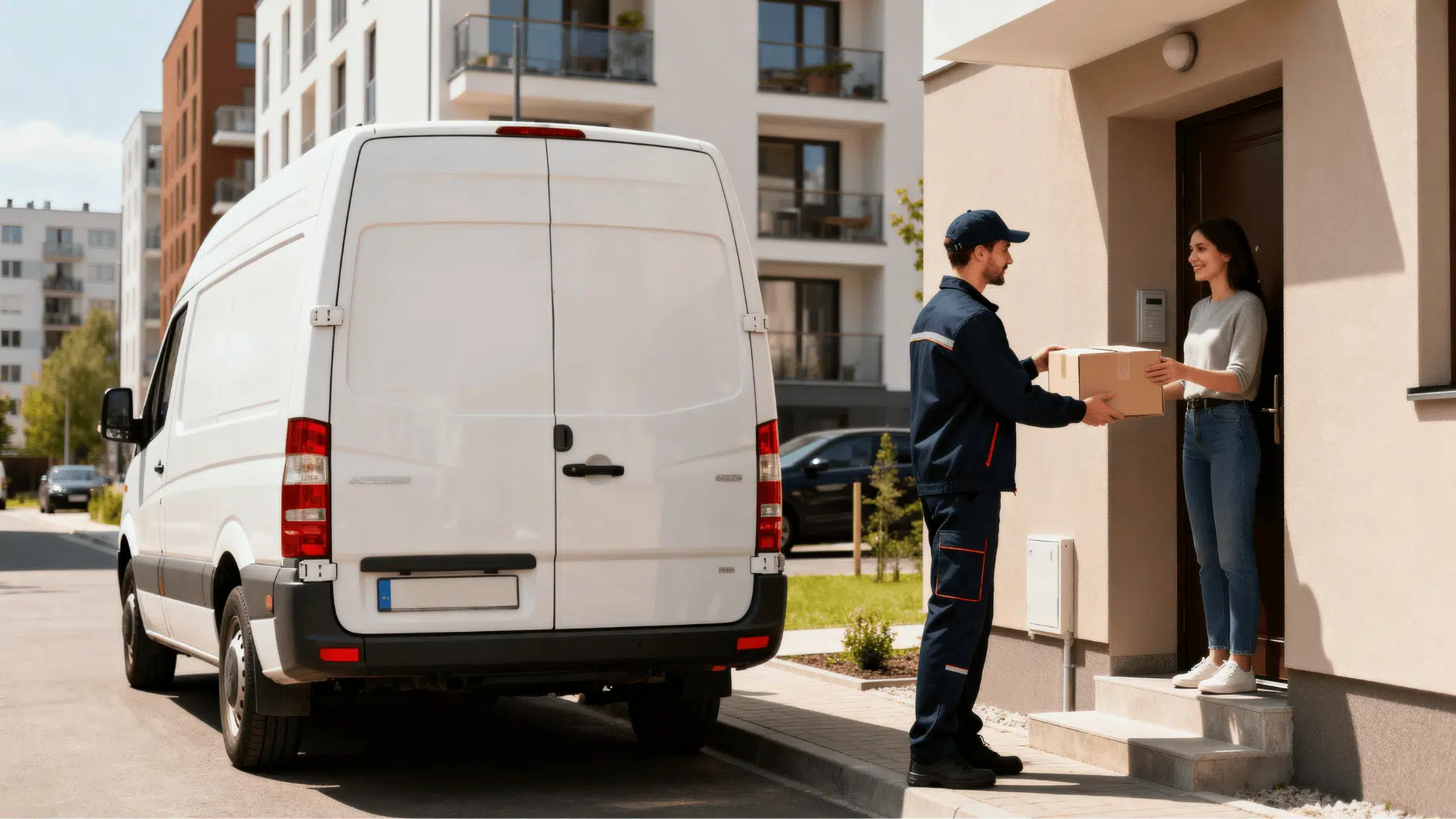
The final step in logistics—getting products from a warehouse to the customer’s doorstep – directly affects speed, cost, and the overall experience.
It presents a valuable opportunity to improve operations and build customer trust.
This blog will give you a clear overview of last-mile delivery, key considerations, and how to choose the right logistics solutions for your needs.
What is Last Mile Delivery in Logistics?
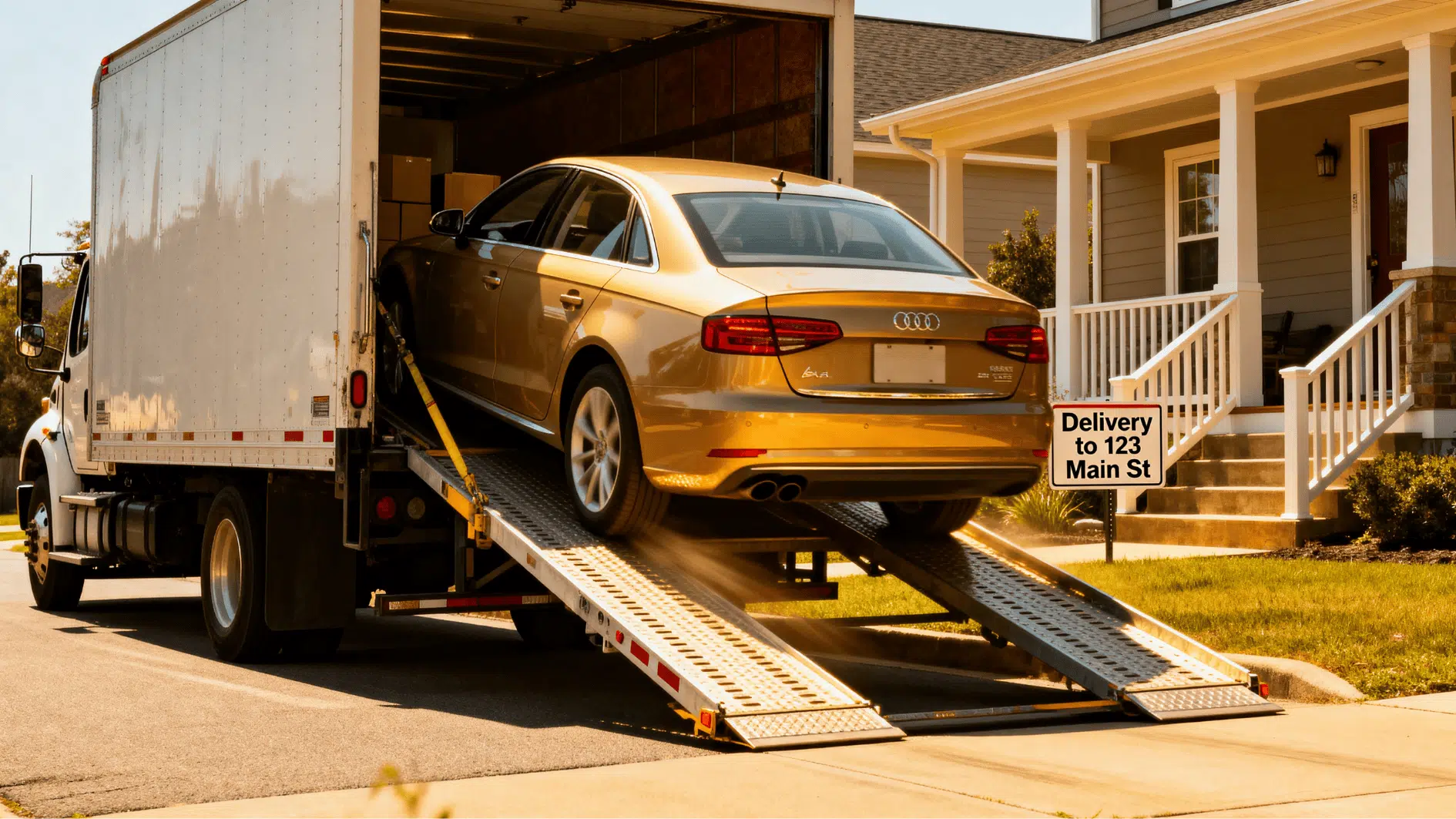
Last-mile delivery is the final step in the supply chain, where goods move from a distribution center to the customer. It plays a key role in delivery speed, cost control, and overall customer experience.
Since deliveries are smaller and spread across multiple locations, this stage is more complex to manage.
Businesses must handle challenges such as traffic delays, failed delivery attempts, and the growing demand for faster shipping. This is why many companies rely on specialized solutions to improve efficiency in this final stage.
Why It Matters for Your Business
- Customer Experience – Directly shapes how your brand is perceived
- Faster Deliveries – Improves customer satisfaction and retention
- Cost Efficiency – Route optimization helps reduce operational costs
- Better Accuracy – Fewer delivery errors and reduced returns
- Competitive Edge – Helps stand out in a crowded market
Types of Last Minute Delivery Logistics Solution
You can select from a range of last-mile delivery solutions depending on your business size, delivery volume, and operational requirements.
Choosing the right approach helps you manage deliveries more efficiently while maintaining speed and accuracy.
| Solution Type | What It Does | Best For |
|---|---|---|
| Same-Day Delivery | Delivers orders within the same day | Urgent orders and local deliveries |
| Next-Day Delivery | Ensures delivery within 24 hours | Standard fast shipping needs |
| On-Demand Delivery | Provides instant pickup and delivery | Food, groceries, and quick services |
| Scheduled Delivery | Allows customers to choose delivery time slots | Planned and convenient deliveries |
| Crowdsourced Delivery | Uses independent drivers for deliveries | Flexible and scalable operations |
| Locker Pickup Solutions | Delivers packages to secure lockers | Contactless and missed delivery prevention |
| Micro-Fulfillment Centers | Uses local hubs to speed up deliveries | Urban areas with high order volume |
| Drone & Autonomous Delivery | Uses tech-based delivery methods | Future-focused and remote deliveries |
Last Mile Delivery and Logistics Services Companies

If you are planning to partner with a logistics provider, you need to evaluate companies based on their capabilities, technology, and service coverage.
Below are some well-known last-mile delivery companies, including US-based providers, along with what they are best known for.
1. FedEx
FedEx offers a well-established logistics network that ensures reliable delivery across various regions. Its strong infrastructure supports timely shipments and efficient handling, making it a dependable choice for businesses.
Last Mile Capability: Extensive last-mile delivery network
Best for: Trustworthy final-mile delivery with strong tracking and routing systems
2. UPS (United Parcel Service)
UPS (United Parcel Service) is known for its advanced logistics operations and consistent delivery performance. It handles large shipment volumes efficiently, making it suitable for growing eCommerce businesses.
Last Mile Capability: Advanced last-mile logistics operations
Best for: High-volume eCommerce last-mile delivery with wide coverage
3. USPS (United States Postal Service)
USPS (United States Postal Service) provides broad coverage across the country, especially in residential areas. It is a practical option for businesses looking for affordable delivery solutions.
Last Mile Capability: Nationwide last-mile delivery service
Best for: Cost-effective residential last-mile delivery
4. Amazon Logistics
Amazon Logisticsoperates its own delivery network to ensure fast, efficient order fulfillment. Its strong infrastructure supports quick deliveries, especially in high-demand areas.
Last Mile Capability: In-house last-mile delivery network
Best for: Fast, high-density last-mile delivery with strong infrastructure
5. OnTrac (LaserShip)
OnTrac (LaserShip) specializes in regional deliveries, focusing on speed and efficiency within specific areas. It is ideal for businesses targeting quick delivery in selected regions.
Last Mile Capability: Regional last-mile delivery specialist
Best for: Same-day and next-day last-mile delivery in specific US regions
6. ShipBob
ShipBob combines fulfillment and delivery services, helping eCommerce businesses manage inventory and shipping seamlessly. Its proximity-based model improves delivery speed.
Last Mile Capability: Fulfillment + last-mile delivery integration
Best for: eCommerce-focused last-mile delivery with inventory proximity advantage
How to Choose the Right Logistics Partner

Choosing the right logistics partner is crucial to ensuring smooth, reliable deliveries. A careful evaluation helps you avoid delays, extra costs, and service issues.
- Flexible Delivery Options – Supports same-day and next-day delivery needs
- Strong Coverage Area – Ensures reliable service across your target locations
- Technology Integration – Offers real-time tracking and reporting tools
- Transparent Pricing – Helps manage costs as your business grows
- Reliable Customer Support – Resolves issues quickly and efficiently
A well-chosen partner helps maintain consistent service and customer satisfaction. Focusing on these key areas ensures better control over your delivery operations.
Understanding Last Mile Delivery Pricing
Last-mile delivery costs can vary widely depending on operational scale and service expectations.
On average, this stage can account for over 50% of total shipping costs, making it one of the most expensive parts of logistics. Expenses typically range from $5 to $15 per delivery, depending on location and delivery speed.
Factors like urban density, fuel prices, and failed delivery attempts can increase overall costs. Businesses also invest in route optimization and tracking technology to manage expenses more efficiently.
Controlling last-mile costs is essential for improving profitability while still meeting growing customer demand for faster delivery.
Key Challenges in Last Mile Delivery
You face several challenges in last-mile delivery that can impact both costs and customer satisfaction. Identifying these issues helps you choose the right logistics solutions and improve overall delivery efficiency.
| Challenge | Impact on Business | Why It Happens | Customer Expectation Affected |
|---|---|---|---|
| High Delivery Costs | Reduced profit margins | Multiple stops, smaller shipments | Affordable and efficient delivery |
| Traffic Congestion | Delayed deliveries | Urban density, unpredictable routes | Faster and on-time delivery |
| Failed Deliveries | Extra delivery attempts | Customer unavailability | Flexible delivery windows |
| Limited Visibility | Poor customer experience | Lack of real-time tracking | Live tracking and status updates |
| Workforce Issues | Inefficient operations | Driver shortages, poor coordination | Reliable and consistent service |
| Communication Gaps | Lower customer trust | Lack of timely updates | Clear and timely communication |
Conclusion
You need trustworthy last-mile delivery logistics solutions to meet customer expectations and maintain operational efficiency.
By understanding the challenges, evaluating available solutions, and selecting the right logistics partner, you can improve delivery performance while managing costs effectively.
Businesses like yours are actively looking for logistics providers that offer dependable service, transparency, and scalability.
When you align your delivery strategy with these priorities, you create a stronger foundation for growth and long-term customer satisfaction.