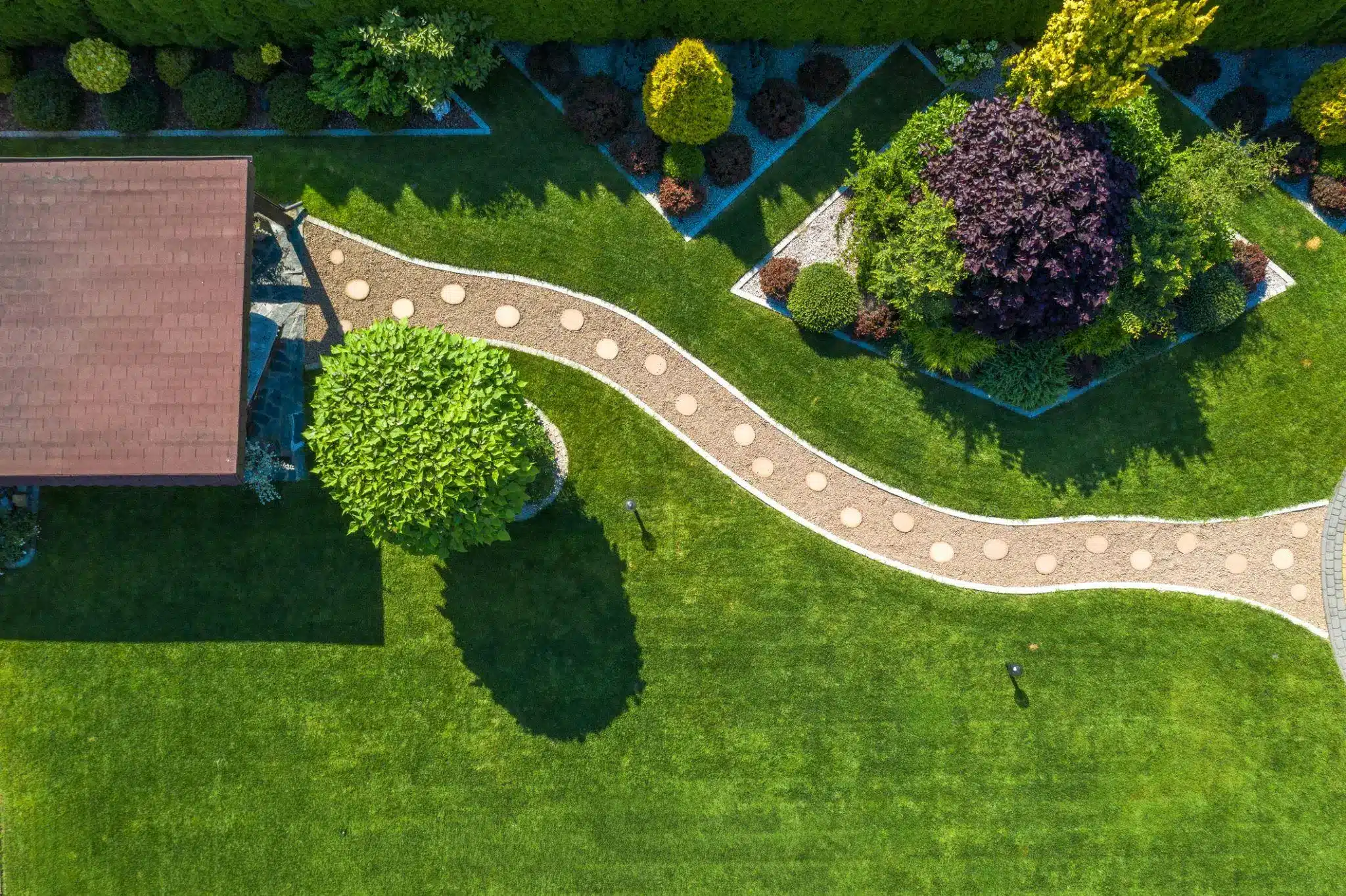
Landscaping in Calgary moves through a clear journey: consultation, design, planning, construction, and finishing touches. Each phase builds on the last, with careful attention paid to the city’s shifting climate, soil conditions, and how the space will actually be lived in. A well-run project balances structure with greenery, blends function with beauty, and produces an outdoor area that holds up through chinook winds, freeze-thaw cycles, and busy summer weekends alike.
Introduction
Picture standing on a patchy lawn after a long winter, mug of coffee in hand, wondering how the cracked patio and tired flower beds could ever become the backyard you actually want to use. Most Calgary homeowners have stood in that exact spot, somewhere between frustration and inspiration, unsure where to begin.
Transforming an outdoor space comes down to a sequence of practical decisions, made in the right order. Strong landscaping design starts with how you live, not how the yard looks on day one. Companies like Tazscapes approach each project by mapping out flow, function, and finish before a single shovel hits the ground.
Here is how a Calgary outdoor space goes from rough sketch to finished retreat, and what to watch for at every step along the way.
The Five Stages of a Calgary Landscape Build
Every successful backyard transformation follows a sequence. Skip a step, and the problems show up later. Water pools near the foundation. Pavers shift after one winter. Plants never recover from a late frost. A proper process protects your investment and turns a vision into something built to last.
Consultation: The Site Walk That Shapes Everything
Before any drawings happen, the conversation matters most. Good landscape contractors arrive with questions, not just clipboards. They want to know how you use the yard, who uses it, what frustrates you about the current layout, and what your real budget range looks like. They will walk the site, check sun patterns, note slope and drainage, and ask about long-term plans like adding a hot tub or a future garden suite. This stage shapes everything that follows, so honest answers matter more than polite ones.
Design Phase: From Site Notes to 2D Plans
Once the goals are clear, the design work begins. Rough ideas become 2D plans, sometimes paired with 3D renderings, so you can picture the finished space before approving anything. Strong landscaping design weighs three things at once: aesthetics, function, and Calgary’s climate realities. A beautiful cedar pergola means little if it traps snow load. A gorgeous flower bed fails fast if the soil drainage is wrong.
Here is what a well-prepared design package usually includes:
- Site measurements and existing condition notes
- Proposed layout with hardscape and softscape elements marked clearly
- Material selections with samples or photos
- Plant list suited to Zone 3 or 4 hardiness
- Phasing options if the project needs to be staged over time
Construction: Why Sequence Matters More Than Speed
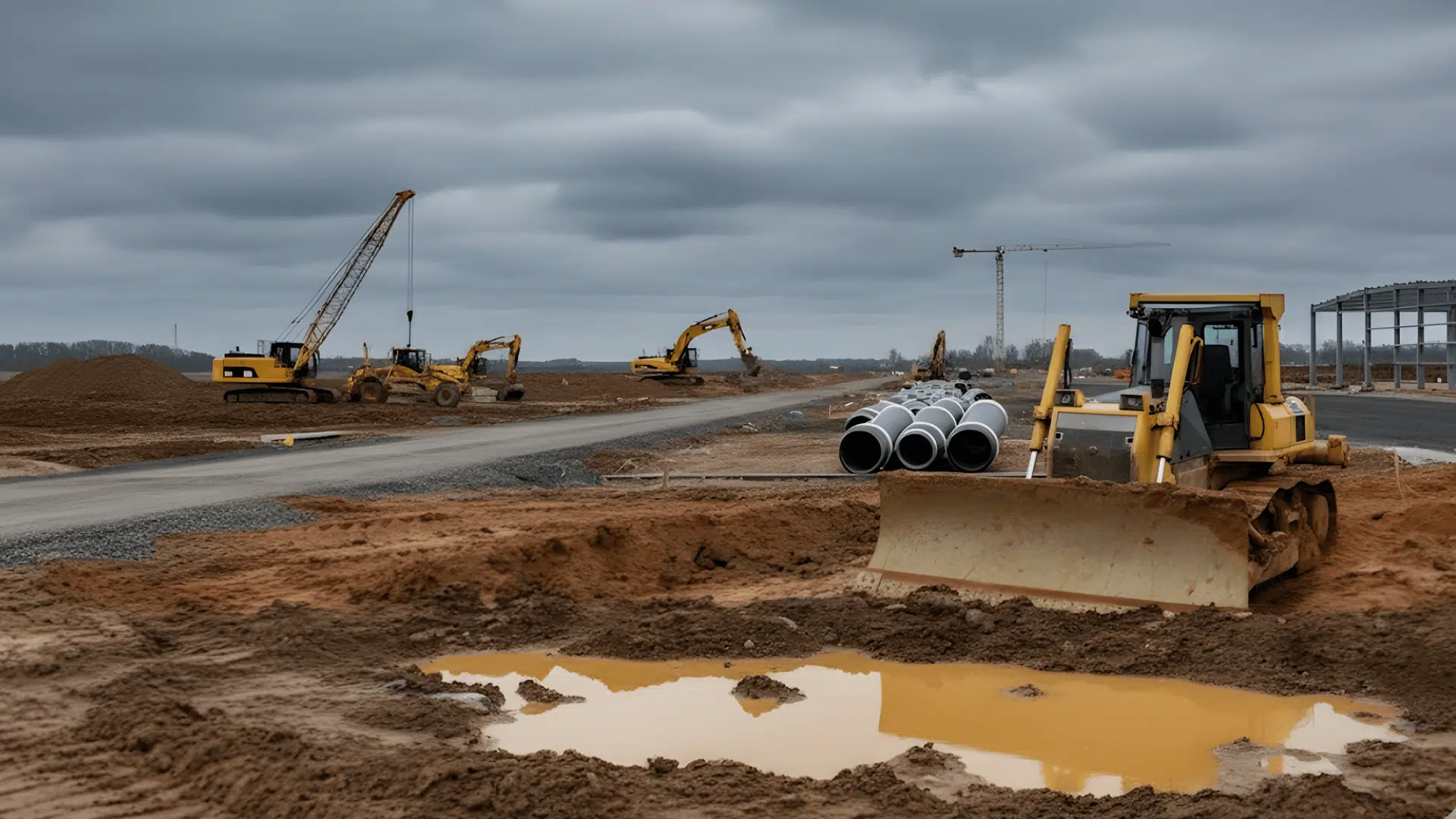
The build itself follows a strict order. Grading and drainage come first, followed by underground utilities, irrigation lines, and any structural elements like retaining walls. Hardscape (patios, walkways, pergolas) typically goes in before softscape. Plants, sod, and finishing layers come last, once the heavy machinery is off the site.
| Stage | Typical Timeline | What Happens |
|---|---|---|
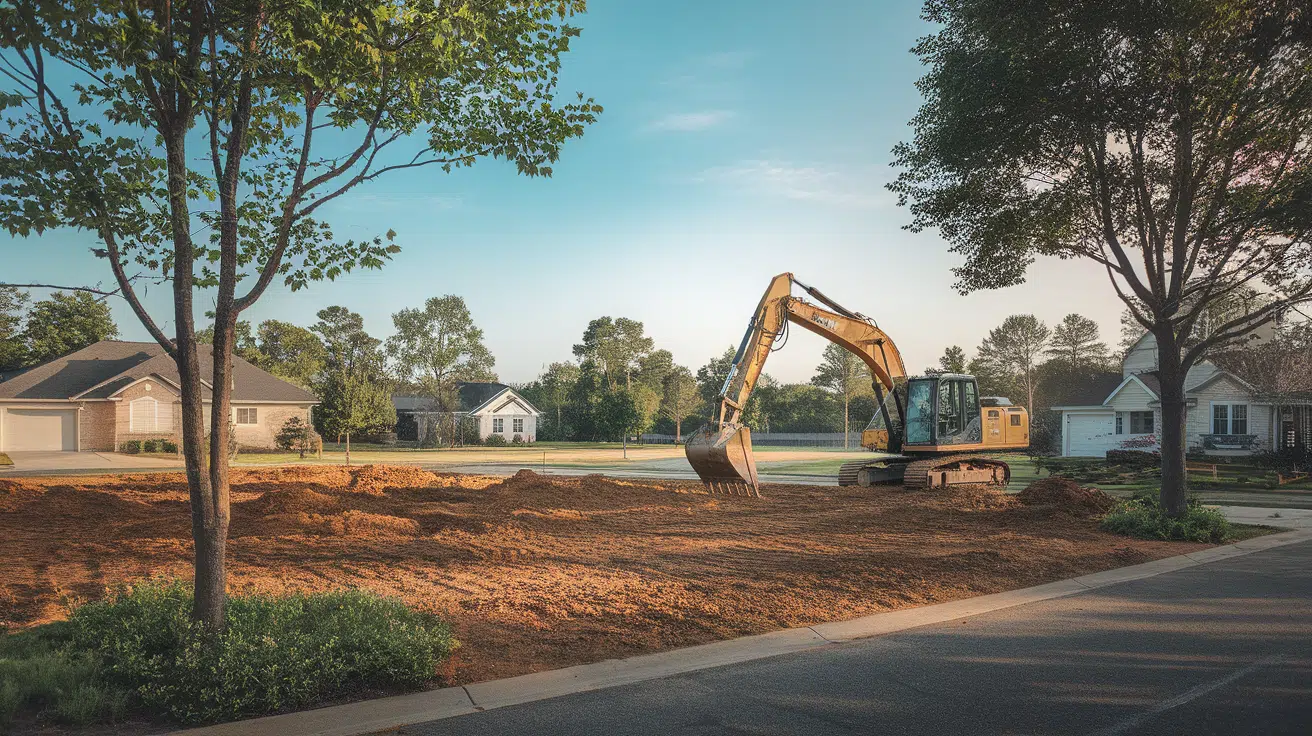
| Site prep and grading | 1–3 days | Removing old materials, shaping the ground, and checking drainage |
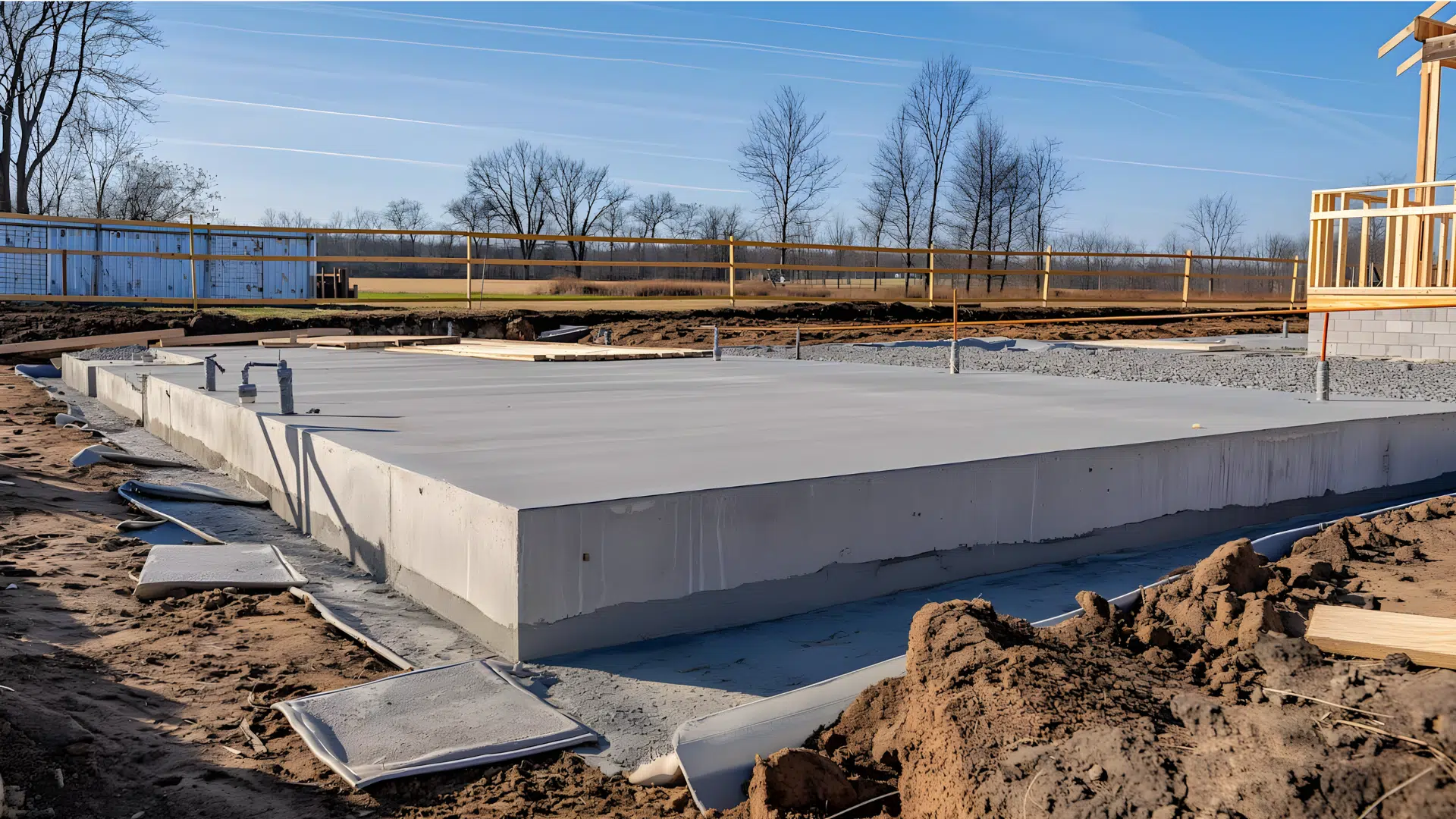
| Hardscape installation | 1–3 weeks | Patios, walls, walkways, decks, fire features |
| Irrigation and lighting | 2–5 days | Underground systems, low-voltage outdoor lighting |
| Softscape and planting | 3–7 days | Topsoil, sod, trees, shrubs, perennials |
| Final cleanup and walkthrough | 1–2 days | Site cleared, homeowner orientation |
A well-organized crew keeps each phase moving without forcing the next one to start before the previous is solid. Get that part right and the yard ages gracefully. Get it wrong, and you will be paying for repairs within two seasons.
The job is not done when the last paver is set, though. What happens after the build matters just as much.
What Makes a Calgary Landscape Last Through the Seasons
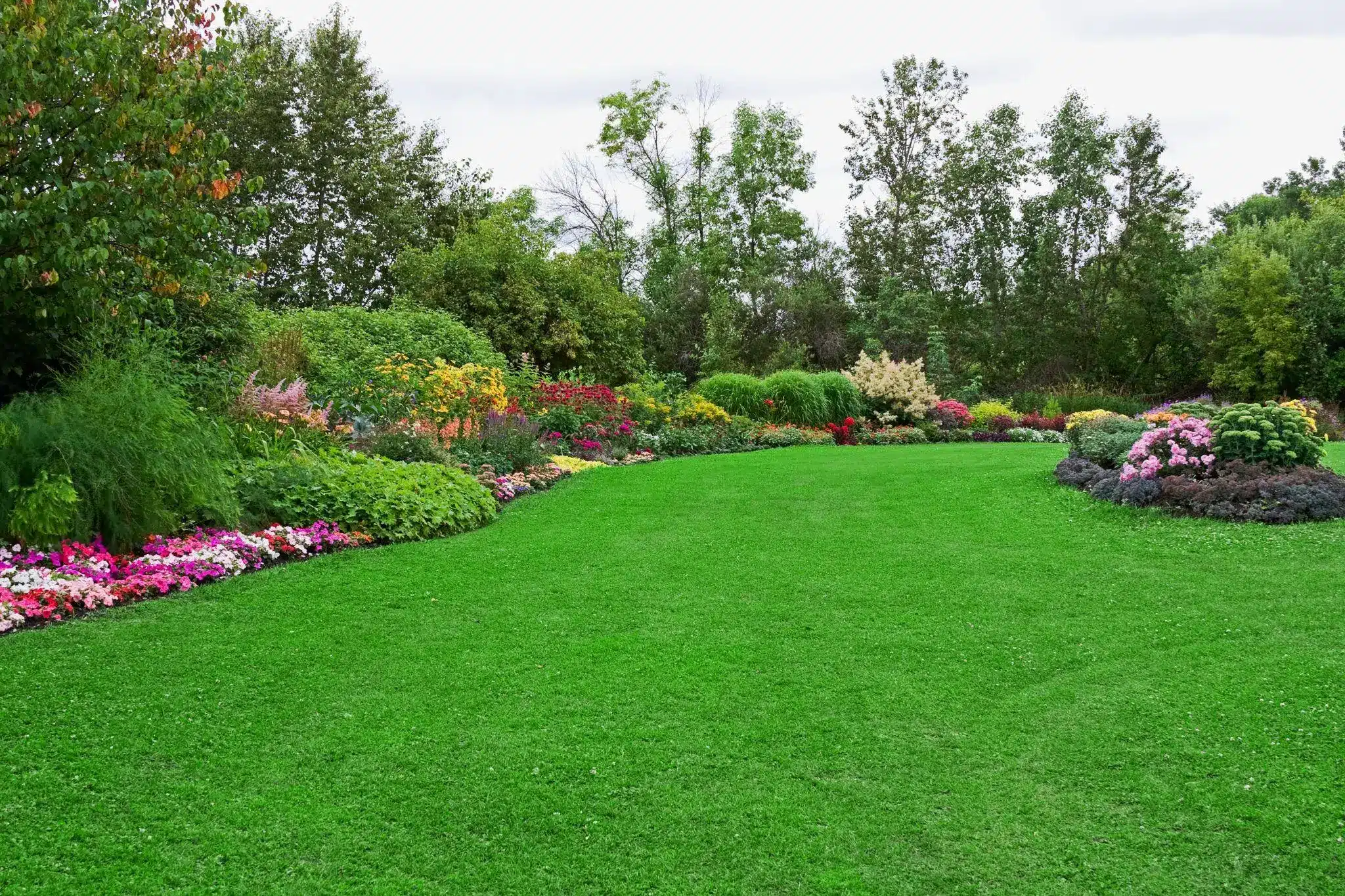
Once the crew packs up, the real test begins. A Calgary backyard has to survive chinooks that swing temperatures by 20 degrees in an afternoon, heavy spring snowmelt, dry summer stretches, and ground that freezes deep every winter. Projects that hold up year after year tend to share a few common traits, regardless of size or style.
Built for Chinooks, Frost Heave, and Zone 3 Reality
A pretty design pulled from a Pinterest board rarely translates to Alberta soil. Established landscaping companies that have worked through multiple Calgary seasons understand which retaining wall systems handle frost heave, which plants survive zone 3b winters, and how to grade a yard so spring runoff flows away from the foundation. That experience shows up in small choices: extra gravel beneath a patio base, a slight slope on a walkway, plant beds positioned to catch the right light.
Hardscape and Softscape Choices That Actually Hold Up
Not every paver, deck board, or fence material belongs in this part of the country. Composite decking handles freeze-thaw cycles better than softwood. Concrete pavers with proper polymeric sand resist the heaving that destroys cheaper installations. Native and adapted plants like Karl Foerster grass, Amur maple, and dwarf mugo pine give you colour and texture without constant babysitting.
The Warranty Conversation Most Homeowners Skip
A finished project should come with a clear warranty on workmanship, usually one year on craftsmanship and longer on certain materials. Reputable landscaping services also walk you through how to care for the space: when to winterize the irrigation, how to overseed thin patches of sod, and what to mulch in late fall. That handover matters. A project without aftercare guidance can unravel quickly, especially through the first winter.
Questions to Ask Before You Sign Anything
Before signing any contract, ask to see recent local projects, confirm the company holds proper insurance and Workers’ Compensation Board coverage, and read reviews from clients whose projects are at least a season old. A glowing review from a build completed last week tells you less than a steady review from one finished two winters back.
Choosing the right partner is the difference between a yard you love and one you tolerate.
Final Thoughts on Building Outdoors in Calgary
A solid Calgary outdoor space takes time. It comes from a careful sequence of conversations, plans, and skilled hands, with every step accounting for how you live and how this city’s weather behaves. When the consultation is honest, the design is grounded in local realities, and the build follows the proper order, the result is a backyard that earns its keep season after season.
Whether you are refreshing a tired patio or starting from bare ground, the same principle holds. Treat the process with patience, vet your partners carefully, and the finished space will give you years of summer evenings, autumn fire pits, and quiet morning coffees outside.