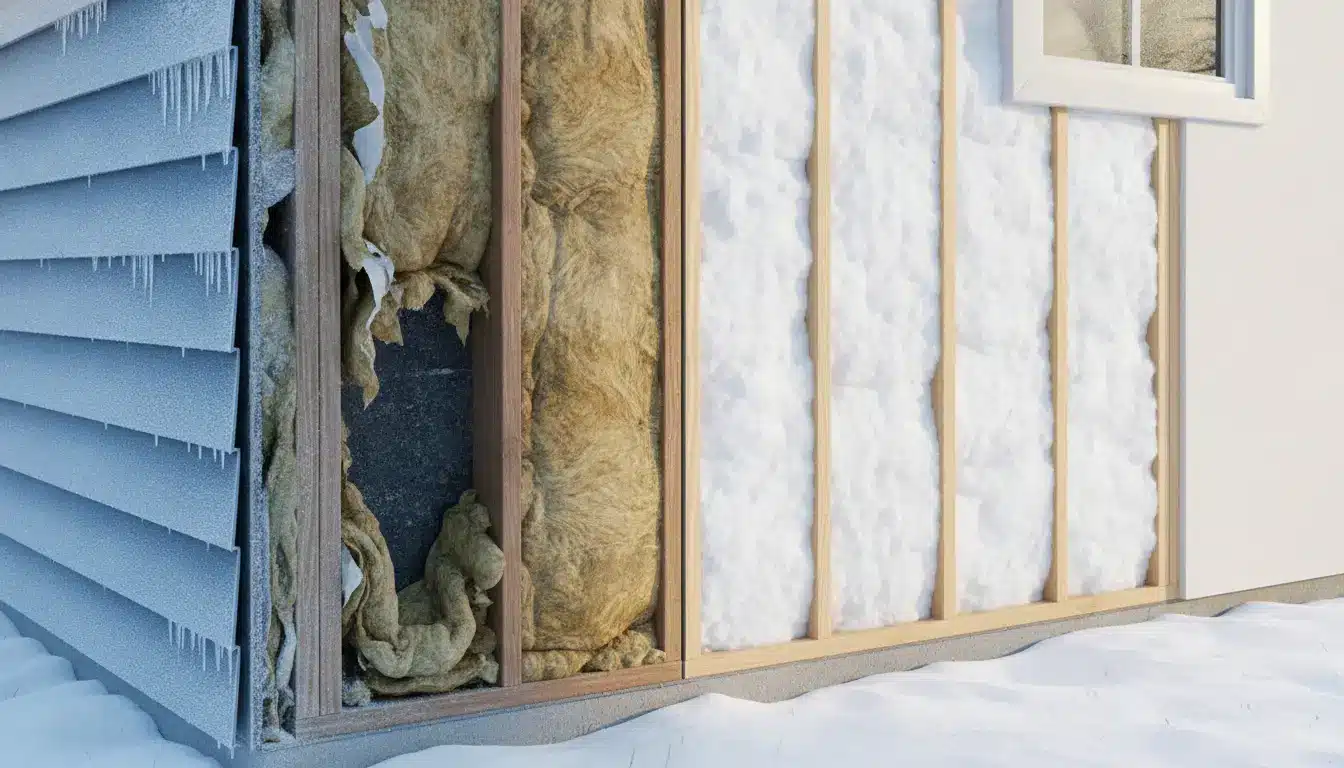
Your home’s insulation works behind the scenes every day. When it performs well, you stay comfortable, and your energy bills stay reasonable. When it fails, you waste money on heating and cooling that never quite does the job.
Most homeowners never think about their insulation until something goes wrong. High utility bills, cold drafts in winter, or rooms that never reach the right temperature all point to insulation problems. The truth is, insulation doesn’t last forever. Materials settle, moisture causes damage, and older homes often have insulation that never met modern standards.
This guide will help you determine whether your insulation still works or needs to be upgraded. You’ll learn the warning signs, understand what good insulation should do, and know when to call in professionals.
Key Takeaways
- Insulation loses effectiveness over time due to settling, moisture damage, and age
- High energy bills and uneven temperatures often signal insulation problems
- Homes built before 1980 typically have inadequate insulation by today’s standards
- Proper insulation should keep your home comfortable year-round without overworking your HVAC system
- Professional inspection can identify hidden insulation issues you can’t see
- Upgrading insulation typically pays for itself through lower energy costs within 3 to 5 years
Signs Your Insulation Is Failing
Your home tells you when insulation stops working. You just need to know what to look for.
Temperature Problems Throughout Your Home
Walk through your house and notice the temperature in each room. If some rooms feel much colder or hotter than others, your insulation likely has gaps or has deteriorated. Bedrooms that never warm up in winter or rooms that turn into ovens in summer point to insulation failure.
Check your walls by placing your hand against them on a cold day. If interior walls feel cold to the touch, heat is escaping through inadequate insulation. The same applies in summer when walls feel hot.
Rising Energy Bills
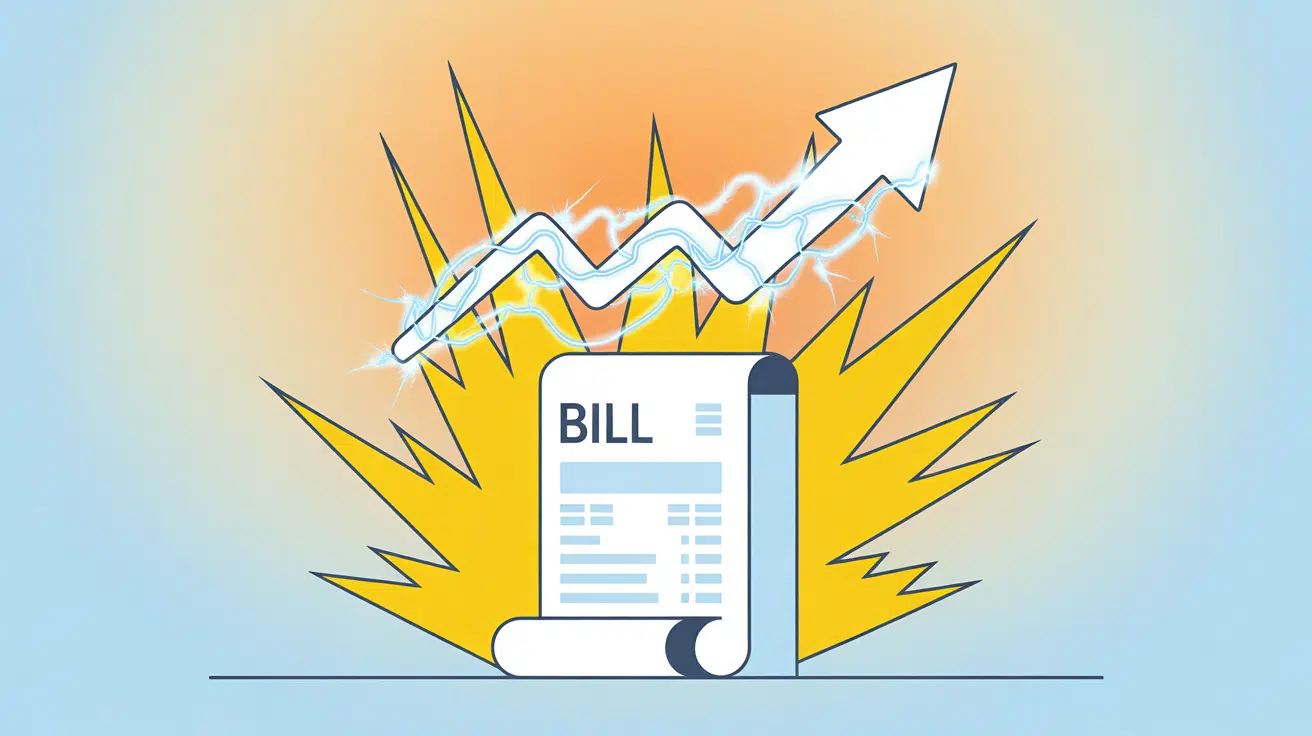
Compare your energy bills from the past three years. If your heating and cooling costs keep climbing but your usage habits haven’t changed, your insulation may be the problem. According to the Department of Energy, proper insulation can reduce heating and cooling costs by up to 20%.
Your HVAC system works harder when insulation fails. This means higher bills and more wear on your equipment. If your system runs constantly but never quite reaches the temperature you set, insulation failure is a likely cause.
Physical Signs of Damage
Check your attic if you can safely access it. Look for insulation that appears compressed, wet, or discolored. Healthy insulation should look fluffy and uniform. If you see any of these problems, the insulation has lost its ability to protect your home.
Water stains on ceilings or walls indicate moisture problems that damage insulation. Mold or mildew smells also suggest moisture has compromised your insulation. Once insulation gets wet, it rarely recovers its original effectiveness.
How Old Insulation Compares to Modern Standards
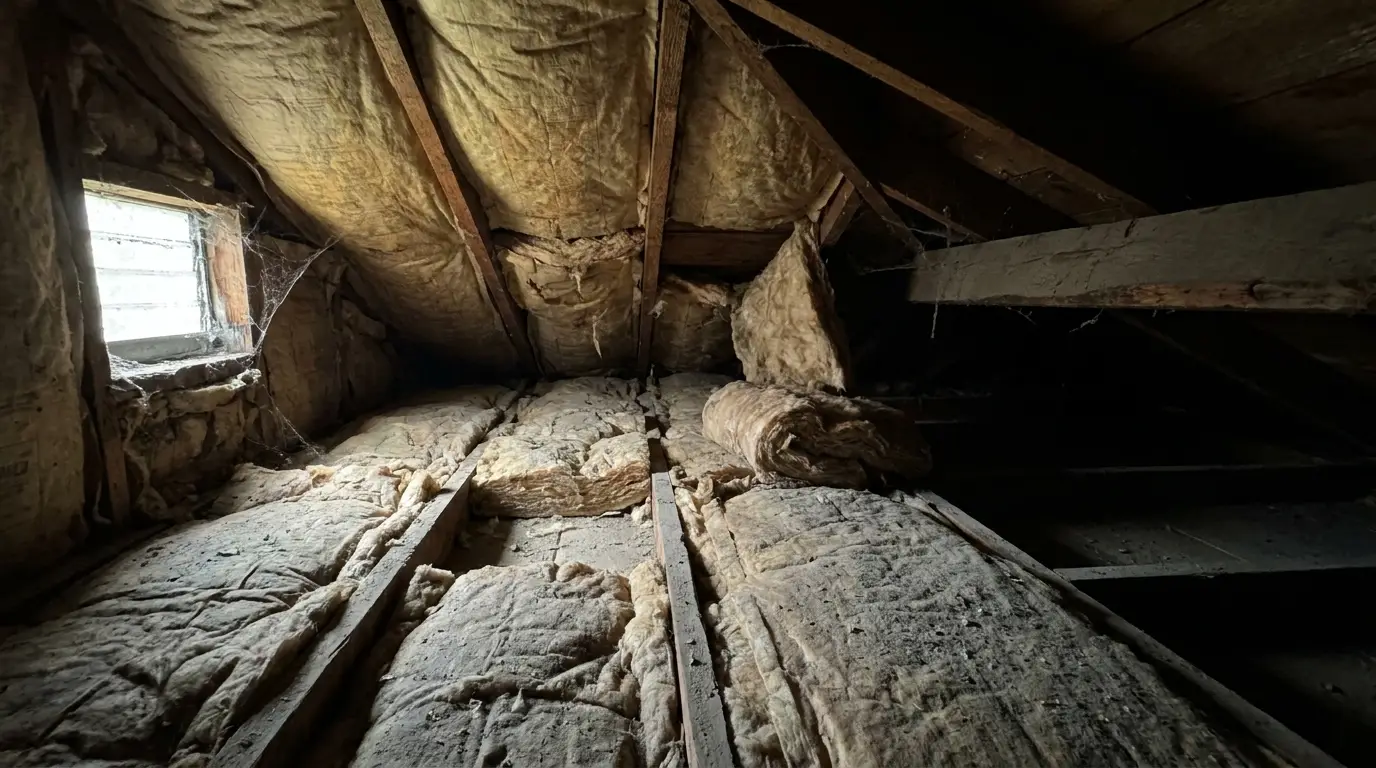
Building codes and insulation technology have improved significantly over the decades. What passed for good insulation 30 or 40 years ago falls short by today’s standards.
Insulation R-Values Then and Now
R-value measures how well insulation resists heat flow. Higher numbers mean better insulation. Homes built before 1980 typically have R-11 insulation or less in walls and R-19 in attics. Current standards recommend R-13 to R-21 for walls and R-38 to R-60 for attics, depending on your climate zone.
If you live in a colder climate, you need higher R-values. The Department of Energy provides specific recommendations based on zip code. Most older homes fall well short of these targets.
Common Problems with Older Insulation
Many homes built in the 1960s and 1970s used insulation materials that don’t hold up over time. Loose-fill insulation settles and creates gaps. Batt insulation sags away from walls. Some older homes have vermiculite insulation that may contain asbestos.
Air sealing was rarely part of older construction. Even good insulation fails without proper air barriers. Air leaks around windows, doors, outlets, and attic hatches let conditioned air escape and outside air seep in.
When Upgrading Makes Sense
Not every home needs new insulation immediately, but certain situations make upgrading a smart investment.
Your Home’s Age and Current Condition
If your home was built more than 30 years ago and has never had insulation upgrades, you’ll likely benefit from new insulation. This applies especially to homes in areas with harsh winters or hot summers.
Planning other renovations? That’s the perfect time to upgrade insulation. Opening walls for electrical work or remodeling gives you access to add insulation without extra demolition costs.
Return on Investment
Quality insulation upgrades typically cost between $1,500 and $3,500 for an average home, depending on the scope of work. Most homeowners see a 10% to 20% reduction in energy costs after upgrading insulation.
For a home with $200 monthly utility bills, that’s $240 to $480 in annual savings. The upgrade pays for itself in 3 to 7 years, then continues saving money for decades. Better yet, properly insulated homes sell faster and command higher prices.
Professional Assessment
You can spot obvious insulation problems, but professionals find issues you’ll miss. Thermal imaging cameras reveal exactly where heat escapes. Blower door tests measure air leakage throughout your home. These tools identify specific problems so you upgrade only what needs attention.
A thorough insulation inspection costs between $200 and $400 but saves money by preventing unnecessary work. You get a clear picture of your home’s current insulation performance and specific recommendations for improvement.
FAQ
How Long Does Home Insulation Typically Last?
Most insulation materials last 20 to 30 years under normal conditions. Fiberglass batts can last up to 100 years if they stay dry and undisturbed. Spray foam insulation lasts indefinitely when properly installed. However, settling, moisture damage, and pest problems can significantly shorten insulation life.
Can I Add New Insulation Over Old Insulation?
Yes, in many cases you can add new insulation over existing material. This works well in attics where you can lay new batts perpendicular to old ones or blow in loose-fill insulation. However, you should remove old insulation if it’s damaged, wet, or contains hazardous materials. Always check for moisture problems before covering old insulation.
What Type of Insulation Works Best for Upgrades?
The best insulation depends on your specific situation. Blown-in cellulose or fiberglass works well for attics and can fill around obstacles. Spray foam provides excellent air sealing for walls and tight spaces. Rigid foam boards work well for basement walls. A professional can recommend the right material based on your home’s construction and climate.
Will New Insulation Help With Noise Reduction?
Yes, insulation reduces sound transmission between rooms and from outside. Denser materials like cellulose and mineral wool perform better for soundproofing than standard fiberglass. However, insulation designed specifically for sound control works best if noise reduction is your primary goal.
Do I Need to Upgrade Insulation if My Energy Bills Seem Normal?
Not necessarily. If your home stays comfortable, your HVAC system doesn’t run excessively, and your bills match similar homes in your area, your current insulation may be adequate. However, homes built before 1980 almost always benefit from upgrades, even if current performance seems acceptable.
Conclusion
Your insulation works quietly in the background, but its impact on comfort and energy costs is huge. If you’ve noticed temperature problems, rising utility bills, or your home is more than 30 years old, your insulation likely needs attention.
The good news is that insulation upgrades deliver real results. Better comfort, lower energy bills, and a more valuable home make this one of the smartest investments you can make. Plus, modern insulation materials and installation methods ensure your upgrade will perform well for decades.
Ready to find out if your insulation is doing its job? Northland Companies provides professional insulation assessments and upgrades that keep homes comfortable year-round. Our team uses advanced diagnostic tools to identify exactly where your home loses energy, and we recommend solutions that fit your budget and goals. Contact Northland Companies today to schedule an insulation inspection and start saving on your energy bills.