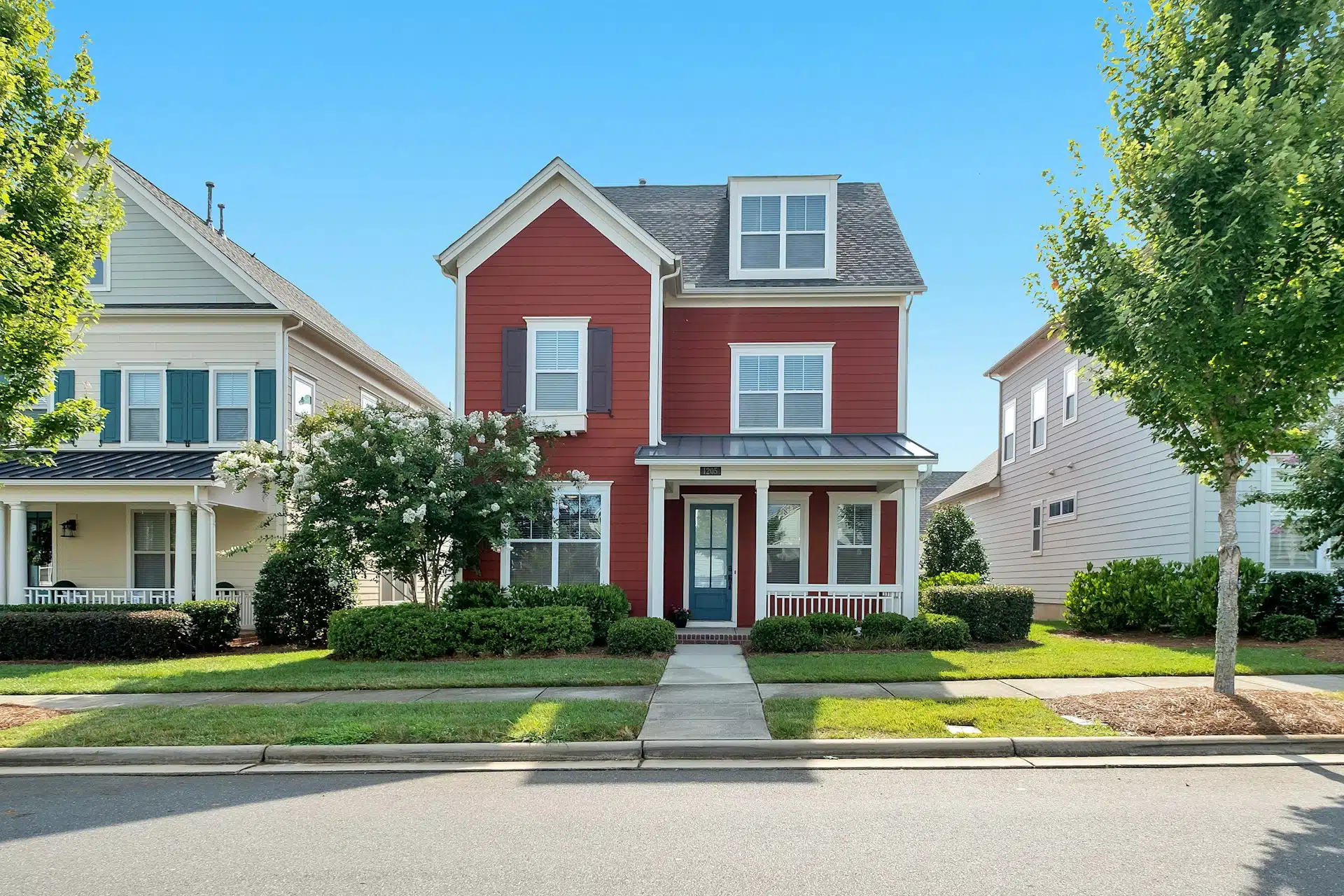
Have you ever driven past a house that looked stunning but seemed impractical? Maybe the windows were massive, yet there was no shade, or the design felt modern while the yard flooded after rain. A beautiful exterior can turn heads, but it also must protect what is inside. Weather patterns are becoming more intense, and energy costs continue rising, so style and performance must work together.
The exterior of a home shapes first impressions instantly. It reflects taste, care, and even values, especially in an era shaped by social media and renovation trends. However, viral appeal does not guarantee durability. Stronger storms and extended heat waves across the United States test roofing, siding, and paint finishes each year. Design decisions must reflect these environmental realities. Choosing materials for appearance alone can lead to regret.
A functional exterior protects structural integrity while improving comfort. Proper insulation lowers energy bills, effective drainage prevents water damage, and thoughtful landscaping supports privacy and temperature control. Beauty carries greater meaning when it serves a purpose. In this blog, we will share smart design strategies, current trends, and practical insights that help create a home exterior that balances beauty and function.
Choosing Materials That Perform as Well as They Look
Material selection shapes the long term success of any exterior design. Natural stone offers timeless elegance, yet it must be installed correctly. Fiber cement siding provides durability with minimal maintenance. Engineered wood blends warmth with resilience. Each option carries both aesthetic and functional considerations.
Roofing plays a central role in exterior performance. Beyond color coordination, roofing materials must withstand local weather conditions. Asphalt shingles remain popular for affordability. Metal roofing reflects heat effectively during warmer months. Consulting a reliable roofing contractor helps homeowners evaluate which materials suit regional demands best. Professional guidance ensures installation meets safety standards and longevity expectations.
Sustainability has also become a significant trend. Many homeowners prefer eco-friendly materials with lower environmental impact. Solar panels integrate more seamlessly into modern designs. Green roofing options reduce heat absorption in urban areas. These choices support both visual appeal and environmental responsibility.
Windows deserve equal attention. Larger windows increase natural light, yet they require energy-efficient glass. Double-pane or triple-pane options improve insulation. Therefore, aesthetics should align with climate control goals. Beauty alone does not justify higher utility bills.
Thoughtful material selection supports long term savings. It reduces maintenance headaches. It enhances resale value. When materials complement both design and durability, homeowners experience fewer surprises.
Designing for Climate and Community
Every region presents unique environmental challenges. Coastal homes face salt exposure and hurricane risks. Desert homes battle intense sun and dust. Northern homes endure heavy snow and freezing temperatures. Exterior design must respond to these realities directly.
Recent wildfires in western states highlight the importance of fire-resistant materials. Brick, stucco, and treated siding reduce vulnerability. Landscaping choices can create defensible space around structures. These strategies combine protection with thoughtful planning.
Community aesthetics also influence design choices. Neighborhood guidelines may shape color palettes and building styles. Respecting these norms supports property value. However, individuality can still shine through details and finishes.
Outdoor living spaces continue gaining popularity. Patios, pergolas, and covered porches extend usable square footage. They offer gathering areas for family and friends. These spaces must balance comfort with weather resistance.
Designing for both climate and community builds harmony. It protects the home while strengthening neighborhood appeal. Function and beauty coexist when decisions reflect context.
Enhancing Curb Appeal Without Sacrificing Practicality
Curb appeal remains a powerful motivator for homeowners. A welcoming entrance creates positive impressions instantly. Front doors in bold colors attract attention. Well-placed lighting highlights architectural features after sunset. These details elevate visual charm.
However, decorative elements should also serve practical roles. Exterior lighting improves safety. Motion sensors deter unwanted visitors. Pathway illumination reduces trip hazards. Function strengthens visual design.
Landscaping choices influence maintenance demands. Native plants require less water and care. Artificial turf reduces mowing needs. Therefore, beauty should not demand constant labor.
Garage doors also impact overall appearance. Modern styles incorporate clean lines and durable finishes. Insulated garage doors improve temperature control. They enhance comfort while maintaining style.
Small upgrades often create significant impact. Updated house numbers improve visibility for deliveries. Durable mailboxes withstand weather exposure. These simple additions merge convenience with design.
Integrating Technology Into Exterior Design
Smart home technology extends beyond interior walls. Exterior security cameras increase protection. Video doorbells provide real-time awareness. These features integrate smoothly into modern facades.
Automated lighting systems improve energy efficiency. Timers adjust brightness based on sunset times. Solar-powered lights reduce electrical costs. Technology supports sustainability goals.
Smart irrigation systems manage water use effectively. Sensors detect soil moisture levels accurately. Therefore, landscaping stays healthy without waste. Water conservation becomes both practical and responsible.
Electric vehicle charging stations now appear in many driveways. Clean transportation trends influence home design. Integrating charging solutions supports future readiness.
Technology enhances both comfort and safety. When integrated thoughtfully, it does not disrupt aesthetics. Instead, it reinforces the home’s functional strengths.
Maintaining Balance Over Time
Designing a balanced exterior requires ongoing care. Paint fades under sunlight. Roofing materials wear gradually. Regular inspections prevent costly repairs later.
Maintenance schedules protect investment value. Cleaning gutters prevents water damage. Sealing driveways extends lifespan. These tasks preserve both appearance and structure.
Homeowners should review exterior conditions seasonally. Small cracks or loose shingles deserve attention quickly. Preventive action reduces larger expenses. Professional assessments provide added reassurance. Contractors identify hidden vulnerabilities early. Their expertise strengthens confidence in long term performance.
A balanced exterior evolves thoughtfully. Trends may shift, yet core functionality remains constant. When beauty aligns with durability, the home feels both welcoming and secure.
A home exterior represents more than decoration. It shields loved ones from weather and uncertainty. It reflects personal style and practical judgment. In a world shaped by climate shifts and rising costs, balance matters more than ever. Designing with both beauty and function in mind creates a space that endures, impresses, and protects for years to come.