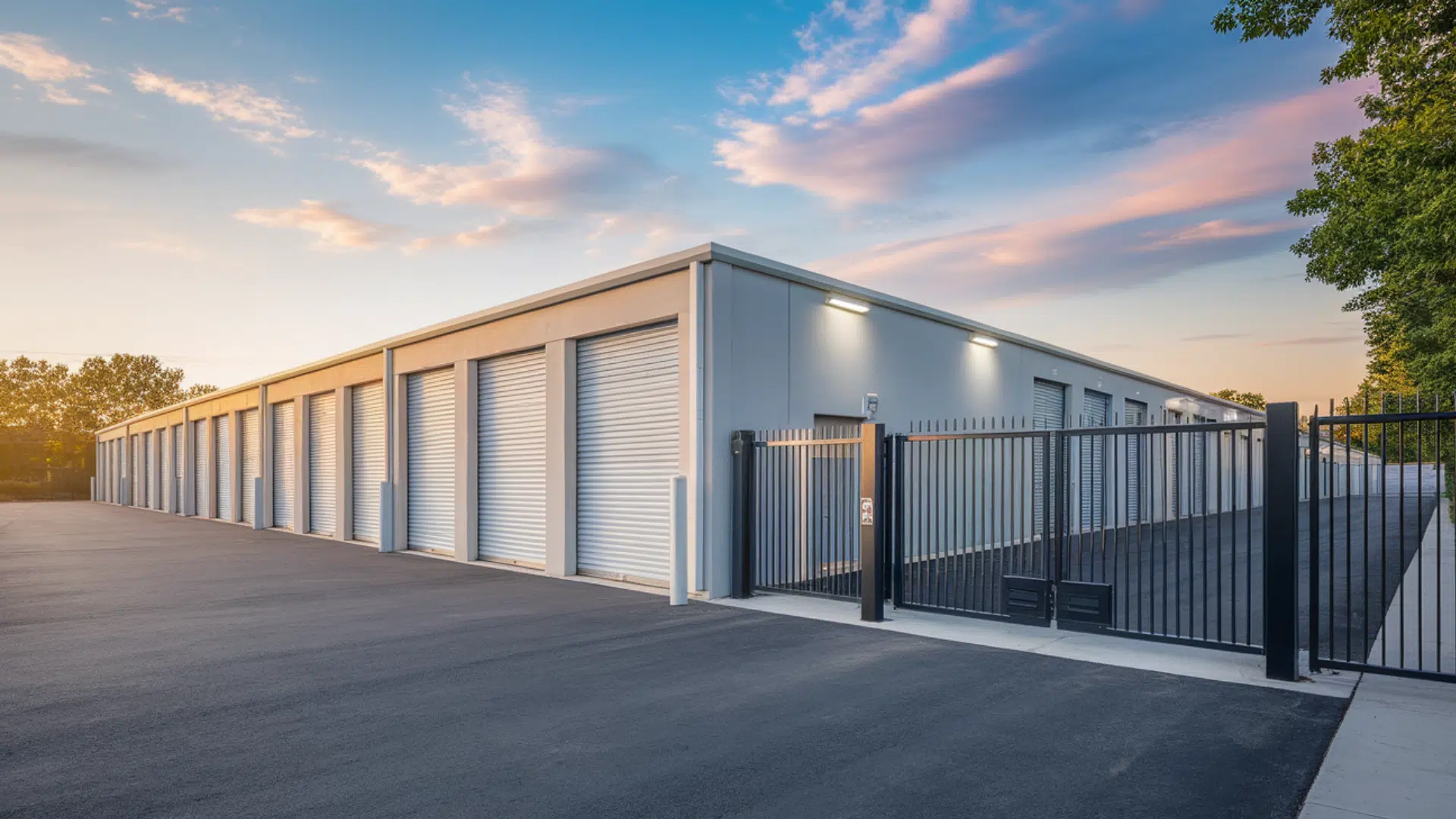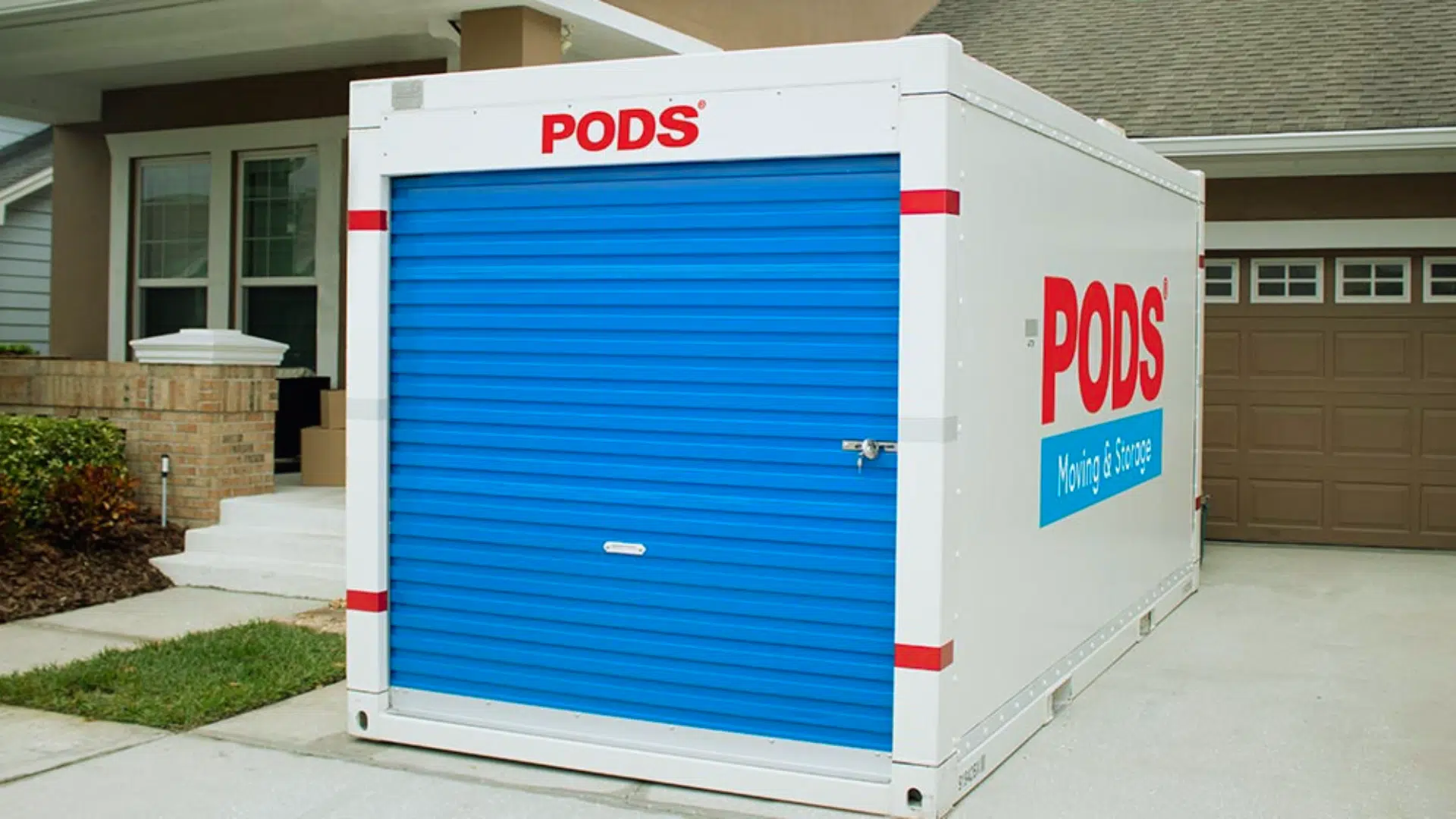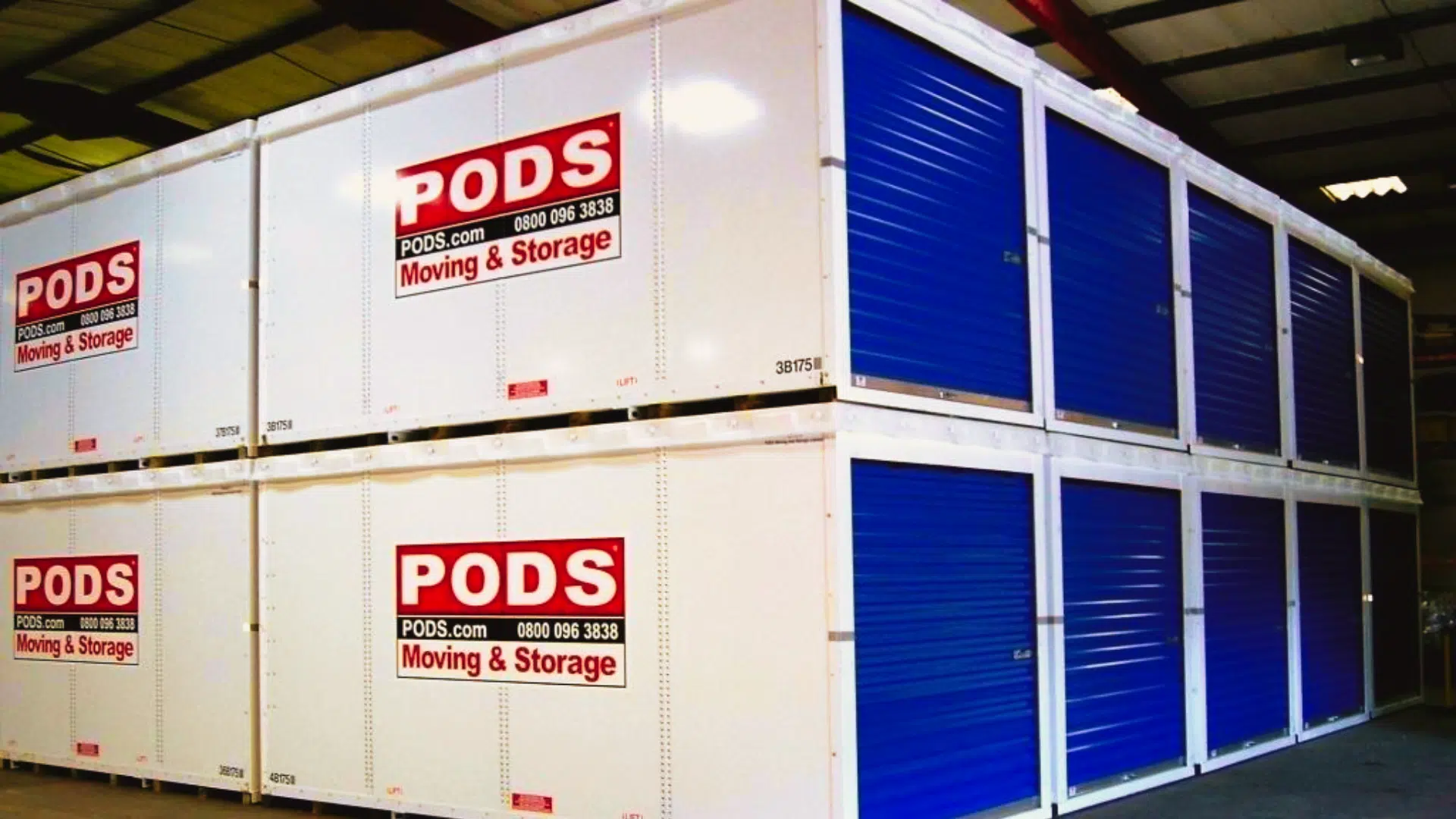
A steel box may look secure, yet doors, locks, and visibility matter. Start with the contents and proposed location.
Introduction: The Growing Need for Secure On-Site Storage
On-site storage saves daily trips. A container should still be one layer of a wider security plan.
Why Property Owners Need More Secure On-Site Storage
Keeping stock nearby makes controlled access and inspection essential.
Where Lightweight Storage Structures May Fall Short
Thin panels or weak hasps create access points. Steel cargo doors form a tougher barrier, but no structure is theft-proof.
Key Security Features to Look For in a Storage Container
Inspect the unit rather than trusting its grade alone.
Steel Construction, Cargo Doors, and Tamper Deterrence
Many Midstate listings specify 14-gauge COR-TEN steel, plywood floors, cargo doors, and seals. Check alignment, rods, and soft floor areas.
Lock Boxes, Door Configuration, and Optional Site Security
A lock box shields the padlock shackle from common cutting tools. Midstate lists versions for cargo, roll-up, and personnel doors. Every extra opening still needs secure closure.
Useful security layers include:
- Choose a lock that fits fully inside the lock box.
- Position doors where they remain visible from the property.
- Add lighting or a third-party alarm where justified.
- Limit keys or access codes to named users.
- Keep an inventory of valuable contents outside the unit.
These layers may deter access but do not replace insurance or a risk assessment.
Sizing, Grades, and Customization Options at Midstate Containers
Choice involves capacity, access, condition, and delivery space.
Choosing Between 20ft, 40ft, and Other Footprints
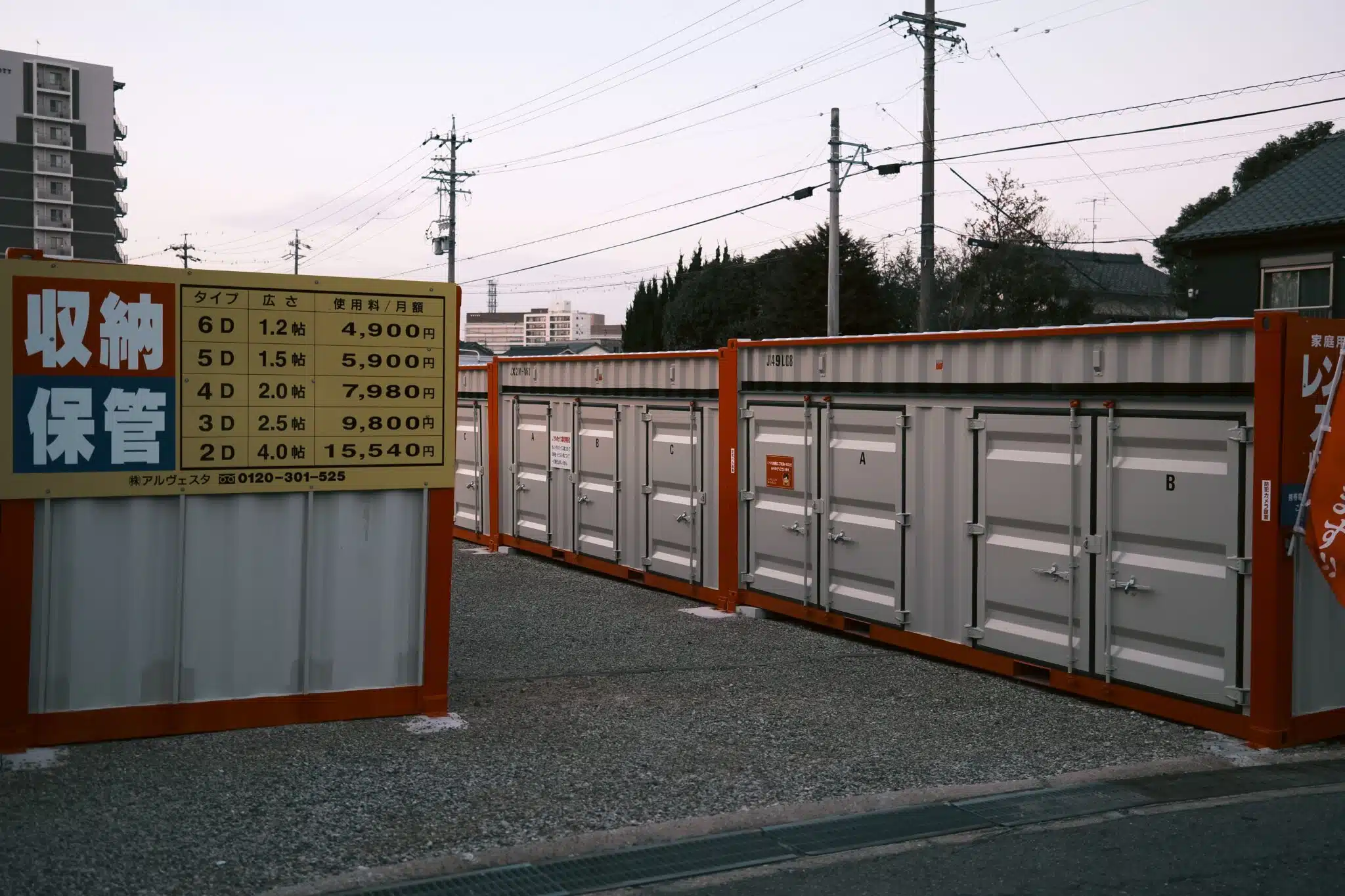
The Storage Containers collection includes 10- to 45-foot listings, plus High Cube, double-door, and open-side designs. A 20-foot unit is easier to place; a 40-foot model adds capacity but needs more access.
Follow this sequence before requesting a quote:
- List the items, pallets, shelving, and aisle space required.
- Measure the proposed footprint and delivery approach.
- Select the fewest doors compatible with daily access.
- Compare the actual condition of available grades.
- Price the unit, delivery, lock box, and modifications together.
This avoids paying for unused volume or ordering a unit that cannot be delivered safely.
One-Trip vs. Used Containers
One-trip units generally show less wear. Cargo Worthy units are inspected for transport; Wind and Watertight stock may have dents, scratches, decals, and rust. Grade alone does not prove burglary resistance.
Grade | Practical advantage | Point to inspect |
|---|---|---|
One-Trip | Less visible wear | Door fit and delivered price |
Cargo Worthy | Verified structural condition | Current certificate if used for shipping |
Cargo Worthy Premium | Better used appearance | Actual condition |
Wind and Watertight | Lower-cost stationary storage | Rust, seals, floor, and door operation |
Use should decide the grade. A rough-looking unit may store goods well, while modification may justify a cleaner starting point.
Custom Security Upgrades, Doors, and Ventilation
Midstate offers lock boxes, steel personnel doors, windows, and vents. Windows create extra openings. Ventilation can reduce humidity, but it cannot guarantee a dry interior.
Practical Site Preparation and Security Best Practices
Poor ground or concealed placement can undermine a strong container.
Placement, Ground Leveling, Accessibility, and Lighting
Support the corners on firm, level points and drain water away. Midstate advises about 80 feet of straight clearance for a 10- or 20-foot tilt-bed delivery and 120 feet for a 40-foot unit. Check wires, branches, gates, and door orientation.
Maintenance Checklist for Long-Term Protection
Inspect the roof, paint, seals, hinges, rods, vents, and supports. Remove damp debris and correct settlement before the frame twists. Review warranty limits and inspect the unit on delivery.
Conclusion & Next Steps
Security combines sound steelwork, good doors, controlled access, visible placement, and maintenance.
Building a Practical Layered Security Plan
Match the container to the site, then add protection according to the contents. No single measure promises absolute security.
Request a Project-Specific Quote
Ask Midstate to confirm size, grade, doors, modifications, delivery, and warranty in writing. Those details help California buyers make a defensible choice.