How Smart Thermostats Affect HVAC Longevity
Smart thermostats are sold on two promises: lower bills and better comfort. Both are real. But automation has a quieter, less obvious side — the way it controls your heating and cooling cycles directly affects how fast the whole HVAC system wears out. The question worth asking is whether that automation is helping your equipment last longer or quietly grinding it down.
A thermostat is the brain of a climate system. It doesn’t heat or cool anything itself; it decides when and how hard the equipment runs. When the settings are wrong or the logic misfires, the system works harder than it needs to — and that often results in HVAC system repair, where the real cause turns out to be the control strategy, not the hardware. The equipment was damaged, but the thermostat caused it.
This article explains how the thermostat-and-system relationship actually works: which settings protect your equipment, which ones wear it down, how to spot a problem early, and when it’s time to bring in a professional.
What a Smart Thermostat Actually Controls
A thermostat doesn’t produce heat or cold — it controls when and how the system delivers them. That timing is where its entire effect on equipment life comes from.
From Simple Switch to System Brain
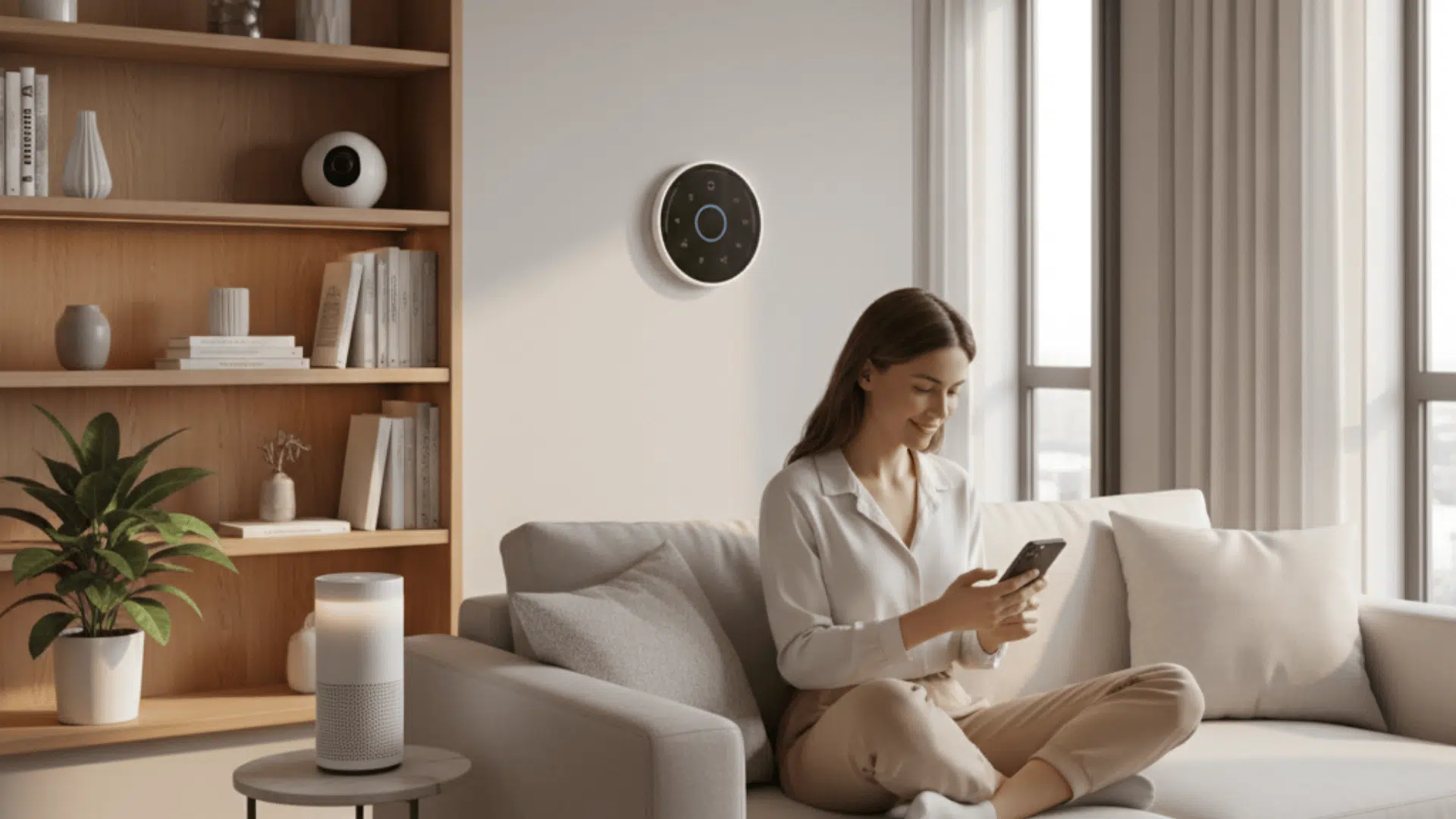
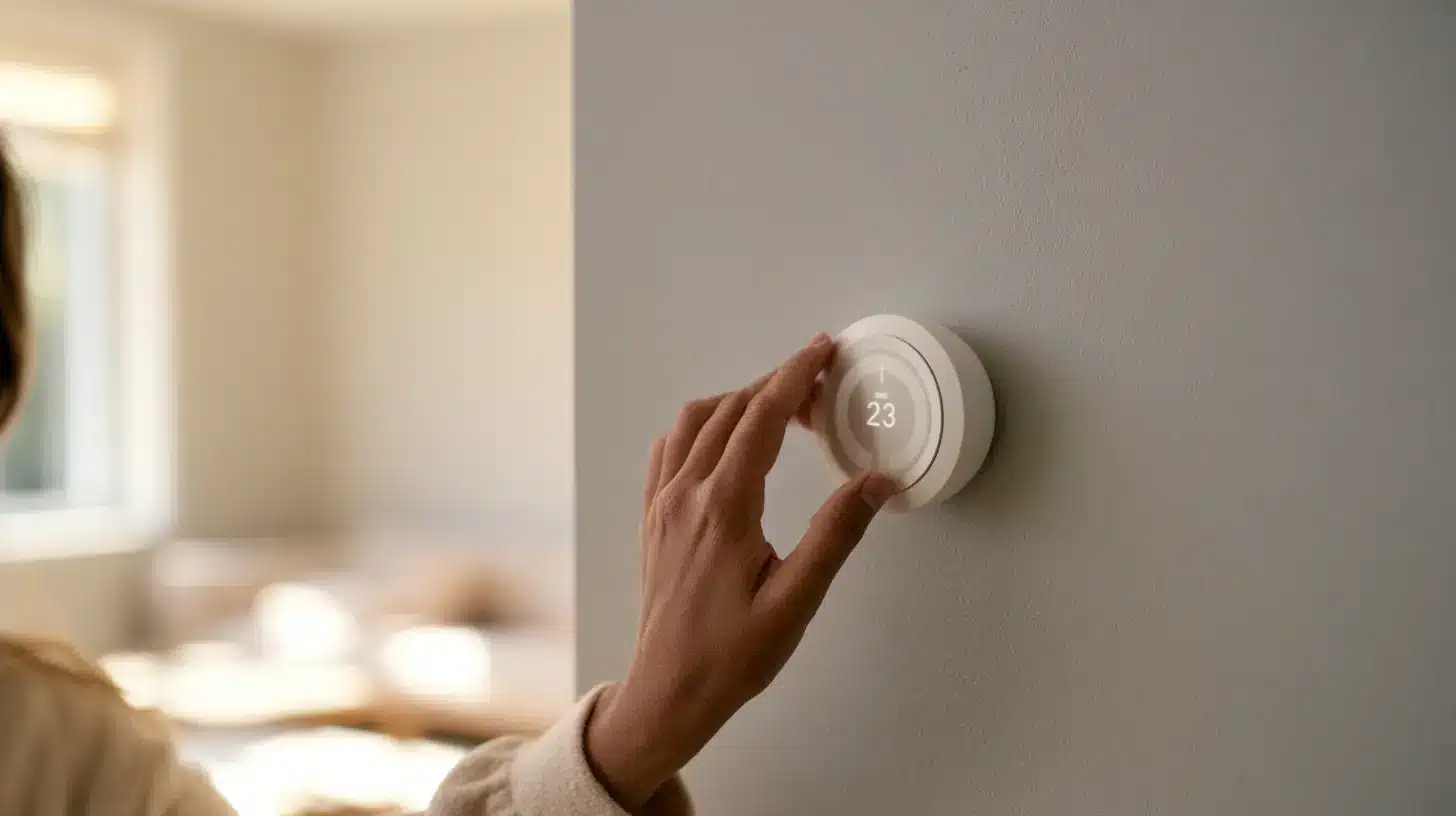
An older thermostat is essentially an on-off switch tied to a temperature reading. A smart thermostat adds layers on top of that: occupancy sensors, programmable schedules, learning algorithms that adapt to your habits, and remote access from a phone. Each of these changes the decision about when the system turns on, which is the same as changing how often and how long the equipment runs.
How It Talks to the Rest of the System
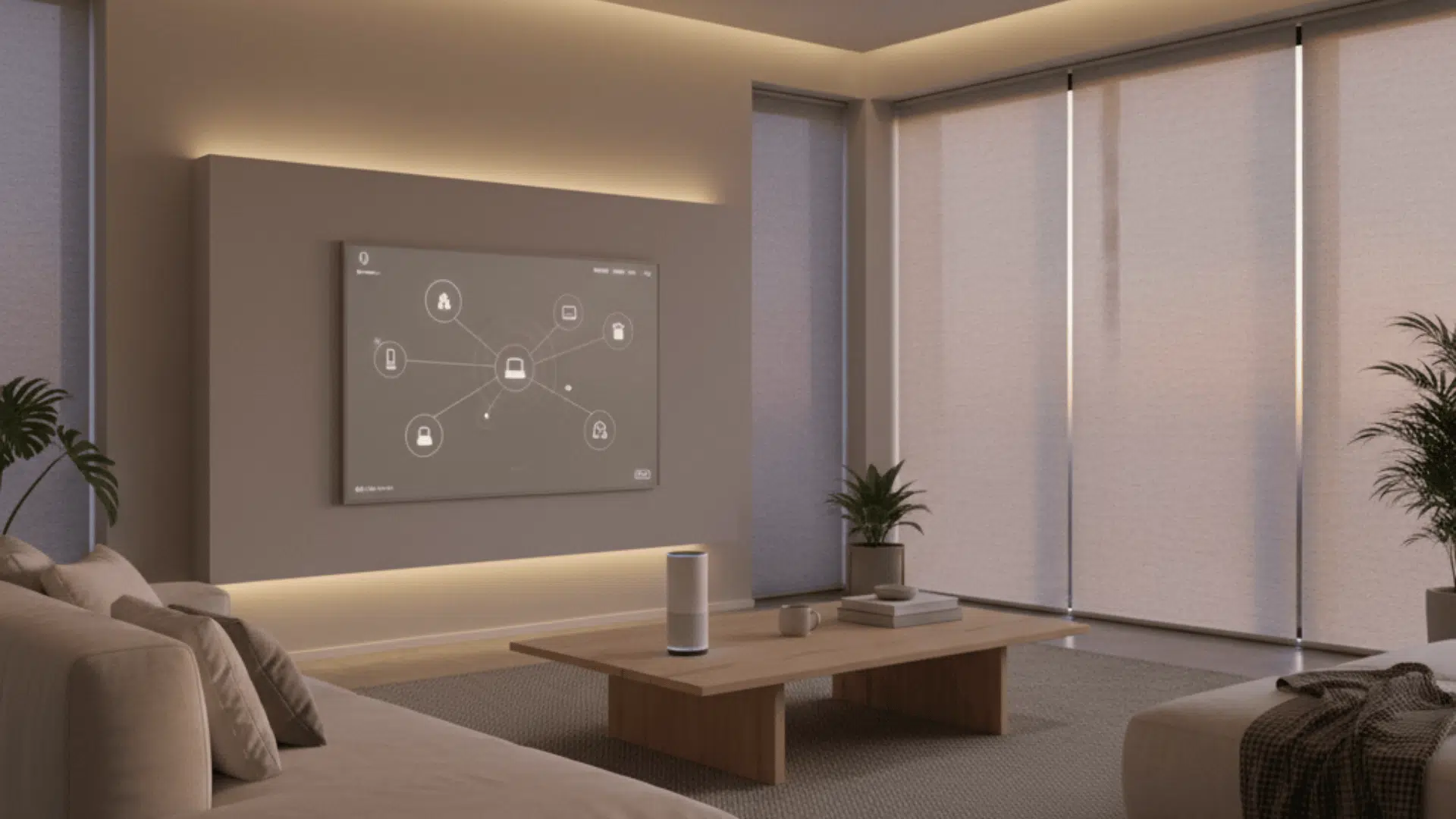
The thermostat sends start and stop signals to your furnace, air handler, and compressor. Those signals shape the heating and cooling cycles — their length, their frequency, and how smoothly the system ramps up and down. Good signals mean steady, efficient cycles. Erratic ones mean the equipment is constantly starting, stopping, and straining.
How Automation Can Extend HVAC System Life
Set up well, and automation reduces load and stretches the lifespan of your equipment. The benefit comes from a few specific behaviors.
Fewer Unnecessary Run-Hours
Schedules and geofencing stop the system from heating or cooling an empty house at full effort. Every hour the equipment doesn’t run needlessly is an hour of wear it avoids. Over the years, that adds up to meaningfully less strain on the moving parts.
Smoother, More Consistent Cycles
Stable cycles are easier on a system than rapid, jerky ones. When a thermostat maintains gradual, predictable temperature changes, the compressor and blower run in steady patterns instead of stopping and starting under stress. Consistency is what protects the components most prone to wear.
Early-Warning Data and Alerts
Many smart thermostats track performance and flag irregularities — a system struggling to reach its setpoint, runtimes creeping longer, or temperature swings that shouldn’t be happening. Catching these signals early can mean making a small adjustment now rather than a major failure later.
How the Same Automation Can Shorten It
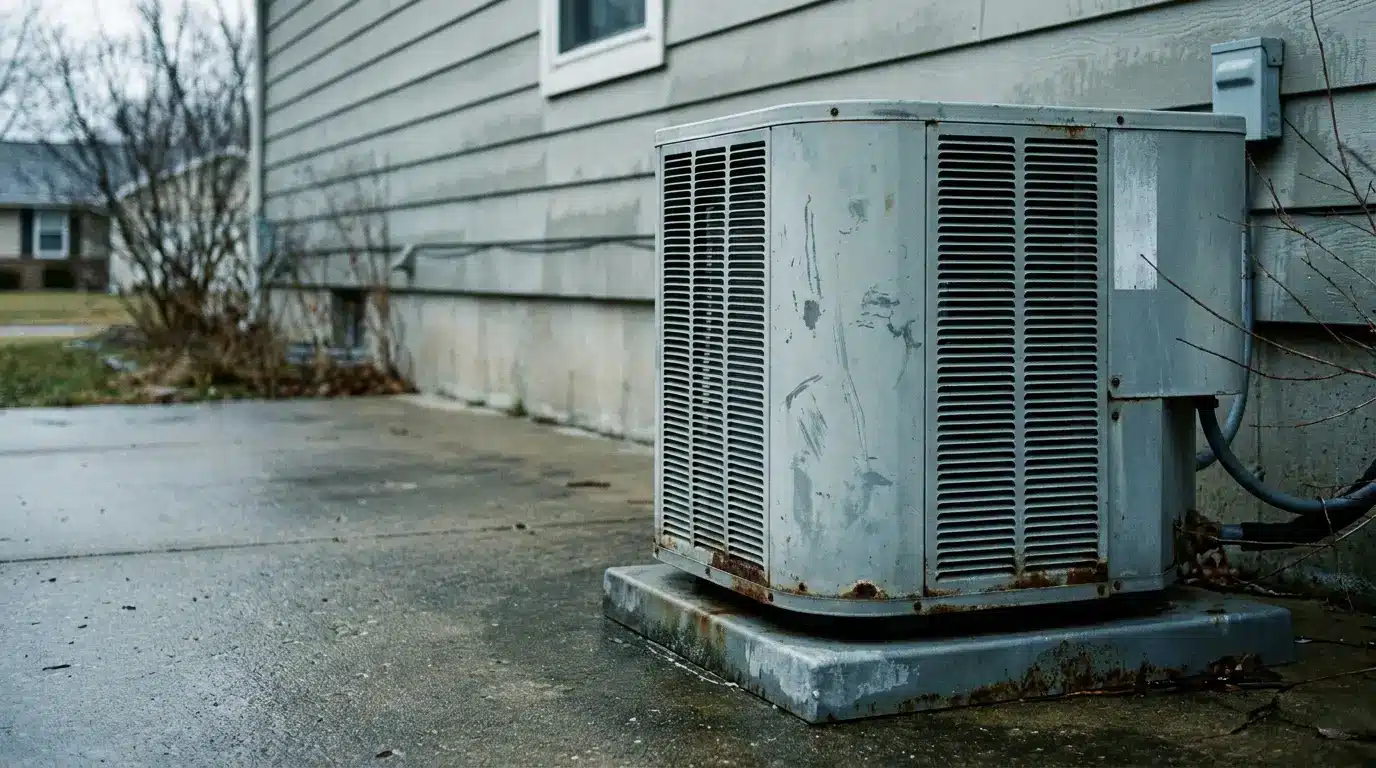
The same automation, when poorly configured, does the opposite — it accelerates wear. A few common mistakes turn a helpful tool into a source of damage.
Aggressive Setbacks and Short Cycling
Setting steep temperature swings — a deep setback followed by a demand to recover quickly — forces the system into hard, repeated starts. This often produces short cycling, where the equipment turns on and off in rapid bursts. Short cycling is one of the most damaging patterns a system can fall into, stressing components far faster than steady operation.
Oversized Expectations on an Old System
A smart thermostat on aging equipment can hide a problem rather than fix it. Automation may keep the house comfortable for a while by running the old system harder, masking the fact that the equipment is already declining. The control is modern; the hardware underneath it isn’t.
Compatibility and Wiring Mismatches
Not every smart thermostat works cleanly with every system. A mismatch in compatibility or wiring can send incorrect signals, cause erratic cycling, or prevent the system from staging properly. The thermostat may look like it’s working while quietly mismanaging the equipment.
Over-Reliance on Automation Without Maintenance
Automation manages timing; it doesn’t clean filters, check refrigerant, or inspect mechanical parts. Treating a smart thermostat as a substitute for physical maintenance lets real problems build undetected. The software can’t repair what the hardware needs.
Signs Your Thermostat Is Stressing the System
A control problem is easy to mistake for a hardware failure. These signs help tell whether the brain, not the body, is the issue:
- Short, frequent cycles — the system turning on and off in rapid bursts
- The system never quite reaches the temperature you set
- Uneven heating or cooling from room to room
- A gap between what the thermostat displays and how the house actually feels
- Bills rising without any change in your habits
- The thermostat is losing connection, resetting, or dropping its schedule
One sign alone isn’t a diagnosis. Several together are a good reason to examine how the thermostat and system are working as a pair.
Getting the Most Life Out of Your HVAC System
Automation only protects your equipment when it’s paired with sensible settings and real maintenance. A few practices keep the relationship healthy.
Set Reasonable Schedules, Not Extreme Ones
Moderate, gradual temperature changes are far gentler on a system than aggressive swings. Aim for setbacks that save energy without forcing the equipment to recover under heavy strain.
Verify Compatibility Before Upgrading
Before installing a new smart thermostat, confirm it’s a genuine match for your specific system and wiring. Compatibility isn’t a detail — it determines whether the thermostat manages the equipment correctly or fights it.
Pair Automation With Regular Maintenance
Smart controls and seasonal maintenance work together, not as substitutes. Automation handles timing; routine service handles the equipment’s physical condition. You need both for the lifespan benefits to actually materialize.
Know When It’s the Thermostat and When It’s the System
Sometimes the fix is a settings change or a compatibility correction. Other times, the symptoms point past the thermostat to genuine wear in the equipment. Telling the two apart is the difference between a quick adjustment and a needed system repair — and it’s worth diagnosing rather than guessing.
The Bottom Line
A smart thermostat can extend the life of your HVAC system — but only when it’s configured for your specific equipment and backed by regular maintenance. Set up carelessly, the same automation does the reverse, driving wear through short cycling, mismatched signals, and neglected upkeep. Technology is a tool, and, like any tool, the result depends on how it’s used.
When symptoms appear, the smart move is to find the root cause rather than assume the worst. Established contractors that diagnose the whole system — separating a control or thermostat issue from real equipment wear — make that possible. Region Home Services, a family-owned home services contractor with nearly 50 years of experience, reflects that approach: honest diagnostics that identify whether the problem is the thermostat or the system itself, paired with clear, written estimates before any work begins.