Most vehicle owners think of storage facilities as safe havens for their cars, trucks, and seasonal rides. What they rarely consider is that a parked vehicle, left undisturbed for weeks or months, becomes an open invitation for unwanted guests.
Pest infestation in storage environments is far more common than most people realize. Whether the facility houses classic cars, fleet vehicles, or seasonal equipment, the conditions inside create exactly what pests exploit. The damage often stays hidden under hoods, inside cabin air filters, or beneath seat cushions until it becomes costly to repair.
Which Pests Target Stored Vehicles
Mice and rats top the list of pests that target stored vehicles. They seek warmth, shelter, and nesting materials, often settling into engine bays, air filter housings, and cabin spaces where soft insulation is easy to shred.
Cockroaches follow closely behind. Dark, enclosed vehicle interiors offer ideal hiding spots, and even small traces of food residue left on seats or floor mats can sustain a colony for weeks.
Ants tend to exploit crumbs and organic matter that passengers leave behind, while spiders are drawn in by the presence of other insect populations already living inside or near the vehicle.
What makes storage facilities especially attractive to these pests is the combination of consistent shelter and low disturbance. A regularly driven car gives rodents and insects little time to settle in. However, a vehicle sitting untouched for weeks offers stable entry points through gaps in weatherstripping, exhaust pipes, and ventilation ducts.
Once pests establish themselves, they rarely leave on their own. The longer a vehicle stays parked, the more entrenched an infestation can become.
The Real Cost of Pest Damage in Storage
Chewed wiring is one of the most financially painful outcomes of a pest problem. Rodents gnaw through electrical harnesses to wear down their constantly growing teeth, and the result is shorted circuits, check-engine faults, and in some cases, genuine fire hazards.
Replacing a damaged wiring harness alone can cost hundreds of dollars, and the labor to trace every affected connection pushes that figure even higher. Severe infestations in storage facilities sometimes require residential and commercial fumigation to clear the problem before vehicles can even be safely accessed or assessed for repair.
The damage rarely stops at electrical components. Mice and rats pull apart upholstery, cabin insulation, and air filters to build nests, leaving behind destruction that turns a clean interior into a gutted mess. For classic car storage, where original materials and factory-condition interiors carry premium value, this kind of damage can be devastating.
Health risks add another layer of concern. Droppings and urine left inside HVAC ducts and cabin spaces can expose occupants to serious illnesses, including diseases spread by rodents such as hantavirus and salmonella. These risks remain even after the animals are gone.
From a financial perspective, resale value takes a measurable hit when pest damage appears in a vehicle’s history. Buyers and inspectors look for signs of gnawed wires, stained headliners, and contaminated ventilation systems, all of which signal neglect during storage.
Climate and geography shape the severity of these problems as well. Humid southern regions tend to face heavier cockroach and ant pressure, while rodent issues persist year-round across most of the country.
Indoor vs. Outdoor Storage: Pest Exposure Gap

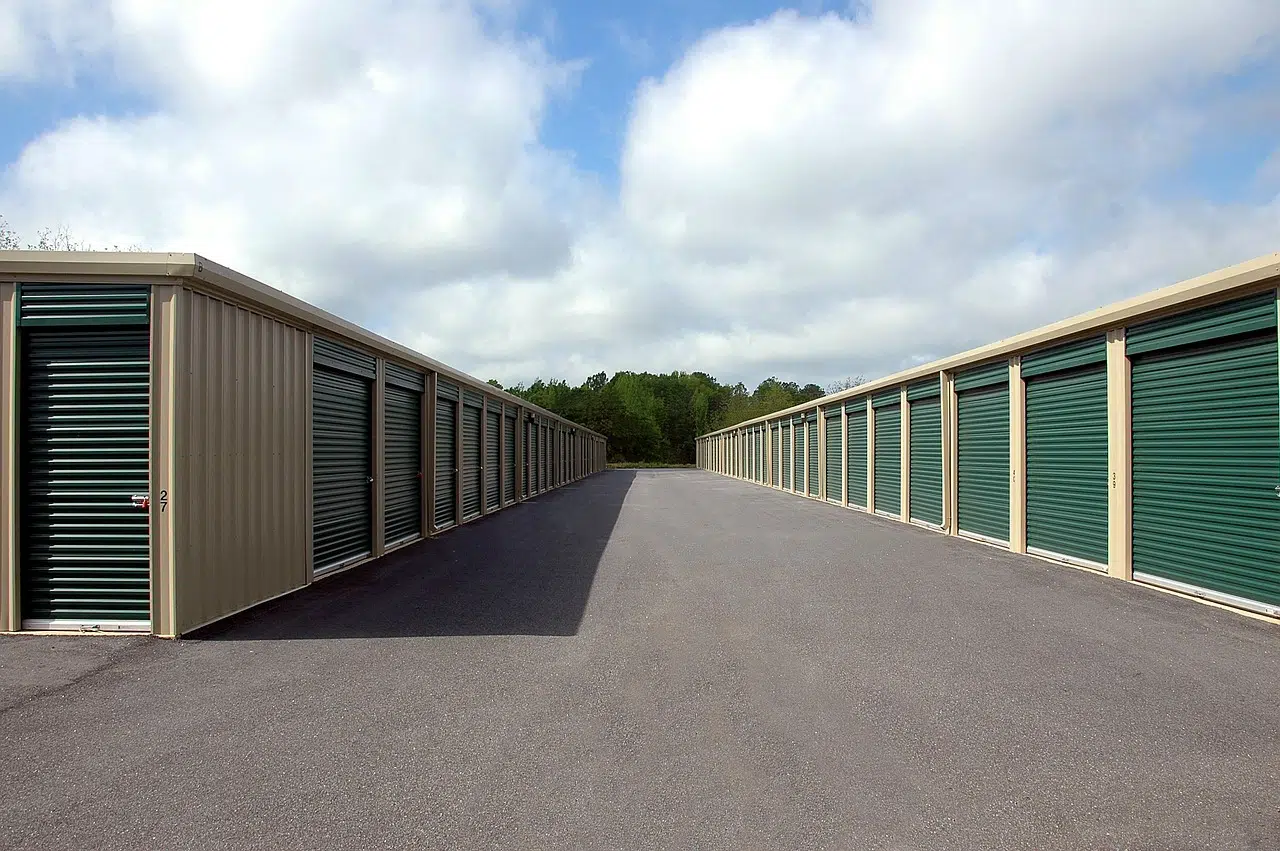
The type of facility a vehicle sits in plays a direct role in how vulnerable it is to the pest threats outlined above. Outdoor and open-lot storage leaves vehicles exposed to wildlife, ground-nesting insects, and weather conditions that create easy access for pests seeking shelter.
Indoor vehicle storage with sealed floors, climate control, and routine inspections cuts that exposure significantly. Fewer entry points and a controlled environment make it harder for rodents and insects to reach parked vehicles. That said, even indoor units are not immune.
Facilities that skip regular maintenance or allow infestations to develop in adjacent units can still harbor pest activity. One neglected corner of a building can become a staging ground that spreads to nearby vehicles over time.
Choosing proper indoor vehicle storage solutions is a first-line defense that many vehicle owners overlook entirely, yet it remains one of the simplest ways to reduce pest risk before vehicle pest control measures even come into play.
Practical Steps to Protect Vehicles in Storage
Choosing the right facility matters, but what happens before and during storage is just as important. A few deliberate actions can drastically reduce the chance of a pest infestation taking hold.
Start by removing all attractants from the vehicle. Food wrappers, crumbs, napkins, and any organic debris should be cleaned out thoroughly. Even a single forgotten granola bar wrapper can draw rodents looking for nesting materials.
Next, seal the most common entry points:
- Plug exhaust pipes with steel wool or dedicated covers
- Close all windows completely and check weatherstripping for gaps
- Cover air intakes to block access to the engine bay and cabin
Rodent deterrents add another layer of defense. Peppermint oil sachets placed under seats and in the trunk, ultrasonic repellers near the vehicle, and steel wool stuffed into small gaps all help discourage pests from settling in.
Periodic inspections should not be skipped. Checking under the hood, inside the cabin, and in the trunk every few weeks catches problems early.
Pairing these checks with maintenance practices that reduce pest infestations keeps vehicle pest control consistent rather than reactive.
The storage area itself needs attention as well. Standing water, scattered clutter, and debris near vehicles all harbor pests. For long-term or classic car storage, a breathable car cover adds one more barrier between the vehicle and anything trying to get inside. If signs of activity appear despite these precautions, professional pest control should be the next step.
Storage Without Surprises
Pest damage in vehicle storage is a known risk, not an inevitability. The combination of facility choice, thorough vehicle preparation, and routine monitoring determines whether a vehicle emerges in the same condition it went in.
Treating pest prevention as a standard part of the storage process protects both stored vehicles and their resale value over time.