If you live in Des Moines, you already know how much the seasons change. Winters freeze the ground solid. Spring brings rain. Summers get humid. Fall cools everything down again. Those shifts don’t just affect your wardrobe. They affect your home. And they definitely affect pests.
Ants show up when the ground warms. Mice look for shelter when temperatures drop. Spiders move indoors when food sources shift. It’s not random. It’s seasonal. And most infestations don’t start with a dramatic invasion. They begin quietly, with a tiny gap in siding or a forgotten crumb under the stove.
The good news is this: most pest problems can be reduced with simple, steady maintenance. You don’t need complicated solutions. You need consistent habits.
Seal Entry Points Before Pests Find Them
Before you think about traps or sprays, think about access. Pests can’t infest what they can’t enter.
Walk around your home and really look at it. Check where utility lines come through walls. Look at the bottom corners of the siding. Inspect window frames and door edges. Even a small crack can be enough for insects to squeeze through. Mice can fit through openings smaller than you might expect.
Weather changes in Iowa make this worse. Expansion and contraction can create small gaps over time. Caulk dries out. Door sweeps wear down. Screens tear.
Sealing those areas is one of the simplest and most effective steps you can take. Use exterior-grade caulk to close cracks. Replace worn door sweeps. Repair or swap out damaged screens. If your foundation has visible gaps, patch them promptly.
When prevention is handled early, larger problems are often avoided. Many homeowners find that consistent upkeep reduces the need for emergency pest control Des Moines services because fewer pests are able to enter in the first place. Professional technicians in the area also focus on inspection, barrier treatments, and environmentally responsible solutions to help protect homes year-round when prevention alone isn’t enough.
Sealing your home doesn’t eliminate every risk, but it dramatically lowers it. Once pests are kept out physically, the next step is removing what attracts them.
Keep Food Areas Clean and Sealed
Pests enter homes for two main reasons: shelter and food. If they can’t find either, they usually move on.
Your kitchen is the biggest target. Even if it looks clean, small crumbs and spills can build up in corners. Ants are drawn to sugar and grease. Roaches look for moisture and leftover food particles. Rodents search for easy access to stored goods.
Store dry foods in airtight containers instead of the original cardboard packaging. Wipe down counters at the end of each day. Sweep or vacuum floors regularly, especially under the table and stove. Take trash out consistently and use a can with a tight-fitting lid.
Pet food can also attract pests. Avoid leaving bowls out overnight if possible. Clean the area around feeding stations often.
You don’t need perfection. You need consistency. A kitchen that rarely offers food scraps is far less appealing to pests.
Manage Moisture Inside and Outside
Water attracts pests just as much as food does.
Check under sinks for leaks. Even slow drips create damp conditions that insects prefer. Fix leaking faucets and pipes quickly. If you notice condensation around windows or inside cabinets, address ventilation.
Basements in Des Moines homes can be especially vulnerable due to humidity and seasonal rainfall. Consider using a dehumidifier if moisture levels stay high. Make sure gutters are clear so water drains away from your foundation instead of pooling near it.
Outside, check that downspouts direct water away from the house. Standing water near the foundation creates ideal conditions for insects and can even invite termites in certain regions.
When moisture is controlled, the environment becomes less inviting.
Maintain Your Yard to Reduce Nesting Spots
Your lawn and landscaping can either protect your home or create easy access.
Trim bushes and shrubs so they don’t touch your siding. Overgrown vegetation acts like a bridge for insects. Keep the grass cut regularly. Remove leaf piles and yard debris, especially near the foundation.
Store firewood away from your house and elevate it off the ground. Woodpiles can become shelter for rodents and insects.
Check outdoor sheds and garages too. Seal gaps and keep clutter off the ground.
A tidy yard doesn’t just look better. It removes hiding spots and nesting areas that pests rely on.
Declutter Storage Areas
Garages, attics, and basements often become storage zones. Over time, clutter builds up. Cardboard boxes stack in corners. Old furniture sits unused. Seasonal decorations stay piled together.
Pests love clutter because it provides hiding spaces. Cardboard is especially appealing to insects and rodents.
Switch to plastic storage bins with tight-fitting lids. Keep items off the floor when possible. Leave small gaps between stored items and walls so you can easily inspect them.
The more open and organized your storage spaces are, the easier it is to spot problems early.
Watch for Early Warning Signs
Even with good maintenance, issues can sometimes develop. The key is catching them early.
Look for droppings in cabinets or along baseboards. Listen for scratching sounds in walls or ceilings. Watch for ant trails or unexplained damage to packaging.
If you see something small, don’t ignore it. Early action can prevent a minor issue from becoming a full infestation.
Sometimes professional help is necessary. Technicians can inspect areas you may not be able to access and identify problems before they spread. In Des Moines, trained professionals often tailor treatment plans based on seasonal pest patterns and local environmental factors.
Schedule Routine Inspections
One of the most overlooked steps in pest prevention is scheduling routine inspections.
You get your car serviced regularly. You maintain your HVAC system. Your home deserves the same attention.
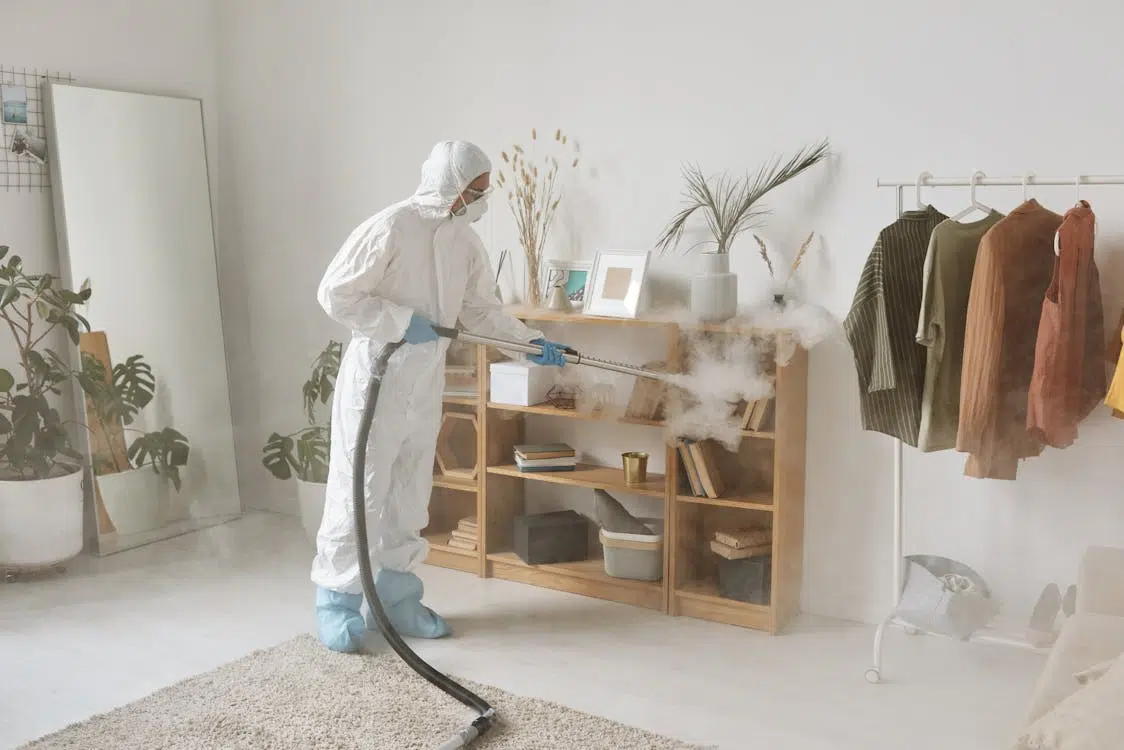
An annual or biannual pest inspection can catch issues before they grow. Professionals look for entry points, moisture problems, and early activity signs. Treatments can be applied preventively around the perimeter if needed.
Preventive service often costs less than dealing with a severe infestation later.
You don’t need to turn your home into a sealed fortress. You need steady habits.
Seal cracks when you notice them. Clean regularly. Manage moisture. Maintain your yard. Declutter when possible. Pay attention to small changes.
Homes in Des Moines face shifting weather, changing seasons, and local pest pressures throughout the year. That’s normal. But when you stay proactive, you reduce risk dramatically.
Infestations rarely happen overnight. And prevention doesn’t happen overnight either. It’s built through small actions repeated over time.
If you stay consistent, your home becomes far less inviting to unwanted guests. And that peace of mind is worth the effort.