Indoor vehicle storage helps protect your car, motorcycle, boat, or RV from weather, theft, and long-term damage.
Many owners choose indoor storage when they are not using their vehicle for weeks or months.
In this guide, I break down what indoor vehicle storage is, how it works, and when it makes sense. You will learn about different storage types, costs, and how to prepare your vehicle before storing it.
Whether you own a daily driver, a weekend bike, a family boat, or an RV, this guide will help you choose the right indoor storage option.
What Indoor Vehicle Storage Means
Indoor vehicle storage means keeping a vehicle inside a fully enclosed building instead of outside in an open lot.
The vehicle is protected by walls and a roof, which helps block sun, rain, snow, wind, and dust. These storage spaces can include private garage-style units or large indoor parking areas.
Indoor storage is used for cars, motorcycles, boats, and RVs when they are not in regular use.
Indoor vs. Outdoor Vehicle Storage
Choosing between indoor and outdoor vehicle storage depends on protection, cost, and how long you plan to store your vehicle.
| Feature | Indoor Vehicle Storage | Outdoor Vehicle Storage |
|---|---|---|
| Weather Protection | Fully protected from sun, rain, snow, and hail | Exposed to weather conditions |
| Security | Higher security with controlled access and cameras | Basic security or fencing |
| Cost | More expensive due to added protection | Lower cost option |
| Vehicle Wear | Helps reduce fading, rust, and damage | Higher risk of weather-related wear |
| Best For | Long-term or high-value vehicles | Short-term or budget storage |
Think about your climate, storage time, and vehicle value before deciding.
Types of Indoor Vehicle Storage
Indoor vehicle storage comes in a few different forms, each offering a different level of protection and access. I have explained the main types below so you can choose what fits your vehicle and storage needs best.
1. Basic Enclosed Storage Units

These are private, garage-style units inside a larger building. Your vehicle is fully protected by walls and a roof, keeping out sun, rain, dust, and debris.
This option works well for cars, motorcycles, and small boats. Units usually have roll-up doors, making parking easy. Security is better than outdoor storage, but temperature is not controlled.
2. Climate-Controlled Storage Units

Climate-controlled storage keeps the space at a steady temperature year-round. This helps protect interiors, electronics, paint, and rubber parts from heat and cold damage.
It is a good choice for long-term storage or vehicles with sensitive materials. These units cost more, but they reduce wear caused by temperature changes. Many car owners choose this for added peace of mind.
3. Dehumidified Storage Spaces

Dehumidified storage focuses on controlling moisture levels inside the building. This helps prevent rust, mold, and mildew, especially in humid areas. It is often used for classic cars, motorcycles, and boats with metal parts.
These spaces may not control temperature but still offer strong protection from moisture. They are common in specialty vehicle storage facilities.
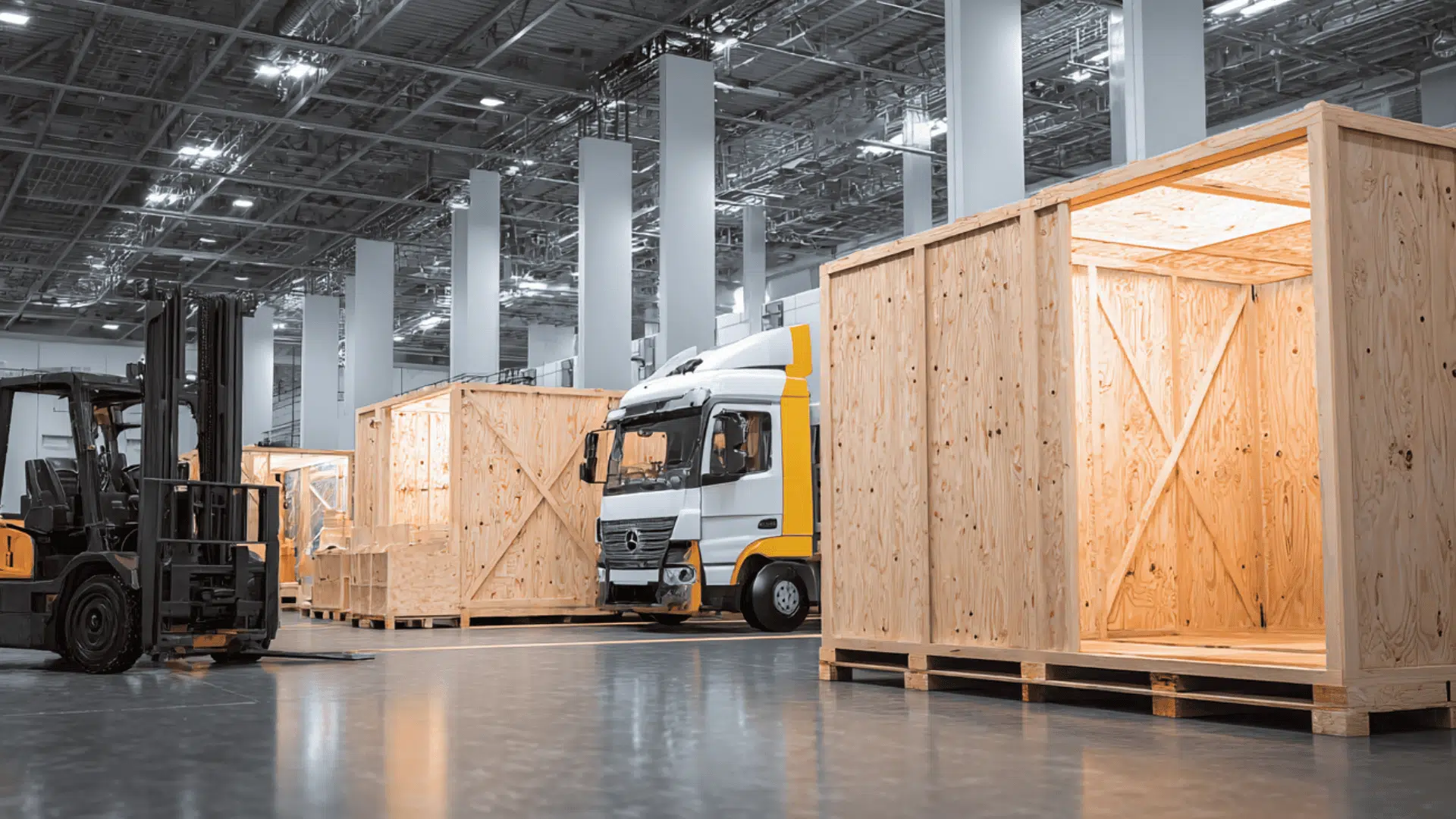
4. Indoor Warehouse-Style Parking

This option places your vehicle inside a large shared indoor space. Vehicles are parked in assigned spots rather than private units.
It offers solid protection from weather at a lower cost than private garages. Access may require staff assistance or set hours. This type works well for RVs, boats, and seasonal vehicles.
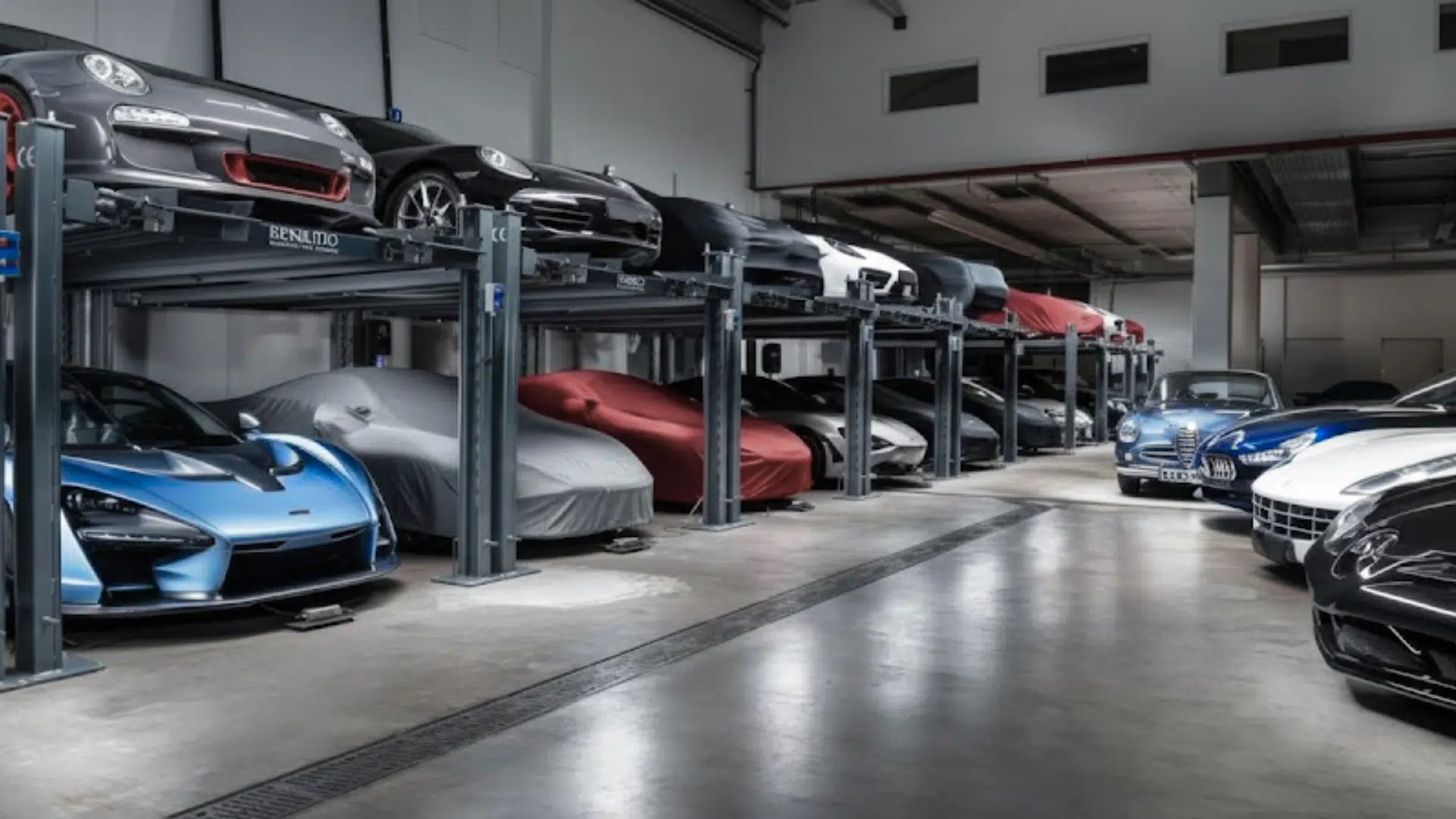
5. Specialty Vehicle Storage Facilities

Specialty storage facilities are designed for high-value or rare vehicles. They often include security systems, strict access rules, and careful environment control.
Some offer services like battery charging or regular inspections. These facilities focus on long-term care and safety. They are best for luxury cars, classic vehicles, and collector models.
Indoor Vehicle Storage Costs
Indoor vehicle storage costs can vary based on several things.
| Vehicle Type | Typical Monthly Price Range |
|---|---|
| Car (Standard Size) | $150–$350 |
| Motorcycle | $75–$200 |
| Boat (Small to Mid-Size) | $200–$500 |
| RV (Indoor Bay) | $300–$800+ |
| Climate-Controlled Storage | Add $50–$150+ |
Factors That Affect Storage Pricing:
- Vehicle size, length, and height
- Location and local demand
- Climate control or dehumidification
- Security level and access hours
- Facility type and services offered
Indoor storage costs more, but it also offers better protection and peace of mind. I recommend comparing features, not just price, before choosing a storage option.
Preparing Different Vehicles for Indoor Storage

Before storing any vehicle indoors, basic prep helps prevent damage during storage. Clean the inside and outside to remove dirt and moisture. Remove food and personal items.
Check fluids, tire pressure, and battery condition. Proper prep keeps your vehicle in good shape and ready to use later.
1. Indoor Car Storage Considerations
- Clean and dry first – Prevents odors, stains, and rust over time.
- Protect the battery – Disconnect it or use a maintainer if allowed.
- Prevent tire flat spots – Inflate tires properly or move the car occasionally.
- Use a breathable cover – Helps block dust without trapping moisture.
2. Indoor Motorcycle Storage Tips
- Stabilize fuel – Add fuel stabilizer if storing long term.
- Lubricate moving parts – Protects the chain and metal parts from rust.
- Use a stand if possible – Reduces pressure on tires.
- Cover properly – Use a soft, breathable motorcycle cover.
3. Indoor Boat Storage Guidance
- Clean the boat fully – Remove dirt, water, and organic debris.
- Dry the interior – Helps prevent mold and mildew.
- Winterize if needed – Protects the engine and plumbing in cold months.
- Check facility rules – Fuel and battery policies may vary.
4. Indoor RV Storage Considerations
- Remove food and liquids – Avoid pests and spills during storage.
- Drain water systems – Important for cold-weather storage.
- Seal entry points – Helps keep rodents out.
- Check height clearance – Confirm door and ceiling height before move-in.
Insurance and Documentation for Stored Vehicles
Insurance and documentation are important when placing a vehicle in indoor storage.
Most storage facilities do not fully insure your vehicle, so your own auto, boat, or RV insurance still matters. Some policies change coverage when a vehicle is stored, so it is smart to check this before move-in.
I recommend keeping clear photos of the vehicle’s condition, including close-ups of any scratches or dents.
Store copies of registration, insurance papers, and storage contracts in a safe place. Good records help avoid issues if damage, theft, or billing questions come up later.
Conclusion
Indoor vehicle storage is a smart choice for protecting your car, motorcycle, boat, or RV when it is not in use. It helps reduce weather damage, adds security, and keeps your vehicle in better condition over time.
The right storage option depends on your vehicle type, local climate, and how long you plan to store it. I believe comparing features, costs, and access options makes the decision easier.
Before choosing a facility, measure your vehicle, ask about insurance, and review the contract carefully.
If you want peace of mind and long-term protection, start by checking out indoor vehicle storage options near you today.