
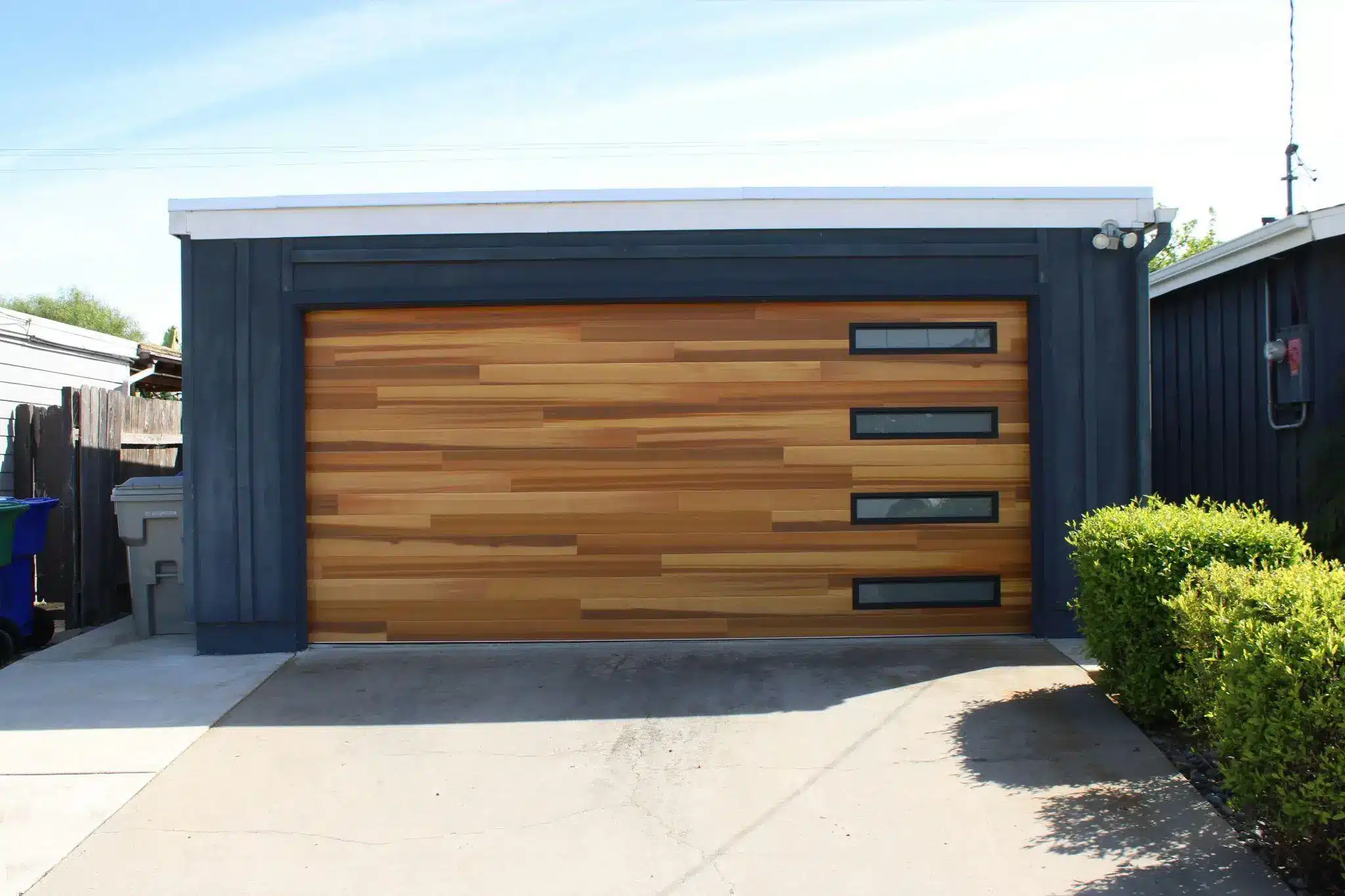
There is a certain kind of satisfaction that only comes from building something slowly over time. Not buying it all at once, not copying a perfectly curated photo online, but shaping a space piece by piece until it starts to feel personal. Garages have quietly become one of the biggest examples of this shift. What used to be a place for storage bins, lawn tools, and forgotten holiday decorations now holds project cars, simulator rigs, custom lighting systems, wall-mounted tool collections, and workbenches that took months to refine.
Gaming spaces have gone through a similar transformation. The stereotype of a messy desk and tangled wires no longer matches reality for a lot of people. Entire rooms are now designed around comfort, sound, immersion, and long-term use. The investment can look excessive from the outside, yet the people building these spaces rarely describe the spending as wasteful. In most cases, the projects become extensions of identity, routine, and lifestyle rather than simple hobbies.
Garages No Longer Feel Temporary
One major difference between older garage setups and modern ones is permanence. Years ago, people tended to treat garages as purely functional. A shelf went wherever it fit. Tools were piled into drawers. The lighting was harsh and uneven. The goal was utility, not atmosphere.
That mindset has changed dramatically. Some homeowners now spend months planning flooring materials, electrical layouts, storage walls, ventilation systems, and lighting temperatures before touching a single tool cabinet. Even smaller upgrades create a noticeable shift in how the room feels. Epoxy floors, matte-black hardware, hidden cable routing, and insulated doors can make an ordinary garage feel closer to a professional studio than a storage area.
The emotional attachment grows once projects start taking shape inside those spaces. Someone restoring an old truck over two years does not look at the garage the same way afterward. The room becomes attached to patience, problem-solving, setbacks, and progress. That emotional value changes how people justify spending money there.
The Spending Rarely Happens All at Once
People outside these hobbies sometimes imagine massive purchases happening overnight, but most expensive setups evolve gradually. A gaming room might begin with a better chair because of back pain during long sessions. Months later comes upgraded audio. Then softer lighting. Then a larger desk. Then acoustic panels because echoes became distracting.
The same slow-build mentality appears in financial hobbies and personal workspaces. Research becomes part of the experience itself. Someone reading guides about where can I buy penny stocks may spend just as much time refining monitors, desk layouts, and screen positioning as they do studying market movements. The environment becomes tied to concentration and routine rather than decoration alone.
That gradual pace also explains why regret rarely enters the conversation. Most purchases happen after months of consideration instead of impulsive decisions. By the time someone finally installs custom shelves or triple-monitor mounts, they have usually imagined the upgrade repeatedly beforehand.
Comfort Quietly Becomes the Main Priority
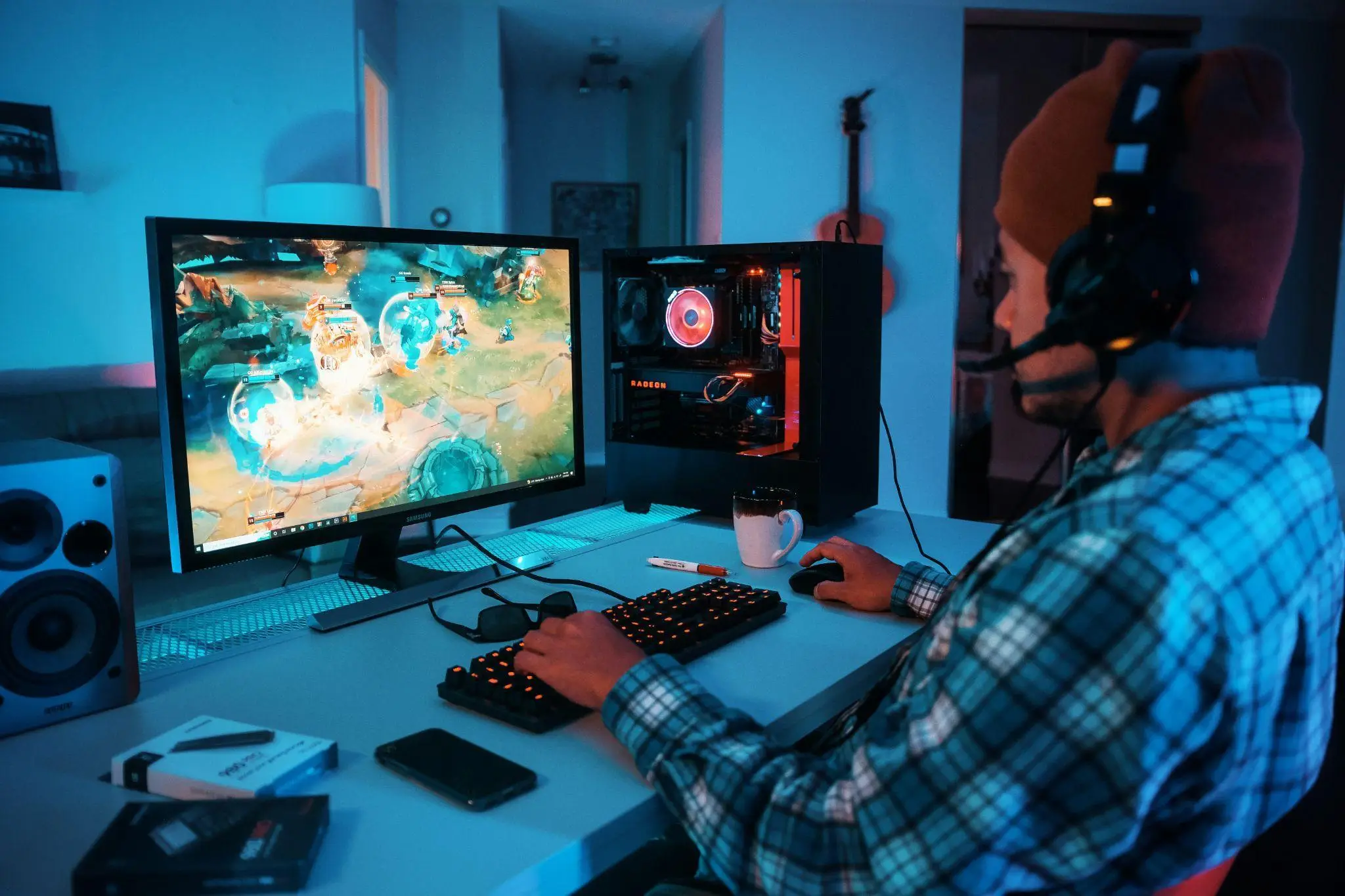
A surprising number of expensive hobby spaces are really built around comfort rather than performance. People initially chase power, speed, or aesthetics, but eventually start focusing on how the room feels after several hours inside it.
That is why ergonomic chairs became such a massive industry within gaming culture. It is also why garage workshops now include heating systems, insulated walls, better airflow, and softer lighting instead of the harsh fluorescent bulbs that used to dominate utility spaces. Once people spend enough time somewhere, comfort stops feeling optional.
There is also a psychological shift that happens when environments feel calmer and more organized. Cluttered spaces create low-level stress that builds gradually over time. Organized tool walls, labeled drawers, cable management, and controlled lighting reduce mental friction in ways people notice almost immediately.
The result is that expensive upgrades start feeling practical instead of extravagant. Someone may hesitate before spending money on quieter ventilation or improved seating, yet after months of daily use, those same purchases become the parts they appreciate most.
Customization Matters More Than Luxury
The most admired setups are not always the most expensive ones. What people respond to emotionally tends to be personalization. A room feels memorable when it clearly reflects the habits and interests of the person using it.
That is especially obvious in garages built around fabrication projects, off-road modifications, or custom mechanical work. A workspace filled with carefully selected fabrication tools and suspension components tells a completely different story than a showroom-style garage with untouched equipment. Communities built around fabrication and off-road customization, including spaces influenced by brands such as CavFab, tend to value functionality and individuality more than polished perfection.
Gaming setups follow the same pattern. Some people design around retro consoles and CRT televisions because nostalgia matters more to them than graphical performance. Others create minimalist black-and-wood environments that feel closer to architecture studios than gaming rooms. The appeal comes from authenticity rather than trends.
That personalization also protects projects from feeling dated too quickly. Spaces built purely around internet aesthetics usually lose appeal once design trends shift. Rooms shaped around actual habits tend to age much better because they continue serving real routines.
People Spend More Time at Home Than They Used To
Another reason these projects have expanded so dramatically is simple: people now spend more hours at home. Work, entertainment, hobbies, and social interaction increasingly happen indoors, especially during weekdays. As a result, dissatisfaction with uncomfortable or unfinished spaces becomes harder to ignore.
A decade ago, someone might have tolerated a cheap desk setup because they only used it briefly at night. Spending ten hours there changes the equation completely. The same logic applies to garages. Once people begin treating those areas as active project spaces rather than occasional storage zones, investment starts feeling justified.
There is also a growing appreciation for environments that feel immersive and separated from daily stress. A garage workshop or gaming room gives people something increasingly difficult to find elsewhere: uninterrupted focus. That sense of separation matters more now than it once did.
Some setups are intentionally designed to encourage slower routines. Softer lighting, warmer materials, organized storage, and quieter acoustics create spaces that feel detached from constant notifications and distractions. The appeal goes beyond appearance. It changes how time feels inside the room.
The Projects Become Hard to Walk Away From
One reason people continue investing in these spaces is that unfinished projects naturally create momentum. Once someone builds half a simulator rig or restores part of a vehicle, stopping midway feels unsatisfying. Every completed improvement makes the next upgrade easier to imagine.
That momentum becomes deeply emotional over time. A gaming setup assembled over four years carries memories of different life stages, jobs, friendships, and routines. A garage workspace built gradually across weekends reflects accumulated effort that outsiders rarely see.
The spending also becomes easier to justify because the spaces continue getting used long after the excitement of the purchase fades. Expensive vacations end quickly. Trend-based gadgets lose novelty within weeks. A comfortable room designed around daily routines keeps delivering value quietly in the background.
That may be the biggest reason regret rarely enters the picture. These projects are not simply about owning equipment. They reshape how people spend their evenings, weekends, and creative energy. Once a space starts improving daily life in noticeable ways, the investment stops feeling temporary.










One Response
sadasdas