Linehaul status and doorstep ETA solve different problems. Shippers who blur them create false confidence and angry customers, and delivery experience optimization starts with separating the two jobs.
Two Tracking Jobs Wearing the Same Word
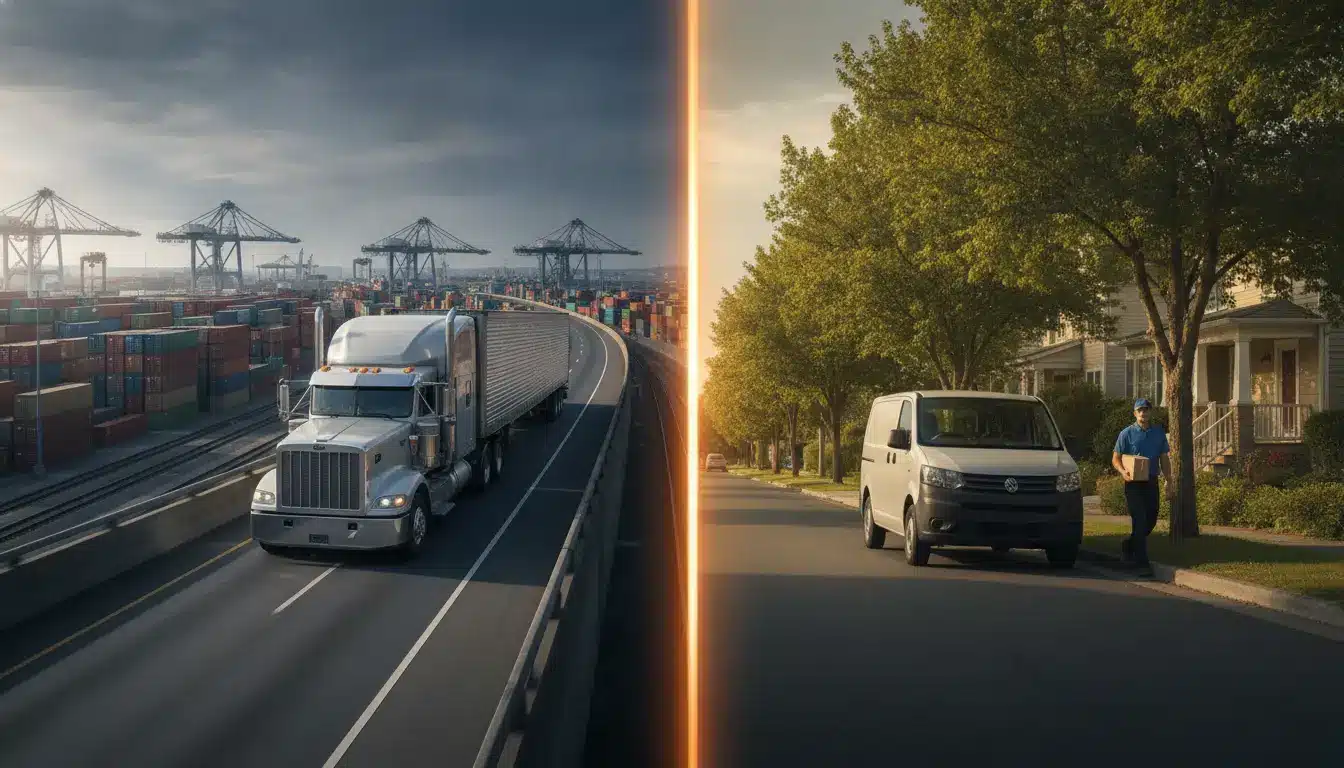
Shippers often buy “visibility” as if it were one product. Freight tracking answers where a trailer or container is in the network. Last-mile tracking answers whether a specific stop will still meet the customer window today. Those are related stories. They are not the same operating system.
When teams paste linehaul milestones onto a consumer tracking page, customers hear progress while the critical promise, the final appointment, remains unplanned. The opposite mistake is also common: obsessing over doorstep pings while freight delays sit invisible until the depot discovers a late inbound.
This distinction is where delivery experience optimization begins. Delivery experience optimization is not notification copy or a prettier tracking page; it is the discipline of making sure every message a customer sees is backed by a plan the network can still execute. The stakes are measurable: in a Q2 2026 Locus survey of more than 1,000 U.S. online shoppers, a combined 56% said they prioritize reliable delivery or the returns experience over raw speed. Customers are grading the promise, not the ping.
Procurement conversations that treat “tracking” as a single checkbox usually produce a stack that looks complete in a demo and fails the first time freight slips and the last mile still needs a feasible replan the same afternoon. Shippers who separate the jobs early write clearer RFPs, set clearer SLAs, and stop blaming carriers for a customer message that was never tied to a live stop plan.
What Freight Visibility Is Actually For
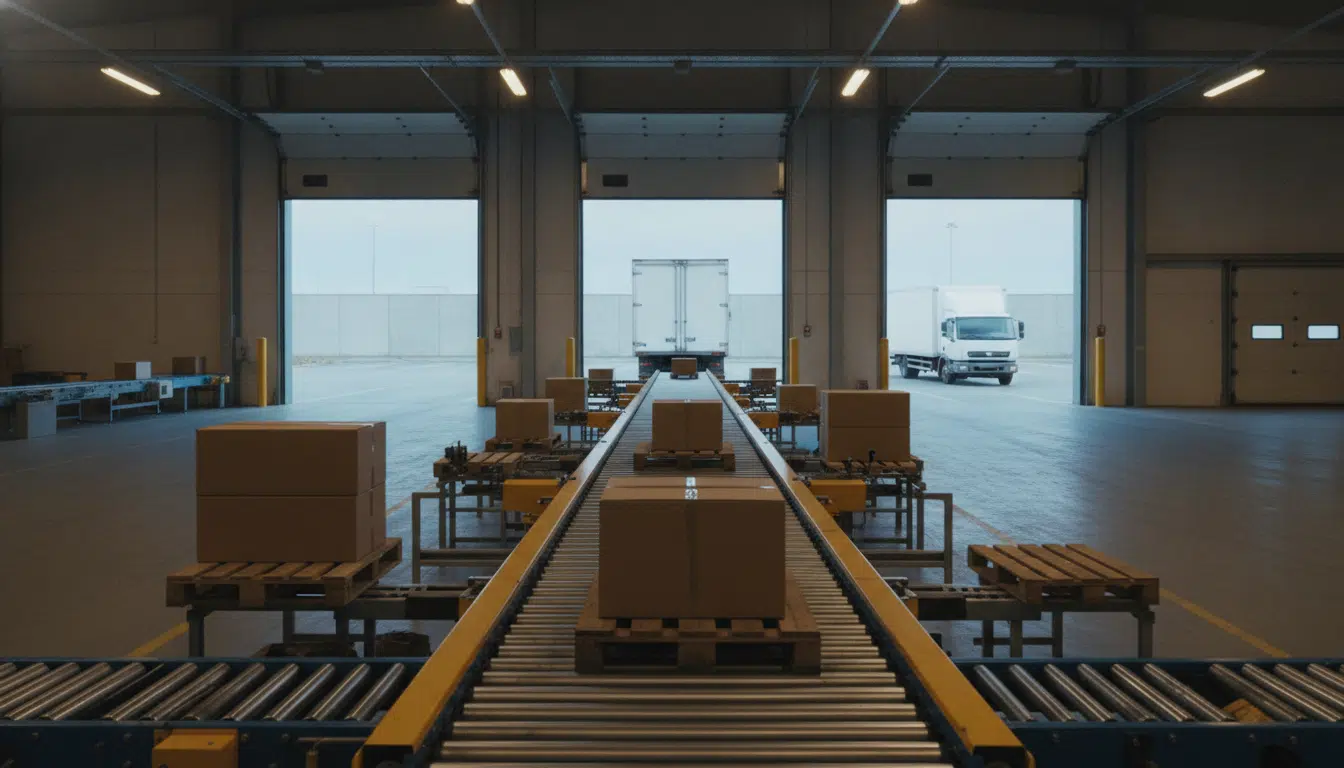
Freight tracking exists to manage network handoffs: origin departure, linehaul progress, terminal dwell, and inbound readiness. It helps planners protect capacity, carriers coordinate relays, and shippers spot a delay before a customer appointment is sold as certain.
Good freight status is milestone-rich and exception-aware. It is not supposed to invent a four-to-six home window while the trailer is still three terminals away. Asking it to do that job creates precision theatre. Use freight visibility to decide whether a downstream promise is still honest. Use it to trigger buffer, rebook, or customer communication early. Do not use it as a substitute for a live last-mile plan.
Treat freight ETA as a planning input with uncertainty bands. A tight band can unlock a customer window. A wide band should keep the promise at day level until readiness improves. Shippers who instrument dwell and missed connections early usually need fewer heroic last-mile rescues. The rescue still matters. It should not be the first time anyone noticed the network was late.
What Last-Mile Visibility Must Prove
Last-mile tracking earns trust when it reflects a feasible stop sequence, a current ETA, and a clear exception path. Customers care less about terminal codes than about whether someone will arrive while they are home, and what happens if the plan slips.
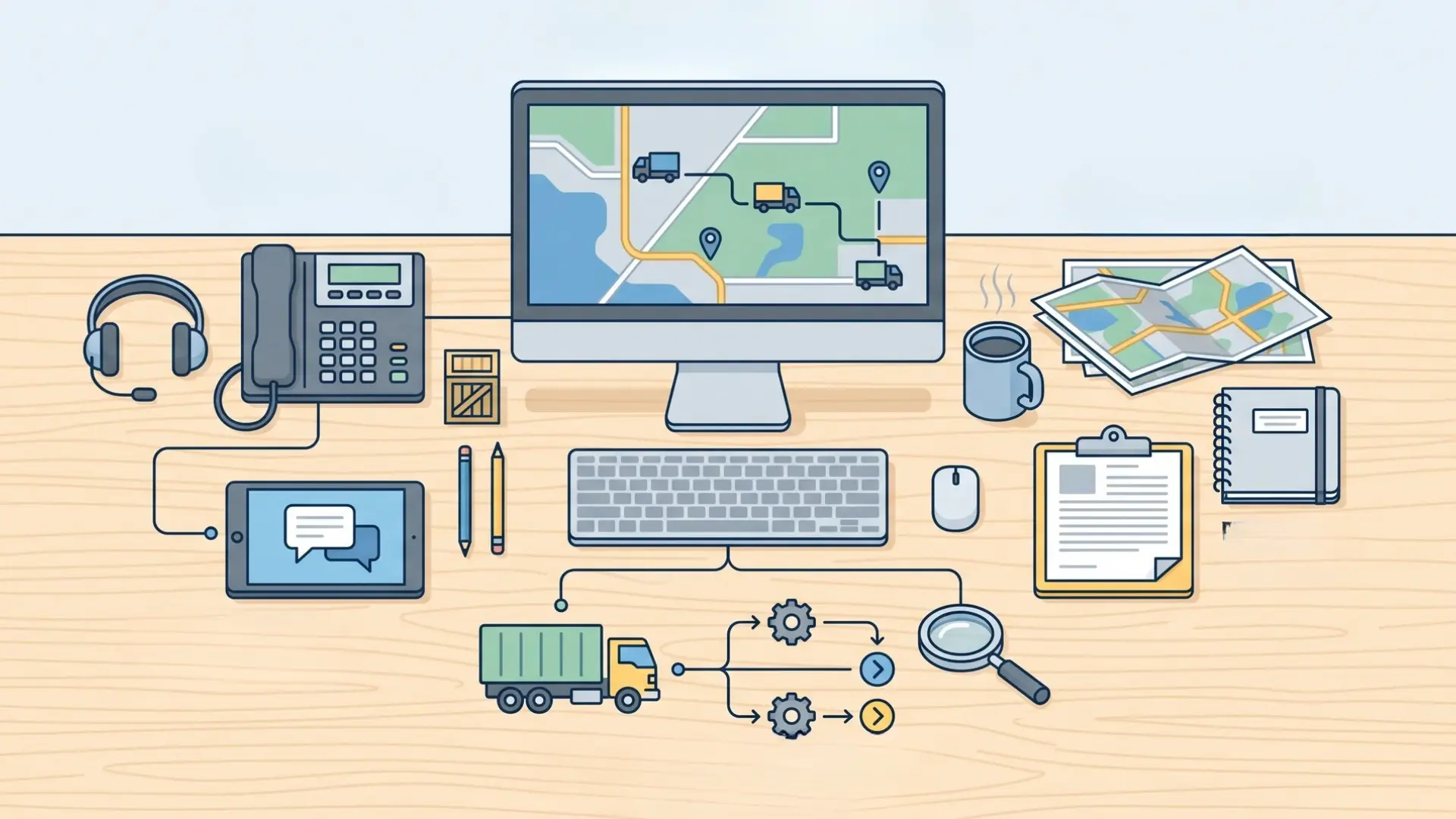
That requires live route truth: assignment, progress, re-plans, proof events, and reason code support can be explained without opening a second system. A polished page fed by stale scans only documents disappointment more clearly. If support and the shopper see different ETAs, your delivery experience is leaking trust in real time. Fix the data path before you rewrite the notification copy.
Last-mile visibility also has to survive change. A stop that moves mid-route because of traffic or a prior miss should update the customer promise without creating a second narrative in the call centre. That is the difference between tracking as theatre and tracking as delivery experience optimization in practice.
Expectations by Stage for Shipper Teams
- Origin and linehaul: milestone integrity, dwell alerts, and inbound ETA ranges.
- Depot handoff: readiness signals before a customer window is confirmed.
- Out for delivery: stop-level ETA tied to the live route, not yesterday’s plan.
- Exception: proactive change plus next action before the customer has to chase.
- Proof: timestamp, photo or signature rules, and a shared record for claims.
Where Shippers Create False Confidence

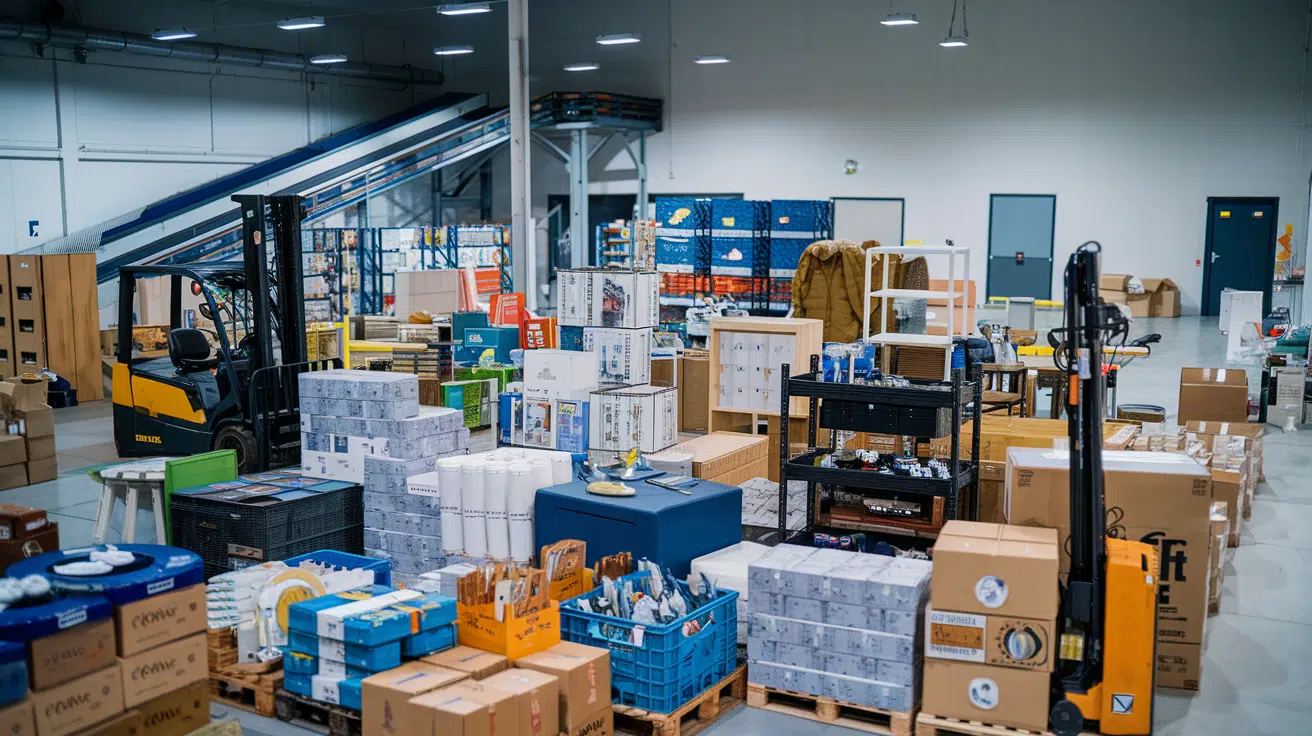
A common pattern: marketing promises a delivery day based on freight departure, then operations discovers the trailer missed a cut and the local wave is already full. The customer tracking page still shows cheerful progress because the freight milestones were true, and irrelevant to the doorstep promise.
Another pattern: last-mile scans update frequently, but nobody owns the bridge from inbound arrival to route assignment. Visibility looks busy while the appointment sits in a queue with no ETA owner.
False confidence is worse than silence. Silence invites a ticket. False confidence invites anger after the customer rearranged their day. Audit twenty recent complaints that mention “tracking said.” Tag whether the lie came from freight precision, last-mile staleness, or a missing handoff rule. The tag usually points to a design fix, not another status vendor.
Build a Handoff Contract Between Stages
Write down what must be true before a customer window is confirmed: freight ETA within a buffer, depot capacity, and a driver or partner slot that can still absorb the stop. Until that contract is met, communicate a day or range, not a fake precise window.
Give freight ops, depot supervisors, and last-mile planners one shared definition of “ready to promise.” If each team uses a different green light, customers will hear three stories. Review the last twenty late deliveries against the first moment anyone knew the window would miss. If that gap is hours, you have a visibility design defect, not only a carrier delay.
Put the contract in the weekly operating review. Contracts that live only in a slide deck expire the first week volume spikes.
Customer Language Should Match the Stage
During linehaul, customers usually need honest ranges and proactive delay notes. During the final mile, they need time windows, live progress, and instructions for access or safe place. Mixing terminal jargon into the doorstep stage only creates WISMO noise.
Audit notifications the way you would audit a campaign. Which messages changed behaviour? Which arrived too late to help? Keep the messages that protect the promise: plan confirmation, proactive change, and arrival with proof. Channel choice matters too. A delay that requires the customer to be home may deserve SMS. A proof-of-delivery confirmation may belong in email. Match urgency to medium instead of blasting every event everywhere.
Support Questions that Reveal a Broken Bridge
- Can an agent see freight ETA and last-mile ETA on one screen?
- Does a mid-route replan update the customer and support at the same time?
- Is “out for delivery” ever shown before a stop is actually on a live route?
- Do reason codes explain misses in language a customer can use?
How Locus Turns the Bridge Into Software: Delivery Experience Optimization in Production
Everything above describes a handoff contract enforced by discipline. The reason delivery experience optimization has become a platform category is that the contract can now be enforced by software. Locus, the world’s first Decision-Intelligent Agentic Transportation Management System (TMS), assigns each stage of the bridge to an AI agent wired to one constraint engine. Its Hub Agent runs outbound readiness and carrier handoff as a single chain of custody, so a customer window is never confirmed before the shipment is genuinely ready to promise. Its Carrier Agent selects among more than 1,000 carriers on live rates, SLAs, ETAs, and serviceability, which closes the ownerless gap between inbound arrival and route assignment.
Its Customer Agent then tracks every shipment against the promise itself, not the milestone feed: live status, audit history, proof of delivery, and a branded tracking page, with SLA alerts that announce a delay before the customer discovers it, all under six governance mechanisms including human-in-the-loop control.
A leading Canadian grocery brand shows what that looks like when the freshness clock is running. Delivering perishable food to homes in more than 30 cities through multiple contracted 3PL carriers, the brand ran shipping on manual coordination across disconnected carrier portals; once a shipment left the dock, nobody could see it, and the first signal of a late order was usually the customer, after the freshness window had closed. On Locus’s agentic TMS, deliveries became 33 % faster, fulfillment costs fell 15%, and customer support resolution accelerated 10 to 20 times because agents finally saw one screen with delays that announced themselves. The revenue signal is the part delivery experience optimization skeptics should note: faster, more reliable delivery lifted order frequency by 10%. Experience paid for itself in repeat purchase, which is consistent with the same consumer research finding that 68% of shoppers become more loyal to retailers who resolve the post-purchase moment quickly.
Shippers evaluating that doorstep layer should still run the test this article prescribes: a late inbound that salvages the customer message with a buffer, rebook, or revised window before the original promise collapses in silence, and a mid-route replan that updates the shopper and support at the same moment. Pretty tracking UI without that loop will not fix stage confusion. Truth first, presentation second.
What Good Looks Like for the Shipper
Freight tracking that is trustworthy enough to protect promises. Last-mile tracking that is precise enough to protect the appointment. A handoff contract that refuses to sell certainty the network cannot yet support. That combination is delivery experience infrastructure, not a nicer map on a webpage.
Start with one lane and twenty recent misses. Tag which stage broke first. Fix the bridge before you buy another status widget. Customers forgive delays they hear early. They punish precision that was never real.
Do the stage map before the next peak. Label which system owns each milestone, who may confirm a customer window, and how a late freight alert becomes a last-mile message. Shippers who skip that map keep buying tracking features that never meet in the middle of the journey.
Track both layers honestly: freight milestone accuracy, dwell exceptions, and inbound readiness separately from last-mile promise accuracy, ETA stability, contacts per thousand orders, and first-attempt success, plus one bridging metric, the time from inbound ready to confirmed customer window. When that lag grows, visibility theatre usually follows. Get the stages right once, and every later vendor conversation gets sharper, because you finally know which visibility job you are buying, and delivery experience optimization stops being a buzzword and becomes a staged operating practice shippers can explain and customers can feel.